



Bradford pear tree health is a topic that concerns many homeowners who want a beautiful landscape without the frustration of sudden failures. If you’ve noticed changes in your landscape or you’re simply planning a seasonal check, you’re not alone. At Davis Family Arbor, our certified arborists specialize in diagnosing bradford pear tree health issues, removing hazards, and restoring your landscape with safe, effective solutions. This guide will help you understand the risks, recognize warning signs early, and know when it’s time to call in the experts.
Understanding the bradford pear tree and its risk factors
The bradford pear tree is a beloved choice for its early bloom and classic silhouette, but its popularity comes with notable health and structural challenges. These trees are prone to weak wood, leading to branch breakage during storms. They also face a higher risk of certain diseases and invasive pests that can spread quickly through a stand of trees. Because of these factors, what starts as a minor issue can quickly escalate into a hazardous situation for people, pets, and property.
Key risk factors to watch for include rapid growth that exceeds the tree’s structural support, fungal cankers that weaken limbs, and diseases like rust or fire blight that undermine vigor. In many landscapes, the bradford pear tree is installed as a seasonal showpiece, but without proactive maintenance and timely removal when needed, the risk to your home or business increases. If you’re unsure about the health of a bradford pear tree on your property, it’s wise to schedule a professional assessment with a company you trust, such as Davis Family Arbor. To start a precise evaluation, consider reaching out to our team through our services or contact pages.
Signs your bradford pear tree may be in trouble
Early detection is the best defense. Look for these warning signs, and don’t wait to seek an expert evaluation:
– Thinning or sparse canopy: If the upper branches appear weaker and leaves aren’t filling in as they should, structural issues may be present.
– Dieback and deadwood: Sudden or progressive dieback in branches, especially on the outer limbs, suggests disease or internal decay.
– Cracked or splitting limbs: Rapid growth can lead to brittle wood that cracks under wind or ice loads.
– Oozing or cavities: Unusual sap flow, holes, or hollow areas indicate internal decay or insect activity.
– Fungal growth at the trunk or on limbs: Mushrooms, slime flux, or suspicious growths often accompany canker diseases.
– Poor leaf color or abnormal spotting: Discolored leaves, early leaf drop, or unusual rust-like spots on foliage signal stress or infection.
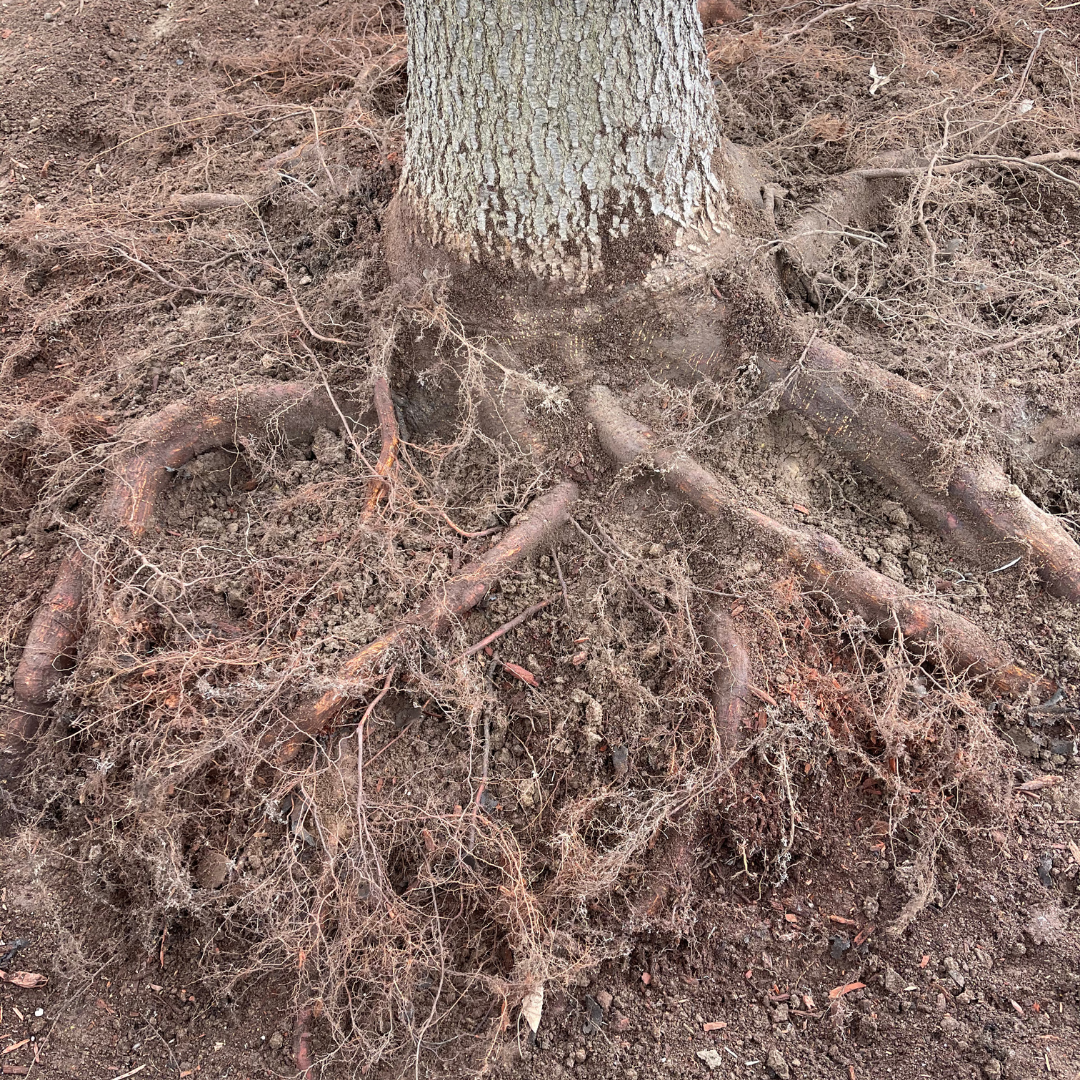
– Soil or root issues near the trunk: Exposed roots, sinking soil, or persistent leaning can compromise stability.
If you notice these signs, it’s important to involve a professional soon. Our arborists perform a thorough assessment that includes a visual inspection, pest and disease testing, and a structural analysis to determine not only what’s happening now but what could happen next. For homeowners seeking reliable answers, contacting a local expert is the fastest way to protect your property and ensure safe, informed decisions. You can learn more about our diagnostic process on our Services page.
Assessing risk and the decision to remove versus treat
Deciding whether to remove a bradford pear tree or attempt treatment depends on several factors:
– Structural integrity: If the tree shows significant internal decay, extensive cracks, or a history of large limb failure, removal is often the safest option.
– Disease severity: Some diseases are manageable in their early stages but can progress rapidly, compromising nearby trees and structures.
– Value to landscape: If the tree contributes essential shade, aesthetics, and property value, a plan may exist to treat and prune rather than replace, provided safety is not compromised.
– Proximity to people and structures: Trees that overhang driveways, sidewalks, or buildings pose higher risk and may warrant removal.
Our team at Davis Family Arbor follows industry best practices to evaluate risk accurately. We combine on-site measurements with diagnostic testing when needed, then present clear recommendations. If removal is recommended, we handle every step safely and efficiently, from securing permits (if required) to stump grinding and site clean-up. For homeowners exploring options, our services include detailed guidance on tree removal as well as how to treat or preserve other landscape assets.
What Davis Family Arbor offers to address bradford pear tree health
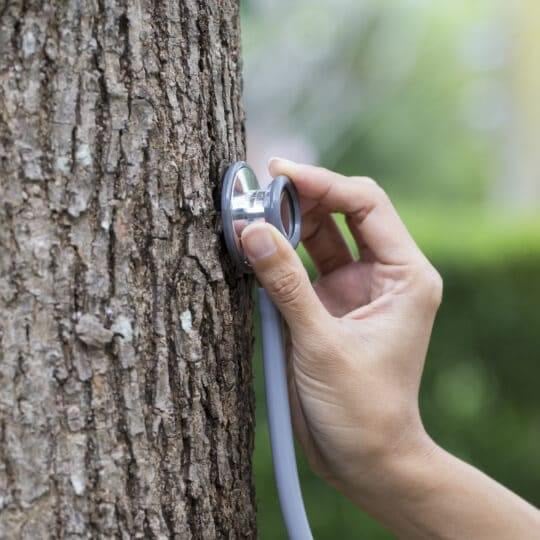
– Comprehensive diagnosis: Our certified arborists perform a thorough health check, including a visual inspection, pest and disease testing, and structural evaluation to determine the tree’s risk level.
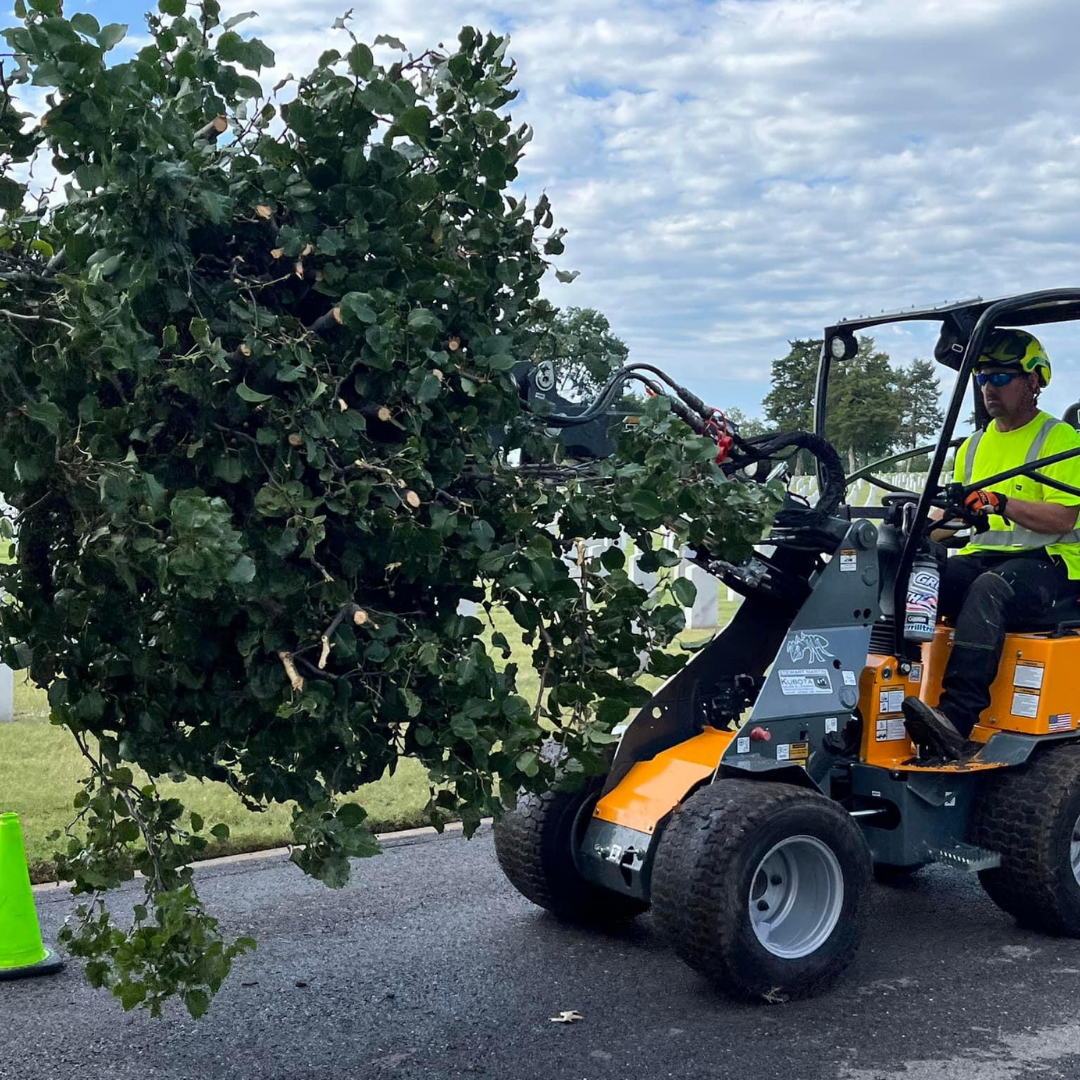
– Safe removal options: When removal is the best course, we provide professional tree removal services that prioritize safety for people and property, as well as efficient cleanup. Learn more about our Tree Removal offering on the Services or Tree Removal page.
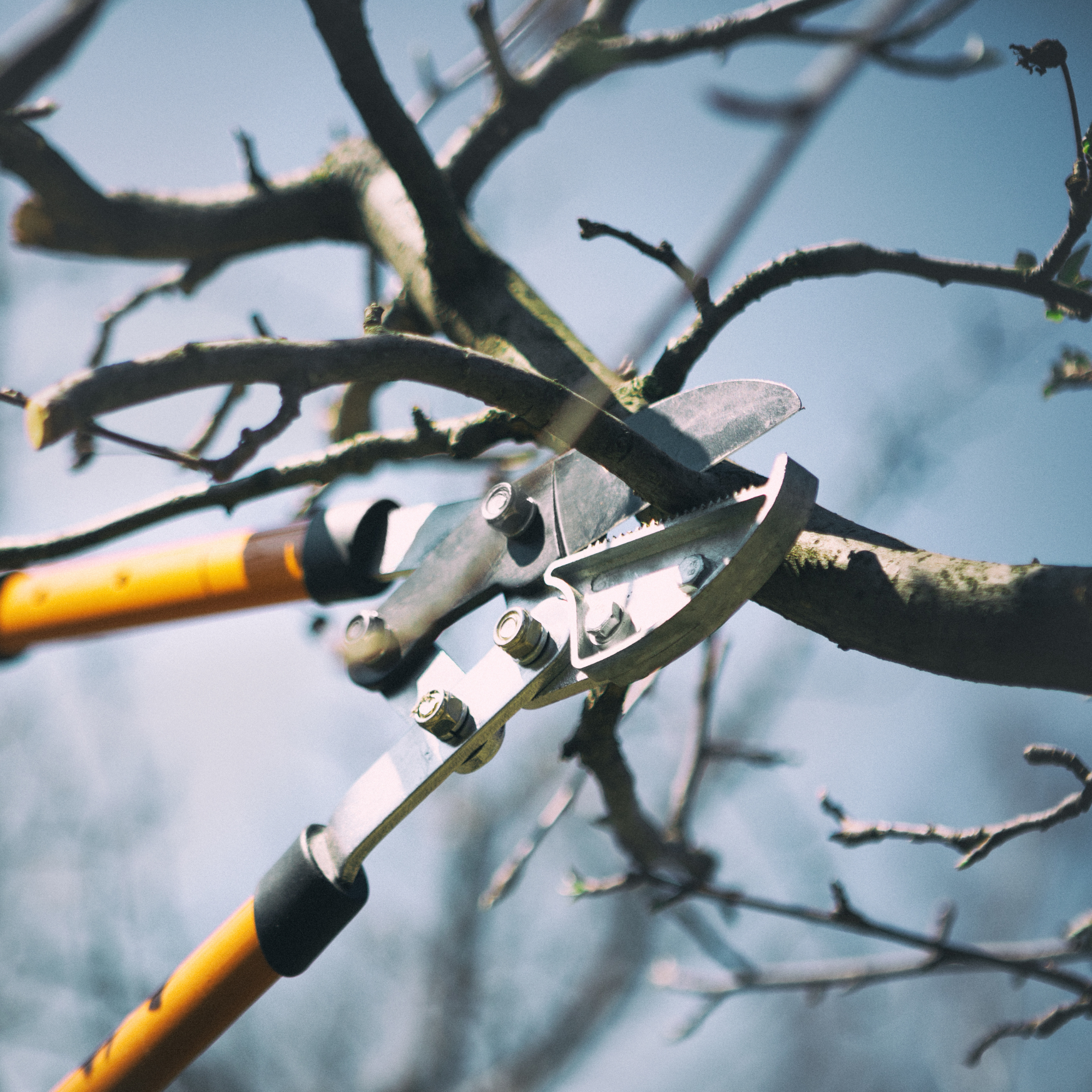
– Pruning and corrective care: If the tree can be saved, we use precise pruning to reduce hazard, improve balance, and support healthy regrowth. This often includes targeted thinning, branch reduction, and cabling where appropriate.
– Disease management and prevention: We identify diseases common to bradford pear trees and implement management strategies to protect surrounding trees and plants, including sanitation and proper pruning techniques.
– Replacement planning: If removal is necessary, we help you plan a replacement strategy with drought-tolerant, disease-resistant species that fit your landscape goals. Explore our replacement and planting guidance by visiting our Services section.
– Ongoing landscape health: Beyond the bradford pear tree, we offer a full suite of services to maintain landscape health, including seasonal care, soil analysis, and irrigation recommendations. See about us and services pages for a broader view of our capabilities.
Internal connections and how we help your landscape (linking to relevant pages)
– For service details and process steps, review our comprehensive service offerings at our Services page.
– To learn about how we handle all types of removal projects, including hazardous situations, visit our Tree Removal page.
– If you’re focused on shaping and maintaining a healthy canopy, our Tree Trimming services can help improve structure and reduce risk.
– To understand our team and philosophy, the About Us page provides insight into our certification standards and client-first approach.
– Ready to take the next step? Contact us today to schedule a diagnostic visit and discuss options for your bradford pear tree.
Maintenance strategies after addressing a bradford pear tree issue
If the decision is to remove or prune, you’ll want a plan to preserve or enhance your landscape moving forward. Consider these steps:
– Replace with resilient varieties: Choose species with higher disease resistance and compatible growth habits for your site.
– Soil and drainage improvements: Poor soil conditions can stress trees and invite diseases. A soil test and targeted amendments can bolster long-term health.
– Regular inspections: Schedule annual or biannual checkups to catch issues early and prevent costly hazards.
– Mulch and irrigation management: Proper mulching and irrigation practices support root health and reduce disease pressure.
– Protective treatments: In some cases, preventative treatments can reduce disease incidence for neighboring trees.
These maintenance strategies work best when guided by professionals who understand how the bradford pear tree interacts with your landscape. Our team can tailor a plan that fits your goals and budget, balancing safety, aesthetics, and long-term value. Learn more about how we approach landscape health on our About Us and Services pages, and reach out to discuss your specific situation.
Step-by-step plan for homeowners facing potential bradford pear tree hazards
1) Schedule a professional assessment with certified arborists to determine live risk and options.
2) Review the findings and discuss whether removal, treatment, or pruning is the best course of action.
3) If removal is chosen, coordinate a safe, compliant removal plan and site cleanup.
4) Develop a replacement strategy that suits your landscape design and climate.
5) Implement ongoing maintenance to monitor health and prevent future hazards.
6) Reassess periodically to ensure your landscape remains safe, healthy, and beautiful.
This practical plan helps homeowners approach bradford pear tree issues with clarity and confidence. Our team at Davis Family Arbor is ready to guide you through each step, from initial diagnosis to final outcomes. For a detailed walkthrough of our approach, you can explore the services section and contact page to begin the conversation.
Avoiding common mistakes and misconceptions
– Waiting too long to assess risk can turn a manageable issue into a dangerous situation. Early evaluation is essential for bradford pear tree health.
– Believing that cosmetic changes alone will fix structural problems is a mistake. Structural integrity is critical for safety and long-term landscape health.
– Assuming all problems can be treated without removal is risky for trees with advanced decay or severe disease; our arborists will provide an honest recommendation based on safety and value.
– Underestimating the value of professional pruning and maintenance can lead to accelerated decline. Regular care from qualified arborists extends the life of your landscape.
Conclusion: take action for a safer, healthier landscape
Is your bradford pear tree at risk? The best course of action is to seek a professional assessment from Davis Family Arbor. Our certified arborists bring decades of experience diagnosing bradford pear tree health issues, identifying hazards, and delivering practical solutions that protect your property and enhance landscape beauty. Whether you need removal, pruning, or a carefully planned replacement, we are here to help with clear guidance, transparent pricing, and reliable service.
If you’re ready to understand your options and reduce risk on your property, contact Davis Family Arbor today. Schedule a diagnostic visit, review your plan with our experts, and start restoring the health and safety of your landscape. Our team is ready to assist with services such as Tree Removal, Tree Trimming, and comprehensive landscape care. To begin, reach out through our contact page or call to speak with a member of our team. Your bradford pear tree deserves expert care, and you deserve a landscape that is safe and stunning.