




Blog Title
Is Tree Health Inspection Essential for Tulsa Green Country Trees?
SEO Meta Description
Tree-health-inspection-tulsa-ok-green-country: Certified arborists offer health checks, safe removal, and proactive care in Tulsa Green Country. Call today.
Suggested Slug
tree-health-inspection-tulsa-ok-green-country
Full Blog Content
H1 Is Tree Health Inspection Essential for Tulsa Green Country Trees?
Introduction
In the climate of Tulsa Green Country, trees face a unique blend of heat, moisture fluctuations, storms, and pests. A healthy tree isn’t just about looking green; it’s about understanding the signals behind stress, disease, or structural weakness before they become costly problems. For residents and property owners, a proactive approach to tree care can save trees, protect landscapes, and improve safety. This is where tree-health-inspection-tulsa-ok-green-country becomes more than a catchphrase—it’s a practical service that helps you safeguard your outdoor spaces through informed, professional assessment. In this article, you’ll learn what a thorough tree health inspection involves, why it matters for Tulsa Green Country environments, and how Davis Family Arbor helps you maintain vibrant, safe trees year after year.
H2 Why tree health inspection matters in Tulsa Green Country
Tulsa Green Country presents a dynamic mix of seasonal weather, strong winds, and periodic droughts. Trees respond to these conditions in ways that aren’t always obvious to the untrained eye. A tree-health-inspection-tulsa-ok-green-country is not a one-time check; it’s a strategic approach to detect early warning signs of decline, including pests, diseases, structural risks, and root problems. Early detection gives you options that are safer, more affordable, and often less disruptive than late-stage interventions.
Common stress signals that warrant a professional look include thinning canopies, deadwood, uneven growth, oozing bark, and unexplained staining on trunk or branches. But some issues hide in plain sight: interior decay, root competition, or soil compaction that reduces water and nutrient uptake. By conducting a comprehensive inspection, a certified arborist can distinguish benign changes from serious conditions and outline steps to restore vigor or prevent failure. If you’re considering how to protect your landscape in Tulsa Green Country, a thoughtful tree health inspection should be part of your annual maintenance plan.
H3 The role of signs, symptoms, and context
Within the framework of tree-health-inspection-tulsa-ok-green-country, the context matters as much as the signs. A healthy color in a stressed season can be normal; a sudden leaf drop after a storm may signal a different problem. That is why a professional inspection combines visual assessment with an understanding of species tendencies, soil conditions, watering practices, and recent weather events. The goal is to separate normal seasonal changes from indicators of deeper concerns, and to tailor a care plan that respects your landscape’s aesthetics and safety.
H2 What a professional inspection includes
A thorough tree health inspection follows a structured process designed to uncover both visible and hidden issues. Here are the core components you can expect when you engage a qualified arborist for tree-health-inspection-tulsa-ok-green-country:
– Visual canopy and structure assessment: Evaluating leaf color, density, twig growth, crown balance, and stem integrity to identify early stress or incipient defects.
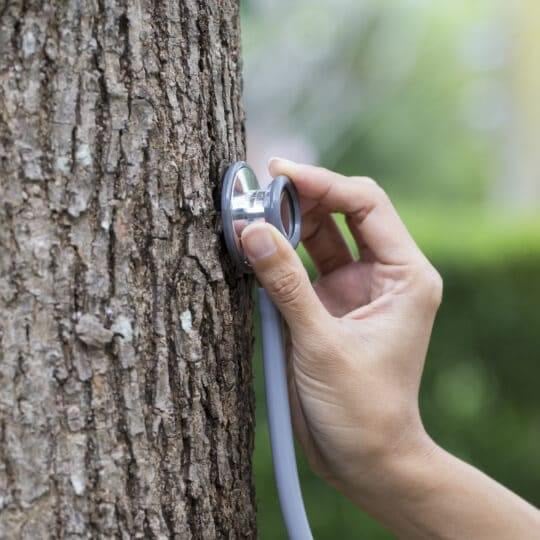
– Trunk and bark evaluation: Checking for cankers, cracks, cavities, oozing areas, and signs of decay that compromise strength.
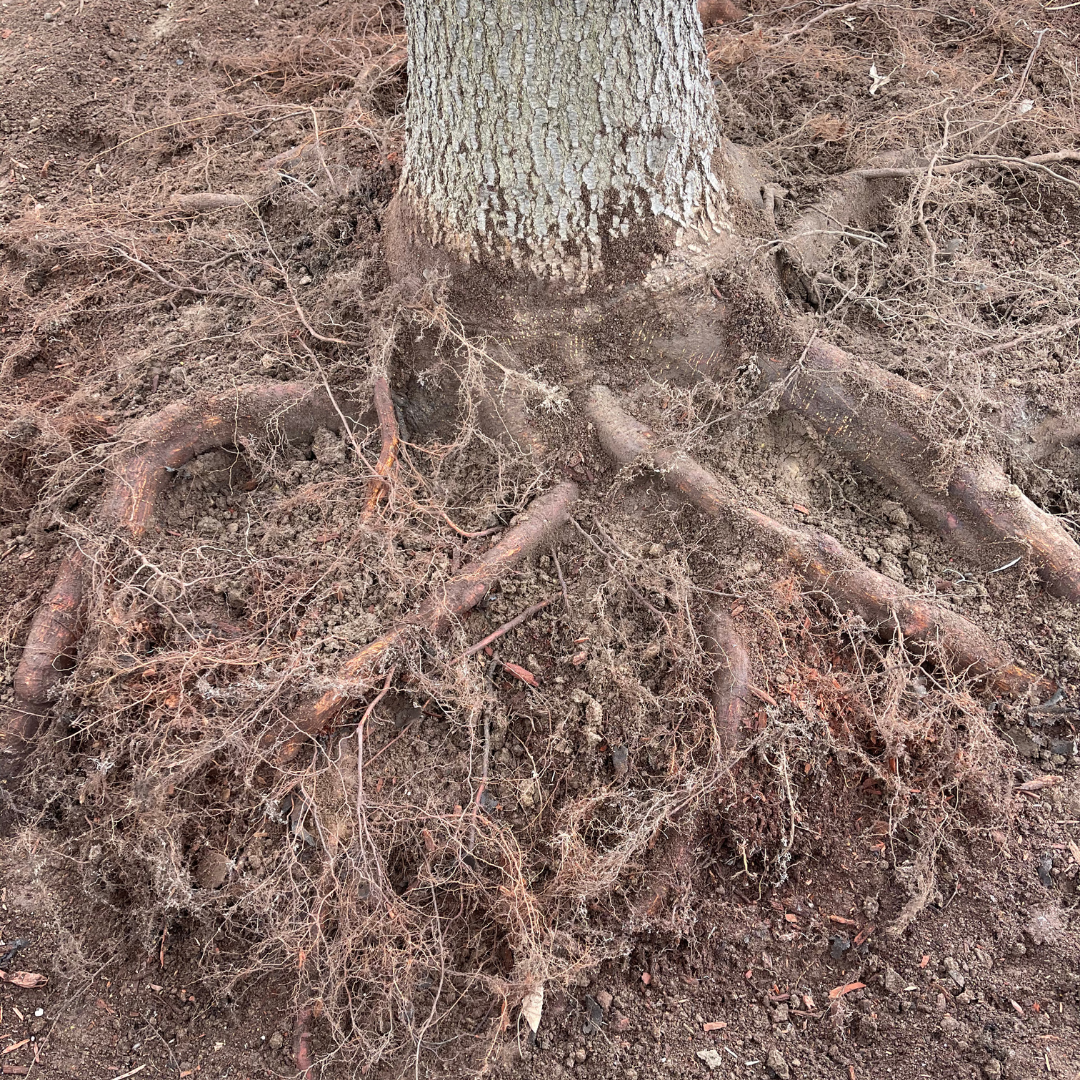
– Root zone examination: Assessing root growth, soil moisture, compaction, and signs of girdling roots or root rot that can undermine stability.
– Pest and disease screening: Detecting invasive insects, fungal diseases, or viral symptoms that threaten vitality.
– Risk assessment and maintenance planning: Rating potential failure risks and outlining corrective actions, including pruning, soil amendment, or targeted treatments.
– Diagnostic testing when needed: In some cases, technicians may use soil tests, moisture checks, or samples to confirm disease or nutrient deficiencies.
– Documentation and follow-up plan: Providing a written summary, photographs, and a clear schedule for subsequent checks or interventions.
Anchor: If you’d like a comprehensive overview of our offerings, visit our tree care services page to see how tree health inspection fits with other essential work. This helps ensure your landscape receives cohesive, coordinated care.
H2 Benefits of regular inspections in Tulsa Green Country
Regular tree health inspections deliver tangible advantages for homeowners, municipalities, and commercial properties alike. Here are the top reasons to schedule routine checks:
– Early problem detection: Identifying pests, diseases, or structural weaknesses before they escalate.
– Safer landscapes: Addressing defects that could lead to branch failure during storms or heavy winds.
– Cost efficiency: Treating issues in their early stages is typically less expensive and less disruptive than emergency removals or extensive restorations.
– Prolonged tree life: Proactive care supports vigorous growth and resilience, preserving canopy health and property value.
– Informed maintenance planning: A plan based on professional assessment helps you budget for pruning, fertilization, irrigation upgrades, and soil remediation.
– Better decisions on tree removals: When removal is unavoidable, a professional diagnosis ensures the decision is necessary and performed safely. Learn more about safe removal options on our Tree Removal services page.
H2 When to schedule an inspection and how often
– Annually as part of routine landscape maintenance to monitor overall health and performance.
– After severe weather events such as storms or heavy winds, which can cause hidden damage.
– When you notice sudden changes in foliage color, leaf drop, or unnatural growth patterns.
– If you’re planning major landscape updates, new plantings, or construction that could affect root systems or soil health.
– Following disease or pest outbreaks in your area to establish a baseline and containment strategy.
A practical cadence helps you stay ahead of problems. For ongoing care, align with your local climate and the species you have on site; our team can tailor a schedule that fits your property and budget. If you want to see how this aligns with a broader strategy, explore our About Davis Family Arbor page to learn about our approach and credentials.
H2 The Davis Family Arbor difference: certified