




Introduction
Few native trees offer the charm and resilience that the oklahoma redbud tree does in our local climate. Its spring blossoms paint yards with pink and purple, inviting pollinators and adding curb appeal. But to keep this beautiful tree healthy and thriving, you need expert care that understands the unique needs of the oklahoma redbud tree. At Davis Family Arbor, we specialize in comprehensive health checks, careful pruning, and fast removal when necessary. If you’re looking to protect the beauty and longevity of your oklahoma redbud tree, a professional assessment now can prevent costly problems later.
Understanding the Oklahoma Redbud Tree
The oklahoma redbud tree is a popular choice for Oklahoma landscapes, prized for its early bloom, graceful form, and relatively compact size. To keep it vibrant year after year, homeowners should know a few basics about its biology and preferences.
Key characteristics
– Growth habit: Medium-sized, deciduous tree with a canopy that often remains open and airy.
– Bloom timing: Early spring flowers appear before or as the leaves emerge, creating a striking display.
– Light and soil needs: Adapts to a range of soils but prefers well-drained soil and full sun to partial shade.
Common challenges
– Environmental stress: Oklahoma’s hot summers and occasional droughts can stress oklahoma redbud trees, leading to scorched leaves or reduced flowering.
– Pests and disease: aphids, scale, and fungal issues can affect the health and appearance of the tree if not caught early.
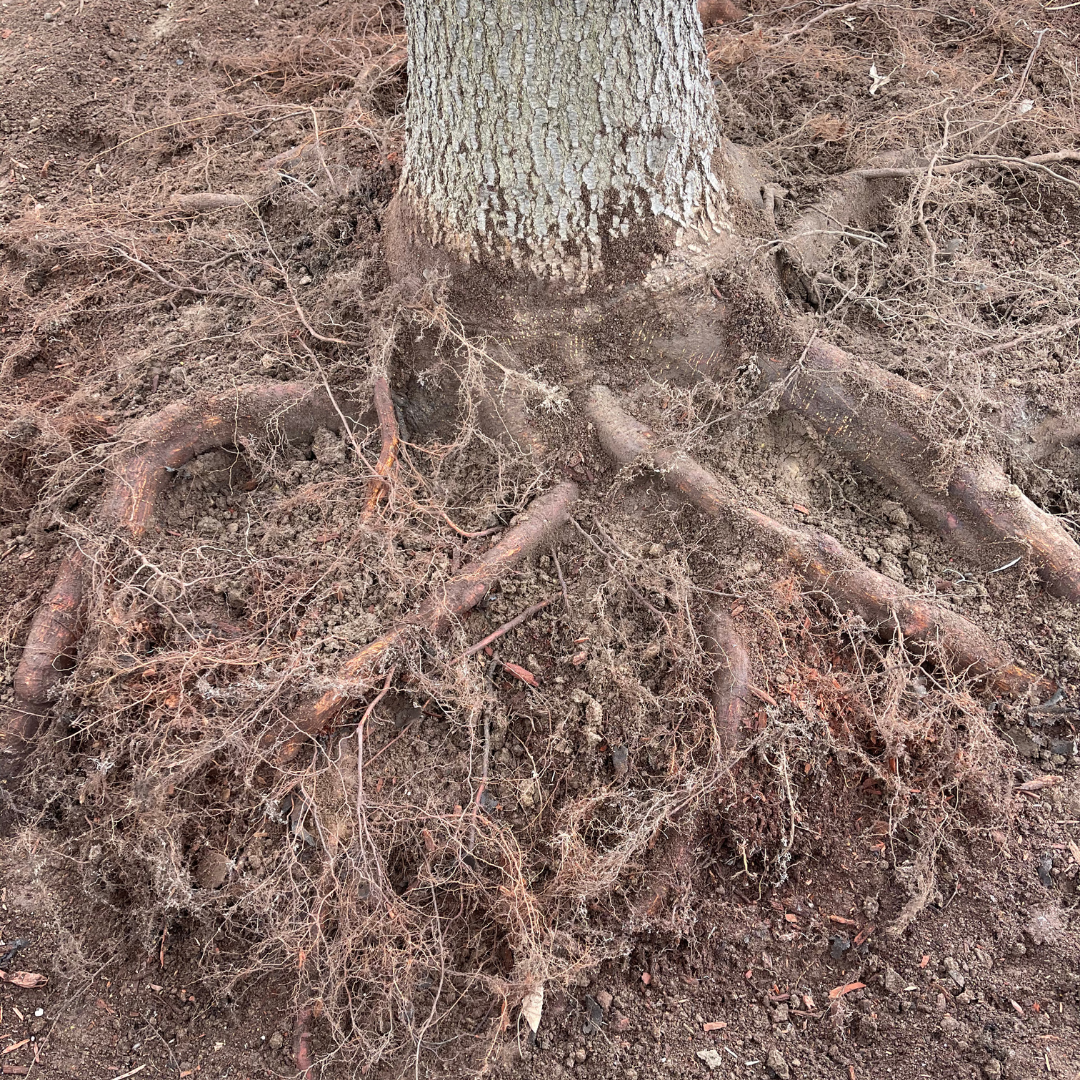
– Structural concerns: crossing branches, weak crotches, or root competition near sidewalks and foundations can shorten the tree’s lifespan if left unaddressed.
By understanding these factors, you can spot trouble early and work with a qualified arborist to preserve the beauty of the oklahoma redbud tree.
Care Essentials for the Oklahoma Redbud Tree
Healthy oklahoma redbud trees require a balanced routine that respects their seasonal needs. Here are practical, easy-to-implement guidelines.
Watering and moisture management
– Establish a deep, infrequent watering pattern rather than frequent light watering.
– During hot summers, aim for thorough soakings every 7–14 days, allowing the soil to dry slightly between sessions.
– Monitor soil moisture at root depth; if the soil stays constantly soggy, you may be overwatering, which can lead to root rot and other problems.
Mulching and soil health
– Apply a 2–4 inch layer of organic mulch around the dripline, keeping mulch a few inches away from the trunk.
– Mulch conserves moisture, moderates soil temperature, and reduces weed competition.
– If your soil lacks organic matter, consider a slow-release, balanced fertilizer in early spring after the tree has emerged from dormancy.
Pruning and shaping for health
– Pruning is most effective after flowering ends, typically in late spring to early summer, to minimize stress and encourage vigorous growth.
– Remove only dead, damaged, or crossing branches first; then assess the canopy for better light penetration and air circulation.
– Avoid removing more than 25% of the tree’s canopy in a single year, as aggressive pruning can stress the tree and reduce bloom in subsequent seasons.
Seasonal care reminders
– Spring: monitor for signs of new growth, check for pests, and perform light pruning after blooms fade.
– Summer: maintain even moisture, watch for drought stress, and protect trunk flare from mulch compaction.
– Fall: clean up fallen leaves to reduce disease pressure and prepare the root zone for winter.
– Winter: inspect for structural issues and plan any corrective pruning ahead of the next growing season.
Pest and disease prevention for the oklahoma redbud tree
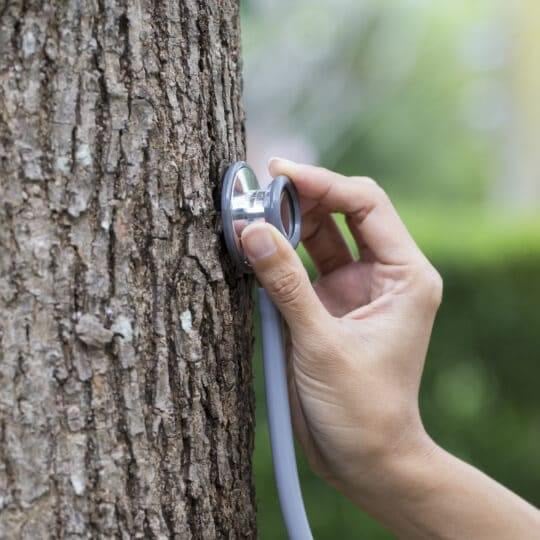
– Regular health checks help catch issues before they spread. Look for unusual leaf discoloration, early leaf drop, honeydew on leaves, or cankers on branches.
– Encourage beneficial insects and avoid broad-spectrum pesticides that can disrupt the ecosystem around your tree.
– If you notice persistent problems, it’s wise to consult a certified arborist who can recommend targeted treatments and culturally appropriate care.
Pruning and health: keeping your oklahoma redbud tree vigorous
Pruning is not just about aesthetics; it’s a health-first practice that supports structure, air flow, and vitality. A well-timed, precise prune can reduce disease risk and improve long-term performance.
Pruning goals
– Remove dead or diseased wood to prevent the spread of pathogens.
– Correct structural issues such as weak crotches or narrow angles between limbs.
– Improve light penetration and air movement within the canopy to reduce fungal problems.
Techniques for best results
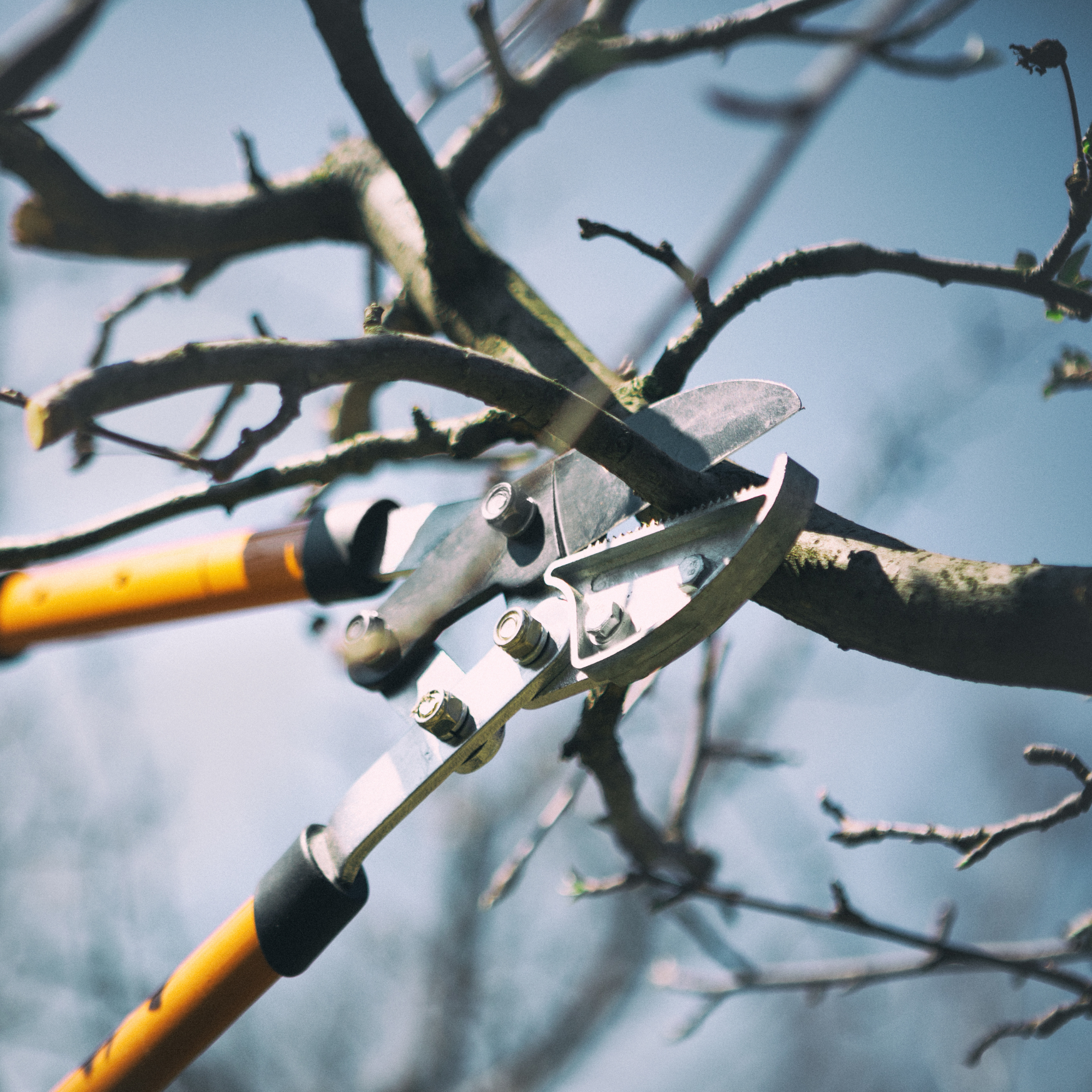
– Use clean, sharp pruning tools to make clean cuts that heal well.
– Make cuts just outside the branch collar to preserve the tree’s natural healing process.
– When dealing with larger limbs, consider partial cuts in stages to avoid tearing or creating unnecessary stress.
When to seek professional help
– If you notice significant dieback, unusual resin exudation, or rapid canopy decline, it’s time to bring in an expert.
– For the oklahoma redbud tree, professional pruning can ensure proper spacing and form, especially if nearby structures or utilities complicate access.
Removal: when the oklahoma redbud tree must go
Removal can be a difficult decision, but sometimes it’s the safest or most economical choice for people and property. Reasons you might need removal include severe disease or decay, structural failure, damage from storms, or proximity to buildings and power lines that makes ongoing risk unacceptable.
What the removal process looks like with Davis Family Arbor
– Comprehensive health checks lead to an informed decision about whether removal is truly necessary.
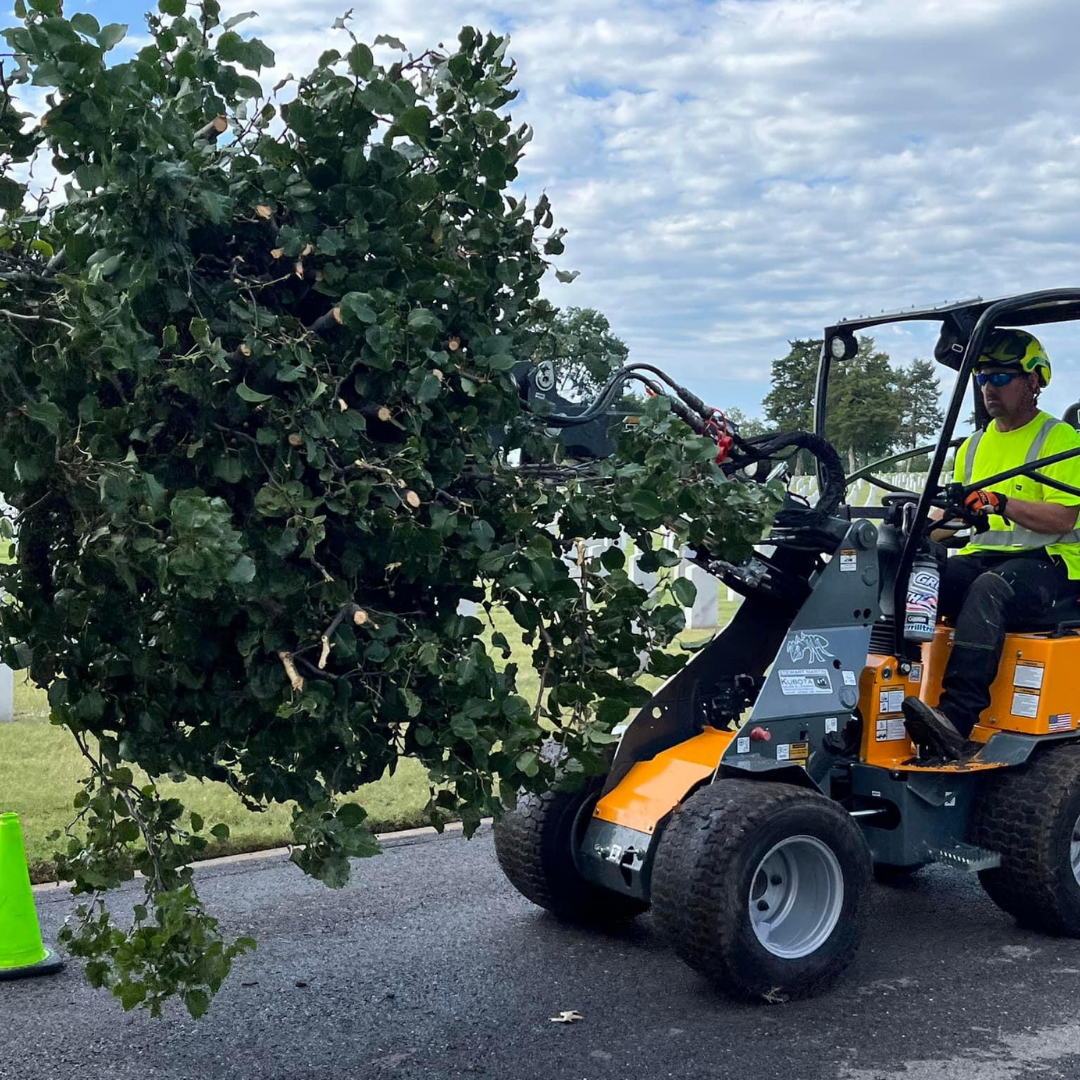
– When removal is required, we perform careful planning, safety assessments, and efficient execution to minimize disruption to your property.
– We offer fast removal when needed, while also presenting alternatives such as replanting with a suitable tree to preserve landscape aesthetics.
Preservation-first alternatives
– In cases where pruning or stabilization can extend the life of the tree, these less invasive options are explored first.
– We can discuss crown reductions, cabling, or bracing for trees that show structural vulnerabilities but still have good overall health.
Why choose Davis Family Arbor for your oklahoma redbud tree
Davis Family Arbor brings local expertise and a track record of delivering reliable, science-based care for the oklahoma redbud tree. Our approach blends education, transparency, and practical solutions tailored to your landscape.
What sets us apart
– Health-first assessments: We begin with a thorough health check to understand the tree’s condition and its impact on your property.
– Thoughtful pruning: Our pruning plans emphasize long-term health, strong structure, and seasonal bloom quality for the oklahoma redbud tree.
– Safe, efficient removal when needed: If removal is necessary, we handle the process with safety, efficiency, and minimal landscape disturbance.
– Transparent communication: You’ll receive clear explanations of our recommendations and the rationale behind them.
– Local expertise: We know the Oklahoma climate, soil types, and typical tree issues that affect the oklahoma redbud tree, which helps us tailor care to your yard.
Internal links for more information
– Learn more about our comprehensive services on our Services page (https://davisfamilyarbor.com/services).
– If removal becomes the best option, see our Tree Removal service page (https://davisfamilyarbor.com/tree-removal).
– For routine maintenance and care, explore Tree Trimming services (https://davisfamilyarbor.com/tree-trimming).
– Get to know our team and philosophy on About Us (https://davisfamilyarbor.com/about-us).
– Ready to discuss your oklahoma redbud tree’s needs? Contact us today (https://davisfamilyarbor.com/contact).
Practical steps you can take today
– Schedule a health check: A qualified arborist can identify early signs of stress or disease in your oklahoma redbud tree and recommend next steps. This is particularly important if you’ve noticed leaf discoloration, dieback, or unusual growth.
– Observe bloom and leaf cycles: Note whether blossoms are less abundant or leaves emerge irregularly. These patterns can hint at underlying issues that require attention.
– Monitor soil and moisture: Ensure your tree’s root zone isn’t consistently waterlogged or overly dry, especially during Oklahoma’s hot, dry periods.
– Plan for maintenance: Annual or biannual pruning, combined with seasonal care, helps maintain the tree’s structure and health.
Oklahoma redbud tree care: a long-term partnership
Caring for the oklahoma redbud tree is not a one-time task but an ongoing partnership between you and your arborist. With regular check-ins, you can catch problems early and maintain a tree that enhances your landscape year after year. Davis Family Arbor is dedicated to helping you achieve that goal with expertise, responsiveness, and a commitment to safety and quality.
Conclusion: trust your oklahoma redbud tree with the experts
If you value the beauty and health of your oklahoma redbud tree, you deserve a partner who treats your landscape with care and precision. From initial health checks to careful pruning and, when necessary, fast, safe removal, Davis Family Arbor provides the full spectrum of services you need. Contact us today for a free quote and let our team evaluate your oklahoma redbud tree’s condition, outline a care plan, and help your tree thrive. For service details, schedule, and tailored recommendations, reach out through our Services, Tree Removal, Tree Trimming, About Us, and Contact pages. Your oklahoma redbud tree deserves nothing less than professional, local, and reliable care.