




Root rot is more than a surface issue. It erodes the foundation of a tree, stealing vigor from the root zone and quietly undermining long-term health. When you notice wilting leaves that don’t respond to watering, poor growth, or sudden dieback, root rot may be the culprit. At Davis Family Arbor, our certified arborists diagnose root rot with precision and develop restoration plans that prioritize the tree’s safety, stability, and future growth. If you’re worried about the health of your trees, learn how root rot develops, how it is treated, and how our team helps you protect your landscape.
Root rot in Trees: Why it Happens and Why It’s a Priority
Root rot describes disease conditions caused by soil-borne fungi and pathogens that attack the root system. When roots are compromised, a tree can no longer take up water and essential nutrients effectively, which leads to a cascade of symptoms above ground. Left unchecked, root rot can spread and compromise structural integrity, increasing the risk of branch failure during storms.
Key drivers of root rot include poor drainage, overwatering, compacted soil, and environmental stress. In many landscapes, a combination of heavy rainfall events, seasonal drought cycles, and limited root zone oxygen creates an ideal environment for pathogens like Phytophthora and Armillaria to establish and proliferate. Understanding these factors helps homeowners and property managers make better decisions about watering, soil health, and pruning practices that reduce the likelihood of root rot taking hold.
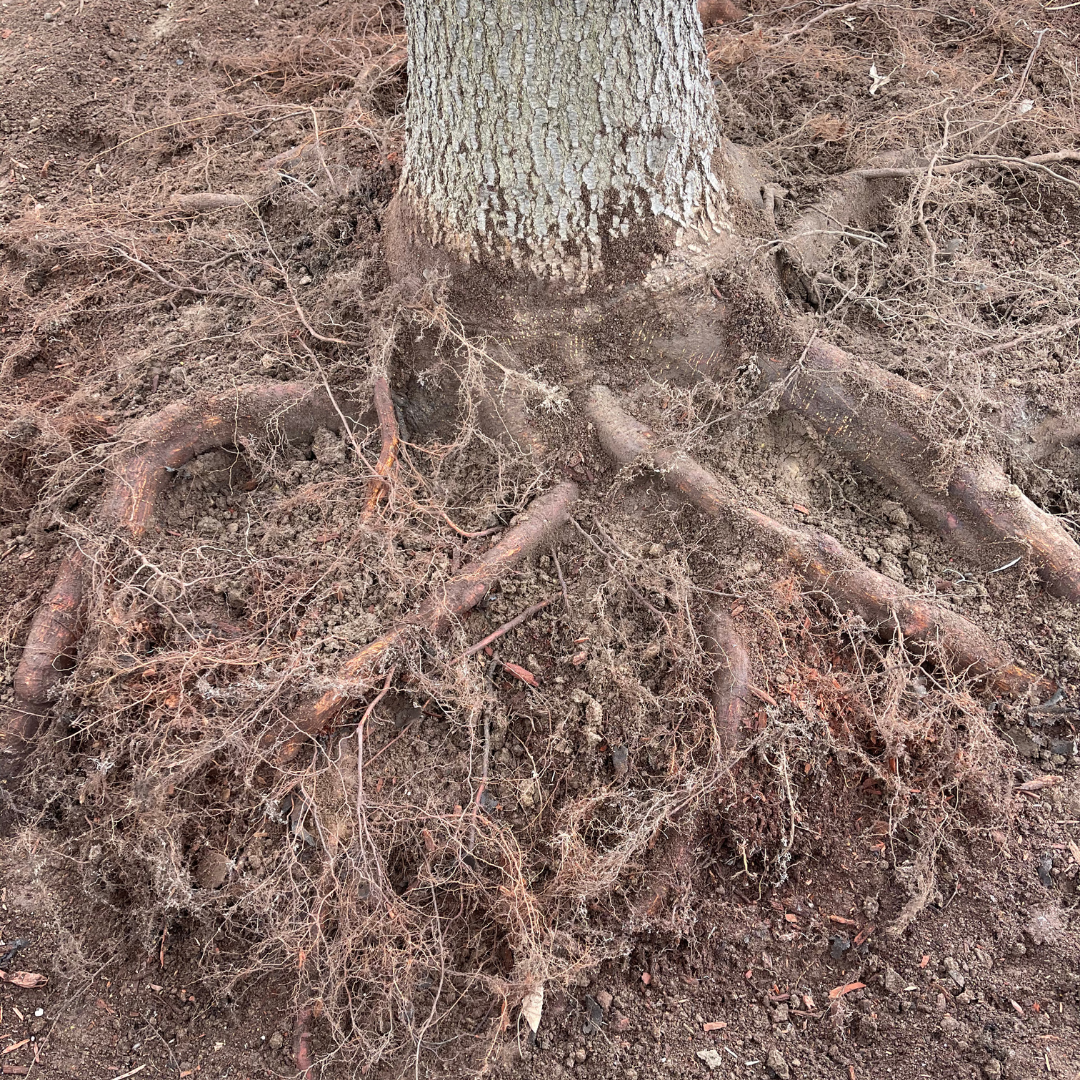
Early warning signs of root rot often appear at the canopy or near the base of the tree. Look for leaf yellowing, scorch-like scorch marks on foliage, reduced vigor, and sparse or irregular leaf flush. On closer inspection, the soil around the trunk may stay consistently damp, the roots may appear discolored or rotten, and you might notice an unusual odor coming from the root zone. Mushrooms at the base of the tree or signs of fungal growth can also indicate underlying root health issues related to root rot. Recognizing these signs early improves the odds of successful intervention, and that’s where Davis Family Arbor excels in proactive detection and targeted treatment.
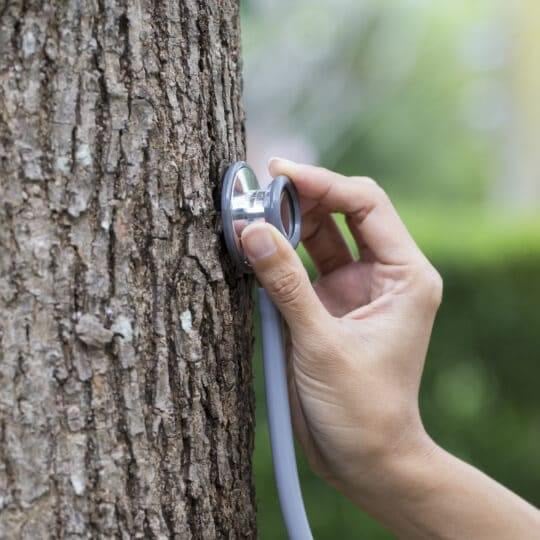
Diagnosing root rot requires a careful, systematic approach. Visual inspection is essential, but it’s not the whole story. A trained arborist combines on-site assessment with soil and root sampling, sometimes sending samples to a lab for confirmation. This enables us to distinguish root rot from other conditions with similar above-ground symptoms, such as nutrient deficiencies, drought stress, or trunk diseases. A precise diagnosis informs a tailored treatment plan that addresses the root cause without unnecessary interventions.
Treatment options for root rot depend on the severity, tree species, site conditions, and the extent of root damage. Our approach emphasizes cultural and environmental improvements in addition to, when appropriate, targeted treatments. What this means for you is a plan that stabilizes the tree, protects nearby structures, and supports future growth.
A Comprehensive Approach to Root Rot: From Diagnosis to Restoration
At Davis Family Arbor, root rot management follows a proven sequence that emphasizes accuracy, safety, and measurable outcomes. Below is a snapshot of what you can expect when you engage our team for root rot management.
Diagnosis: Precise, science-driven assessment
– On-site evaluation by a certified arborist to identify symptoms and potential spread.
– Soil analysis to assess drainage, salinity, pH, and compaction levels that influence root health.
– Root sampling when necessary to determine the depth and extent of infection.
– Collaborative interpretation of findings to establish a clear prognosis.
Treatment planning: A customized strategy
– Prioritized steps to reduce stress on the tree and limit pathogen spread.
– Cultural improvements, such as improving drainage and adjusting irrigation to fit the tree’s needs.
– Soil amendments that promote aeration and a healthier root environment.
– Selection of targeted interventions aligned with the species, age, and landscape context.
Implementation: Timely, careful action
– Drainage enhancements and aeration work to restore oxygen flow to the root zone.
– Prudent irrigation adjustments to avoid overwatering and to prevent waterlogging.
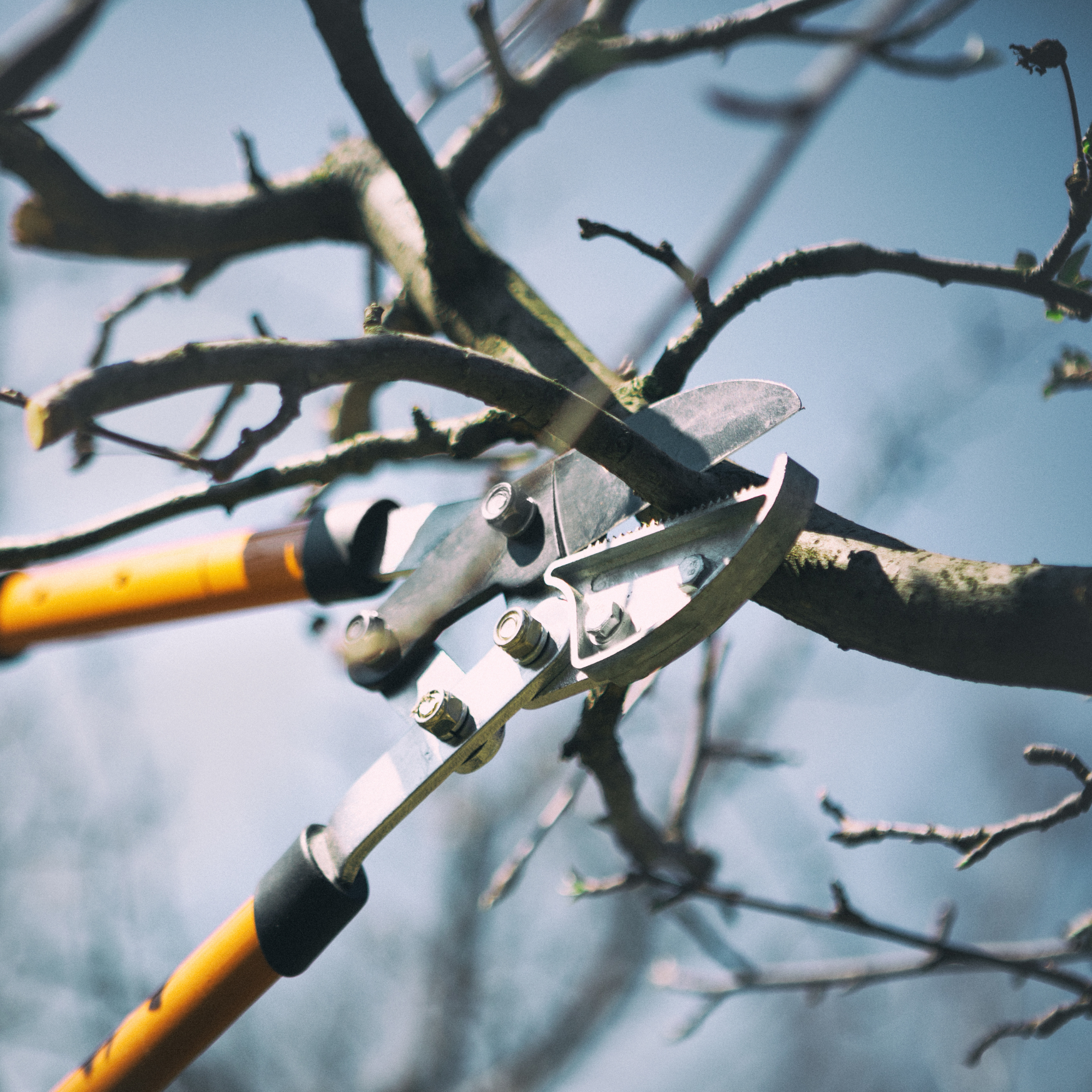
– Pruning or removal of irreparably damaged roots, when appropriate, to prevent secondary infections and promote healthier root regrowth.
– Fungicidal or biological treatments used judiciously where supported by best practices and tree health goals.
Monitoring and follow-up: Ongoing care
– Regular visits to track progress, adjust the plan, and verify that root rot is receding.
– Reassessment after seasonal changes and weather events to catch any resurgence early.
– Documentation and communication with you about outcomes and next steps.
Why early intervention matters for root rot
– Reduces the risk of structural failure in storms by maintaining tree vigor.
– Improves the tree’s ability to recover and reestablish a healthy root network.
– Protects nearby plants, turf, and irrigation systems from contagious soil-borne pathogens.
– Preserves landscape value and ensures long-term vitality for your trees.
Davis Family Arbor’s proven approach to root rot restoration
Our team brings years of experience in diagnosing and treating root rot across a wide range of species and site conditions. We tailor each plan to the unique needs of your landscape, balancing immediate health improvements with long-term resilience. By combining science-based diagnostics with practical cultural practices, we help your trees regain strength while keeping your property safe and visually appealing.
– Diagnostic precision that distinguishes root rot from other issues and guides effective treatment decisions.
– A focus on drainage improvement and root zone aeration as foundation methods to reduce infection risk.
– Thoughtful pruning strategies that minimize damage and support healthy root regrowth.
– Responsible use of fertilizers or amendments to support recovery without encouraging rapid, unhealthy growth.
– Clear communication and transparency about expected timelines, costs, and milestones.
If you want to learn more about how we approach tree care and root rot specifically, explore our Services and discover how we tailor solutions to your trees. You can also review how our team handles Tree Removal or Tree Trimming when needed to protect overall landscape health. For a better sense of our philosophy and credentials, read About Us, and when you’re ready, contact us to begin with a comprehensive evaluation that includes root health assessment.
Prevention: Keeping root rot from returning
Preventing root rot is often easier than reversing it once it’s established. Adopt a proactive strategy that keeps the root zone healthy and vibrant.
– Enhance drainage around the tree’s root zone. Position irrigation and soil amendments to avoid standing water and compacted soil.
– Mulch properly. Apply a 2 to 4 inch layer of mulch, keeping mulch away from the trunk to prevent moisture buildup at the base.
– Water wisely. Water