



Trees bring beauty, shade, and real value to your property, but when signs of decline or danger appear, you need a trusted expert on your side. For homeowners wondering who to call when a branch is failing or a storm threatens your yard, the role of an arborist is essential. An arborist is not just a gardener; they are trained professionals who diagnose tree health, manage risk, and plan careful removals when necessary. If you’re seeking reliable, evidence-based care for a healthy landscape, you’re in the right place. This article explains why an arborist matters for healthy trees, how emergency tree removal near me situations are handled, and how Davis Family Arbor delivers safety, expertise, and long-term tree health for your property.
Do you really need an arborist for healthy trees?
Healthy trees don’t just happen by accident. They require ongoing assessment, proper pruning, nutrition guidance, and risk management—areas where an arborist’s skill set shines. A certified arborist brings a science-based approach to tree care, considering wood structure, root health, soil conditions, and climate stresses. When a tree shows subtle signs of trouble, early intervention by an arborist can prevent costly failures later. For property owners, this means less emergency work, safer yards, and longer-lasting trees that contribute to property value and curb appeal.
Emergency tree removal near me: what to know
Emergency situations demand swift, professional action. If a storm has caused a downed limb, a leaning trunk, or brackets of decay exposing your home to risk, calling an arborist is a smart first step. An arborist can quickly assess whether a tree poses imminent danger and determine if removal, supporting bracing, or other stabilization measures are needed. In many cases, an arborist coordinates with local authorities and adheres to safety codes to ensure a secure resolution that protects people, pets, and property.
What an arborist brings to your landscape
An arborist offers a comprehensive suite of services designed to maintain tree health and enhance landscape safety. Here are the core capabilities you can expect:
– Diagnostic expertise: A trained arborist identifies diseases, nutrient deficiencies, pests, and structural weaknesses that threaten tree longevity.
– Customized treatment plans: Based on the diagnosis, they recommend pruning schedules, soil amendments, mulching strategies, or targeted treatments.
– Risk assessment: Arborists evaluate wind throw risk, decay, cavities, and lanterning branches to decide whether to prune, cable, brace, or remove.
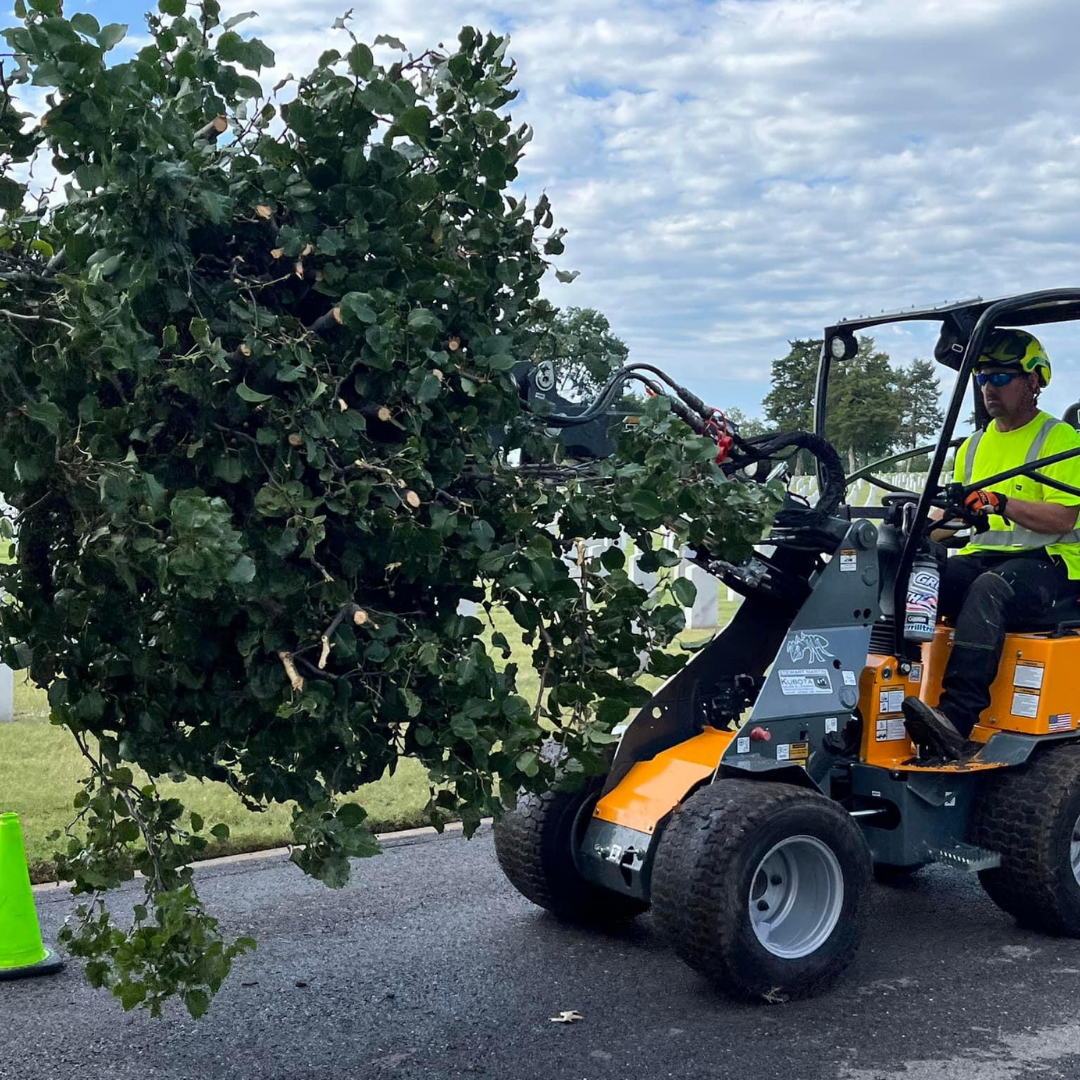
– Safe removal when needed: When a tree cannot be saved, an arborist plans a controlled removal to minimize damage to property and ensure worker safety.
– Preservation-first mindset: Whenever feasible, arborists explore options to save trees through pruning, cabling, or stabilization rather than immediate removal.
– Documentation and permits: For certain large trees or protected landscapes, arborists handle required permits and provide written reports for homeowners or HOA requirements.
Diagnosing tree health: common signs and what they mean
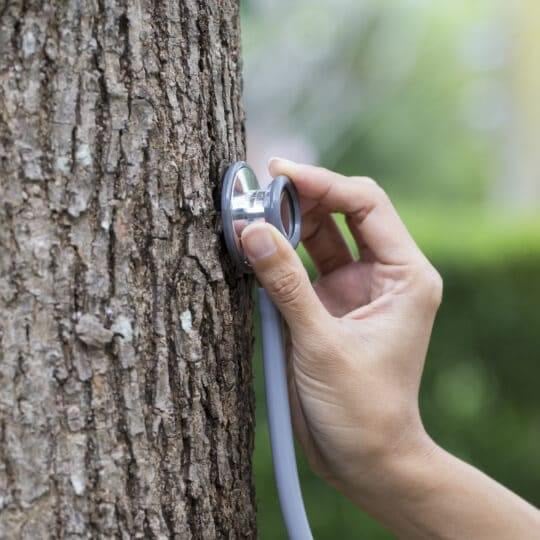
An arborist doesn’t guess when it comes to tree health. They look for clear cues and subtle indicators that suggest underlying problems. Key signs include:
– Dead or interior decay visible in trunks or branches
– Missing or loose bark, cracking, or oozing sap
– Weak crotches, leaning trunks, or cavities that compromise structure
– Fusiform rust, cankers, fungal fruiting bodies, or needle drop patterns
– Deadwood in the crown, excessive shedding, or poor leaf color during the growing season
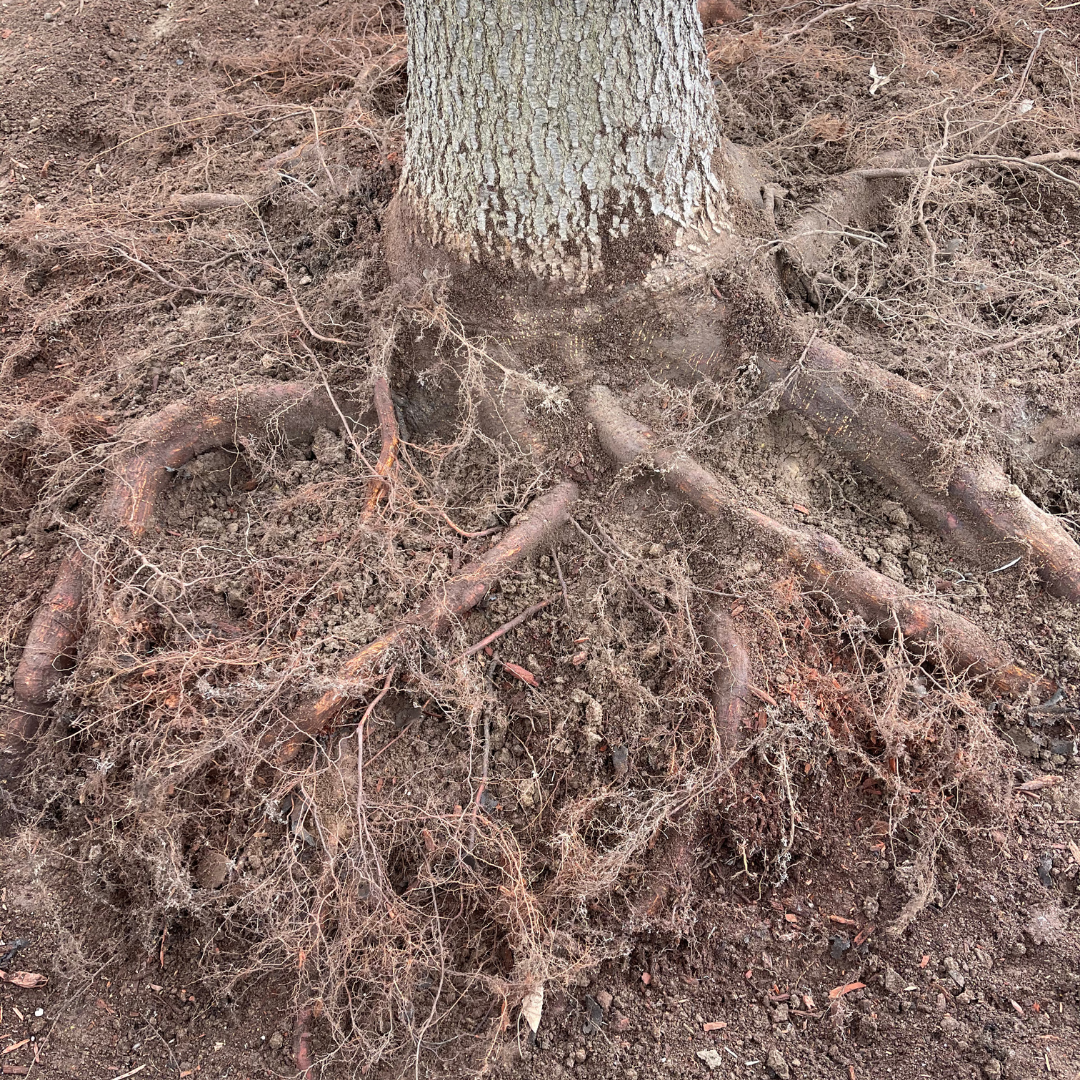
– Root issues such as girdling roots, soil compaction, or poor drainage
If you notice any of these signs, arrange a professional assessment from an arborist to determine the best course of action. Early intervention reduces the risk of sudden failure and supports healthier, longer-lived trees.
The removal decision: risk assessment and process
Deciding whether to remove a tree is a careful, multi-step process. An arborist weighs factors such as structural integrity, location, impact on surrounding structures, and potential hazards to people and pets. In some cases, removal is unavoidable, but every effort is made to preserve the tree through pruning, cabling, or bracing if it’s safe to do so. When removal is necessary, an arborist plans a controlled, safe procedure, coordinates with property owners, and ensures minimal disruption to your landscape.
Our approach at Davis Family Arbor
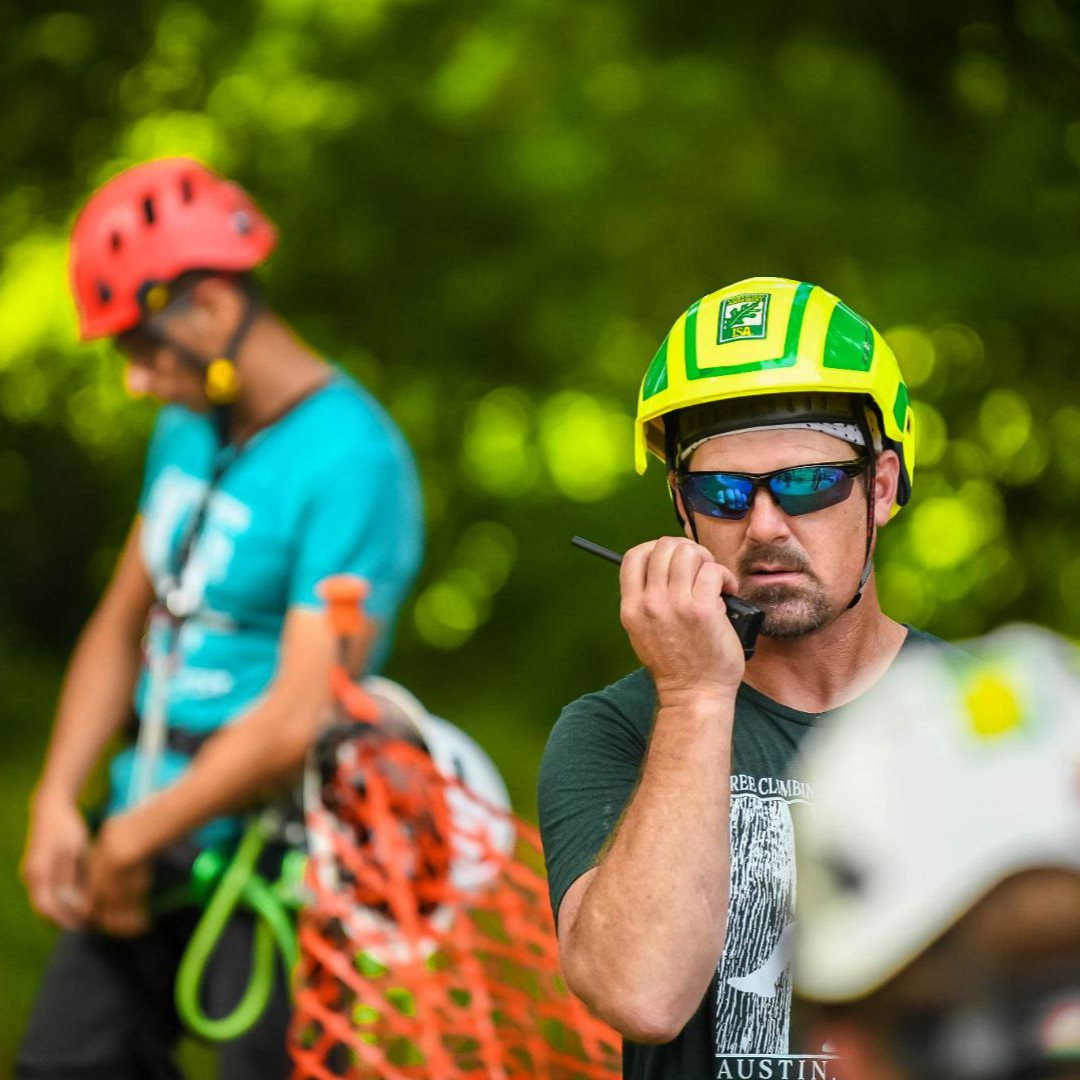
At Davis Family Arbor, our arborist team blends certifications, experience, and a patient, educational approach to every job. We focus on clear communication, safety, and measurable results. From the first contact to project completion, our aim is to protect your property while encouraging healthy trees for years to come.
Initial assessment by a certified arborist
Your project begins with a comprehensive on-site assessment conducted by a registered arborist. They evaluate tree health, structure, soil conditions, and site-specific risks. This assessment informs a written plan that outlines recommended actions, timelines, and any required permits or approvals. The goal is transparency and a clear path to a healthier landscape.
Protection of property and safety first
Safety is non-negotiable in every job Davis Family Arbor undertakes. Our team uses industry-standard equipment, follows strict safety protocols, and implements traffic and work-zone controls when needed. For emergency removals, we act quickly but never compromise on safety or the quality of the work. If you need immediate attention, you can count on our team to respond with urgency and professionalism.
Collaborative planning and ongoing care
We believe in partnering with homeowners to design a care plan that fits both the landscape and budget. After a removal or major pruning, we offer follow-up options to monitor recovery, adjust maintenance schedules, and keep your trees thriving. Our arborist services are designed to provide ongoing value and peace of mind, with a focus on long-term health.
Maintenance and proactive care to keep trees healthy
Prevention is the most cost-effective approach to tree care. Regular inspections, timely pruning, and soil management improve tree vitality and reduce risk. Practical steps to keep trees thriving include:
– Scheduling routine health checks with a certified arborist
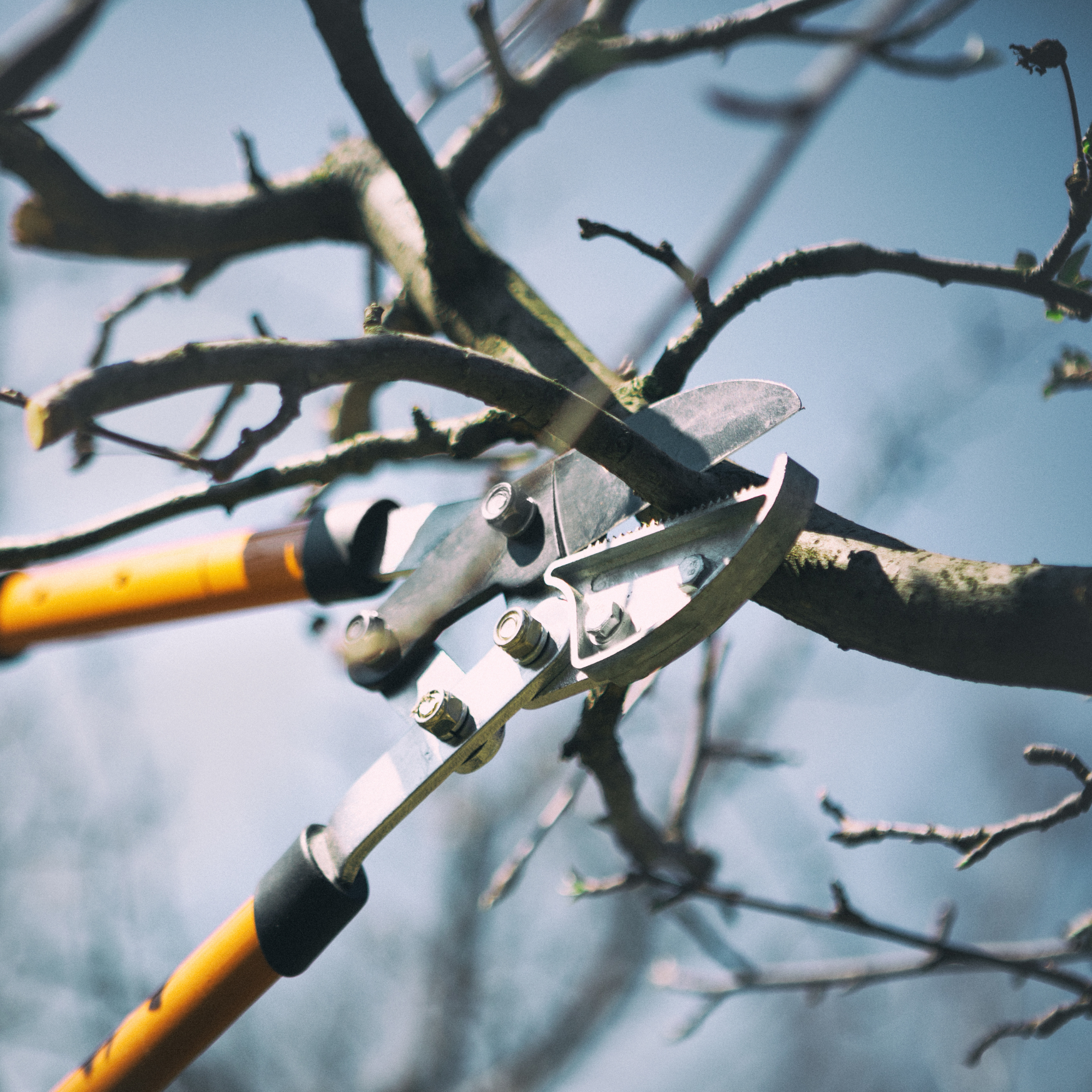
– Maintaining proper pruning cuts that promote balanced growth
– Mulching and soil improvement to support root health
– Irrigation management during drought periods to prevent stress
– Pest and disease monitoring to catch issues early
For homeowners who want ongoing support, our team can tailor a maintenance plan that aligns with seasonal needs and property conditions