




As a landscape evolves, the health of a bradford pear tree can become a source of concern for homeowners. These trees are beloved for their early spring blossoms, compact form, and classic silhouette, but their health and safety profile has changed with time. If you’re weighing whether to keep or remove a bradford pear tree, you’re in good company. At Davis Family Arbor, our certified arborists approach this question with clarity, data, and a focus on long-term landscape health. By understanding the signs, the risks, and the best paths forward, you can make a confident decision that protects your yard and your investment.
Understanding the Bradford Pear Tree and Why Its Health Matters
The bradford pear tree has a storied place in many neighborhoods. It’s fast-growing, provides a pleasing canopy, and showcases showy blossoms in the spring. However, its health and structural stability can pose challenges as the tree ages. The very traits that make the bradford pear tree attractive—dense growth, upright branching, and a tendency toward V-shaped crotches—can contribute to structural weaknesses under certain conditions, including heavy winds or storms. When health declines, problems aren’t limited to one tree; they can affect nearby plants, root systems, and even property safety.
For homeowners, recognizing the balance between beauty and risk is essential. A healthy bradford pear tree supports a robust canopy, clear air flow, and a thriving understory. An unhealthy one can shed large limbs, harbor diseases, and introduce maintenance costs that outweigh the benefits. Our goal at Davis Family Arbor is to help you assess that balance accurately, with a plan that prioritizes tree health, landscape aesthetics, and safety.
Common health concerns and symptoms of the bradford pear tree
Understanding the typical problems that afflict bradford pear trees can help you act promptly. Here are the most common health concerns and the symptoms you should watch for:
– Structural weakness and limb failure: The bradford pear tree is known for weak crotches and limbs that are prone to cracking, especially during storms or heavy snow. If you notice multiple large branches that look under-supported or a canopy that seems top-heavy, it’s a sign to evaluate structural integrity.
– Fire blight and disease predisposition: Fire blight and other diseases can infect bradford pear trees, causing scorched-looking foliage, oozing cankers, or blackened twigs. Infected trees may deteriorate quickly if not addressed.
– Poor canopy quality and thinning: A thinning canopy, thinning foliage in one area, or a sparse overall appearance can indicate root or crown issues, soil stress, or disease.
– Incomplete or uneven growth: Irregular growth patterns, deadwood, or dead zones in the crown are warning signs that the tree is struggling to maintain vigor.
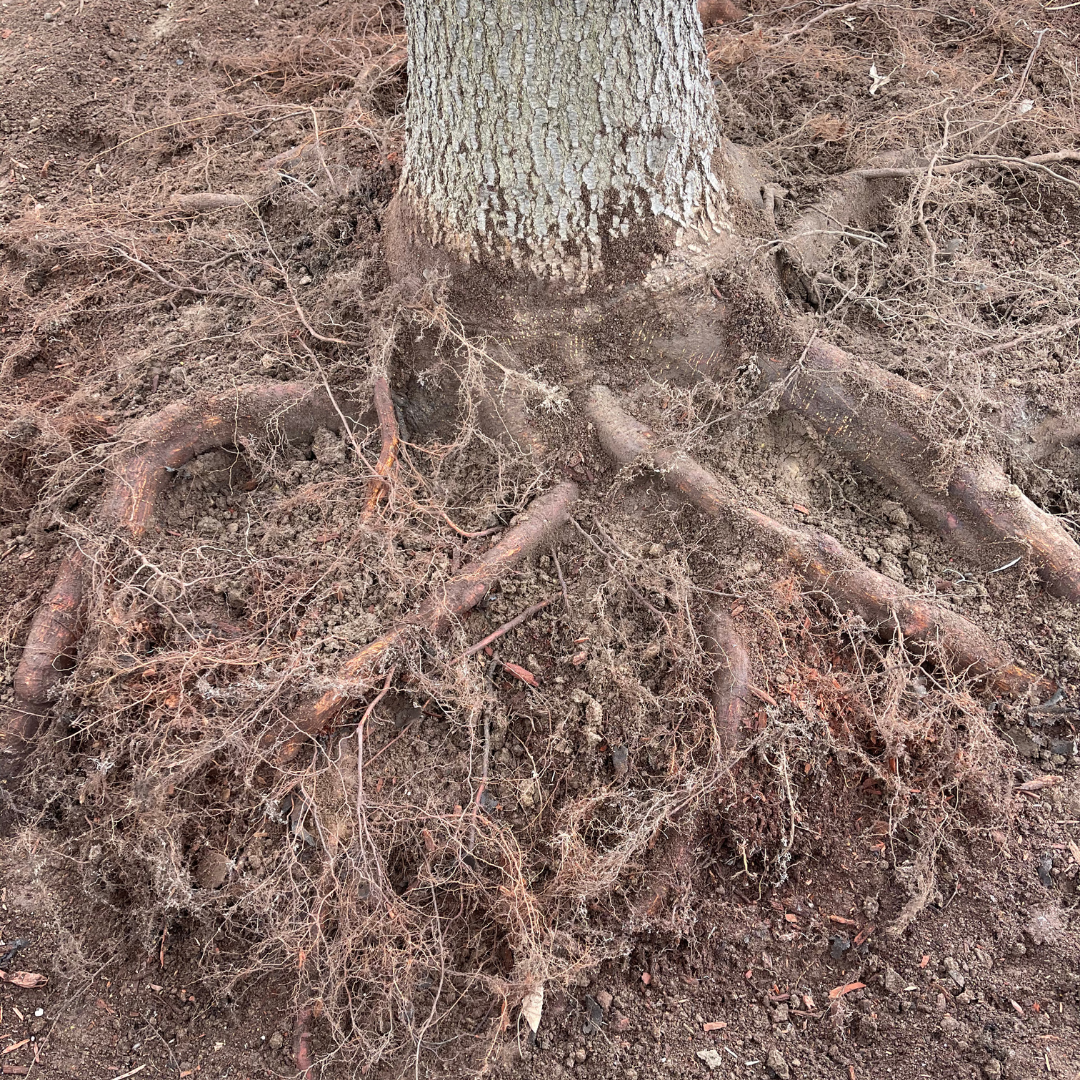
– Root stress and soil issues: Waterlogged soil, compacted roots, or soil that drains poorly can lead to slow growth, dieback, and vulnerability to pests and disease.
– Pest pressure: Scale, borers, or other pests can infest bradford pear trees, further weakening the tree’s health and structure.
If you observe any of these symptoms, a professional assessment is a practical next step. Our team at Davis Family Arbor can perform a comprehensive diagnosis to identify the root cause and determine the best course of action. For a deeper dive into our approach, you can explore our general tree care offerings on this page: Davis Family Arbor’s tree care services.
Should you remove a bradford pear tree? Signs that removal is the best option
Deciding whether to remove a bradford pear tree hinges on safety, liability, and long-term landscape goals. Here are key indicators that removal may be the right path:
– Structural failure or imminent risk: If large limbs are cracked, the trunk shows significant damage, or the tree is leaning in a way that poses a safety risk, removal is often the prudent option to prevent damage to property or harm to people.
– Chronic health problems with limited options: When disease, pests, or root issues persist despite professional treatment, removal can be more cost-effective and reliable than ongoing remediation.
– Incompatibility with desired landscape design: If the tree’s health problems would continually hamper aesthetics or require frequent maintenance, replacement with a healthier species may be a better long-term investment.
– Replacement considerations: If you’re considering a more resilient species that fits your site’s soil, moisture, and microclimate, removal can be the first step in a thoughtful landscape refresh.
If you’re evaluating removal, you’ll want an informed assessment from a qualified team. Our arborists specialize in assessing bradford pear tree health and providing clear guidance on next steps. To learn more about medically appropriate removal options and how we pursue safe, compliant work, you can review our tree removal capabilities on the official page: tree removal services.
What Davis Family Arbor offers for bradford pear tree health
Davis Family Arbor brings a full suite of services designed to protect tree health, ensure safety, and maintain landscape beauty. From careful pruning to precise diagnosis and, when necessary, removal, our team provides thoughtful, evidence-based care. We emphasize safety, proper technique, and transparent communication so you know what to expect at every step.
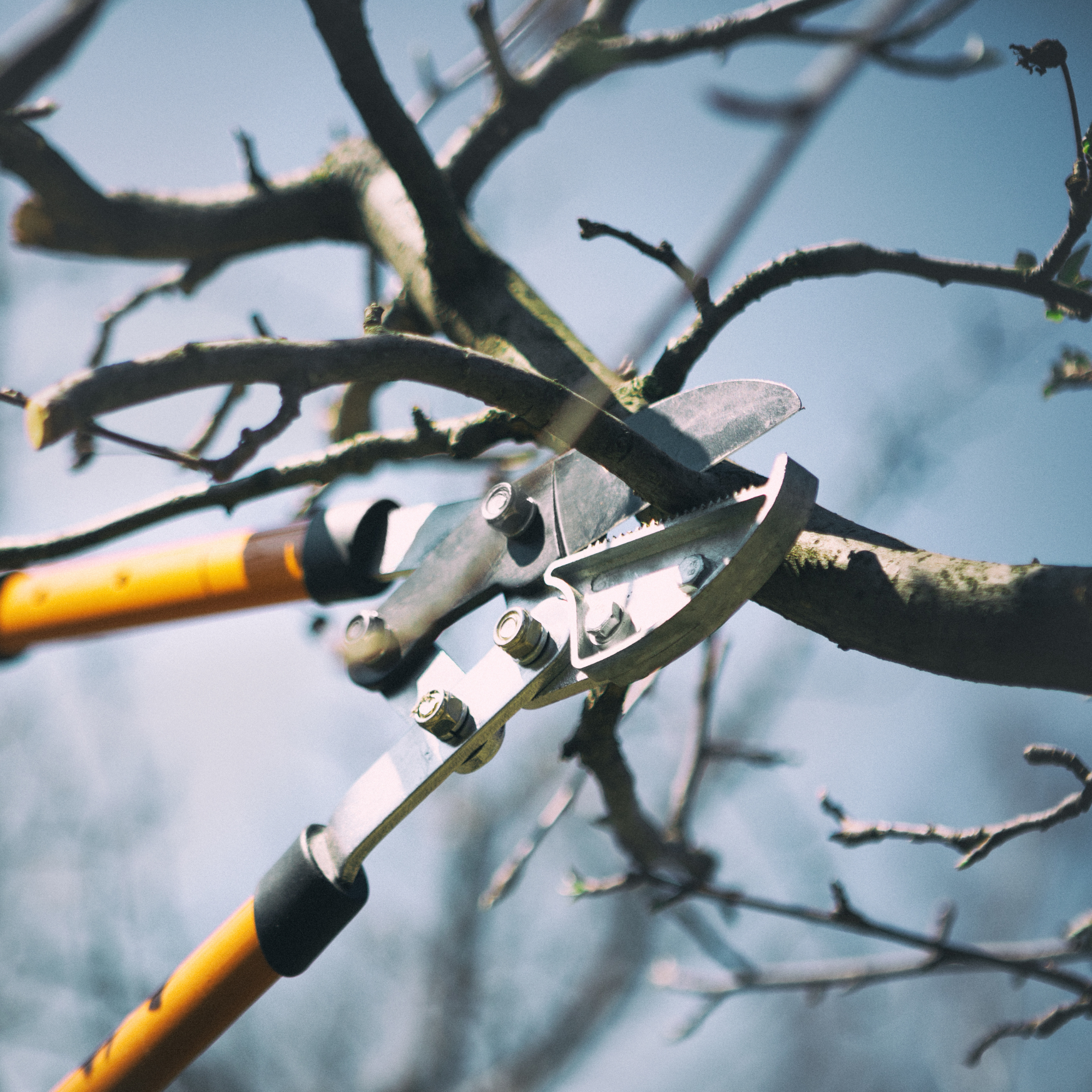
– Safe pruning and crown shaping: Pruning can improve airflow, reduce weight on vulnerable limbs, and extend the life of a bradford pear tree. Our certified arborists use best-practice methods that minimize stress and preserve natural form.
– Diagnostic services: When symptoms arise, a thorough diagnosis helps pinpoint disease, pests, or structural flaws. We combine on-site assessments with targeted testing when needed to determine root causes and appropriate interventions.
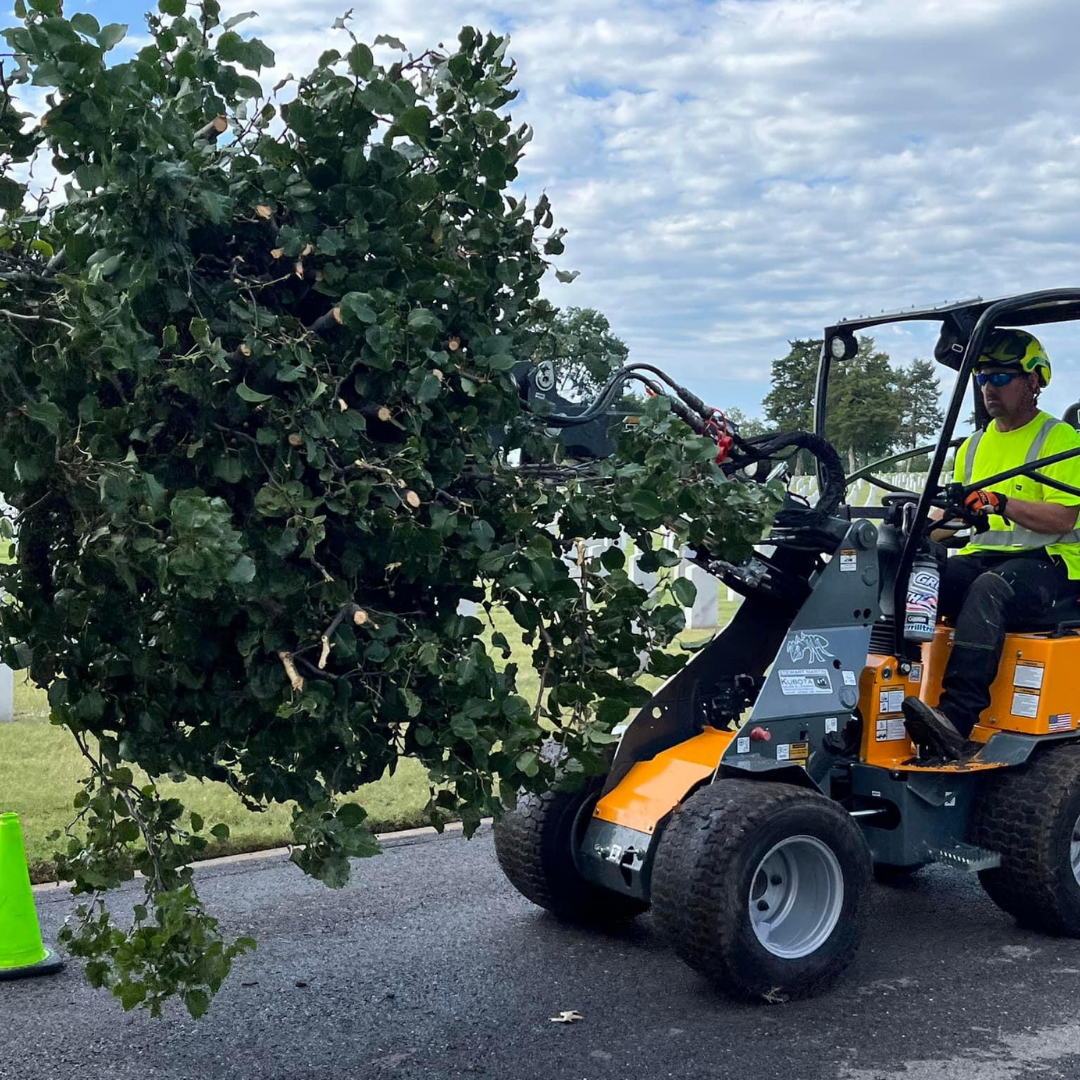
– Removal with care: If removal is the best option, we perform it with strict safety protocols, minimizing impacts on your property and surrounding plants. Our team coordinates with you to plan staging, debris removal, and site cleanup.
– Replacement planning: If a removal is recommended, we can help you select a suitable replacement that fits your site conditions and aesthetic goals. Explore alternatives and planning options on our services page to find ideas that align with your landscape plan.
– Ongoing landscape health: Beyond addressing the bradford pear tree, we offer ongoing care services to maintain soil health, moisture balance, and plant health across your yard. Learn more about how we sustain overall landscape vitality by visiting our services page.
For more context on how we combine pruning, diagnosis, and removal, see how our approach is applied in real-world scenarios on the Trees and Care section of our site. If you’d like to explore our broader capabilities, the About Us page offers background on our team’s training, certifications, and commitment to client education: About Davis Family Arbor.
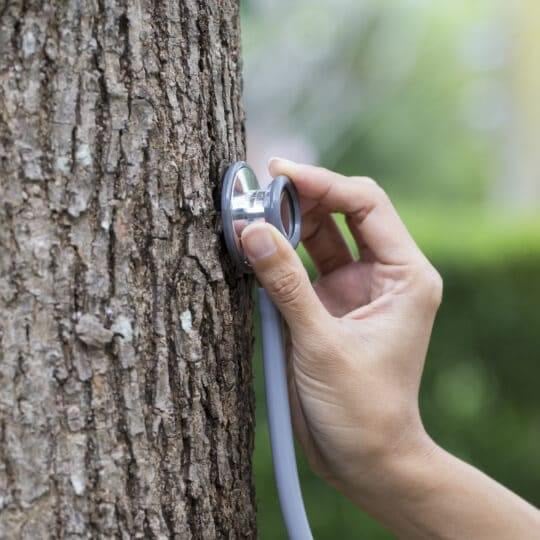
How we assess a bradford pear tree: a step-by-step process
A reliable assessment begins with a careful inspection and an evaluation of site conditions. Our process typically includes:
– Visual inspection of structure and canopy: We look for V-shaped crotches, signs of bark damage, cracks, or deadwood that indicate structural weakness.
– Health assessment of leaves and crown: We examine leaf coloration, vigor, and the overall density of foliage to gauge vigor and potential disease.
– Soil and moisture analysis: Soil conditions influence root health. We evaluate drainage, compaction, and moisture availability to determine if soil stress is contributing to the problem.
– Pest and disease screening: We identify pest presence, fungal infections, or bacterial diseases that could be compromising health.
– Risk assessment and timing: We determine the immediate risk (for example, during storms) and weigh this against long-term landscape goals to decide whether pruning, treatment, or removal offers the safest, most cost-effective path.
– Documentation and plan: After the assessment, we provide a clear plan with steps, expected outcomes, and a transparent quote for any treatment or removal work.
If you want to see how this process translates into action, you can learn more about the services we provide, including tree trimming and specialized care for vulnerable trees, by visiting our site’s service pages: tree trimming, and tree removal.
Frequently asked questions about bradford pear tree health
– What makes the bradford pear tree prone to health problems? The combination of rapid growth, dense canopies, and weak branch unions can create vulnerability to breakage, disease, and structural failure in older trees.
– Can bradford pear trees be saved with pruning and treatment? In some cases, targeted pruning and disease management can extend life and improve safety, but many trees eventually require removal for safety or long-term health.
– How does removal impact landscape planning? Removal opens space for replacement with more resistant species, better suited to your soil and climate. Our team can help you choose a replacement that meets your goals for shade, bloom, and color throughout the year.
– How quickly can a removal be completed? The timeline depends on site conditions, accessibility, and weather. Our team provides a clear schedule during the planning stage and coordinates with you to minimize disruption.
– What does a free quote include? A quote