




Understanding the Oklahoma Redbud Tree: Beauty, Value, and Baseline Care
If you have an oklahoma redbud tree gracing your landscape, you already know it adds a splash of springtime color and a sense of timeless charm to your property. But beauty alone isn’t enough to ensure long-term health and safety. This guide from Davis Family Arbor walks you through what makes the oklahoma redbud tree special, how to recognize common health issues, and practical steps you can take—or decide to entrust to a professional—so your tree thrives for years to come.
In many cases, homeowners first notice subtle changes: leaves that yellow early, a canopy that seems sparse, or branches that feel brittle after a windy day. Early detection is key. By understanding the basics of the oklahoma redbud tree’s needs, you can distinguish between normal seasonal variation and signs of a more serious problem that requires action. Davis Family Arbor is here to help with expert evaluations, precise pruning, targeted treatments, and, when necessary, safe removal. If you’re unsure about what you’re seeing, a professional assessment can save time, money, and potential property damage.
Diagnosing Health Issues in the Oklahoma Redbud Tree: What to Look For
Healthy oklahoma redbud trees display a balanced canopy, vibrant foliage, and a regular flowering pattern each spring. When symptoms appear, they often indicate water issues, soil problems, disease, or pest pressure. Key indicators to monitor include:
– Leaf discoloration or premature drop: If leaves turn yellow or brown and fall before autumn, this could point to root stress, drought, or a fungal issue.
– Waning flowering or sparse bloom: Reduced blossoms can signal nutrient deficiencies, soil compaction, or root damage.
– Blackened or cracked bark, cankers, or oozing sap: These are red flags for structural problems, disease, or infection.
– Dieback in tips or limbs: Dead wood often correlates with deeper health issues that require inspection.
– Unusual pests on trunk or foliage: Visible insects, honeydew, or sooty mold can indicate a pest problem that needs targeted treatment.
If you notice any of these symptoms in your oklahoma redbud tree, a staged approach helps you determine whether care or removal is the safest option. A professional assessment from Davis Family Arbor provides an exact diagnosis, explains treatment options, and outlines a clear path forward.
Health Care or Removal: A Practical Decision Framework for the Oklahoma Redbud Tree
Deciding whether to pursue health care or removal for an oklahoma redbud tree depends on multiple factors. Here is a practical framework you can use, and a professional perspective to compare notes.
– Safety first: If the tree is leaning toward structures, a sidewalk, or power lines, or if large branches are clearly compromised, removal or careful pruning may be necessary to prevent injury or property damage.
– Structural integrity: A tree with extensive internal decay, large cracks, or deadwood throughout the canopy may not recover without professional intervention. In some cases, removal is the safer option.
– Location and landscape impact: If the tree provides critical shade or aesthetic value in a high-visibility area, a professional can often rehabilitate it with pruning and treatment that preserves the tree while mitigating risk.
– Recurring issues: If disease or pests repeatedly injure the oklahoma redbud tree year after year despite care, removal might be more cost-effective in the long term than ongoing treatments.
– Longevity and purpose: Consider how long you expect to enjoy the tree and its role in your landscape. A professional can help evaluate whether a healthier, resilient replacement is a better fit.
A practical decision often involves a staged plan: begin with a diagnostic evaluation, apply targeted health care measures if feasible, monitor for improvement, and reassess. If the risks or decline are severe, a removal plan may be the responsible choice. Davis Family Arbor specializes in both preserving healthy trees and conducting safe removals when necessary, ensuring minimal disruption to your property.
Seasonal and Practical Care Practices for the Oklahoma Redbud Tree
Caring for an oklahoma redbud tree involves understanding its seasonal rhythms and tailoring practices to local climate patterns. The following guide covers core care areas that support healthy growth year after year.
– Watering and moisture management: Redbuds prefer evenly moist soil but dislike standing water. For established trees, deep watering during prolonged dry spells helps sustain deep root growth. In hot Oklahoma summers, a regular watering schedule that reaches the root zone without saturating it reduces stress and leaf scorch.
– Mulching and soil health: Apply a 2 to 4 inch mulch ring around the tree, keeping mulch a few inches away from the trunk to prevent moisture buildup and rot. Mulch helps regulate soil temperature, retain moisture, and reduce weed competition. If your soil is compacted or nutrient-poor, consider soil amendments recommended by a certified arborist.
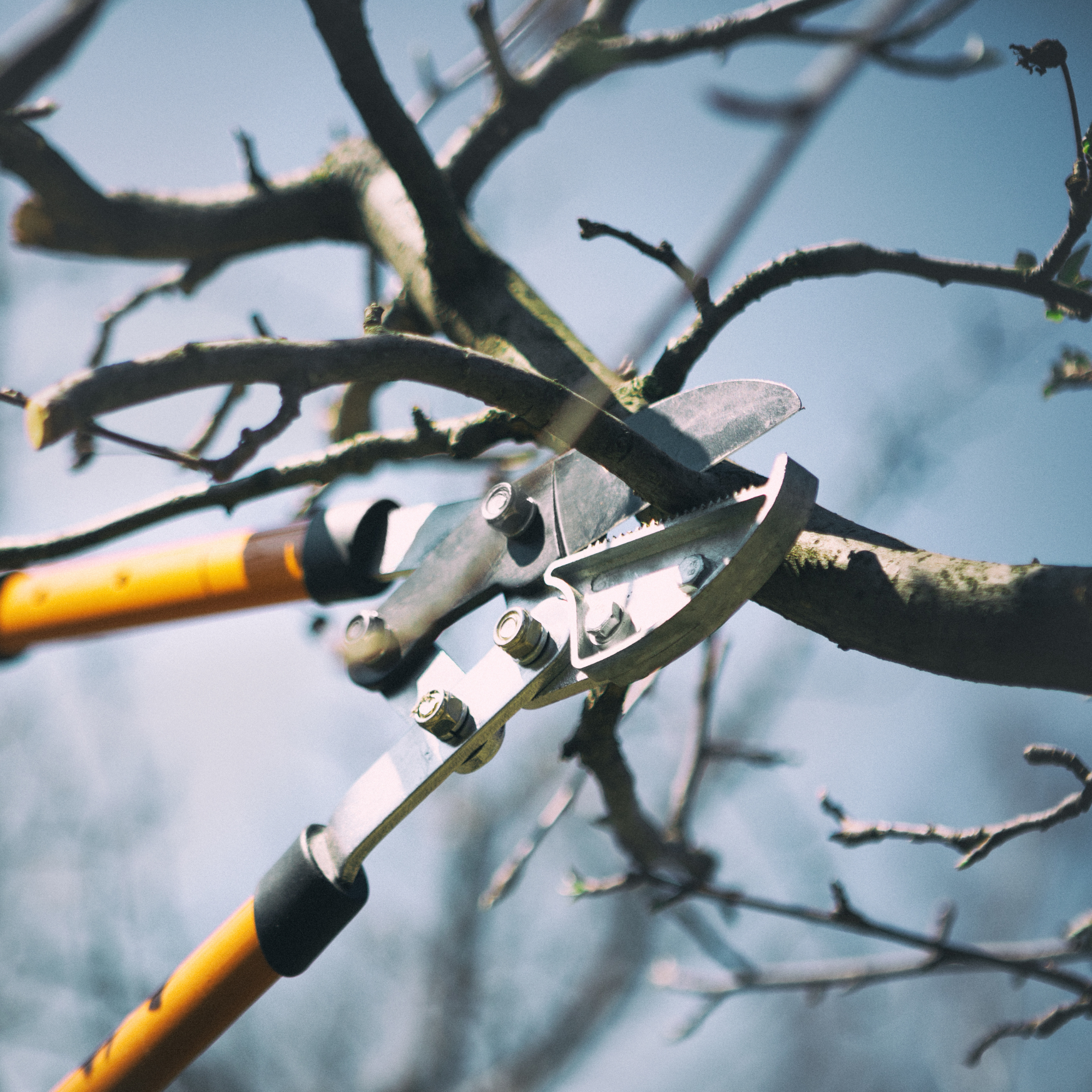
– Pruning fundamentals: Pruning is most effective during dormancy in late winter to early spring, before new growth begins. Focus on removing dead or diseased wood, crossing branches, and any branches that rub together. Light thinning can improve air circulation and light penetration, supporting overall health.
– Fertilization guidance: Fertilization is not always necessary for established oklahoma redbud trees. If soil tests show deficiencies, a balanced, slow-release fertilizer can be applied as directed by an arborist. Avoid over-fertilizing, which can lead to weak growth and increased disease risk.
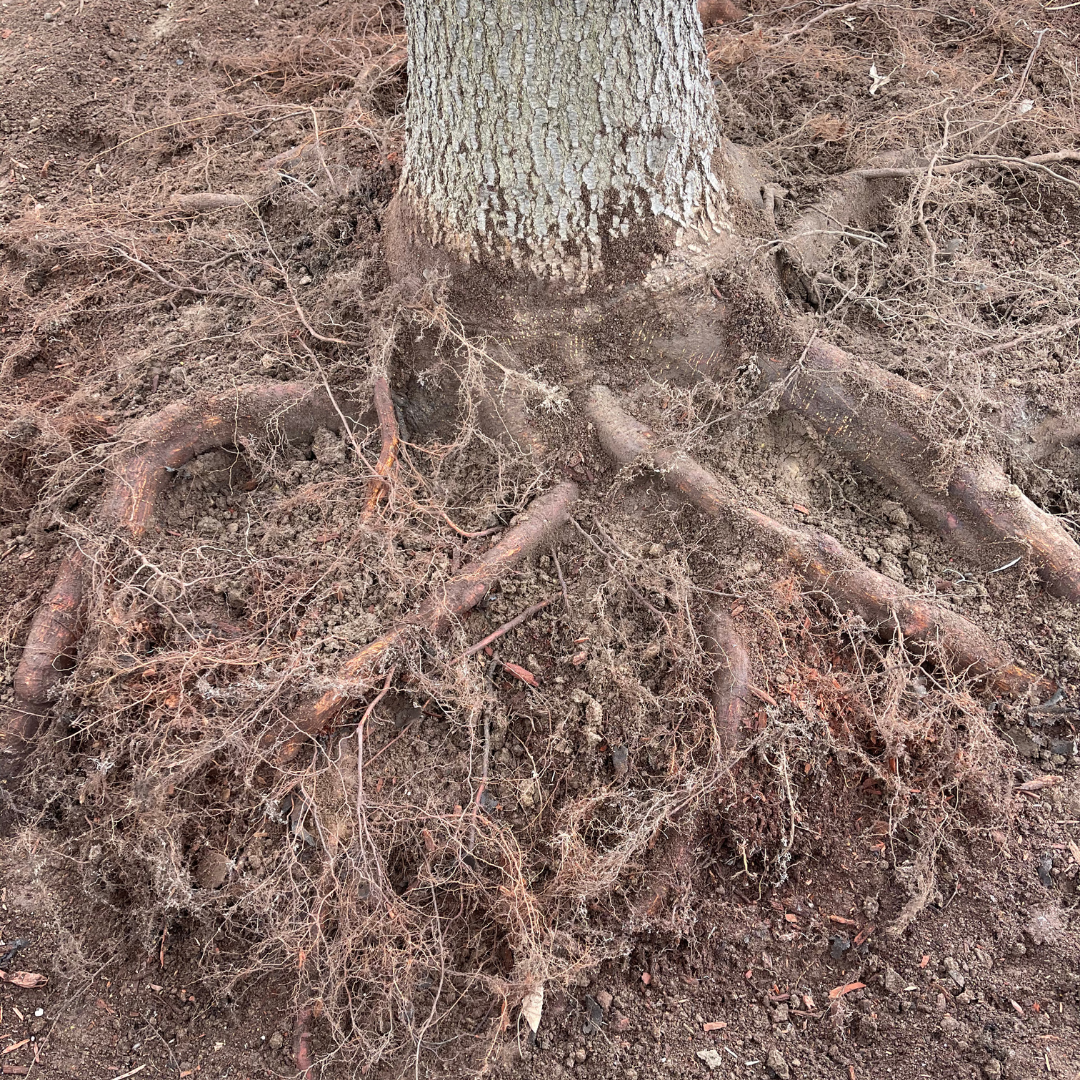
– Soil and drainage considerations: Redbuds prefer well-drained soils. If your site has poor drainage, improving soil structure or selecting a more suitable planting site can prevent root rot and other moisture-related issues.
Seasonal care tips can help you optimize health and longevity, but remember that every landscape is unique. For personalized recommendations, a professional assessment from Davis Family Arbor can tailor a care plan to your tree and your property’s microclimate.
Common Pests and Diseases Affecting the Oklahoma Redbud Tree
Understanding common threats helps you act quickly and effectively. The oklahoma redbud tree is susceptible to several pests and diseases, some of which are manageable with proper care, while others require professional intervention.
– Fungal issues: Cercospora leaf spot and other fungal diseases can cause spotting, leaf drop, and reduced vigor. Prevention hinges on good air circulation, appropriate spacing, and prompt removal of infected leaves.
– Wilt and root pathogens: Verticillium wilt and Phytophthora root rot are serious concerns. These diseases impede water transport and root function, often requiring targeted treatments and, in severe cases, removal.
– Insect pests: Scale insects, borers, and aphids can weaken trees by feeding on sap and excreting honeydew. Early detection and appropriate insecticides or horticultural oils can curb infestations.
– Environmental stress: Drought, heat, and soil compaction increase vulnerability to pests and disease. Adequate watering, mulch, and soil conditioning are foundational defenses.
If you suspect a disease or pest issue, avoid self-diagnosing with limited online guidance. A professional assessment from Davis Family Arbor confirms the problem and prescribes an effective plan, combining cultural practices, treatments, and, when appropriate, removal to protect your landscape.
What to Expect from a Davis Family Arbor Evaluation for the Oklahoma Redbud Tree
A professional evaluation from Davis Family Arbor provides clarity, options, and a clear path forward. Here’s what you can expect during a typical consultation:
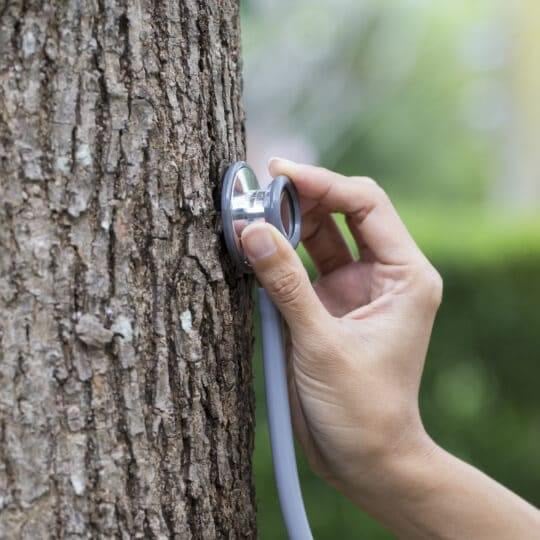
– On-site assessment: A certified arborist visits your property to examine the oklahoma redbud tree’s canopy, trunk, root zone, and surrounding site conditions. They assess health, stability, and growth potential.
– Diagnostic testing: If needed, soil tests or noninvasive diagnosis methods help determine underlying issues such as nutrient deficiencies, irrigation problems, or root health.
– Treatment plan: The arborist outlines a tailored plan, including pruning, watering strategy, fertilization if appropriate, pest management, and any necessary treatments for disease.
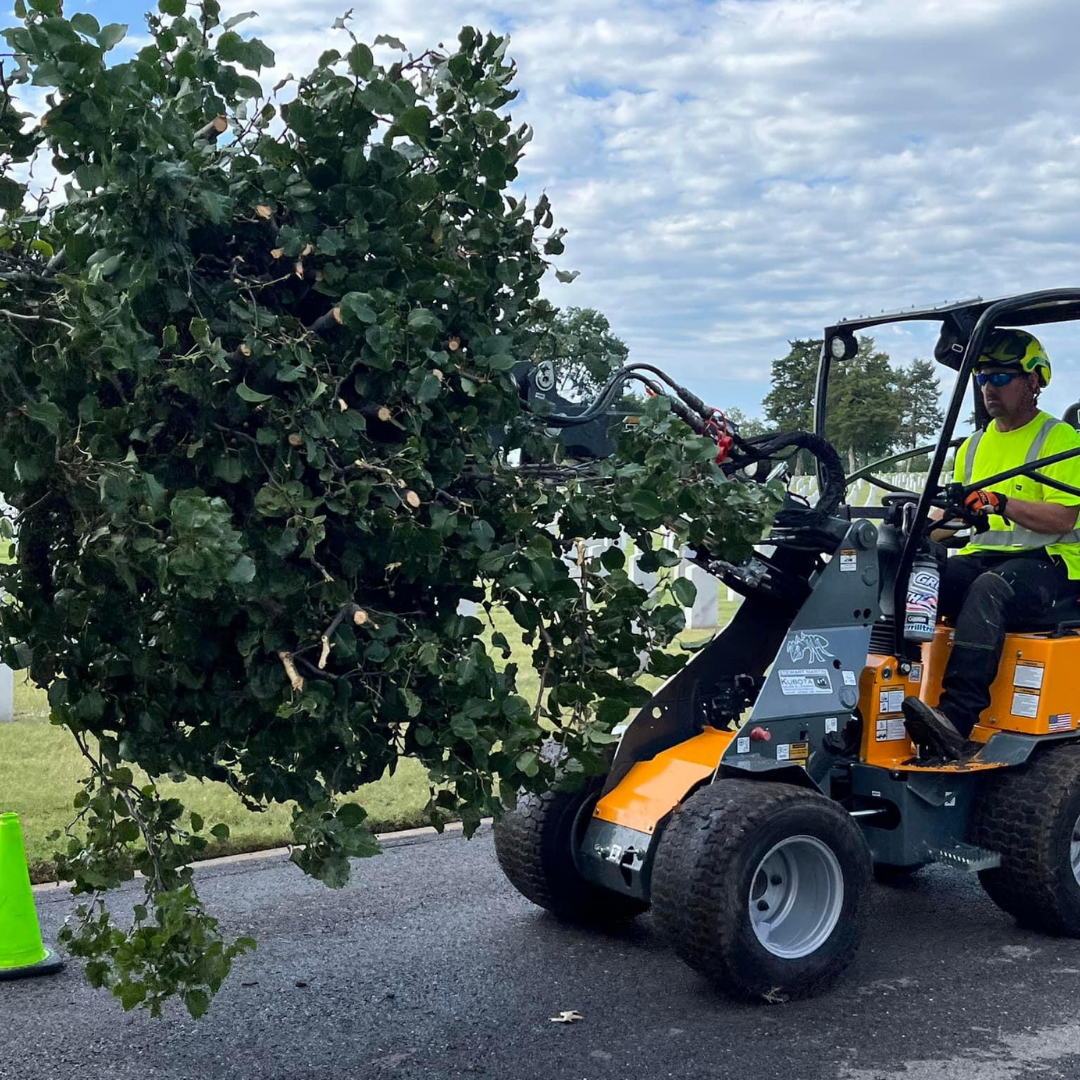
– Removal considerations: If health or safety risks are significant, the plan will outline removal options, including stump grinding or disposal, with a transparent quote and schedule.
– Follow-up and maintenance: Many problems require follow-up visits. Davis Family Arbor offers ongoing maintenance plans to monitor progress and adjust care as needed.
– Internal links to our services: If you want to explore your options before the visit, you can review related options in our services section, including tree trimming and tree removal to see how we tailor solutions to your oklahoma redbud tree.
Why Davis Family Arbor Is the Trusted Partner for Your Oklahoma Redbud Tree
Choosing the right arborist means selecting a team that combines deep plant science, local climate knowledge, and a commitment to safety and service. Davis Family Arbor brings:
– Certified arborists with proven diagnostic skills and hands-on experience working with oklahoma redbud tree species and related landscape trees.
– Transparent communication and a clear, step-by-step plan for both health care and removal when necessary.
– A safety-first approach that prioritizes you, your family, and your property during every operation.
– Local experience that understands Oklahoma’s seasonal patterns, soil conditions, and common landscape challenges.
– A comprehensive menu of services that keeps your landscape cohesive, including our full services overview, professional tree trimming, and safe tree removal when required.
If you’d like to learn more about our philosophy and qualifications