




Root rot is a stealthy foe that can quietly undermine the health and stability of trees across Oklahoma. If you’ve watched a once-verdant landscape begin to wilt, yellow, or show uneven canopy growth despite regular care, you may be facing root rot. At Davis Family Arbor, we understand how stressful this condition can be for property owners, homeowners associations, and commercial landscapes. Our team of certified arborists works on diagnosing, treating, and preventing root rot so you can protect your trees, your property value, and the beauty of your outdoors. This article explains how root rot develops, how we diagnose it, and the practical steps we take to stop it in its tracks.
Understanding root rot and why it matters in Oklahoma
Root rot is not one disease but a group of conditions caused by soil-borne fungi and waterlogged roots. In Oklahoma’s climate, heavy rains followed by periods of heat can create the perfect environment for deadly pathogens to thrive in the root zone. When roots are compromised, trees struggle to take up water and nutrients, leading to symptoms that may appear above ground long after the problem started underground.
Common signs that point to root rot include:
– Progressive wilting and leaf yellowing despite adequate moisture
– Dieback at the tips of branches and thinning canopies
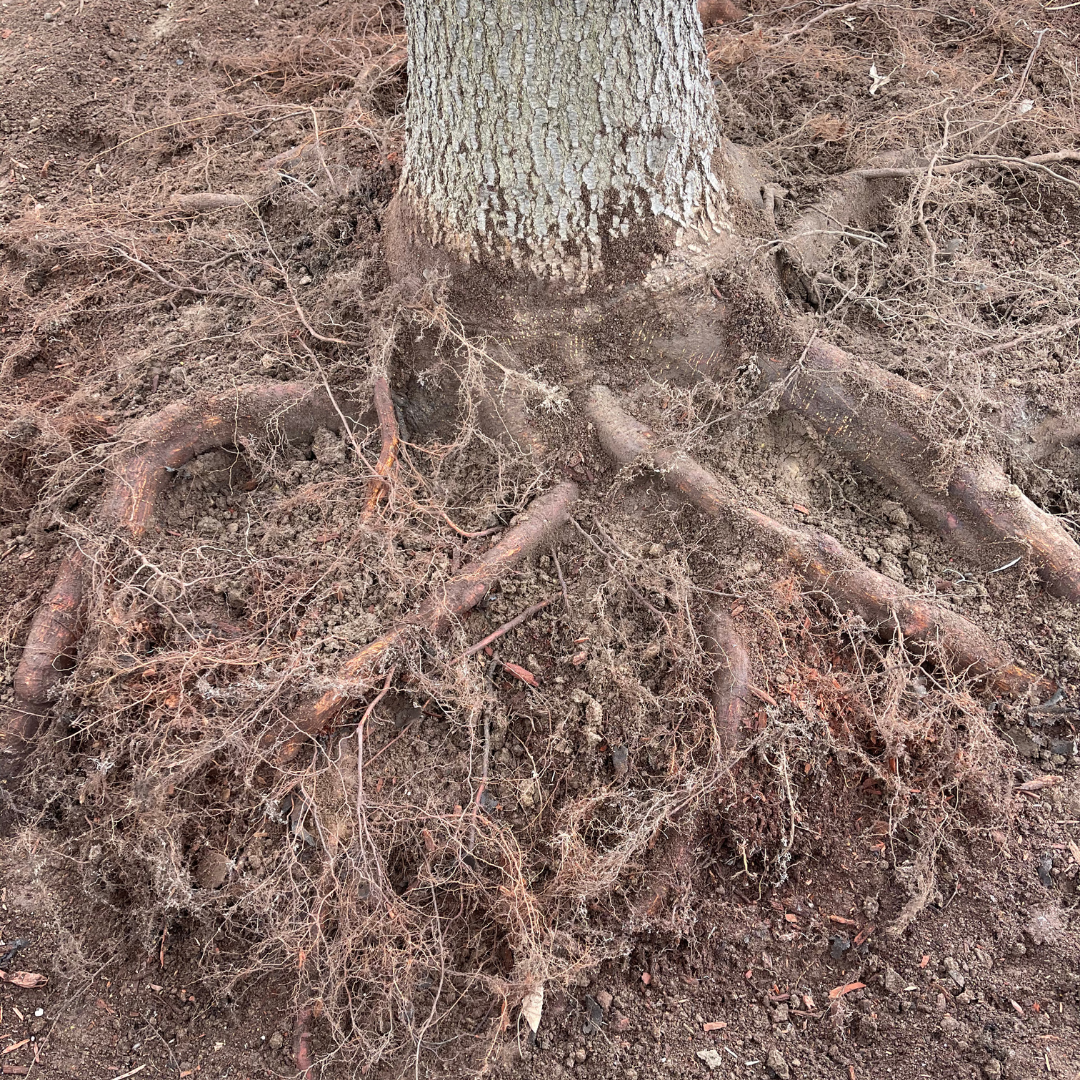
– Softer, discolored, or decaying roots observed during inspection
– Poor growth or stunted vigor year after year
– Fungal odors or a sickly soil profile around the base of the tree
Because many root rot symptoms resemble drought stress, nutrient deficiencies, or insect damage, an expert assessment is essential. Misidentifying the issue can prolong damage and increase the risk of tree loss. That is where our team at Davis Family Arbor steps in with a methodical, science-backed approach to confirm root rot and determine the best course of action.
Our diagnosis process for root rot
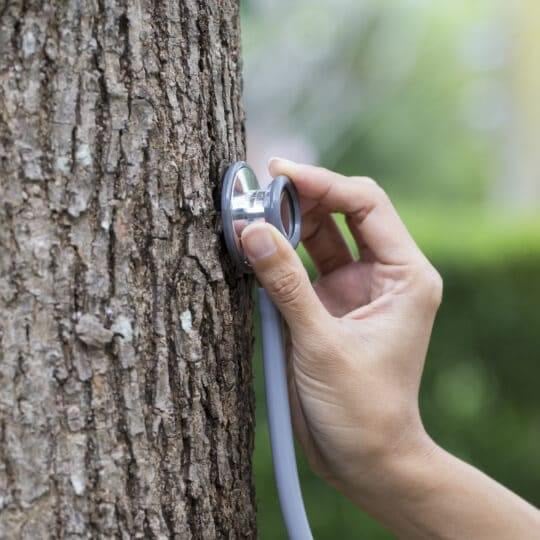
Diagnosing root rot begins with a thorough, in-person assessment. Our arborists rely on both experience and precise techniques to distinguish root rot from other conditions. The typical process includes:
– Visual assessment of the canopy, trunk flare, and soil around the root zone
– Soil moisture evaluation to determine drainage and irrigation adequacy
– Soil and root sampling for laboratory analysis when necessary
– Historical review of site conditions, plant selection, and maintenance practices
– Risk assessment for nearby trees to prevent spread and protect your landscape
We also evaluate root systems without causing unnecessary damage. For many clients, a noninvasive approach such as soil moisture monitoring and careful observation over time provides enough information to guide treatment decisions. If deeper investigation is needed, we collect root samples and send them to our trusted partners for diagnosis of specific pathogens. This careful, evidence-based approach helps us tailor interventions to your site and your trees.
Treatment options for root rot offered by Davis Family Arbor
Root rot treatment is most effective when it combines immediate relief with long-term prevention. We tailor treatments to the severity of infection, the species involved, and site-specific conditions. Here are the primary strategies we employ:
Immediate relief and canopy management
– Irrigation and drainage optimization: Overwatering or poor drainage can accelerate root rot. We adjust watering schedules and improve drainage to reduce root stress.
– Mulch management: Proper mulch placement (3 inches deep, away from the trunk, and never piled against it) helps regulate soil moisture and temperature, reducing stress on roots.
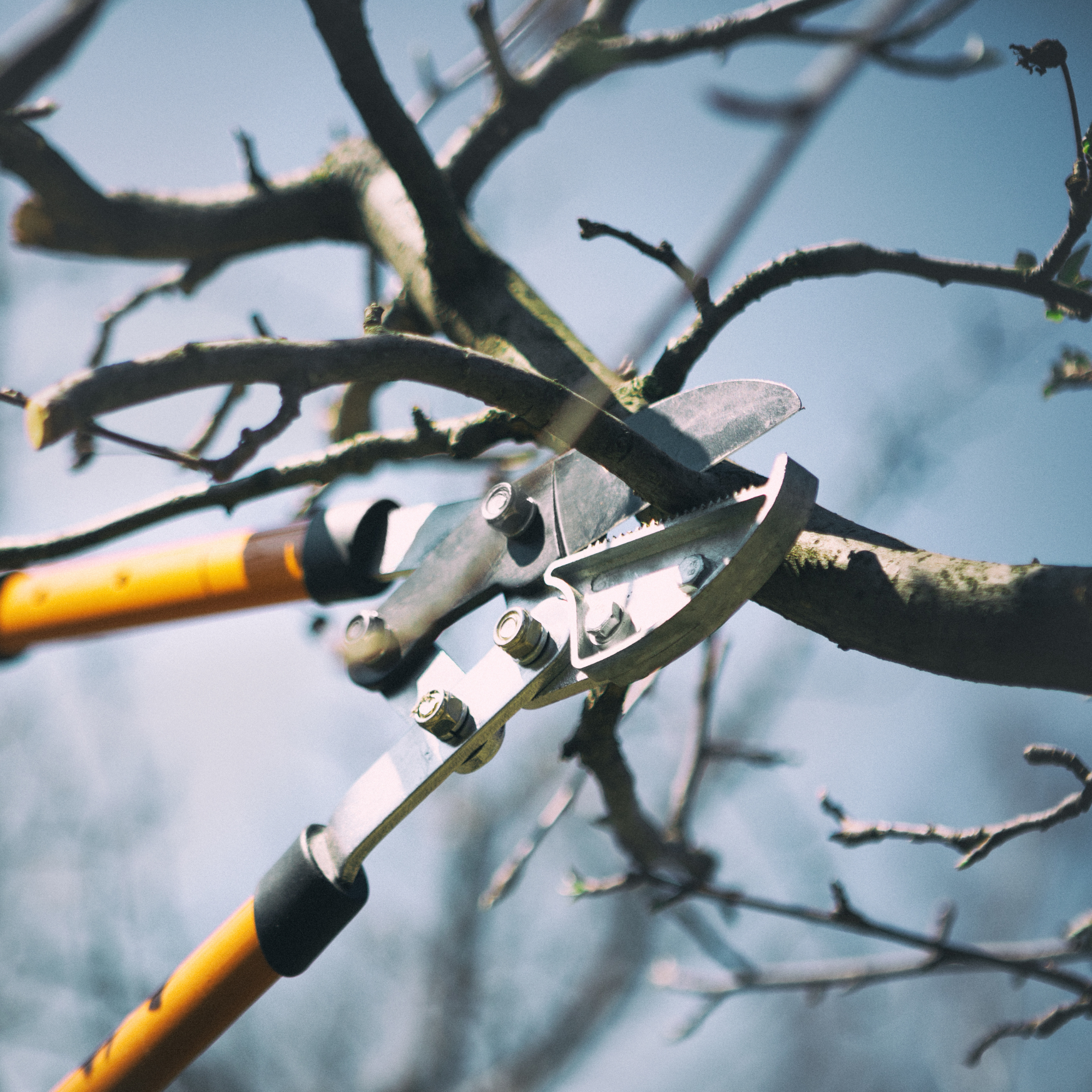
– Canopy thinning: In some cases, reducing the crown’s leaf load lowers transpiration demand, giving roots a better chance to recover while the tree regains vigor.
Soil and root zone interventions
– Soil aeration and drainage improvements: Compacted soils impede water movement and oxygen to roots. Aeration and, if needed, soil amendments improve conditions for healthy root function.
– Targeted soil amendments: When soil pH or nutrient imbalances contribute to stress, we adjust the mix to support root health without creating unfavorable conditions for pathogens.
– Fungicidal treatments and root drenches: In certain situations, our certified arborists administer approved fungicides to curb pathogen activity and support root recovery. These treatments are selected based on the diagnosed pathogen and tree species.
Long-term protection and decision-making
– Monitoring and follow-up care: Root rot often requires multiple assessments to track progress and adjust strategies. We schedule follow-ups and provide clear indicators for when action is needed.
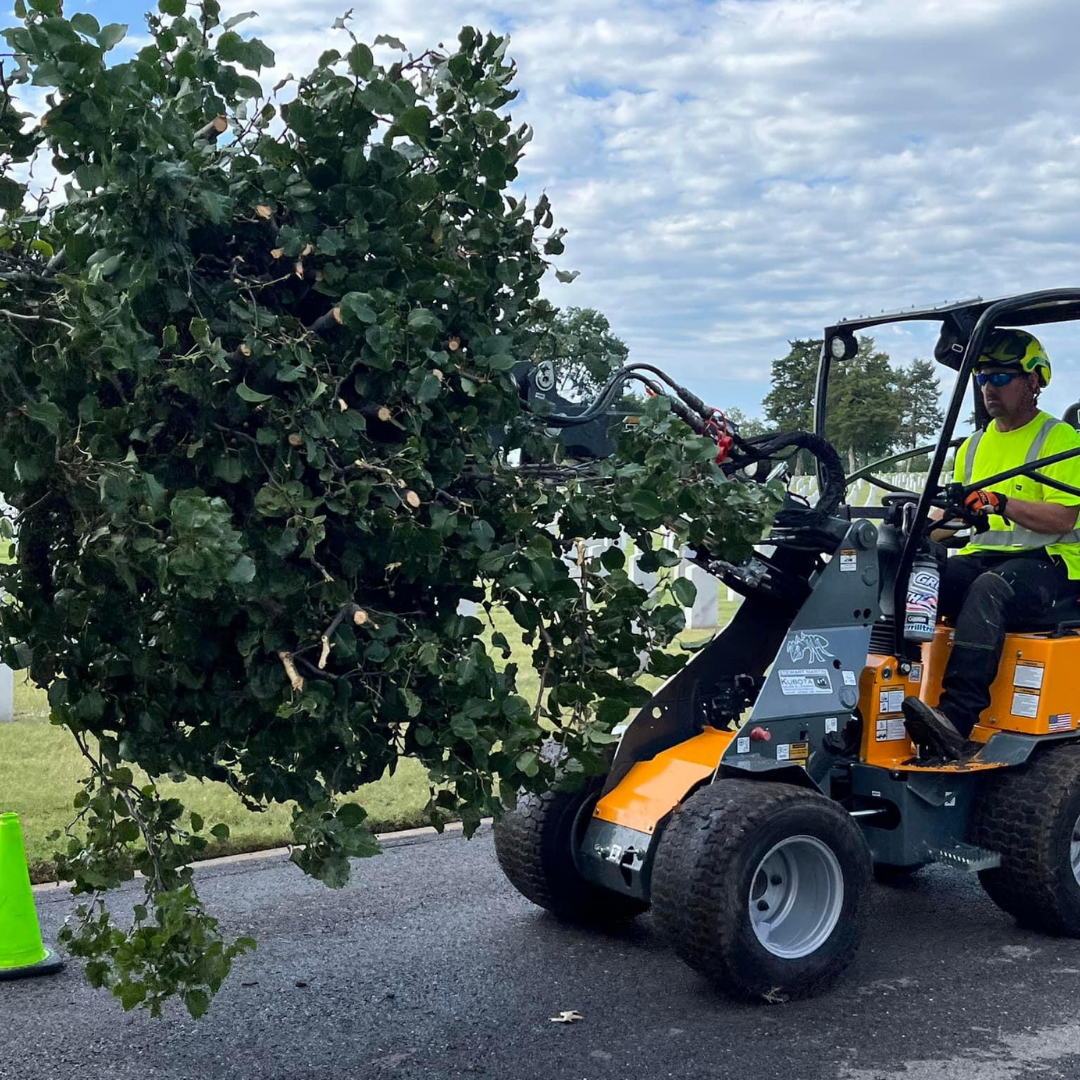
– Tree removal when necessary: If root rot is extensive and threatens the stability of a tree or the health of nearby vegetation, removal may be the safest option. Our team performs careful, safe removal and ensures proper disposal to minimize risk to your landscape. We also provide guidance on replanting with resistant species and improved site design.
– Tree replacement planning: After removal, we help you select suitable replacements and establish a plan to minimize future risk, including soil improvements and appropriate irrigation management. For reference on general tree care and related services, you can explore our services page to see how we support healthy landscapes, including Tree Removal and Tree Trimming.
Why timely action matters
Root rot spreads slowly but can cause significant damage if not addressed promptly. The longer you wait, the more likely a tree will decline or fail, potentially endangering structures, sidewalks, or other vegetation. Early diagnosis and a proactive plan give you the best chance to preserve value and beauty in your landscape. Our team is experienced with Oklahoma’s diverse climates and soil types, allowing us to tailor strategies to your specific environment.
Prevention: reducing the risk of root rot in the future
A proactive prevention plan is essential to keep root rot from returning. Practical steps you can start today include:
– Improve drainage where water collects near tree roots. If your yard tends to be waterlogged after rains, a professional assessment can reveal the best drainage solution.
– Use appropriate irrigation practices. Overwatering is a common contributor to root rot. We help you set irrigation schedules that match tree type, soil, and weather conditions.
– Mulch correctly and monitor soil moisture. Mulch protects roots from temperature extremes but should be kept away from the trunk and reapplied as needed.
– Choose resistant species and proper planting locations. Some tree species are more susceptible to certain root pathogens, so planning a resilient landscape can save effort and resources over time.
– Schedule regular inspections. Periodic checkups by a qualified arborist help catch early signs of stress before root rot becomes a major issue.
Our commitment to quality