




Blog Title: How Can Davis Family Arbor Protect Oklahoma Oak Trees From Disease and Damage?
SEO Meta Description: Protect your oklahoma oak trees with Davis Family Arbor—our certified arborists diagnose, treat, and prevent damage to keep your trees healthy. Call today!
Suggested Slug: protect-oklahoma-oak-trees-davis-family-arbor
Body of the Blog
Introduction
Oklahoma oak trees are iconic features of landscapes across the state, providing shade, beauty, and habitat for wildlife. But these majestic trees are not immune to disease, pests, or the stresses of climate and weather. When problems threaten oklahoma oak trees, homeowners deserve a partner who combines scientific knowledge, practical experience, and a commitment to long-term health. Davis Family Arbor delivers that expertise. In this article, you’ll learn how we protect oklahoma oak trees from disease and damage through a comprehensive approach that blends inspection, diagnosis, targeted treatment, and ongoing maintenance.
Oklahoma Oak Trees: Common Threats to Health and Longevity
Oklahoma oak trees face a range of threats that can compromise their health and safety. Early recognition is key to preventing serious damage, so it helps to know what to look for.
– Disease pressure: Oak wilt, bacterial leaf scorch, and other vascular diseases can spread quickly through beginning symptoms like leaf discoloration, wilting, or corky bark. These conditions often require professional diagnosis and coordinated treatment strategies.
– Insect and pest challenges: Oak pests such as scale, borers, and defoliators stress trees and can open the door to secondary infections. Early intervention helps minimize damage and preserves structural integrity.
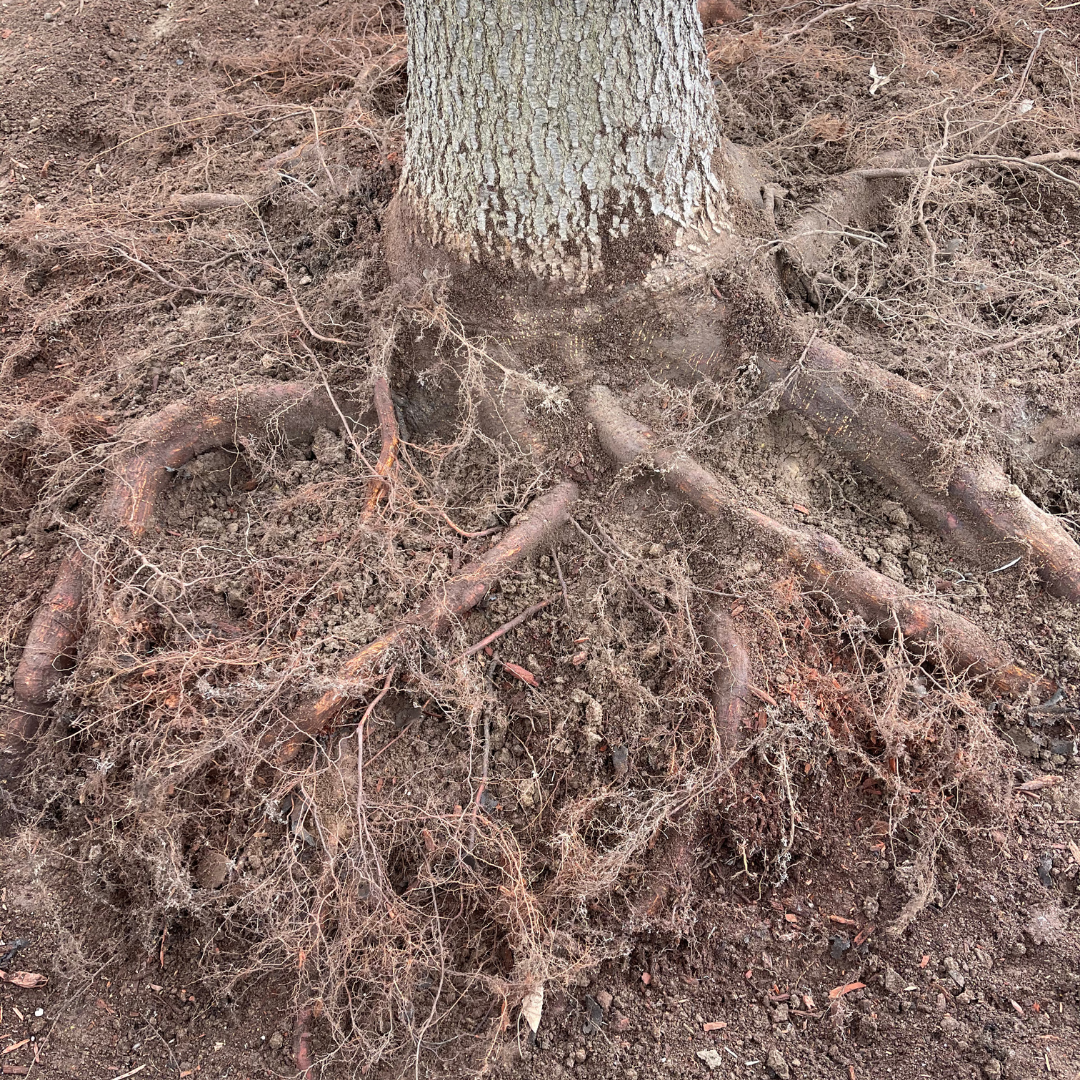
– Abiotic stress: Drought, irrigation missteps, soil compaction, and poor rooting conditions limit a tree’s ability to fight off pathogens. Oklahoma’s climate can amplify these stresses, particularly for mature oaks with extensive root systems.
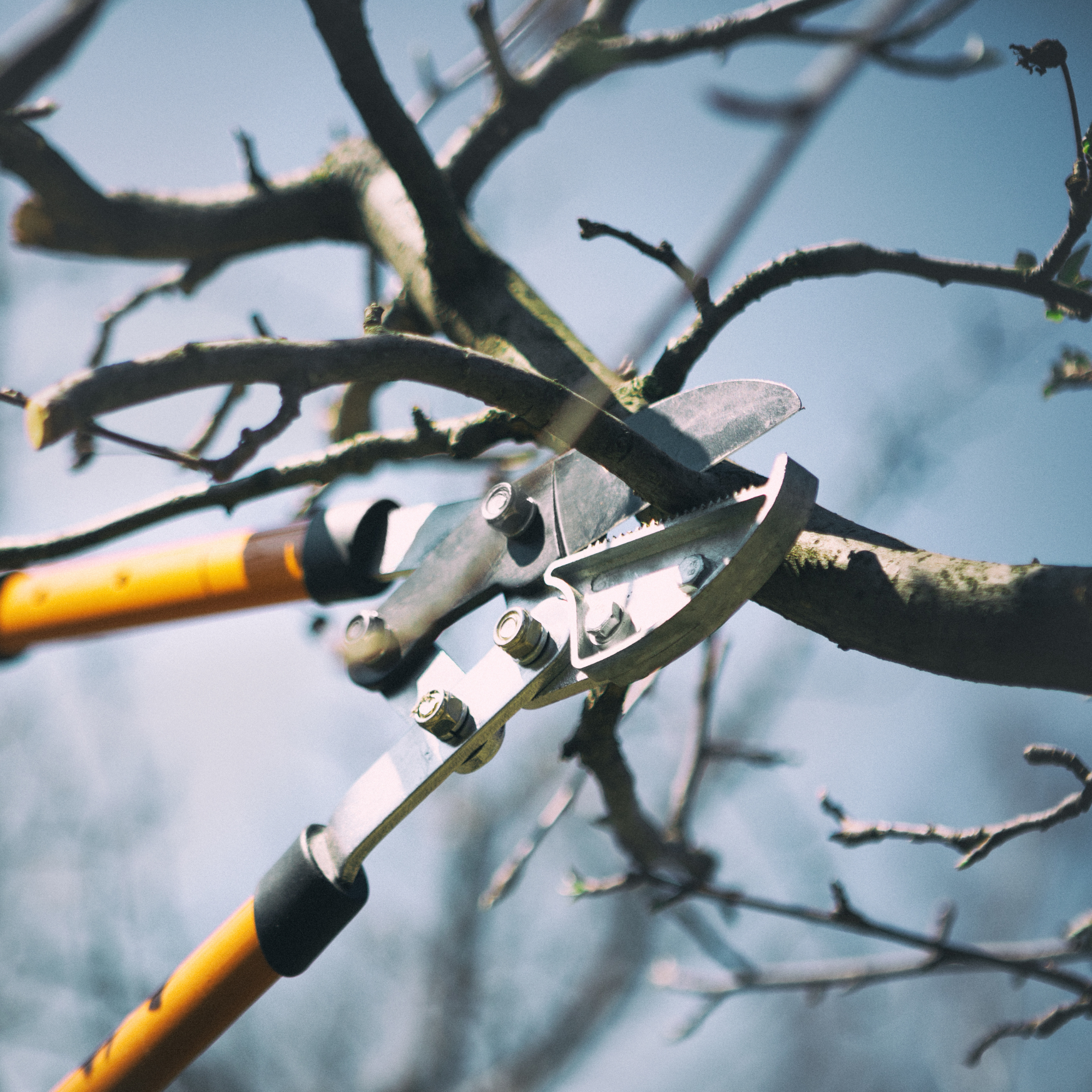
– Mechanical damage: Improper pruning, lawn equipment injuries, and construction activity near the root zone can create entry points for disease and promote decay.
– Environmental factors: Heat waves, late frosts, and changing rainfall patterns contribute to stress, making preventive care even more important for oklahoma oak trees.
Integrated protection begins with a professional assessment. Our team at Davis Family Arbor conducts a careful examination to determine the root cause of problems and the best path forward. For a thorough evaluation and a plan tailored to your oklahoma oak trees, start with a formal consultation by visiting our Services page or contacting us through our Contact Us page.
A Comprehensive Protection Plan for Oklahoma Oak Trees
Protecting oklahoma oak trees requires a structured, proactive program. We design each plan to fit the tree’s age, location, soil, irrigation, and the unique climate of Oklahoma. The core elements of our protection plan include:
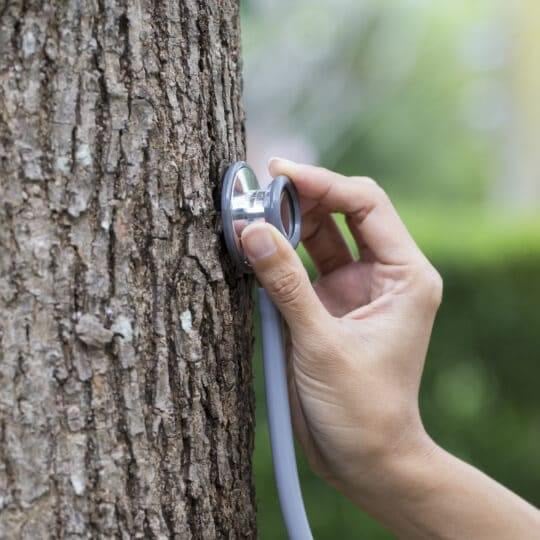
– Regular inspections and early detection: Our certified arborists schedule routine visits to monitor for signs of disease, pest activity, or structural concerns. Early detection enables targeted treatment that preserves more of the tree’s vitality. Learn more about how we approach assessments on our Services page.
– Diagnostic accuracy: When symptoms appear, we perform a precise diagnosis using visual assessment, grading of canopy symptoms, and, if needed, laboratory testing. Correct identification ensures that you aren’t wasting time or resources on ineffective