




oklahoma redbud tree care is a topic that every Oklahoma homeowner should understand. The Oklahoma redbud tree is more than just a pretty spring accent; it’s a living landscape partner that requires thoughtful care, timely assessments, and professional expertise to stay healthy year after year. At Davis Family Arbor, our certified arborists bring not only years of hands-on experience but also a deep appreciation for how the oklahoma redbud tree thrives in our climate. Whether you’re dealing with a blossoming spring display, signs of stress, or a safety concern after a storm, our team is prepared to help with guidance, prevention, and if needed, safe removals. This article explores why this tree matters, how to keep it healthy, and when to call in professionals for the best possible outcome.
oklahoma redbud tree health and care basics
The Oklahoma redbud tree (commonly referred to as the oklahoma redbud tree) is celebrated for its early spring blooms, heart-shaped leaves, and a graceful, spreading habit. It tends to grow well in full sun to partial shade and prefers well-drained soils with regular moisture. Understanding the tree’s natural preferences is the first step in ensuring robust health and long-term beauty.
Key care principles for the oklahoma redbud tree include:
– Planting site selection: Choose a location with at least four to six hours of sunlight daily and protection from strong midday winds that can desiccate new growth.
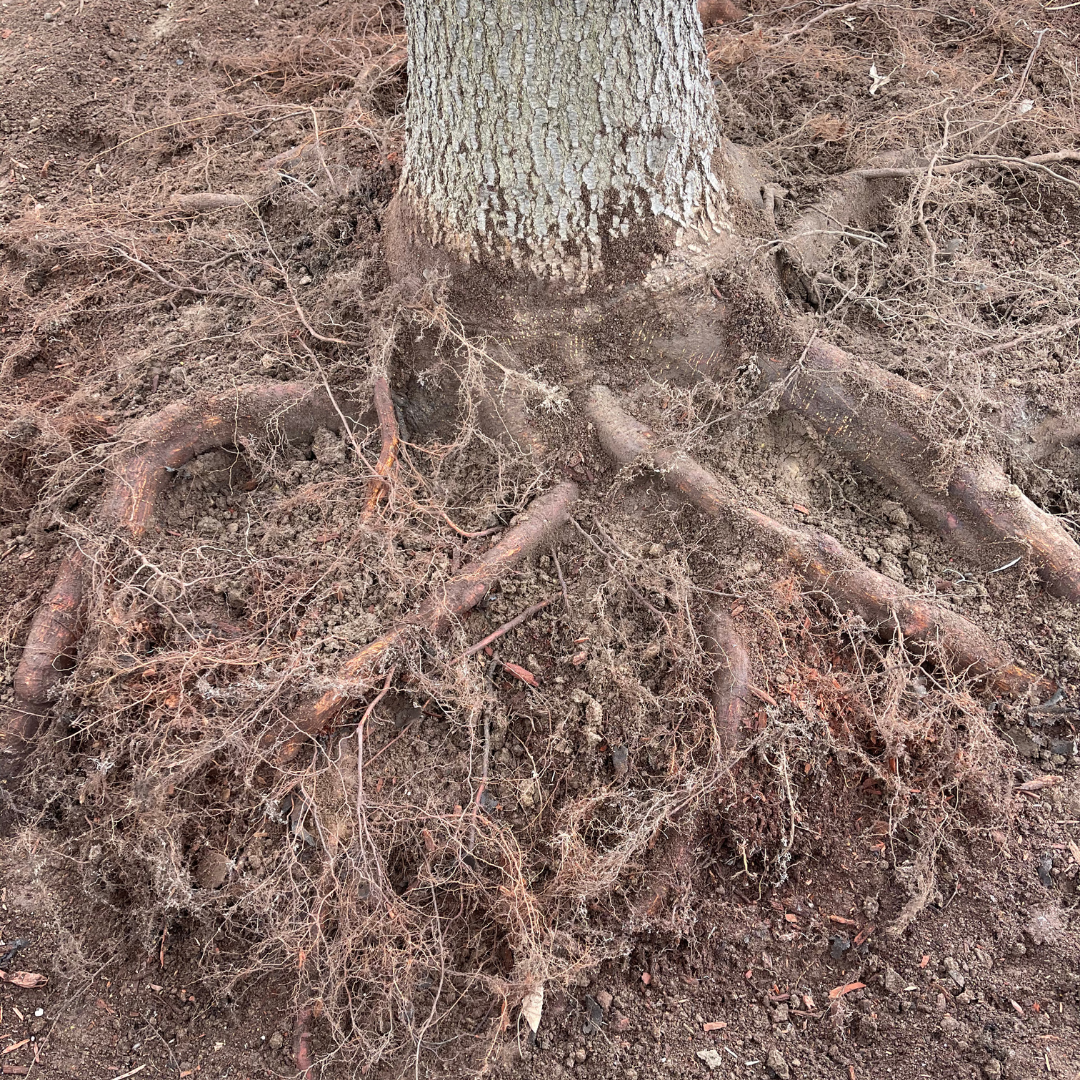
– Soil and drainage: The tree appreciates loamy soil with organic matter. If your soil drains slowly, work in compost and consider gentle top-dressing to support root oxygen.
– Watering strategy: Young trees need regular moisture to establish roots, while mature trees benefit from deep, infrequent watering during extended dry spells. Avoid overwatering, which can lead to root rot and other issues.
– Mulching and root protection: A layer of mulch about 2 to 4 inches thick helps retain soil moisture and regulate temperature. Keep mulch several inches away from the trunk to prevent disease and rot.
– Seasonal care: After flowering, light pruning to shape the canopy is often best done when the tree is not actively forming new growth. This timing helps minimize stress and promotes healthy restructuring.
Common stress signals you should not ignore include wilting during heat, dark or oozing cankers on branches, thinning canopy, or yellowing leaves in mid-summer. Early detection allows for targeted care and avoids more invasive interventions later. If you notice these symptoms, our team can perform a professional health assessment and recommend a plan that fits your landscape and budget. For ongoing support, you can explore the broader range of options in our services, including tree trimming and general care, by visiting our services overview.
The difference a certified arborist makes in the oklahoma redbud tree’s long-term health
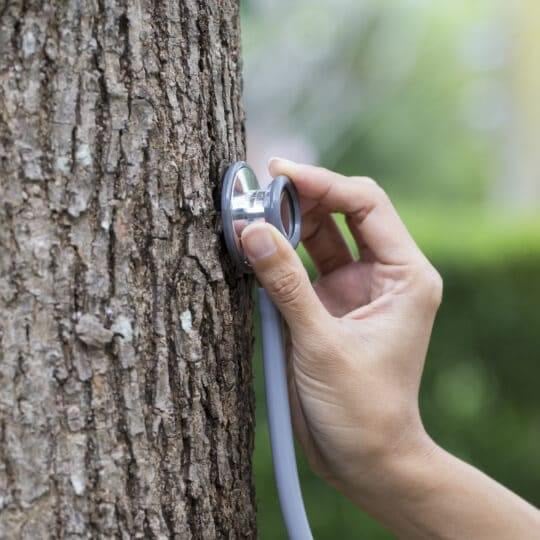
Certified arborists bring a science-based approach to oklahoma redbud tree care. They assess tree structure, soil health, and environmental stressors with the goal of preserving vitality and safety. Here’s what a professional evaluation typically includes:
– A thorough visual inspection of the canopy, trunk, and root zone.
– Soil testing or observations to determine nutrient availability and moisture balance.
– An assessment of structural integrity, identifying weak crotches, split limbs, or codominant leaders that could pose future failure risks.
– Diagnosis of pests and diseases, followed by an integrated management plan that emphasizes minimal chemical use and maximum cultural care.
– Pruning strategies that align with the tree’s growth cycle, health needs, and aesthetic goals.
For oklahoma redbud tree health, a professional assessment can prevent problems from escalating. When you partner with a trained arborist, you gain a customized care plan that grows with your tree, not just a one-time fix. If you’re seeking trusted guidance, consider reviewing details about our staff and approach on the About Us page and learning more about our full range of services on the Tree Removal and Tree Trimming pages. Our approach prioritizes the long-term health of your landscape and the safety of everyone who enjoys it.
safe removals and when they are necessary for the oklahoma redbud tree
There are legitimate scenarios when a removal becomes the most responsible option for safety, health, or landscape goals. A certified arborist can help determine the best course of action for the oklahoma redbud tree, taking into account factors like structural compromise, disease spread, proximity to structures, and potential hazards during storms.
When removal might be considered:
– Irreparable structural damage: A tree with significant trunk failure, multiple compromised limbs, or a dangerous leaning trajectory may not recover safely.
– Severe disease or pest infestation: If a disease or pest pressure is widespread and treatment would be ineffective or impractical, removal can prevent spread to nearby trees.
– Conflicts with infrastructure: Roots encroaching on foundations, sidewalks, or underground utilities can justify removal to protect property and safety.
– Aging or poor vitality: A mature tree that dramatically underperforms despite expert care may be a liability rather than an asset.
What to expect during a safe removal:
– A risk assessment and plan that identifies the best removal method and equipment.
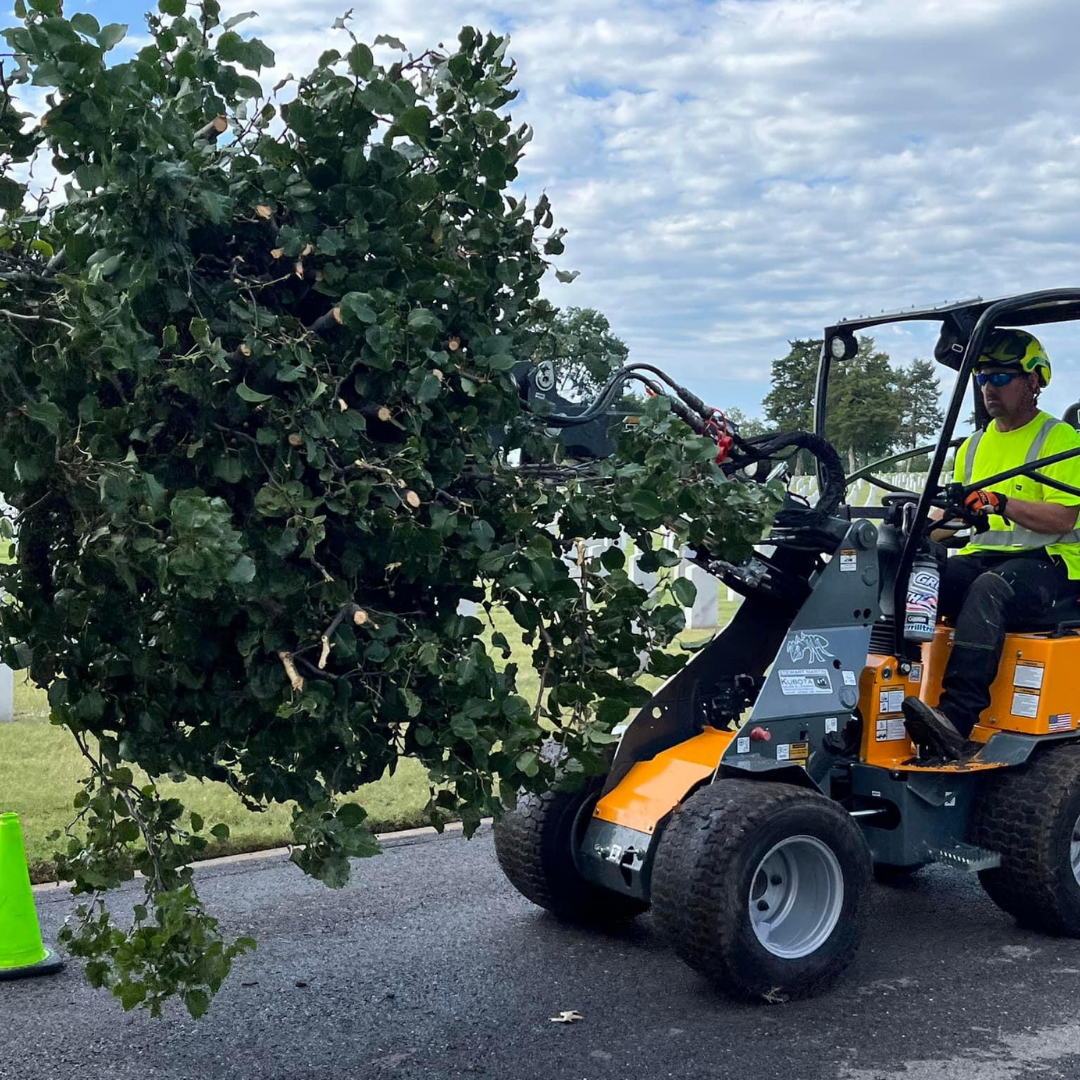
– Professional rigging and careful limb-by-limb dismantling to protect surrounding landscape and structures.
– Property protection measures, including protective coverings, equipment control, and debris management.
– Reclamation of the site with mulch or replanting recommendations where appropriate.
If you’re contemplating removal for your oklahoma redbud tree, contact a trusted team that can provide a transparent quote and a clear explanation of the process. Our tree removal specialists are trained to handle delicate situations with safety and respect for your property. For a seamless experience, read more about our removal capabilities on the Tree Removal page and consider consulting with us for a free assessment.
pruning, watering, and feeding the oklahoma redbud tree for ongoing health
Ongoing care is the backbone of a thriving oklahoma redbud tree. Regular attention to pruning, watering, and feeding supports strong structure, dense canopy, and abundant flowering year after year.
Pruning guidelines for the oklahoma redbud tree:
– Timing: Prune after flowering to avoid cutting off next year’s bloom. Light shaping can occur later in the season as needed.
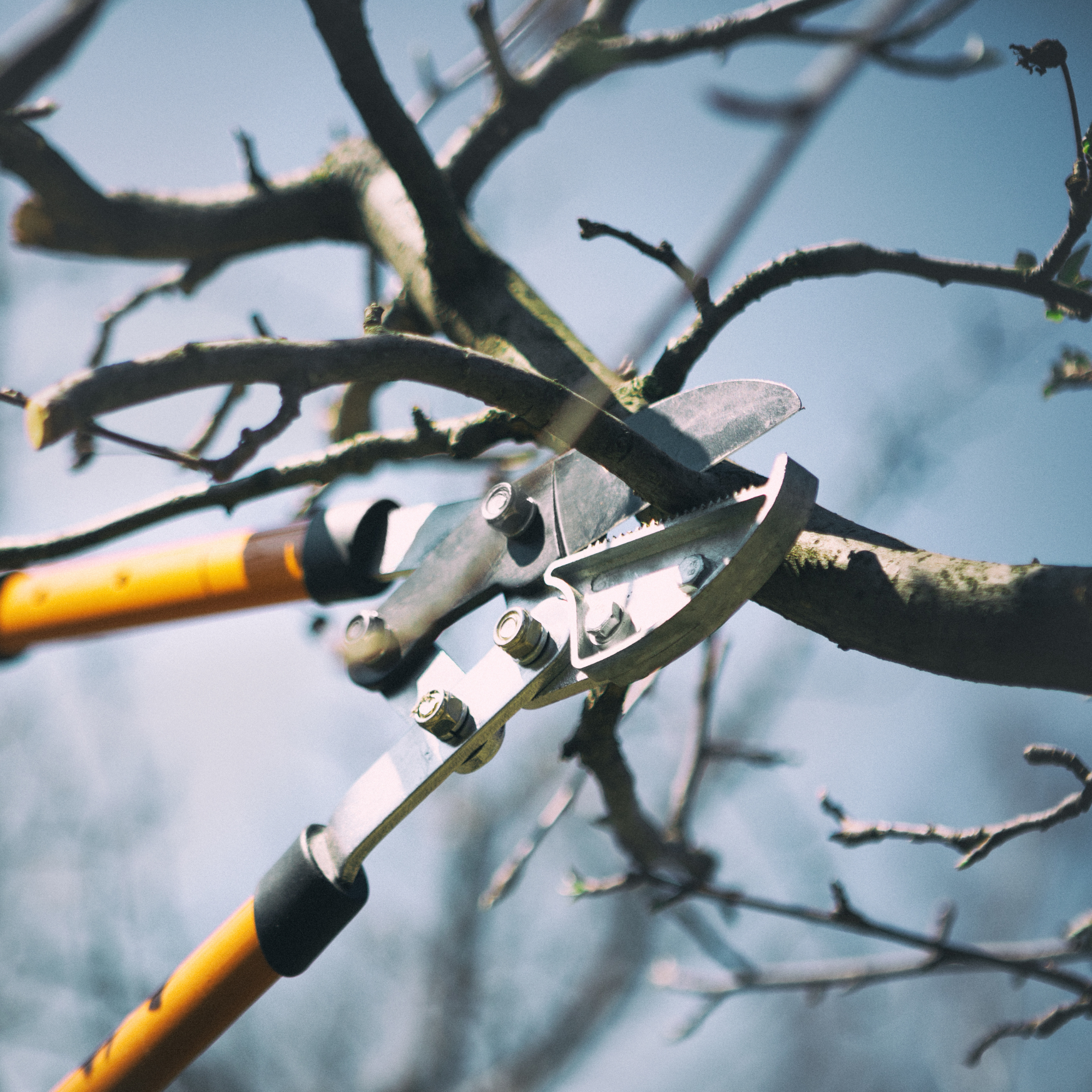
– Techniques: Focus on removing dead, diseased, or crossing branches to improve air circulation and reduce disease pressure.
– Tools and hygiene: Use clean pruning tools to minimize the spread of pathogens, and sanitize tools between cuts if you encounter diseased wood.
Watering and soil moisture:
– Establish a deep watering routine for new trees, reaching beyond the root zone to encourage deep rooting.
– Monitor rainfall and adjust irrigation during drought periods to prevent stress while avoiding waterlogged soil.
Fertilization and soil health:
– Most oklahoma redbud trees respond well to modest applications of balanced fertilizer in early spring if soil tests indicate nutrient deficiencies.
– Organic amendments, such as compost, can improve soil structure and microbial activity, promoting healthier roots and overall vigor.
Mulching and trunk protection:
– Mulch helps regulate soil temperature and moisture, but keep mulch away from the trunk to prevent rot and pest issues.
Addressing common pests and diseases:
– Leaf spots, scale insects, and borers are among the pests that can affect the oklahoma redbud tree. An early, targeted approach—often a combination of cultural practices and, when necessary, targeted treatments—helps preserve tree health.
– Regular monitoring and decisive action by a certified arborist can prevent minor issues from becoming major problems.
For homeowners who want to stay proactive, a scheduling approach that includes seasonal inspections and preventive pruning can keep your oklahoma redbud tree looking its best. If you’d like a professional assessment or ongoing care plan, our team can tailor a program that fits your landscape and budget