




The bradford pear tree is a familiar sight in many neighborhoods, offering quick shade and a splash of springtime beauty. But as landscapes mature, homeowners often ask whether to keep nurturing this tree or to remove it altogether. At Davis Family Arbor, we believe every decision should start with health, safety, and long-term landscape goals. In this guide, you’ll learn how to assess your bradford pear tree, what care looks like, and when removing it is the wiser option. Our goal is to equip you with practical knowledge and clear next steps so you can protect your yard and your investment.
Understanding the bradford pear tree: benefits and common drawbacks
The bradford pear tree (Pyrus calleryana) rose to popularity for its fast growth, glossy leaves, and striking white blossoms in spring. For many homeowners, it provides immediate curb appeal and a broad canopy that can shade a lawn or driveway. However, this seemingly ideal selection comes with notable caveats that influence whether you should care for it or remove it.
On the upside, the bradford pear tree grows quickly, establishes a generous crown, and works well in a variety of soil types. It also offers reliable autumn color and year-round structure that can anchor a landscape design during dormancy.
On the downside, the bradford pear tree is known for structural weaknesses. Many specimens develop narrow crotches and weak branch unions that are prone to splitting, especially after storms or heavy snowfall. This hazard is not just a cosmetic issue; it can threaten people, vehicles, and nearby property. In addition, the tree is susceptible to diseases such as fire blight, which can spread rapidly and compromise overall health. Some regions classify the bradford pear tree as invasive or overly aggressive in spread, raising concerns about its impact on native ecosystems. These factors collectively push many homeowners to weigh removal as a serious option.
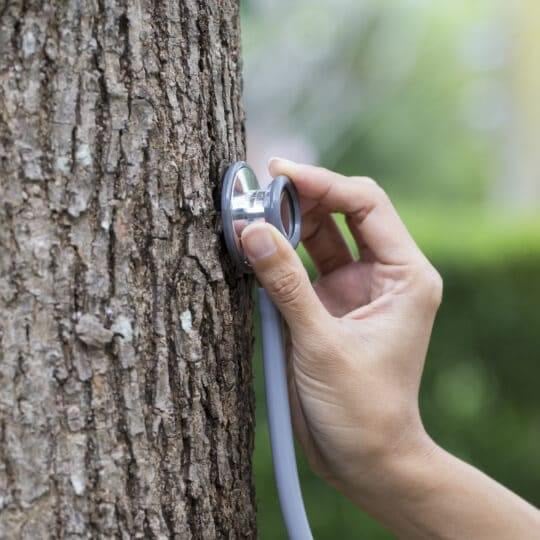
If you’re weighing care versus removal, start with a candid assessment of your tree’s health and risk factors. A bradford pear tree that has multiple dead or damaged limbs, signs of disease, or a leaning trunk is a strong candidate for professional evaluation. Even healthy-looking trees can experience sudden limb failure if growth is poorly balanced or subjected to unusual weather. This is where a qualified arborist from Davis Family Arbor can help you make an informed decision.
Care versus removal: key decision factors for a bradford pear tree
Deciding whether to care for or remove a bradford pear tree hinges on several practical considerations. Use this quick checklist to guide your thinking:
– Safety first: Are there large, visibly weak branches over driveways, sidewalks, or play areas? Has the tree shown signs of recent limb failure or cracking bark? If safety is in question, removal may be the prudent choice.
– Health status: Does the tree exhibit persistent disease symptoms such as discolored leaves, cankers, or dieback in sections of the canopy? Early intervention can save an otherwise healthy tree, but advanced health decline may point toward removal.
– Structural integrity: Do you see a history of poor branching structure, with L-shaped or narrow crotches? Such patterns increase breakage risk in storms and heavy winds.
– Landscape goals: Are you aiming to replace the bradford pear tree with a more drought-tolerant or native species that better fits your yard? This can be a strong strategic reason to remove and replant.
– Cost and storm readiness: Will ongoing maintenance (frequent pruning, disease control, potential limb repair) outweigh the investment of removal and replacement? Consider long-term costs, safety, and the impact on property value.
– Environmental considerations: If you’re concerned about invasive tendencies or ecosystem balance, replacing the bradford pear tree with native species can enhance wildlife habitat and water efficiency.
If you determine that removal is the best path, know that you don’t have to go it alone. Our team at Davis Family Arbor offers a full spectrum of services to ensure a safe, efficient, and thorough process. We can help you plan, execute, and restore your landscape with minimal disruption, including careful removal and post-removal care.
Practical care: maintaining a bradford pear tree for as long as it remains part of your landscape
When you decide to care for a bradford pear tree, focus on practices that strengthen structure, promote health, and minimize risk. The following care guidelines are designed to optimize health while extending the life of your tree.
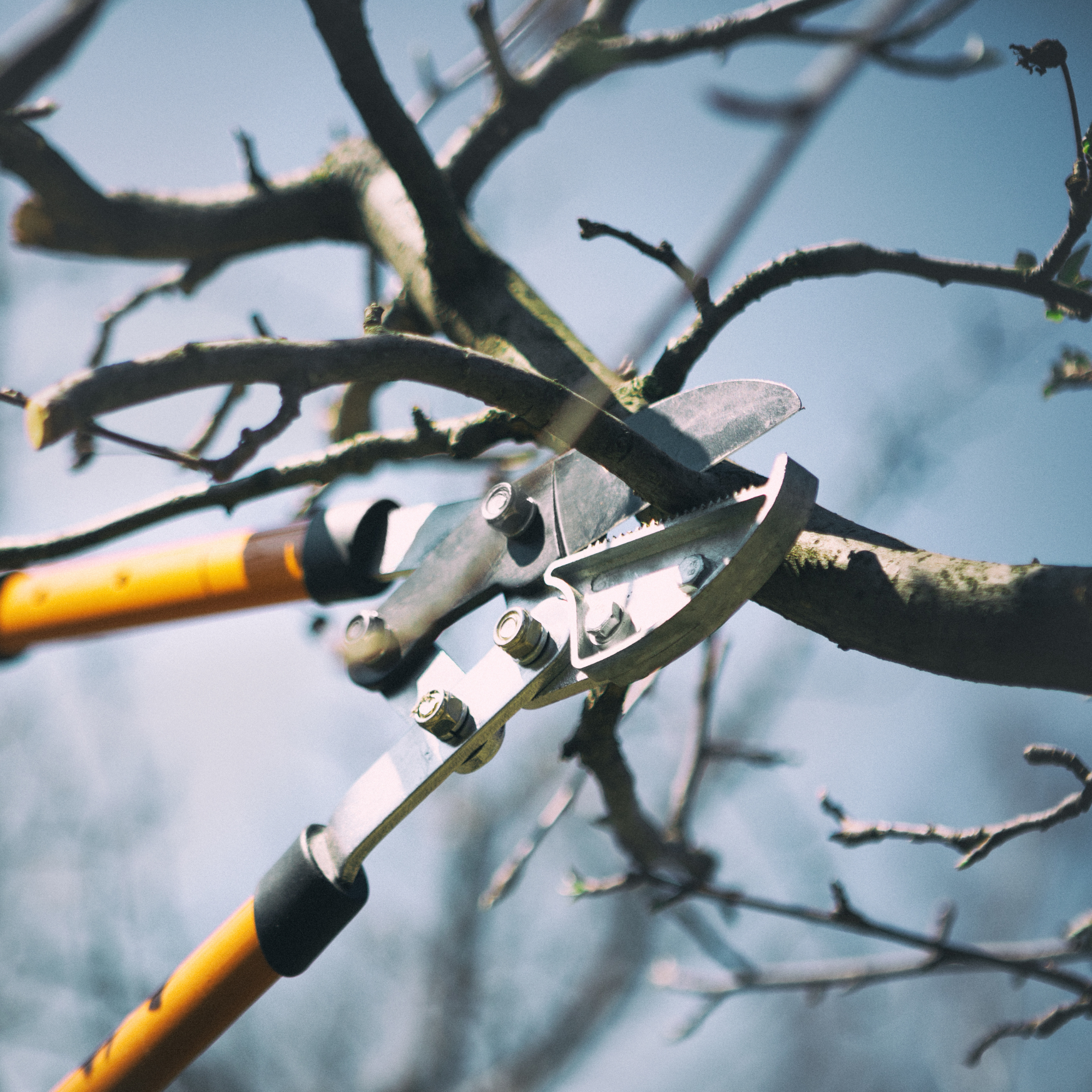
– Pruning and shaping: Perform structural pruning to remove weak and crossing limbs while establishing a strong central leader. Aim to prune during dormancy or early spring before new growth, and avoid removing more than a third of the canopy in a single year. This approach helps balance growth and reduces the chance of future limb failure.
– Disease prevention and monitoring: Fire blight and other diseases are concerns for bradford pear tree. Regular inspections for symptoms—such as tan or brown lesions, oozing sap, dieback, or stunted growth—are essential. If you notice symptoms, consult an arborist promptly to prevent spread and preserve the rest of the tree.
– Watering and nutrition: Provide deep, infrequent watering during dry periods, especially for established trees in full sun. Use a balanced, slow-release fertilizer in early spring if soil tests suggest nutrient deficiencies. Avoid overfertilization, which can promote weak new growth.
– Mulching and soil care: Apply a 2- to 3-inch layer of organic mulch around the root zone, keeping mulch several inches away from the trunk to prevent rot and disease. Mulch improves soil moisture retention and temperature stability, contributing to healthier growth.
– Pest and disease prevention: Keep an eye out for common pests and signs of stress, such as thinning canopies or stippled leaves. A proactive approach with routine checks helps detect issues early and supports healthier development.
– Structural aging management: Over time, even well-cared-for bradford pear trees may need selective removal of branches to reduce weight and improve airflow. This reduces the likelihood of disease and structural failure.
By following these care steps, you can maximize the health and safety of a bradford pear tree that remains in your landscape. If at any point you’re unsure about pruning cuts, disease signs, or structural stability, contact a professional arborist to ensure proper techniques and safe handling.
When removal becomes the sensible option for a bradford pear tree
There are circumstances where removal is the most responsible choice for safety and landscape health. If you observe any of the following, it’s wise to consult with an experienced arborist about removal options.
– Frequent or severe limb failure: Recurrent splitting, cracking, or large dead branches indicate the canopy is structurally compromised and cannot be reliably stabilized.
– Advanced disease: Widespread fire blight or other systemic diseases that persist despite treatment can weaken the tree and threaten surrounding vegetation.
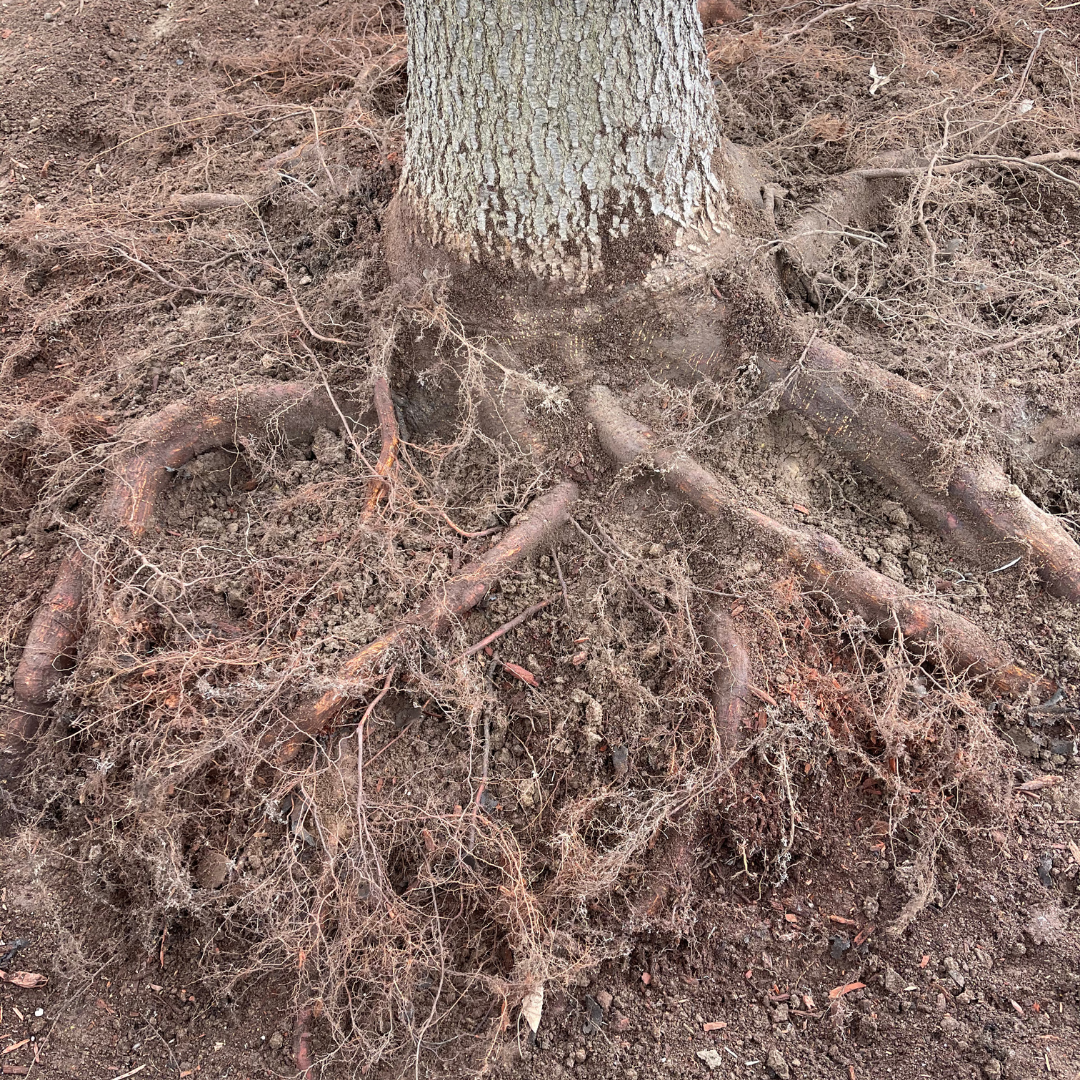
– Irreparable root problems: Root rot, girdling roots, or a trunk with significant instability may compromise both your tree and nearby structures.
– Invasive spread or ecosystem impact: If the bradford pear tree is spreading aggressively or outcompeting native species, replacement with a native alternative can benefit biodiversity and long-term yard health.
– Landscaping goals and safety: In yards with high foot traffic, driveways, or areas with overhead power lines, removing a vulnerable tree reduces risk and simplifies future maintenance.
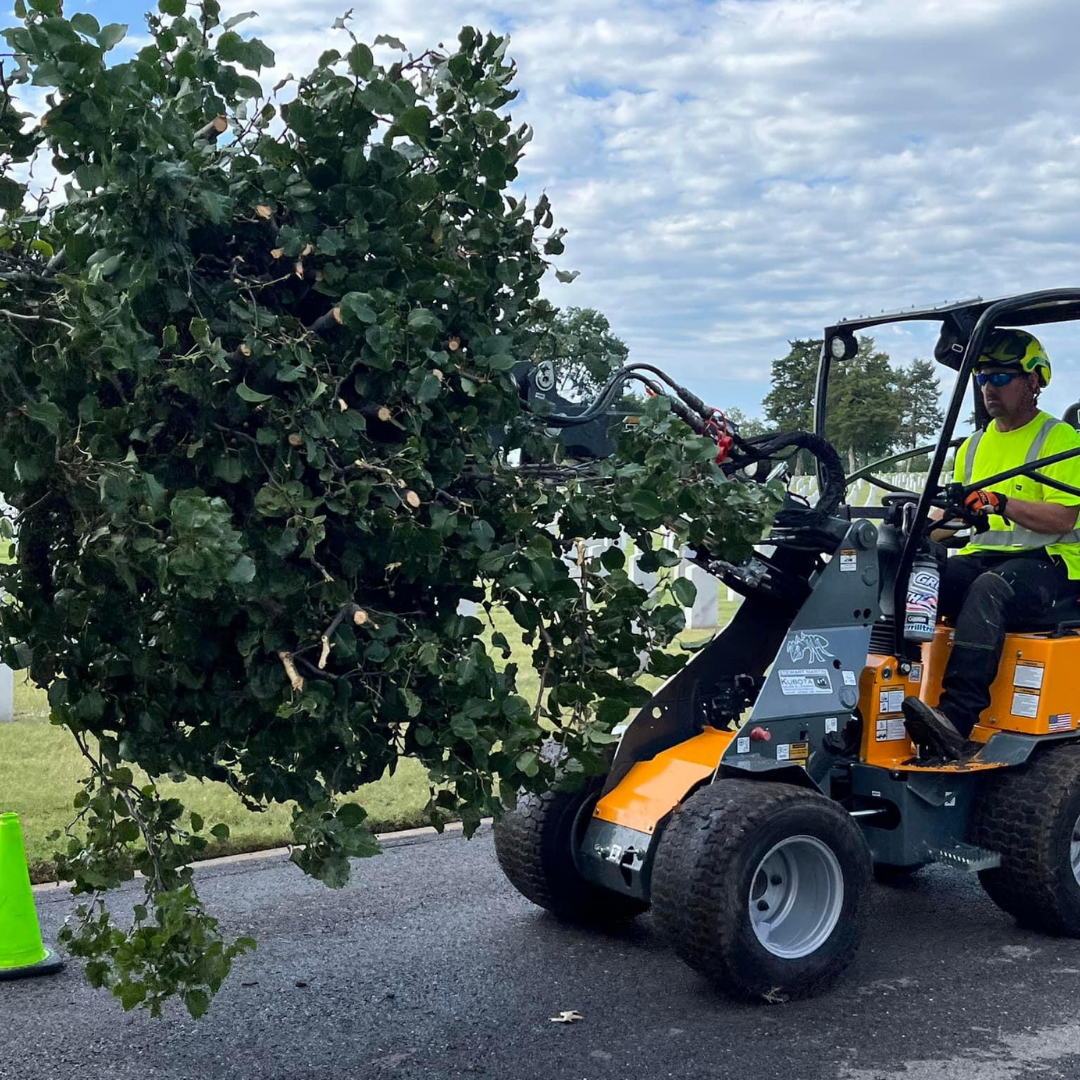
If removal is the recommended path, Davis Family Arbor provides a clear, safe, and efficient process. We handle risk assessment, permitting if needed, and careful removal to protect your property. Post-removal steps, including stump grinding and site restoration, can be coordinated to prepare the area for new plantings or other landscape features.
Removal process and what Davis Family Arbor offers for a bradford pear tree
A well-executed removal requires planning and professional execution. Here is what you