



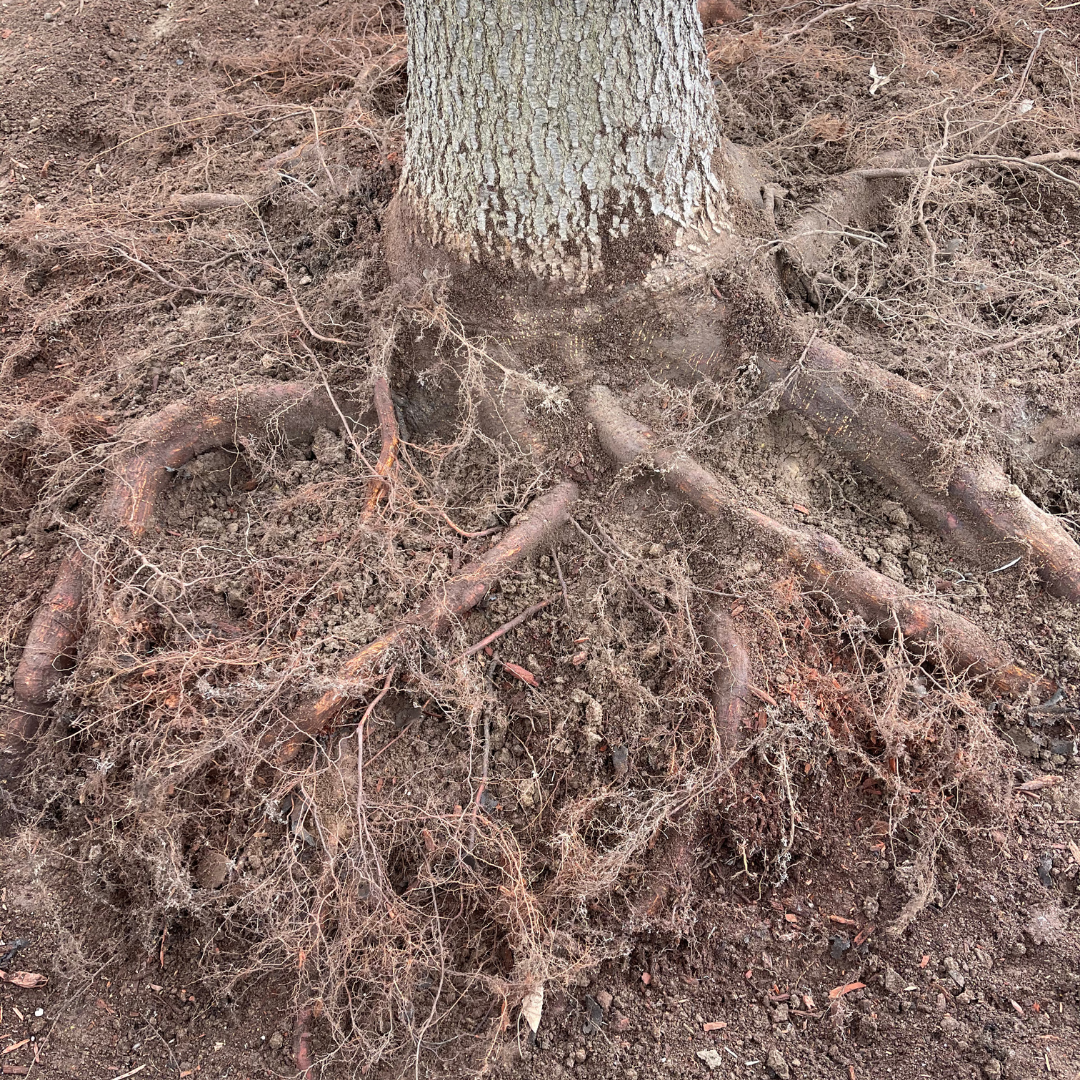
Root rot is a stealthy threat to landscapes, quietly weakening the very foundation of trees and shrubs. At Davis Family Arbor, we see the warning signs early and tailor precise strategies to diagnose root rot and protect your outdoor spaces. If you’ve noticed wilting foliage, discolored leaves, or unusually slow growth, this guide will help you understand how root rot harms landscapes, how we identify it, and the treatment paths that save worthy trees while safeguarding your entire property.
Understanding root rot and its impact on your landscape
Root rot is not just a single disease; it’s a family of decay conditions caused by several soil-borne pathogens, including Phytophthora and Pythium species. These organisms thrive in wet, poorly drained soils and compromised root systems. When root rot takes hold, trees and shrubs struggle to access water and nutrients, leading to a cascade of stress responses that show up above ground.
Common signs of root rot grip your landscape in stages:
– Slower growth and general decline, even with good care
– Wilted or chlorotic (yellowing) leaves despite adequate irrigation
– Dieback on branches, especially in the upper canopy
– Dark, soft, or rotted roots when the soil is inspected
– A musty or foul odor near the root zone
The consequences go beyond a single plant. If root rot spreads, it can undermine structural stability, endanger nearby plants, and increase risks for property and people due to weakened trees. Early detection and targeted treatment are essential to stop the damage and protect your investment. For a comprehensive approach, discover how our team handles root rot diagnosis and treatment in a way that preserves healthy landscape assets while removing only what is necessary.
How we diagnose root rot at Davis Family Arbor
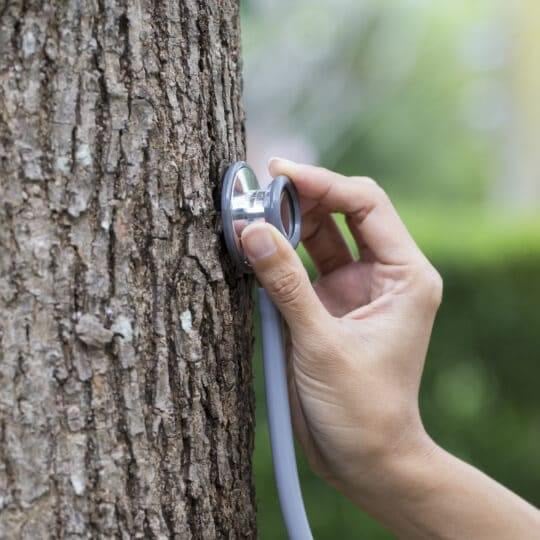
Diagnosing root rot accurately requires a combination of on-site evaluation and laboratory confirmation. Our process is designed to determine not only whether root rot is present but also how far it has progressed and which trees should be treated versus removed.
Key steps in our diagnosis:
– Initial site assessment: We review symptoms visible from ground level, observe canopy health, and evaluate soil moisture, drainage, and recent weather patterns.
– Root and soil sampling: We collect representative soil samples and, when appropriate, root tissue to assess decay and pathogen presence.
– Visual and structural analysis: Our arborists examine trunk integrity, canopy density, and signs of girdling or root restriction that may accompany rot.
– Laboratory testing: If needed, we send samples to accredited labs for pathogen detection and confirmation, ensuring we aren’t misdiagnosing moisture-related stress as rot.
– Integrated plan development: Based on findings, we outline a treatment plan that prioritizes preserving healthy trees and removing severely affected specimens when necessary.
Throughout this process, we connect you with the right services, including referrals to our tree removal specialists when removal is the safest or most cost-effective option. For a complete look at our capabilities, explore our services page and consider how a professional evaluation can protect your landscape by preventing further root damage. If you’re unsure where to start, contacting us through our convenient channels can set up a precise assessment.
Treatment options for root rot
No two root rot cases are identical, and successful treatment hinges on accurate diagnosis, timely action, and an integrated strategy. Our approach prioritizes preserving trees that can recover and safely removing those that pose ongoing risk. Typical treatment avenues include:
– Improving drainage and site conditions: Amending soil structure and installing drainage solutions reduce standing moisture, a key driver of root rot.
– Irrigation and watering management: We tailor irrigation schedules to match plant needs, avoiding overwatering and promoting healthy root oxygenation.
– Soil care and aeration: Core aeration and soil amendments help restore a balance between moisture, air, and roots, which supports recovery in susceptible species.
– Mulching and soil health: Proper mulch depth and material improve soil temperature regulation and moisture retention without smothering the root zone.
– Targeted fungicides and chemistries: In some cases, fungicidal treatments may be used as part of an integrated plan to slow pathogen spread, especially when applied early and in combination with cultural controls. We evaluate the best options based on species, site conditions, and the specific pathogen involved.
– Pruning and tree support: When rot is localized, strategic pruning reduces stress and can help high-value trees recover, while avoiding wounds that could invite further infection.
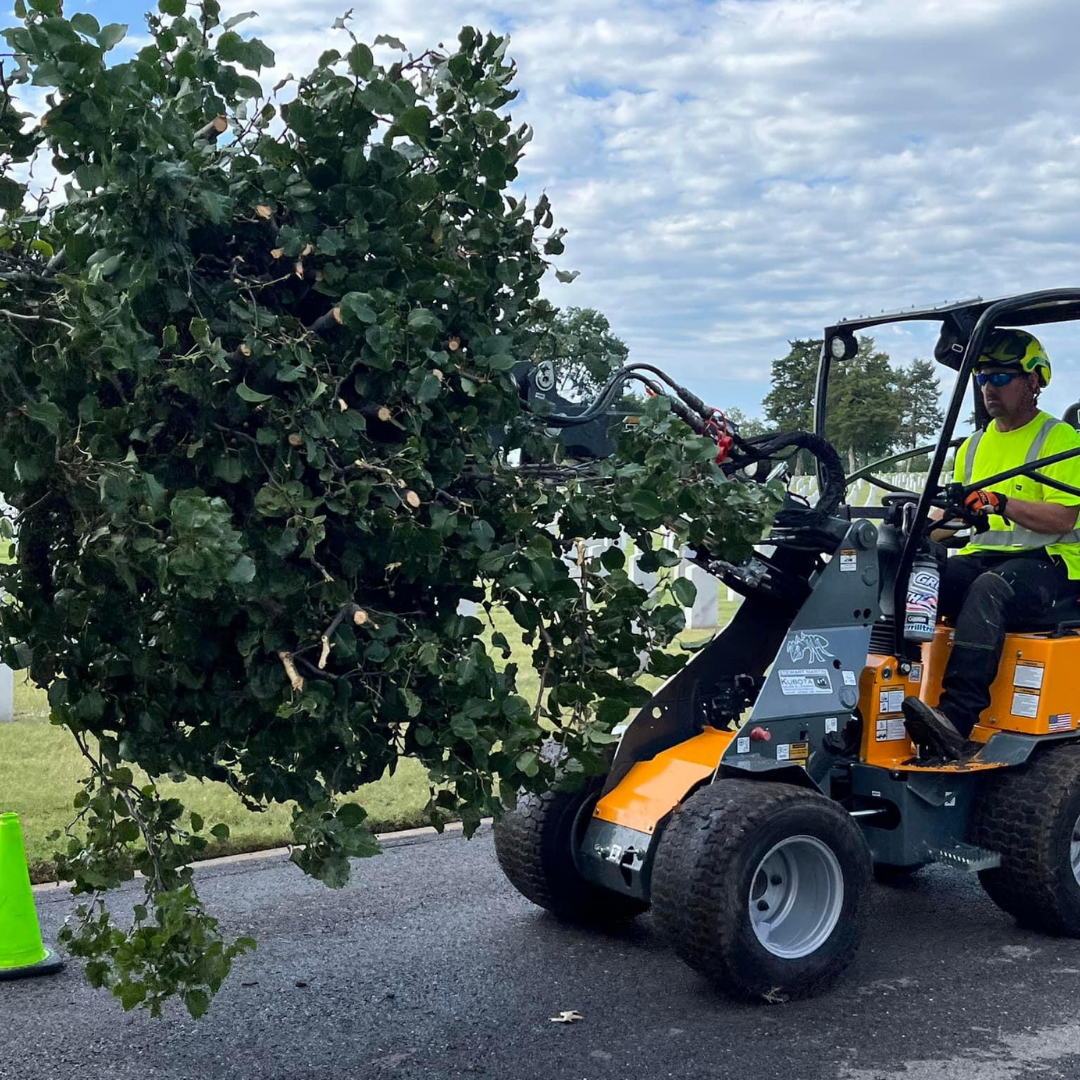
– Removal and disposal of severely affected trees: In advanced cases, removal is the safest path for people and property. We perform careful removal and responsibly dispose of infected material to prevent re-infestation. Following removal, we can suggest replanting options that minimize future rot risk.
– Stump management and site restoration: After removal, stump grinding and site restoration help prevent disease reservoirs and prepare the area for healthy replanting.
– Ongoing monitoring: Even after treatment, we schedule follow-up visits to ensure the landscape remains healthy and any signs of relapse are caught early.
To learn more about how we tailor treatment to your landscape, read about our comprehensive tree care services. If root rot threatens your trees, you’ll want a partner who can guide you through both immediate treatment and long-term protection—our team is here to help. For immediate action, consider connecting with our specialists through the contact page so we can review your situation and outline a clear, actionable plan.
Preventing root rot and protecting your landscape long-term
Prevention is the best defense against root rot. Simple, proactive steps can dramatically reduce risk and keep your trees thriving for years to come.
– Choose well-suited species: Select trees and shrubs that tolerate your soil type and drainage conditions, reducing susceptibility to root rot.
– Improve soil drainage: If your site retains water, rethink grading, drainage channels, or the use of raised beds to keep the root zone drier.
– Avoid soil compaction: Limit heavy equipment and foot traffic in critical root zones to preserve soil structure and aeration.
– Water wisely: Use deep, infrequent irrigation rather than frequent shallow watering to encourage deep root growth and resilience.
– Mulch properly: Apply a 2 to 4 inch mulch layer around the root zone, keeping mulch away from trunk bases to prevent moisture trapping at the cambium.
– Regular inspections: Schedule routine checks with a professional to catch issues before they escalate, especially after storms or heavy rainfall.
– Maintain overall tree health: Fertilization, pest management, and proper pruning help trees maintain vigor, making them less prone to infections that can lead to root rot.
If you’re considering landscape improvements or want to reinforce the health of existing plantings, our team can review your plan and identify rot-prevention opportunities. To learn more about how we approach landscape health and maintenance, visit our services page or reach out to discuss preventative strategies that fit your yard.
Why Davis Family Arbor is your trusted partner for root rot care
Choosing the right arborist for root rot diagnosis and treatment makes a real difference in outcomes. Our team brings local expertise, certifications, and hands-on experience with a wide range of species and site conditions. We combine science with practical, on-the-ground strategies to protect your landscape and your investment.
– Certified arborists and safety-first practices: Our professionals follow industry standards to ensure safe, effective work around people and property.
– Comprehensive services under one roof: From initial assessment to removal, trimming, and ongoing maintenance, you’ll find the services you need in a single, trusted partner. Learn more about our approach on our services page and see how we integrate tree removal and tree trimming when needed.
– Clear communication and transparent plans: We explain your options in plain language, outline timelines and costs, and keep you informed every step of the way.
– Local knowledge and community commitment: We understand the climate, soil varieties, and typical landscape choices in our area, enabling precise diagnoses and durable solutions.
If you want a reliable plan to protect your landscape from root rot, start with a professional evaluation. Our team is ready to help you assess damage, discuss treatment options, and provide a clear path forward. You can learn more about us on the About Us page and then contact us to set up a consultation. Whether you need a one-time service or ongoing care, we tailor our programs to your yard and your goals.
Real-world outcomes: what you can expect after choosing Davis Family Arbor
While every landscape is unique, several outcomes consistently demonstrate the value of professional root rot care:
– Early detection prevents widespread damage, saving healthier trees and reducing removal needs.
– Targeted treatment stabilizes affected trees, improving vitality, growth, and canopy health.
– Improved drainage and irrigation practices lower long-term rot risk for future plantings.
– Clear, actionable recommendations help you plan replanting with rot-resistant choices.
Our team documents progress with photos, measurements, and scheduled check-ins, so you can see the improvements over time. If a tree or shrub reaches a point where preservation no longer safeguards safety or landscape health, we