



Introduction
Every yard hides potential hazards, and poisonous trees can pose more than just an eyesore. The toxins in certain trees, their sap, berries, and even the dust from decaying wood can threaten children, pets, and nearby wildlife. Davis Family Arbor specializes in identifying hazardous trees, assessing risk, and delivering safe, effective solutions—whether that means removal, pruning, or targeted health care to keep your landscape thriving without compromising safety. If you’re concerned about poisonous trees in your yard, you’re not alone, and you’ve come to the right team. Let’s explore how these trees become a danger, how to recognize warning signs, and what you can expect when you work with a trusted arborist.
Understanding poisonous trees and why they matter
Poisonous trees are not just rare curiosities; they’re a real hazard in many yards. The dangers can come from different parts of the tree:
– Toxic sap and oils that can irritate skin or eyes upon contact.
– Toxic berries, seeds, or leaves that are harmful if ingested by children or pets.
– Allergic or inflammatory reactions caused by contact with certain wood, bark, or resin.
– Structural problems that make a tree unstable, increasing the risk of limb failure during storms or high winds.
Because these hazards aren’t always obvious, a professional assessment is essential. At Davis Family Arbor, we approach poisonous trees with a safety-first mindset, combining expertise in arboriculture with a careful, evidence-based evaluation of risk. Our work often begins with a thorough inspection and ends with a clear plan that protects your family while preserving the health and beauty of your landscape. If you’re curious about our approach, you can explore our full range of offerings on our services pages, including tree removal and tree trimming.
Common poisonous trees and related hazards you might encounter
While many people associate poison with exotic species, common poisonous trees can appear in residential settings more often than you might think. Here are some examples and what to look for:
– Yew trees (Taxus species): Highly toxic to pets and humans if ingested. Berries and foliage contain compounds that can be dangerous, especially for children who might be curious about colorful berries.
– Oleander (Nerium oleander): A striking ornamental tree or shrub that is toxic to people and animals if ingested. All parts are dangerous, so careful planting and pruning are essential.
– Boxwood and related shrubs often used in hedges can contribute to household risk, particularly for small children who may chew leaves or berries during outdoor play.
– Certain cherry laurel and photinia varieties: These ornamental trees and shrubs may produce berries that pose ingestion risks.
– Funeral pines or other conifer species with resin-rich sap can occasionally irritate skin or provoke allergic reactions in sensitive individuals, especially when branches are handled roughly during pruning.
– In some regions, native and ornamental trees carry toxins in seeds or fruit that aren’t part of typical yard maintenance—making a professional assessment even more important.
When to be especially vigilant
– If you have small children or curious pets that like to explore and sample things from the ground or trees.
– If your landscape includes dense understory plantings with berries and seeds that could be mistaken for edible fruit.
– If you notice leaves, berries, or sap that stain skin, cause irritation, or taste bitter or unusual.
– If the tree shows signs of instability, such as cracking trunks, hollow sections, deadwood, heavy lean, or fungus at the base.
Recognizing signs of danger: what to look for in your trees
Detecting a hazardous or poisonous tree early can prevent accidents. Here are practical indicators that warrant a professional evaluation:
– Structural defects: visible cracks in the trunk, major splits, or seams that are widening over time.
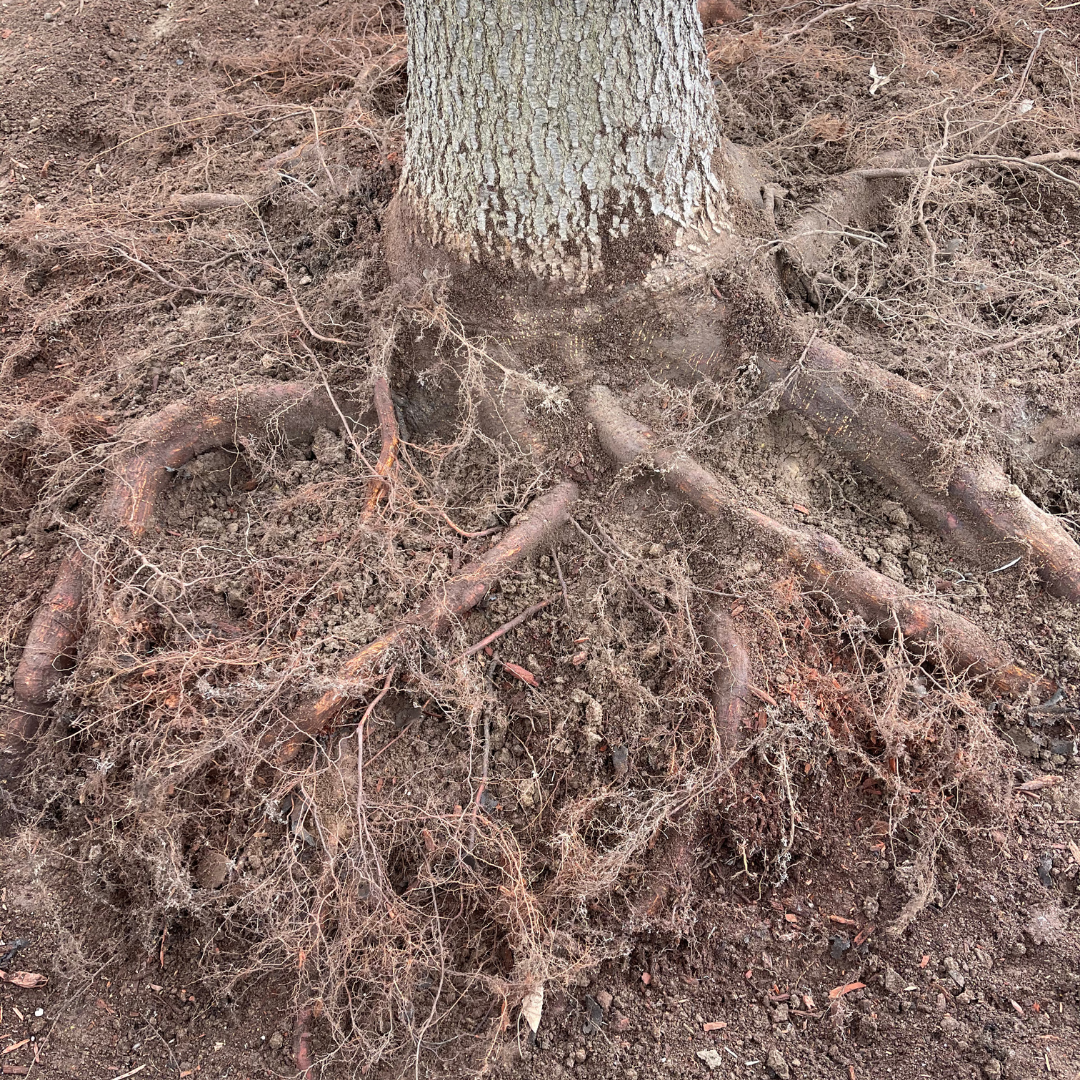
– Deteriorating trunk and roots: soft, decayed wood, loose bark, or exposed roots that indicate root decay or instability.
– Deadwood and dieback: large dead branches or dieback in the canopy, especially in a tree that previously looked healthy.
– Fungal growth at the base or on the trunk: mushrooms or conks can signal internal decay.
– Leaning or settlement: a tree that leans more than a few degrees or shifts after storms may be a hazard to people and property.
– Sap or resin issues: oozing sap that attracts insects or shows signs of disease.
If you notice any of these signs, contact Davis Family Arbor for a comprehensive assessment. We can perform a hazard evaluation and recommend the safest course of action, whether that means targeted pruning, cabling, or full removal if necessary. For a quick look at our capabilities and safety standards, visit our services pages, including tree removal and tree trimming, and learn how our team can help.
How we approach poisonous trees removal and care
Safety and science guide every step of our process. Here is how Davis Family Arbor handles poisonous trees from initial contact to final restoration:
– Initial consultation and no-obligation quote: We start with a clear, on-site discussion to understand your concerns and assess the immediate risk. Our team can provide a free quote to help you decide on a plan that fits your budget and safety goals.
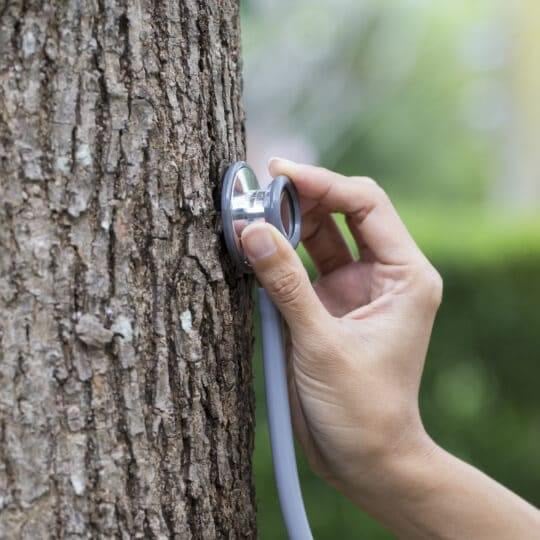
– Comprehensive on-site assessment: A certified arborist conducts a thorough inspection to identify whether a tree is poisonous or simply hazardous due to structural problems. We evaluate leaf, bark, fruit, and sap characteristics, and we consider both current risk and long-term health.
– Risk-based decision making: Depending on the assessment, we may recommend removal, selective pruning, or structural reinforcement. If a tree poses a serious risk to people or structures, removal is often the safest option. For trees with salvageable value, pruning or cabling might reduce risk while preserving landscape assets.
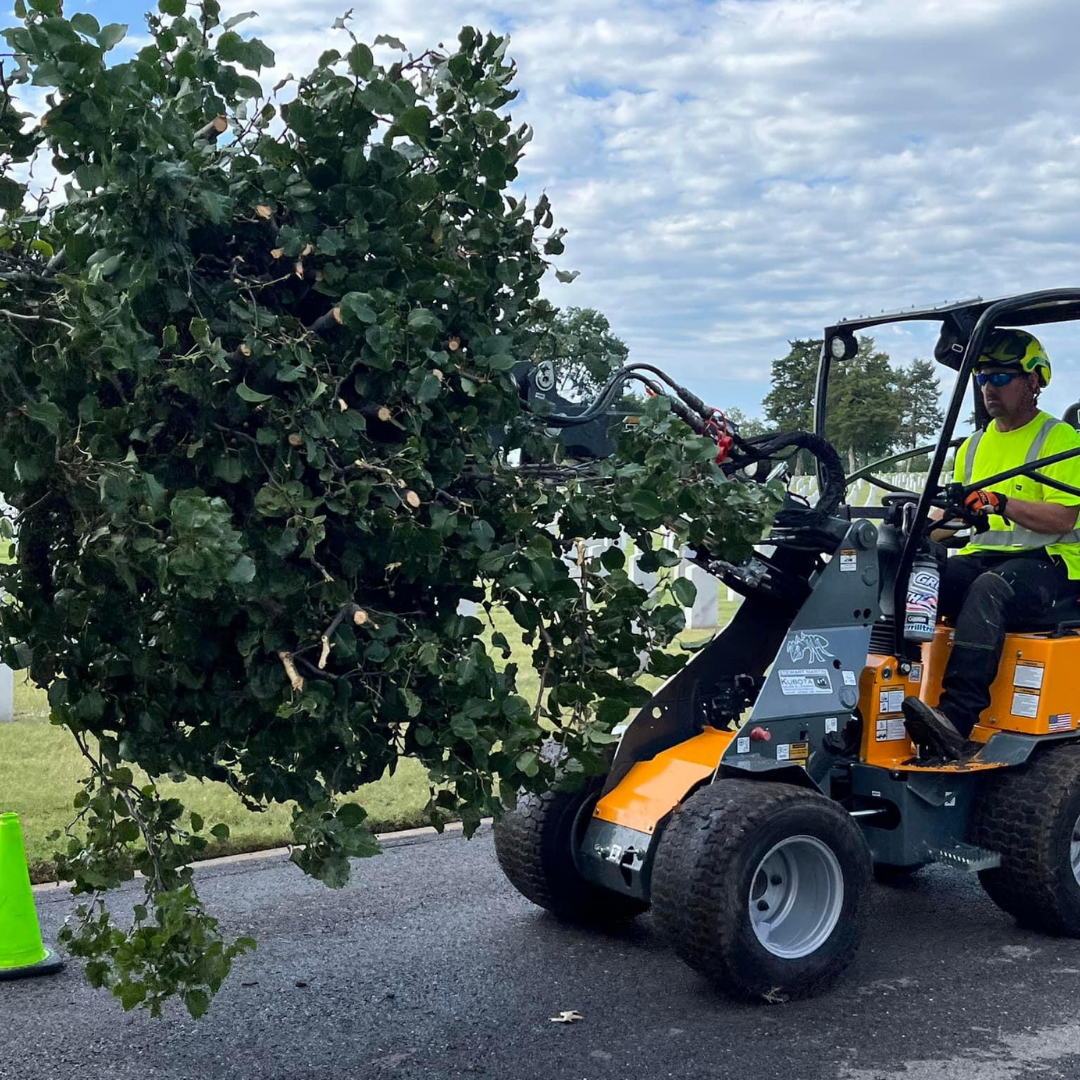
– Safe removal and disposal: When removal is the best solution, our team uses professional equipment and safety protocols to minimize disruption and ensure clean, responsible disposal of all material.
– Health care and recovery options: After a removal or pruning, we offer ongoing tree health care to help neighboring trees remain vigorous and to prevent future hazards. This includes targeted fertilization, disease monitoring, and routine maintenance. Learn more about our health care services by exploring our related offerings in the tree care section.
– Documentation and communication: We provide clear reports and recommendations, so you know what was done and why. You’ll receive a plan you can refer to for future maintenance and risk management.
Why choose the Davis Family Arbor approach
Davis Family Arbor brings decades of experience in removing and caring for trees while prioritizing safety and customer peace of mind. Key advantages of working with us include:
– Licensed, insured, and safety-focused operation: Our team follows best practices for working near power lines, structures, and landscapes.
– Clear communication and transparency: We explain risks, options, and pricing in understandable terms so you can make informed decisions.
– Comprehensive services under one roof: From removal and pruning to ongoing arbor care and hazard assessment, you can rely on us for all your tree-related needs. If you want to see a broader view of what we offer, check out our Services page and our About Us section to learn more about the team behind the work.
– Proactive prevention and maintenance: We don’t just react to emergencies; we help you prevent problems through inspection, timely pruning, and health monitoring that keeps your yard thriving.
– Local expertise and trusted reputation: We know the trees that thrive in our area and how to manage potential hazards safely and effectively. For more background on our company values and approach, visit the About Us page, and when you’re ready to start, reach out via our Contact page.
What to expect when you contact a professional for poisonous tree concerns
If you suspect poisonous trees on your property, a professional evaluation is essential. Here’s what typically happens when you reach out to Davis Family Arbor:
– Scheduling and on-site visit: We schedule a convenient time to assess your property. The initial visit focuses on identifying hazardous trees and discussing your concerns about poisonous trees.
– On-site assessment report: After the visit, you receive a written assessment that outlines the risks, recommended actions, and an itemized quote. This report helps you compare options such as removal, pruning, or professional care for surrounding trees.
– Clear action plan: We present a step-by-step plan, including safety measures you should take in the meantime. If a tree poses an immediate risk, we’ll prioritize safety first and coordinate resolutions that minimize disruption to your daily life.
– Execution and follow-up: Once you approve the plan, our crew completes the work with professional supervision and safety checks. We often schedule follow-up visits to monitor the landscape and ensure the health and safety of your yard.
Protective steps homeowners can take now to minimize risk
In addition to professional assessments, there are practical measures you can take to reduce the danger posed by poisonous trees:
– Install physical barriers around trees with known hazards, especially near play areas and outdoor dining spaces.
– Supervise children and secure pets in areas away from trees that show signs of instability or contain toxic foliage.
– Keep a current map of trees with known risks on your property, so regular maintenance reminders don’t slip through the cracks.
– Avoid pruning or trimming hazardous trees during windy weather or in the presence of power lines; always rely on a professional crew for these tasks.
– Schedule routine maintenance with a trusted arborist, so you know your trees are healthy and well-managed. Our team is happy to guide you through a sustainable maintenance plan; you can learn more by exploring our tree trimming services.
Maintaining a safe and healthy landscape after dealing with poisonous trees
Once hazardous trees are addressed, ongoing care is essential to maintaining a safe yard. This includes:
– Regular inspections to catch early signs of disease, damage, or new hazards.
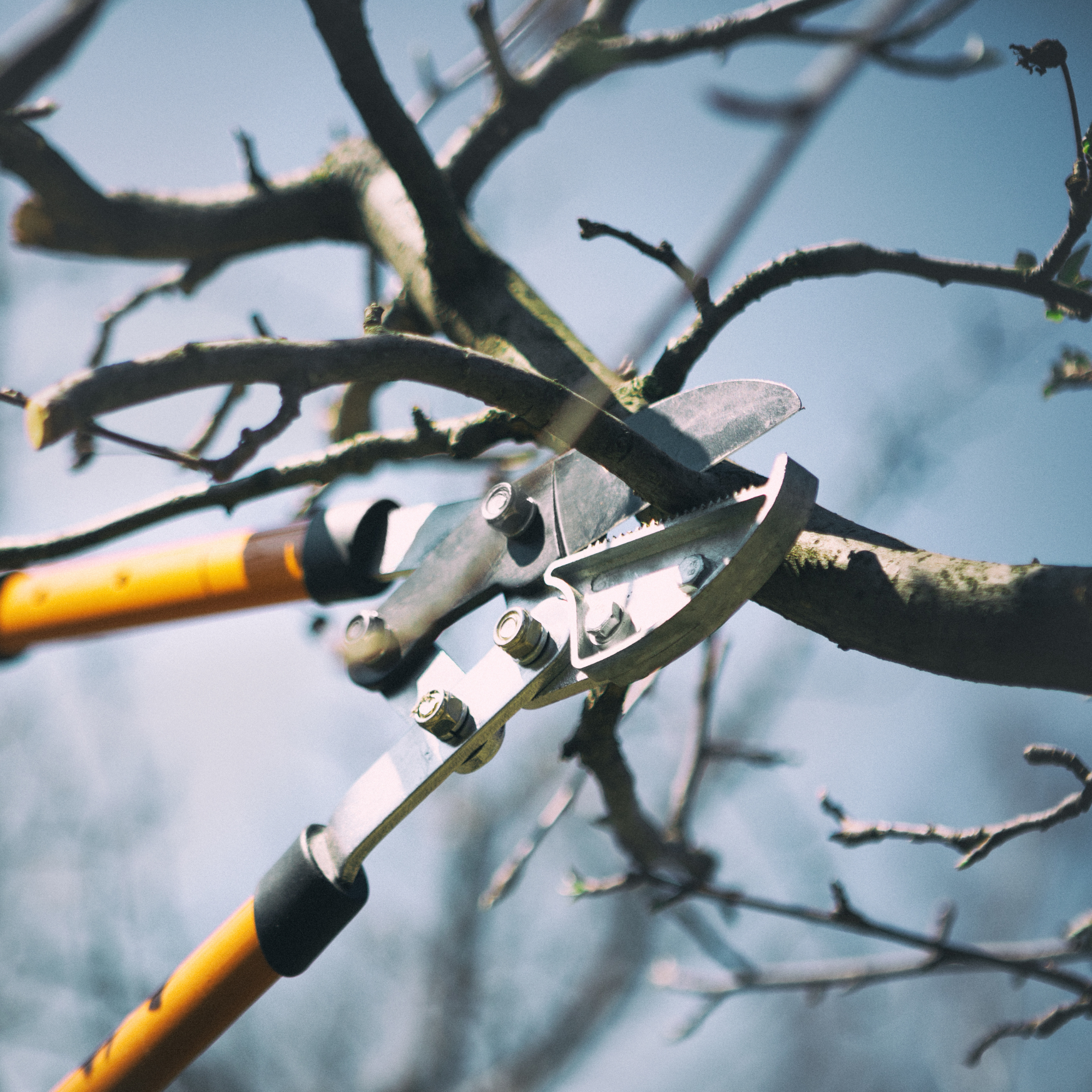
– Targeted pruning to remove deadwood and reduce canopy weight that could lead to failure.
– Soil and fertilization plans tailored to your landscape’s needs, which support overall tree vigor and reduce susceptibility to pests and disease.
– Mulching and proper irrigation practices that promote root health and minimize root stress.
– Continuous monitoring for toxic samples in nearby plantings, ensuring a comprehensive approach to yard safety.
Internal links to support further reading and services
To learn more about how we approach tree care and safety, you can visit related pages on our site:
– Explore our general tree services to see how we address removal, pruning, and health care across a range of tree-related needs.
– For those considering removal, our tree removal service provides a safe, efficient path to clearing hazardous trees.
– If you’re focused on shaping and maintaining your landscape, our tree trimming options help keep trees healthy and aesthetically pleasing.
– Learn more about who we are and how we work on the About Davis Family Arbor page, and when you’re ready to discuss options, contact us through our Contact page.
Conclusion: safeguarding your yard with Davis Family Arbor
Poisonous trees can threaten your yard in subtle ways that become dangerous if left unchecked. The good news is that you don’t have to face this risk alone. Davis Family Arbor combines expert knowledge, safety-first practices, and compassionate customer service to identify hazards, propose practical solutions, and implement removal or care as needed. By choosing us, you gain a partner dedicated to protecting your family, pets, and landscape from the hazards of poisonous trees while preserving the beauty and value of your property. If you suspect a hazardous or poisonous tree on your property, don’t wait for a problem to arise. Reach out to Davis Family Arbor for a no-obligation evaluation and a clear, transparent plan. Let us help you create a safer, healthier yard today. Contact our team to schedule your assessment, or learn more about our services and safety standards by visiting our Services page and reaching