




Intro: A fresh look for your Tulsa yard starts with flowering trees white flowers
Spring brings a brightness to Tulsa, Oklahoma yards, and flowering trees white flowers can be the centerpiece of curb appeal, shade, and seasonal drama. If you’re weighing options for your Tulsa landscape, you’re wise to consider how these trees perform in our climate, how they fit with your home’s architecture, and how much care they require over the years. Flowering trees white flowers are more than just pretty; they can boost property value, support pollinators, and create a welcoming outdoor space for family and friends. In this guide, we’ll walk through practical questions, featured species, landscape design tips, and the maintenance mindset needed to ensure these trees thrive in your yard. If you’d like a hands-on assessment, our team is ready to help with an in-depth plan that covers pruning, health care, and safe removal if needed. You can learn more about the services we offer or contact Davis Family Arbor for a free quote.
Why flowering trees white flowers make sense in Tulsa
Choosing flowering trees white flowers for your Tulsa property offers several tangible benefits. Oklahoma’s climate presents warm summers, cold snaps, and variable rainfall, which means the right species will bloom reliably, resist drought stress, and hold up against storms when properly cared for. Here are the key reasons this choice can elevate your yard:
– Curb appeal and architectural harmony: White blossoms provide a timeless, elegant look that complements brick, stone, and neutral siding. They work well with modern lines, traditional homes, and everything in between.
– Seasonal structure with minimal fuss: Many white flowering trees offer a predictable bloom window in spring, creating a focal point while still allowing for year-round greenery.
– Pollinator support: Flowers that open in spring attract beneficial insects, helping your landscape balance and health.
– Shade and microclimate benefits: As these trees mature, their canopy can shade outdoor living spaces, reduce heat around patios, and improve comfort during Oklahoma summers.
– Property value and resale appeal: Thoughtful tree selections that fit the home design can positively influence curb appeal and perceived value.
As you weigh options, remember that the right tree isn’t just about beauty. It’s about compatibility with Oklahoma’s soil types, heat tolerance, and root competition with nearby features. Our team can help you evaluate microclimates in your yard and recommend flowering trees white flowers that suit your site, irrigation, and maintenance preferences. Explore our Services to see how we approach tree health care, pruning, and removal when necessary, and consider contacting Davis Family Arbor to discuss a plan that meets your goals. For examples of our care philosophy and results, learn about our About Us page and how our certified arborists tailor care to Tulsa conditions.
Species spotlight: white flowering trees and how they fit Tulsa
While there are many options, certain species are particularly well suited for Tulsa’s climate and soil. Below are some representative groups that commonly produce white blossoms and offer reliable performance in Tulsa, Oklahoma landscapes. Always consider site conditions, mature size, and potential disease resistance when choosing.
– White dogwood (Cornus florida): A classic choice with crisp white bracts in spring and a compact growth habit. These trees bring a refined, graceful silhouette to smaller yards or entryway landscapes. They prefer some afternoon shade in hotter spots and well-drained soil.
– Japanese and ornamental cherries (Prunus species): Several cherry varieties bloom in luminous whites, delivering a striking spring display. They tend to be mid-sized, with dramatic flowering that pairs nicely with wood, stone, or brick exteriors. Consider bloom timing and potential damage from late frosts in your area.
– Serviceberry or juneberry (Amelanchier spp.): A multi-season performer with white blossoms in early spring, followed by edible berries and attractive fall color. These trees are adaptable to a range of soils and provide early nectar for pollinators.
– White flowering magnolias (Magnolia spp.): Some magnolias produce large, fragrant white blossoms on a bold, sculpture-like form. They can be slower to mature but offer dramatic presence and a distinct southern landscape aesthetic.
– Fringetree (Chionanthus virginicus): A lighter, refined option with hanging clusters of white blooms. It is usually a smaller tree that suits medium-sized yards and adds a delicate vertical accent.
– Bradford pear (Pyrus calleryana, white blossoms): These trees bloom with abundant white flowers in spring and have a strong presence along streets and driveways. Note that some Bradford pear cultivars have structural weaknesses as they mature; careful selection and pruning by professionals can mitigate risk.
When selecting a species, it’s wise to think about bloom duration, overall tree size at maturity, and the long-term health of the tree in Tulsa’s climate. Our arborists can help you compare options, review disease resistance, and match a species to your yard’s sun exposure and soil type. For a personalized shortlist, explore our detailed services and contact us for a site evaluation.
Design and landscape integration tips for flowering trees white flowers
To get the most from flowering trees white flowers, plan thoughtfully about placement, spacing, and accompanying plantings. The goal is to create a cohesive, balanced look that highlights the blossoms while maintaining healthy root systems and airflow. Consider these practical guidelines:
– Strategic placement: Position flowering trees where their bloom can be enjoyed from windows, sidewalks, and outdoor living spaces. If you want seasonal drama near a patio, choose a tree with a pleasant spring fragrance near seating.
– Spacing and mature size: Know how big the tree will be at maturity and space accordingly to avoid crowding power lines, structures, or other trees. Proper spacing also improves air circulation, reducing disease risk.
– Layered plantings: Pair white flowering trees with complementary shrubs or perennials that fill in after bloom. For example, a low-growing evergreen border beneath a dogwood creates year-round structure, while spring bulbs beneath a blooming tree provide a fresh splash of color.
– Seasonal color balance: Combine flowering trees white flowers with plants that offer different bloom times and foliage textures for continuous interest from spring through fall.
– Soil and irrigation planning: Ensure well-drained soil and a watering plan tailored to root depth. Mulch to conserve moisture and regulate soil temperature, which helps reduce stress on newly planted trees.
– Eye lines and pathways: Use flowering trees to frame entryways or guide views toward focal points like a seating area or a water feature. A well-placed tree can anchor your yard’s composition.
For homeowners who want a professional’s perspective on layout and plant pairings, our team can provide a site-specific design plan. You can review examples of our approach by exploring the Services page. If you’re ready to discuss a customized planting layout, contact us to arrange a consult and review options for your Tulsa yard.
Care and maintenance essentials for flowering trees white flowers
Maintaining flowering trees white flowers requires a practical care plan that respects Oklahoma’s climate. Regular pruning, proper watering, and targeted fertilization help maximize bloom quality and tree health. Here are essential practices to keep in mind:
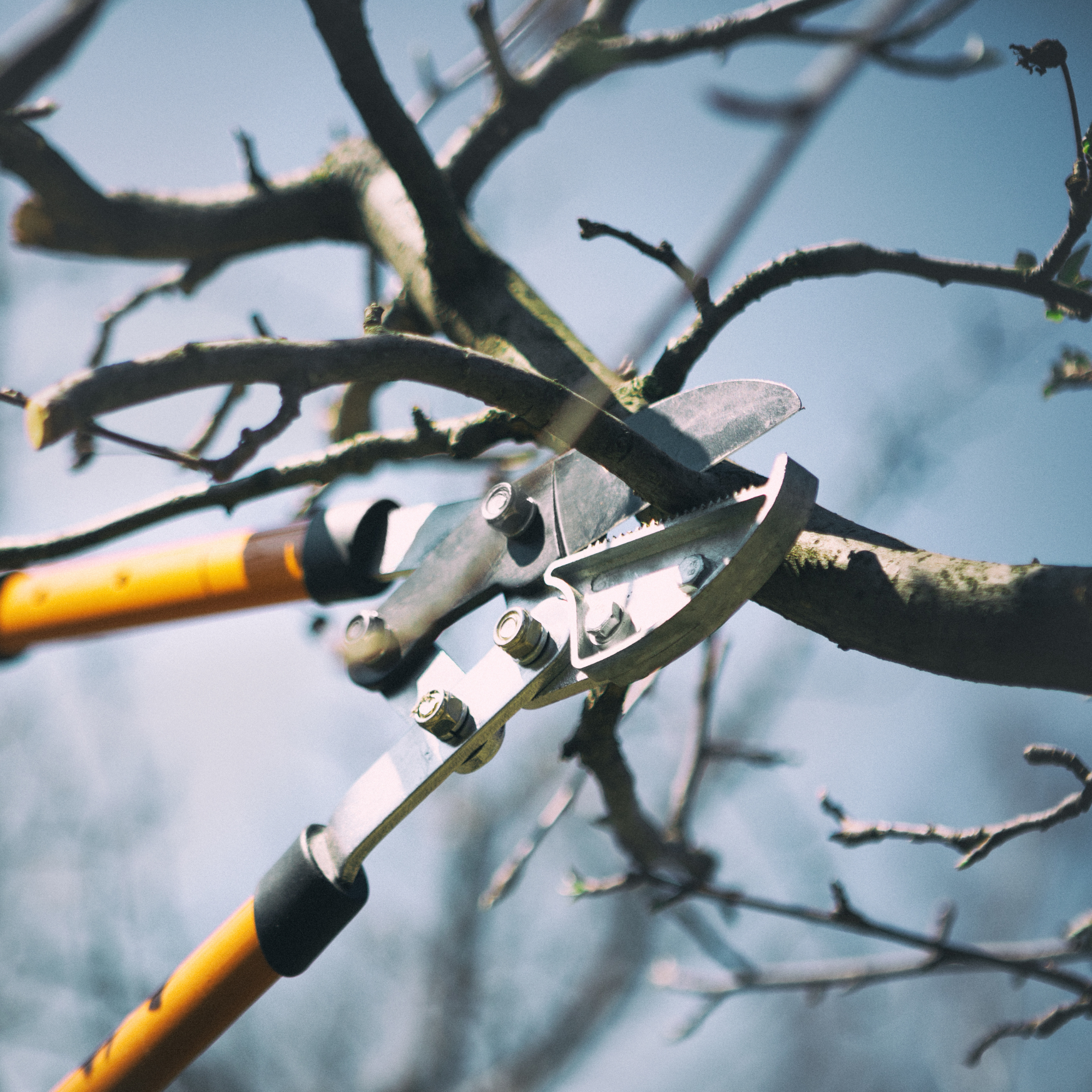
– Timing of pruning: The best approach is to prune after flowering in late spring or early summer for most species. This timing preserves the next season’s bloom while shaping the tree and removing weak or crossing limbs.
– Watering and drought prep: Young trees need steady moisture to establish roots. In dry spells, provide deep, infrequent watering rather than light, frequent feeds. Mulch to retain soil moisture and regulate temperature.
– Fertilization guidelines: In Tulsa, test soil to determine nutrient needs before applying fertilizer. Use a balanced slow-release formula and follow label directions to avoid over-fertilizing, which can lead to excessive growth and vulnerability to pests.
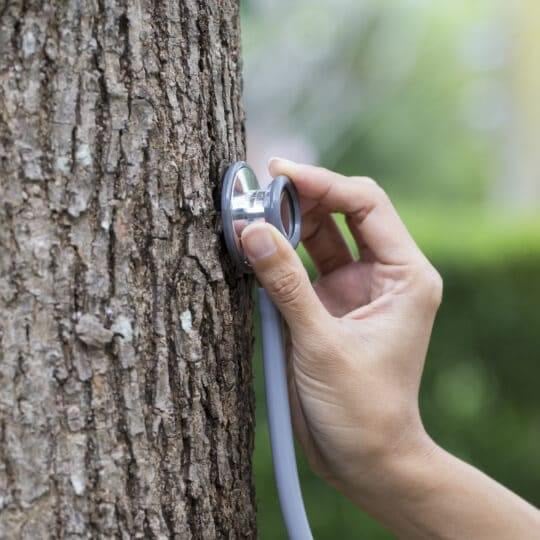
– Pest and disease awareness: White flowering trees can be affected by common pests and diseases. Regular inspection, proper spacing for airflow, and timely treatment help protect blossoms and overall vigor. If you notice unusual spots, leaves with discoloration, or poor growth, consult a professional for diagnosis and treatment.
– Winter protection: Some white flowering trees benefit from winter protection or wrap for young trunks in harsher cold snaps. A professional can recommend the right approach for your species.
For ongoing health care that keeps your trees thriving, consider a proactive maintenance plan. Our arborists bring expertise in pruning, soil care, and plant health care strategies that align with Tulsa’s seasonal patterns. To learn more about how we approach comprehensive tree health, browse our Services and About Us pages, or reach out via our Contact page to discuss an individualized care program.
Common concerns for white flowering trees in Oklahoma
Every landscape has its unique challenges, and flowering trees white flowers are no exception. Being aware of potential pitfalls helps you enjoy a lush, resilient display year after year. Here are some common concerns and practical ways to address them:
– Late frosts and bloom damage: Oklahoma weather can surprise with late cold snaps that damage petals. Plant selection and site planning, along with resilient varieties, can mitigate this risk. Professional guidance helps choose trees with a bloom window that aligns with local temperatures.
– Structural integrity and storm risk: Some flowering trees are more susceptible to branch failure in storms. Proper pruning and structural training by an experienced arborist reduce risk and protect nearby structures and pedestrians.
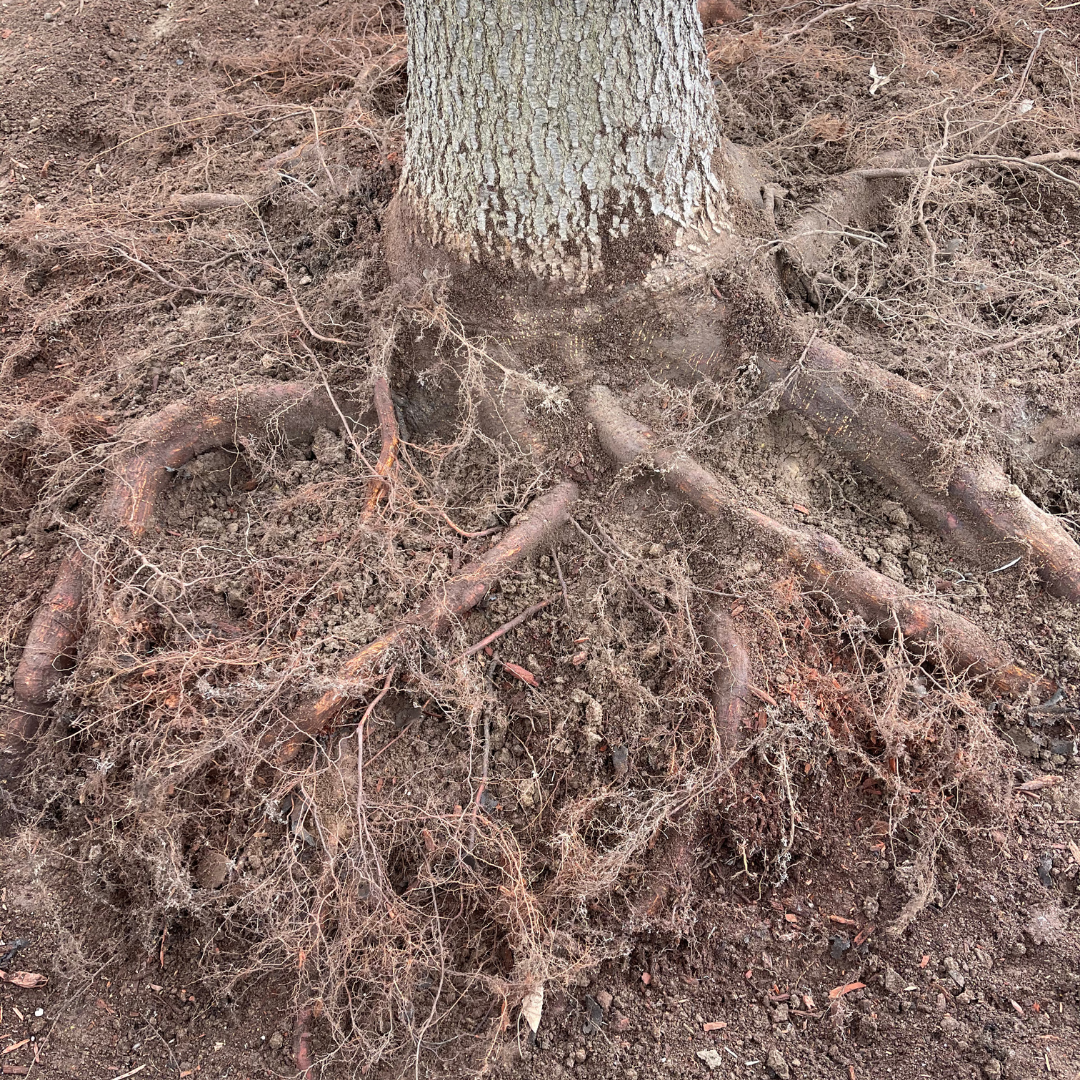
– Soil drainage issues: Poor drainage can lead to root problems and poor bloom. Amending soil and providing adequate irrigation management can help trees establish strong roots.
– Pest pressure and disease: Regular scouting for pests and disease is essential, especially after wet winters or springs. Early intervention helps preserve bloom quality and tree health.
If you’re noticing telltale signs of stress, damage, or decline, it’s wise to contact an expert for a health assessment. Our team can perform a thorough evaluation and provide targeted recommendations, including pruning, treatment, or removal if necessary. You can learn more about how we approach tree health care by visiting our services, and the knowledgeable staff at Davis Family Arbor is ready to help with a clear plan.
When to call in the professionals
While a lot of care can be done by homeowners, there are times when professional expertise is essential. Specifically for flowering trees white flowers in Tulsa, consider reaching out to Davis Family Arbor for:
– Diagnostic health assessments and treatment plans
– Safe pruning and shaping that protects bloom cycles
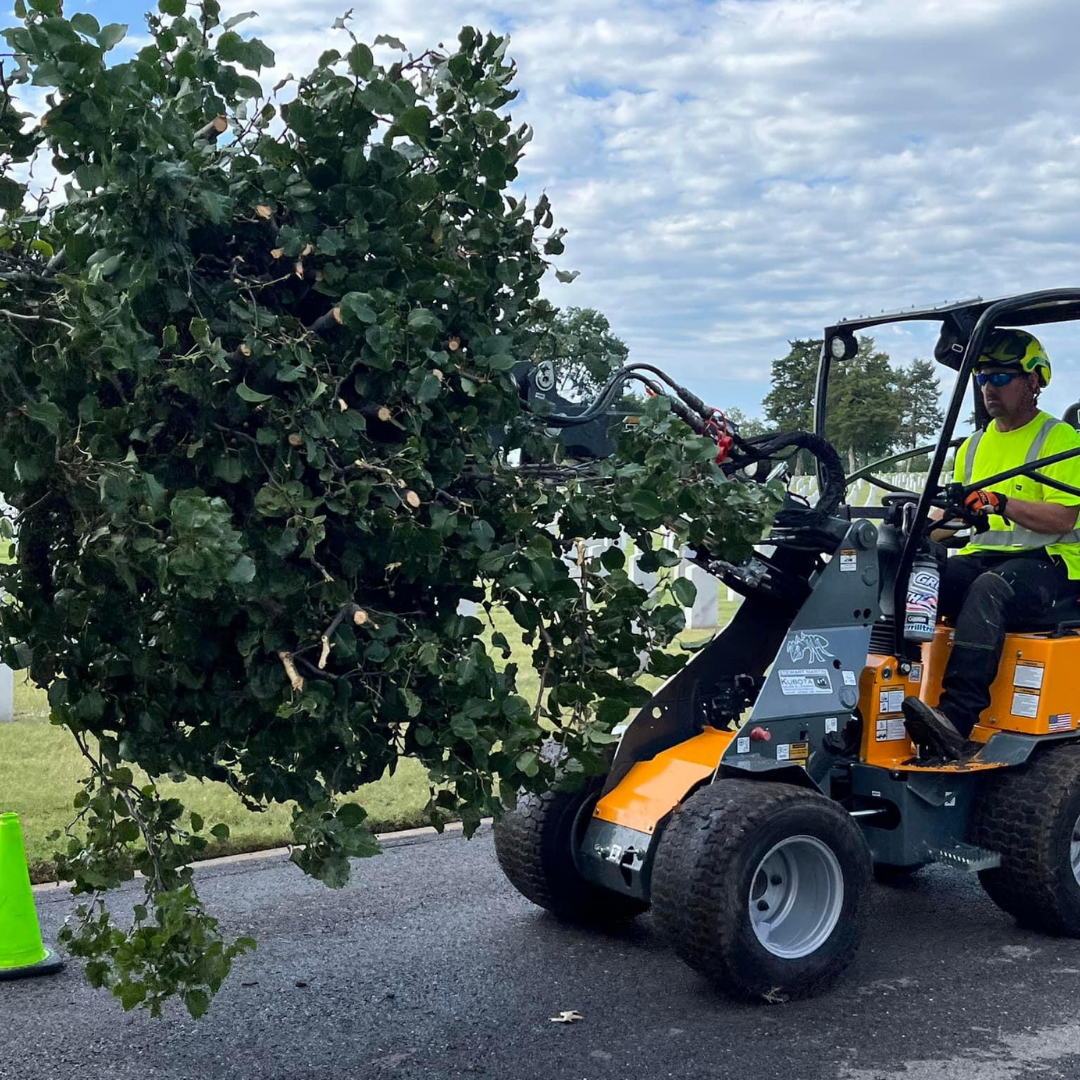
– Tree removal for dangerous or declining trees
– Comprehensive yard care, including integration with other landscape features
To explore how our team can help, review our wide range of services or contact us for a free quote. Our internal resources emphasize safe practices, tree health care, and meticulous work. For background on our approach and qualifications, you may want to read more on About Us or consult our Services page for detailed information about pruning, removal, and general tree health care. When you’re ready to take the next step, reach out through our Contact page to set up a consultation and learn how flowering trees white flowers can enhance your Tulsa yard.
Conclusion: Elevate your Tulsa yard with flowering trees white flowers and professional support
Flowering trees white flowers can be a striking, enduring addition to your Oklahoma property. By selecting appropriate species, planning thoughtful placement, and investing in informed care, you’ll enjoy a vibrant spring display while building a healthier landscape for years to come. The right tree design adds seasonal charm without compromising safety or long-term health.
If you’re ready to transform your yard with flowering trees white flowers, Davis Family Arbor is here to help. Our certified arborists provide safe tree health care, pruning and removal, and a comprehensive approach to landscape health. From selecting the best species for Tulsa to performing precise pruning and maintenance, we tailor our services to your yard’s unique needs. Explore our Services to see what we offer, and don’t hesitate to contact us to schedule a free quote. For a deeper look at our expertise and philosophy, learn about Davis Family Arbor on About Us and feel free to reach out via the Contact page to begin your project today. Your yard deserves careful planning, professional care, and the beauty of flowering trees white flowers.