




Pruning is one of the best ways to invest in the long-term health and vitality of your trees. If you have been searching for pruning services near me, you’re not alone—homeowners in Tulsa and the surrounding areas rely on skilled arborists to protect property and enhance landscape value. At Davis Family Arbor, our certified arborists bring years of experience, a safety-first approach, and precise pruning techniques designed to boost tree health, structure, and beauty. This article explores how professional pruning services near me can make a real difference for your trees, what to expect from a reputable provider, and why Davis Family Arbor stands out in Tulsa.
Why Pruning Services Near Me Matter for Tree Health
Pruning is not simply about removing branches; it is a strategic practice that influences how a tree grows for years to come. When done correctly, pruning:
– Increases structural integrity by guiding branch growth and reducing weak attachments that can fail in storms.
– Improves air circulation and sunlight penetration, which helps foliage stay healthier and reduces the risk of fungal disease.
– Removes dead, diseased, or damaged wood before problems spread, protecting the tree’s overall health.
– Encourages desired growth forms in young trees, setting up strong frameworks that support future fruit, flowers, or shade.
– Reduces hazards by trimming branches that overhang driveways, sidewalks, or roofs, creating safer properties.
If you’re seeking pruning services near me, the value is not just in the cut but in the plan behind it. A professional approach blends health assessments with aesthetic goals, ensuring your trees remain safe, vigorous, and visually appealing year after year.
Understanding Different Pruning Techniques
There are several pruning techniques, each suited to different tree species, ages, and objectives. A skilled arborist will assess your trees and apply the method that delivers the best balance of health and appearance.
– Structural pruning for young trees: Guides early branch development to develop a strong trunk and an optimal branching pattern.
– Crown thinning: Selectively removes interior branches to improve airflow and light without sacrificing mass.
– Crown reduction: Reduces the overall size of a tree while maintaining its natural shape, useful for avoiding conflicts with structures or utilities.
– Pollarding and topiary shaping: Specialized forms for certain species where dramatic but controlled growth is desired.
– Deadwood removal: Safe and efficient removal of dead or dying wood to prevent decay and pest infiltration.
– Maintenance pruning: Regular light trimming to encourage healthy growth and keep trees looking tidy.
For many homeowners, a single pruning session can address multiple concerns—structure, health, safety, and appearance—especially when performed by a crew with both technical skill and a respect for your landscape. When evaluating pruning services near me, ask how the provider chooses techniques for different species and ages, and how they minimize disruption to surrounding plants and lawn.
How to Choose Pruning Services Near Me Wisely
Choosing the right pruning partner is essential for long-term tree health. Here are practical steps to ensure you find a trusted team:
– Verify credentials and safety practices: Look for ISA Certified Arborists or equivalent credentials, comprehensive insurance, and a published safety program. These indicators show a commitment to professional standards and client protection.
– Request references and examples: Reputable arborists are happy to share case studies or client testimonials. Ask to see before-and-after photos, especially for trees similar to yours.
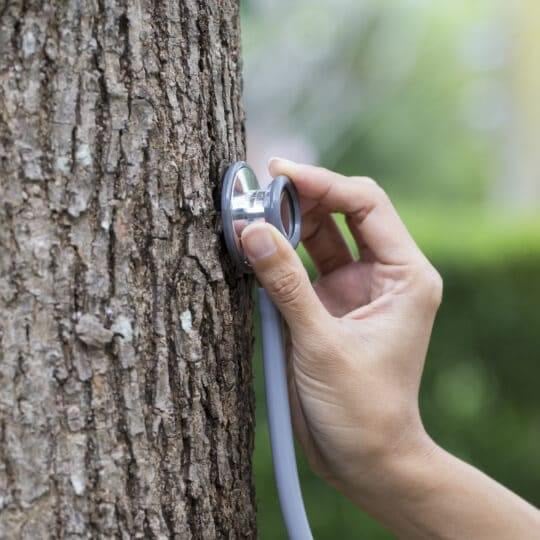
– Assess their approach to health and diagnostics: A strong pruning plan starts with an on-site health assessment, disease and pest checks, and a detailed pruning plan with rationale.
– Understand the scope and aftercare: A good provider explains what will be removed, why, and what follow-up care is needed, including watering, mulching, or follow-up pruning intervals.
– Compare transparent pricing: Transparent quotes with itemized line items help avoid surprises and ensure you’re receiving value for the work performed.
If you’re specifically searching for pruning services near me in Tulsa, you’ll want a partner with a local track record, familiarity with native species, and a reputation for reliability. Davis Family Arbor meets these criteria through certified arborists, a safety-first mindset, and commitment to client satisfaction. To learn more about our full range of offerings, visit our Services page and see how pruning is integrated with Tree Trimming and other essential services. You can explore details about pruning on our dedicated page here: pruning services near me.
What Davis Family Arbor Brings to Your Trees
Davis Family Arbor combines local expertise with a nationwide standard of arboriculture practice. Our team is composed of certified arborists who specialize in precision pruning, safety, and long-term tree health. When you choose Davis Family Arbor, you’re choosing:
– Certified professionals who diagnose tree health and tailor pruning plans to species, age, and site conditions.
– A careful, methodical approach that preserves tree structure while removing hazards and promoting vigor.
– Comprehensive care, from initial assessment to post-work cleanup and seasonal maintenance recommendations.
– Transparent communication and reliable scheduling that respects your time and property.
For homeowners looking to improve overall landscape health, pruning is just one aspect of our broader services. We also offer careful tree removal when necessary, along with skilled tree trimming that shapes trees for aesthetics and safety. To see how pruning fits within a broader care plan, review our services and related offerings at Tree Trimming and Tree Removal, and learn more about our team at About Us.
If you want to explore the specific benefits of pruning for mature trees versus young trees, our team can provide case studies and species-specific guidance. We’re committed to helping you make informed decisions that align with your goals and your yard’s needs. For immediate questions, you can reach out through our Contact page, or request a free quote to begin the process.
Our Step-by-Step Pruning Process
A well-defined process ensures safety, efficiency, and visible improvements in tree health and appearance. Here is how we typically approach pruning projects:
– Step 1: Free on-site assessment and health check. We evaluate structure, disease presence, pest activity, decay, and potential hazards.
– Step 2: Custom pruning plan. We outline the goals for the tree, the techniques to be used, and the expected outcomes, including safety considerations for people and property.
– Step 3: Preparation and safety planning. We identify required equipment, protect surrounding plants, and set up containment measures as needed.
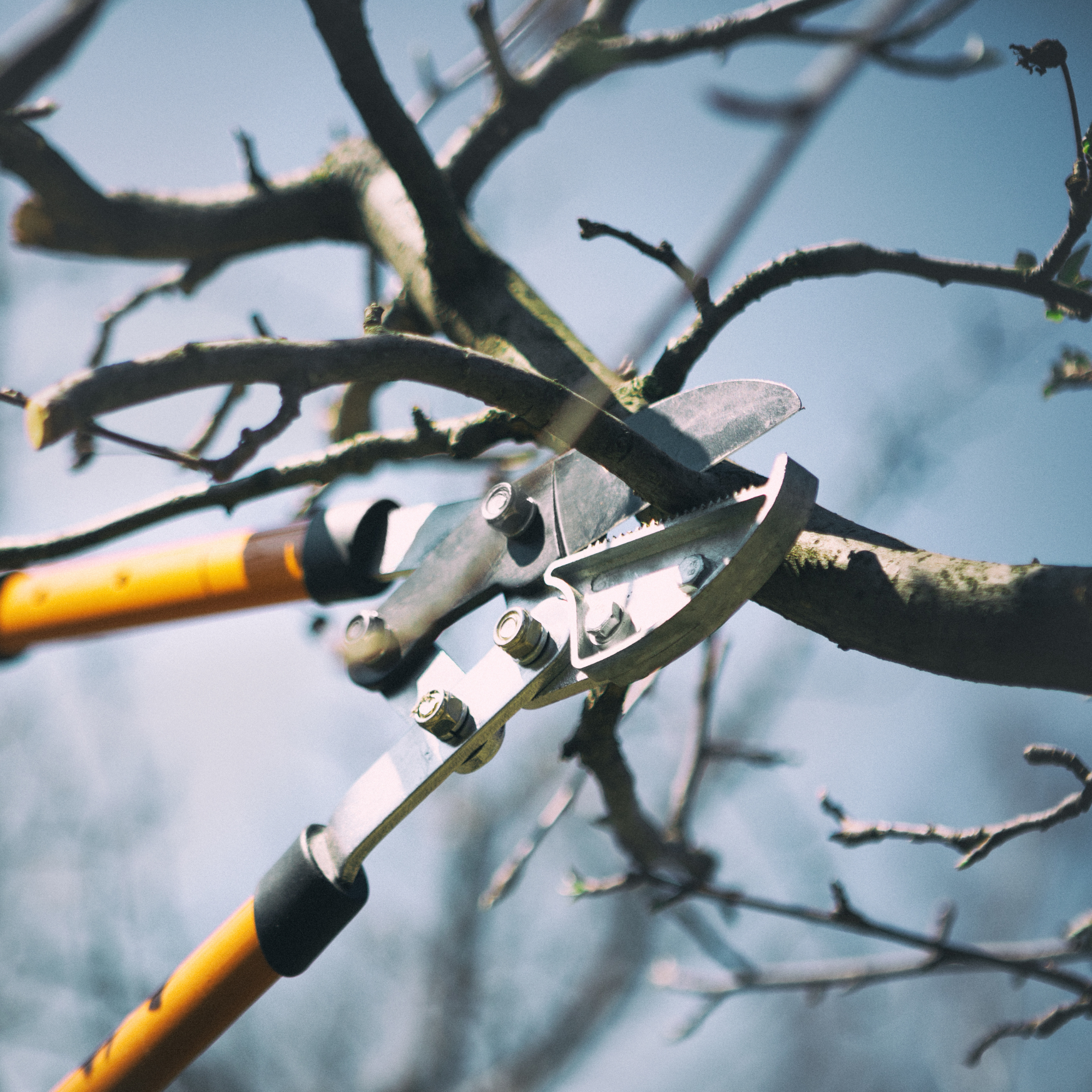
– Step 4: Pruning execution. Our certified arborists apply precise cuts that maintain the tree’s natural form and health, using tool selections appropriate for species and branch diameter.
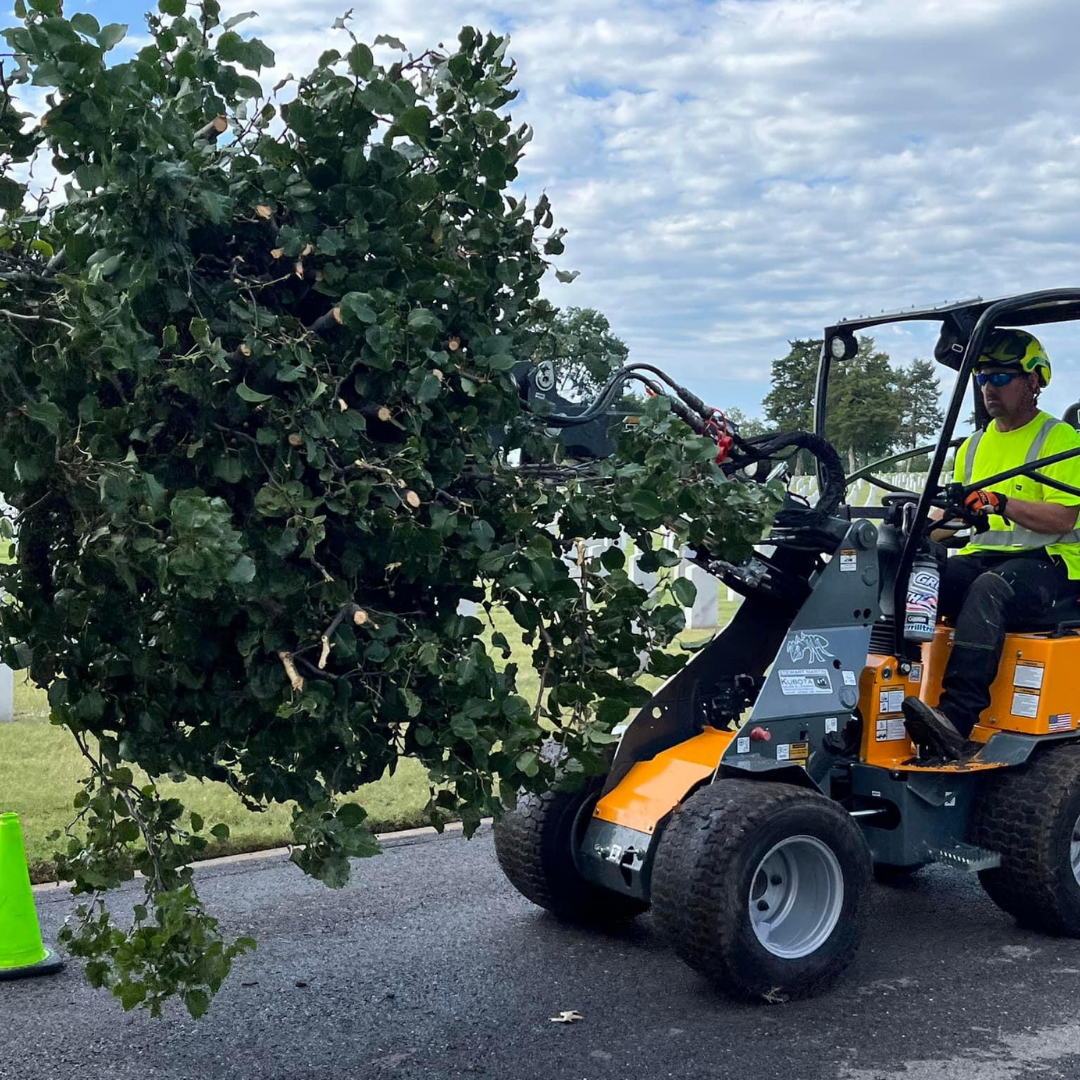
– Step 5: Cleanup and debris management. We remove waste, leave the area neat, and provide guidance on mulching and aftercare.
– Step 6: Follow-up and monitoring. We schedule a post-pruning check or a seasonal maintenance plan to ensure ongoing health and vigor.
If you’re curious about how pruning near me can be integrated with a broader tree care strategy, explore how our services complement each other on the Services page and in our About Us section. For a practical example of how pruning improves light exposure and growth, you can review our case studies linked from the services hub: tree trimming and tree removal.
Seasonal Strategies for Pruning
Tulsa’s climate means timing matters for pruning. Some species benefit from late winter or early spring pruning before bud break, while others respond better after leaf-out or in late summer. Benefits of seasonal pruning include:
– Young trees: Structural pruning during dormancy helps set strong growth patterns for decades.
– Fruit-bearing trees: Timing can maximize flowering and fruit production, with attention to harvest windows.
– Flowering trees: Pruning immediately after flowering preserves next year’s blooms while