



Emergency tree removal near me in Tulsa: quick, safe, and reliable
When a storm leaves a hazardous tree leaning toward your roof, a car, or power lines, time is of the essence. In Tulsa, where severe weather can create sudden emergencies, you need a trusted partner who can respond rapidly with safety as the top priority. Davis Family Arbor offers certified arborists who understand the urgency of emergency tree removal near me and the expertise required to handle hazardous trees without risking further damage. This article explains what makes emergency removal in Tulsa safer, how to recognize a reliable crew, and how Davis Family Arbor can help you regain peace of mind quickly.
Why emergency tree removal near me matters in Tulsa
Hazardous trees create three major risks: property damage, personal injury, and utility interruptions. A compromised limb or trunk can fail at any moment, especially when roots are stressed by wind or saturated soil. In these moments, homeowners benefit from a coordinated approach that combines rapid response with professional assessment. The right team will not only remove the threat but also protect people nearby, minimize collateral damage, and plan for future tree health to reduce similar risks.
What certified arborists bring to emergency removal near me
When you search for emergency tree removal near me, you want specialists who blend speed with safety. Certified arborists bring a combination of credentials, experience, and equipment that sets them apart from general tree removal services. Here are the core advantages:
– Professional qualifications: Arborists who hold certification from respected organizations have demonstrated knowledge in tree biology, pruning methods, hazard assessment, and repair strategies. This background helps them evaluate whether a tree can be saved and how to remove it with the least impact on surrounding structures.
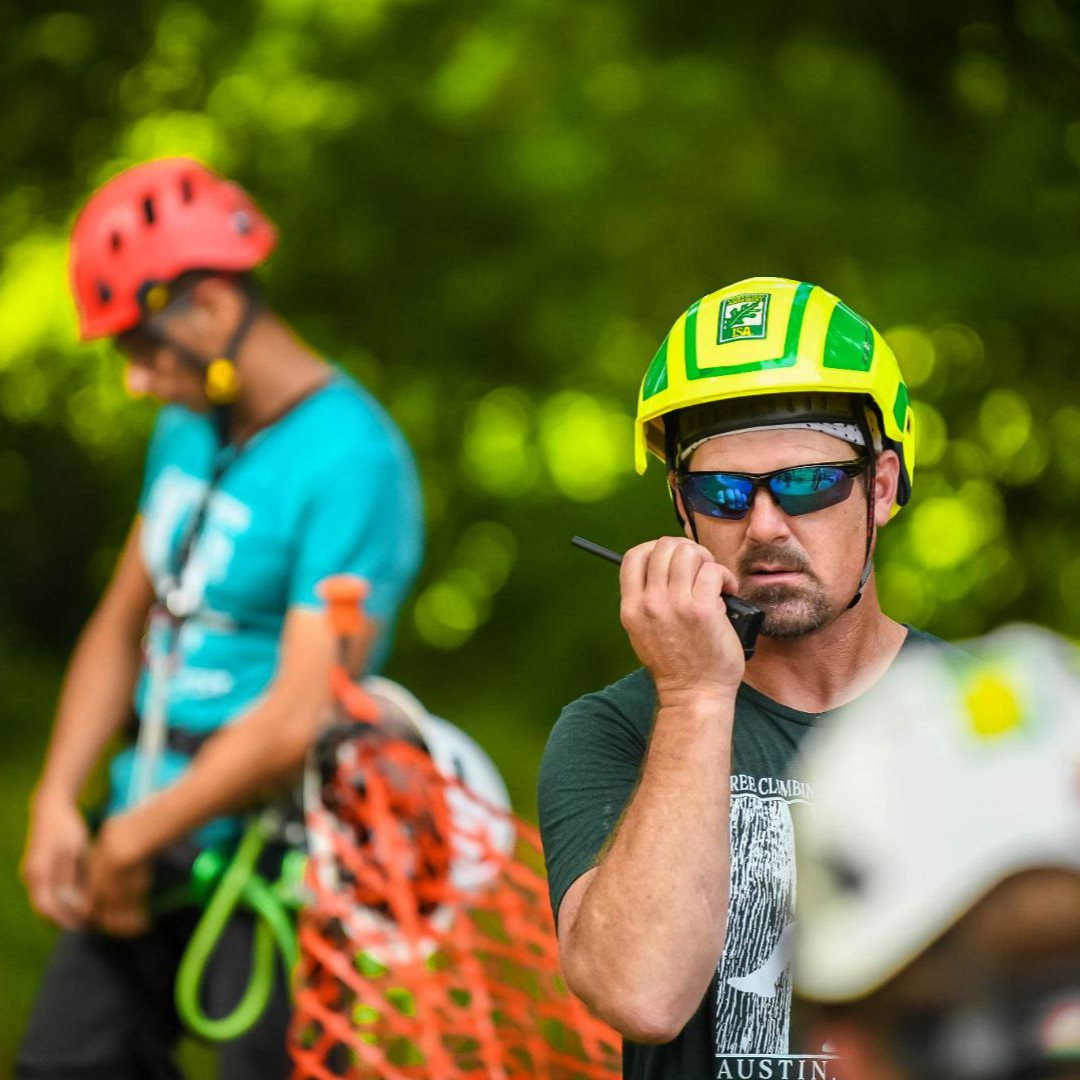
– Comprehensive safety practices: Hazardous removals require strict adherence to safety protocols, including site evaluation, PPE, fall protection, and controlled cutting procedures. Certification signals a commitment to reducing risk for crew members and occupants.
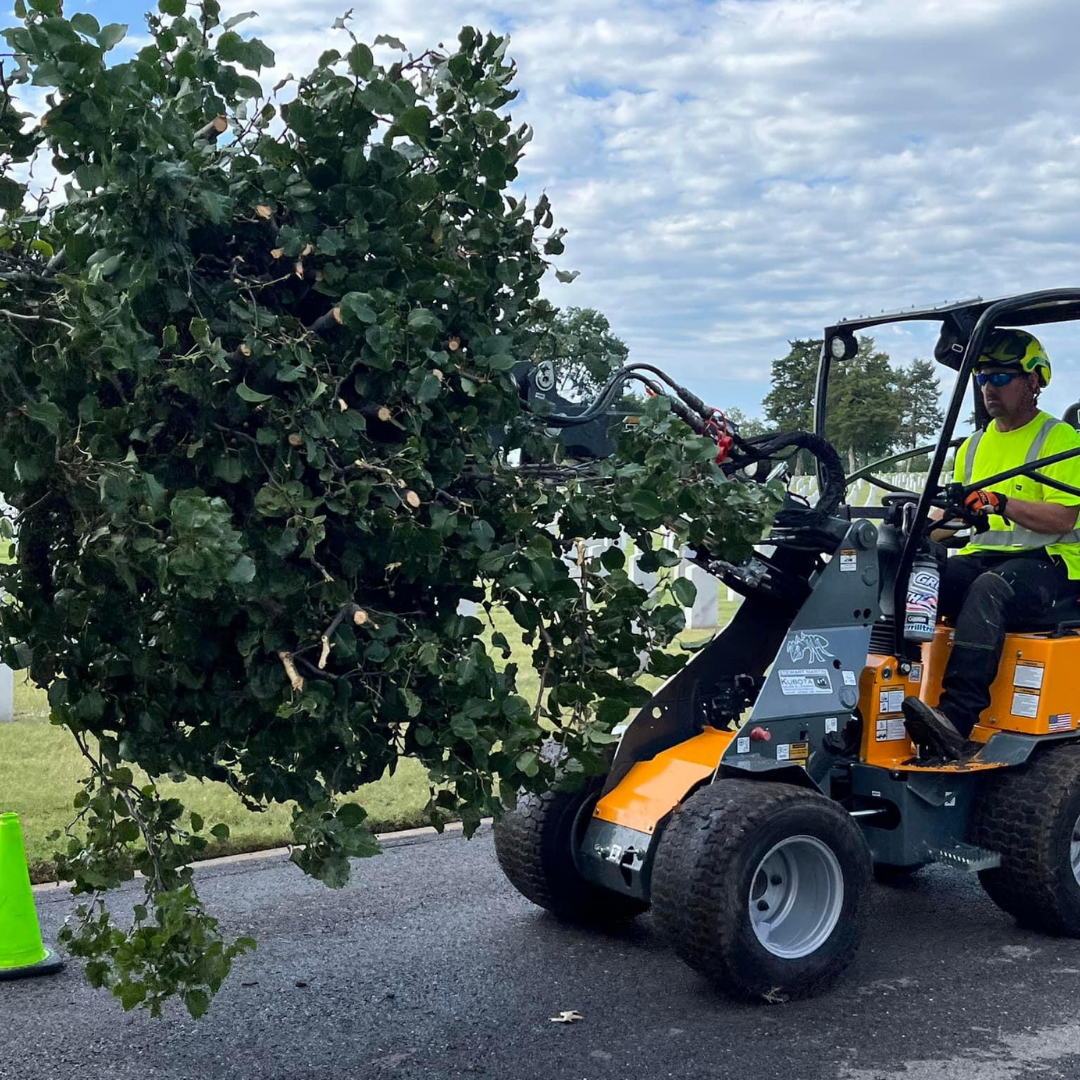
– Advanced equipment and technique: From modular lifting systems to ropes, rigging, and cranes when needed, certified teams deploy the right tools for complex removals. They also know how to sequence cuts to prevent energy release and preserve as much landscape as possible.
– Insurance and accountability: Reputable arborists carry liability coverage and worker’s compensation, providing you with financial protection and peace of mind if unforeseen issues arise during the project.
Davis Family Arbor understands that emergency work demands both speed and accuracy. Our certified arborists bring a disciplined approach that prioritizes safety, minimizes property loss, and preserves as much healthy tree material as possible when feasible. To learn more about our specialized emergency services, you can explore our emergency tree removal near me options on our site. For additional context about the team and approach, consider visiting our About Us page to see the standards that guide every job. If you’re ever unsure about a provider, reading our customer-centered process can help you compare expectations with practice.
Davis Family Arbor: a fast, local, and dependable response
Tulsa residents know that weather and urban landscapes require a local partner who can respond quickly, 24/7. Davis Family Arbor is founded on the premise that emergencies don’t wait for business hours, so a rapid dispatch system is in place to reach you promptly. Our approach to emergency tree removal near me includes:
– 24/7 dispatch and on-site assessment: A swift phone intake leads to an on-site evaluation within the shortest possible time. The goal is to determine structural stability, wind load risks, and the best removal sequence while keeping bystanders at a safe distance.
– Safety-first culture: Before any cutting begins, the team secures the site, establishes exclusion zones, and communicates plans to property owners. We coordinate with utility providers if power lines are involved to prevent further hazards.
– Stepwise removal plan: Complex hazard trees are broken down into manageable segments. The crew uses controlled cuts and rigging to lower limbs safely without damaging nearby structures, vehicles, or landscaping.
– Site restoration options: After the tree is removed, we sweep the area for debris, haul away waste, and offer post-removal care options like pruning, trimming of nearby trees, or stump management to improve the overall landscape health.
– Clear documentation and follow-up: We provide a written summary of the work performed and recommendations for aftercare, so you know what to expect next and can plan accordingly. To learn more about our general services in addition to emergency work, see our tree removal and tree trimming pages.
During a crisis, the fastest way to reach us is through our emergency line, and you can trust that our team will arrive equipped to handle your situation. If you want to see how we structure our services, you can review our Services page for a fuller picture of the capabilities that support emergency responses, including the full scope of tree removal work. To understand the people behind the service, the About Us section outlines the values and training that keep Davis Family Arbor at the forefront of local arbor care. When you’re ready to take the next step, our Contact page makes it easy to initiate a quote or consultation.
The emergency removal process in practice
A well-coordinated process reduces risk and speeds up resolution. Here is a typical flow you can expect when you call for emergency tree removal near me:
– Rapid call intake and priority assignment: The dispatcher collects critical details such as location, tree condition, proximity to structures, and presence of power lines. This helps prioritize the call and mobilize the right crew with the correct equipment.
– On-site hazard evaluation: The arborist performs a quick risk assessment, checks soil stability, and identifies any non-structural hazards like hanging limbs that could drop during removal.
– Protective measures and area control: Fencing, caution tape, and traffic control may be set up to keep pedestrians and vehicles at a safe distance while the crew works.
– Removal strategy and execution: Depending on the tree, the plan may involve sectional lowering, controlled felling, or rope-assisted cutting to manage weight and direction of fall.
– Debris management and site cleanup: The team clears branches, trims to a safe footprint, and removes debris to prevent secondary hazards. If needed, stump grinding and restoration can be scheduled