




Flowering Trees White Flowers in Tulsa: Is Davis Family Arbor the Best Choice for Tulsa Tree Health and Removal?
Introduction
Tulsa’s landscapes come alive each spring with flowering trees white flowers that brighten streets, yards, and parks. Those pristine white blossoms are a sight to behold, but behind their beauty lies a tree that needs careful care to thrive. If you’re considering how to keep your flowering trees white flowers healthy year after year, you’re in the right place. Davis Family Arbor specializes in the health of Tulsa trees, offering expert tree health checks, safe removals when necessary, and free quotes to help you plan with confidence. This article dives into why flowering trees white flowers deserve proactive care, what to look for in healthy specimens, and how our local arborists approach Tulsa tree care with safety, science, and a customer-first mindset. You’ll also find practical tips, common pitfalls, and clear steps to partner with a trusted tree care provider.
Caring for flowering trees white flowers in Tulsa
Tulsa’s climate presents both opportunities and challenges for flowering trees white flowers. The right species, smart planting, and ongoing maintenance can help your trees deliver spectacular blooms while staying strong through heat, pests, and storms. Here’s what every homeowner should know to maximize health and beauty:
– Understand your tree’s growth cycle: Most flowering trees white flowers bloom in spring, then allocate energy to leaf development and root growth through summer. Pruning at the right time preserves bloom potential while reducing stress.
– Water wisely and mulch thoughtfully: Deep, infrequent watering encourages deep roots. Mulch to conserve moisture, regulate soil temperature, and suppress weeds, but keep mulch a few inches away from the trunk to prevent rot.
– Feed with purpose: A soil test can identify nutrient gaps. Use a balanced, slow-release fertilizer in accordance with tree type and local recommendations to support steady growth and vibrant blossoms.
– Watch for the telltale signs of trouble: Yellowing leaves, thinning canopies, persistent leaf spots, oddly sparse blooms, or cracking branches can signal disease, pest pressure, or soil issues. Early detection saves more extensive interventions later.
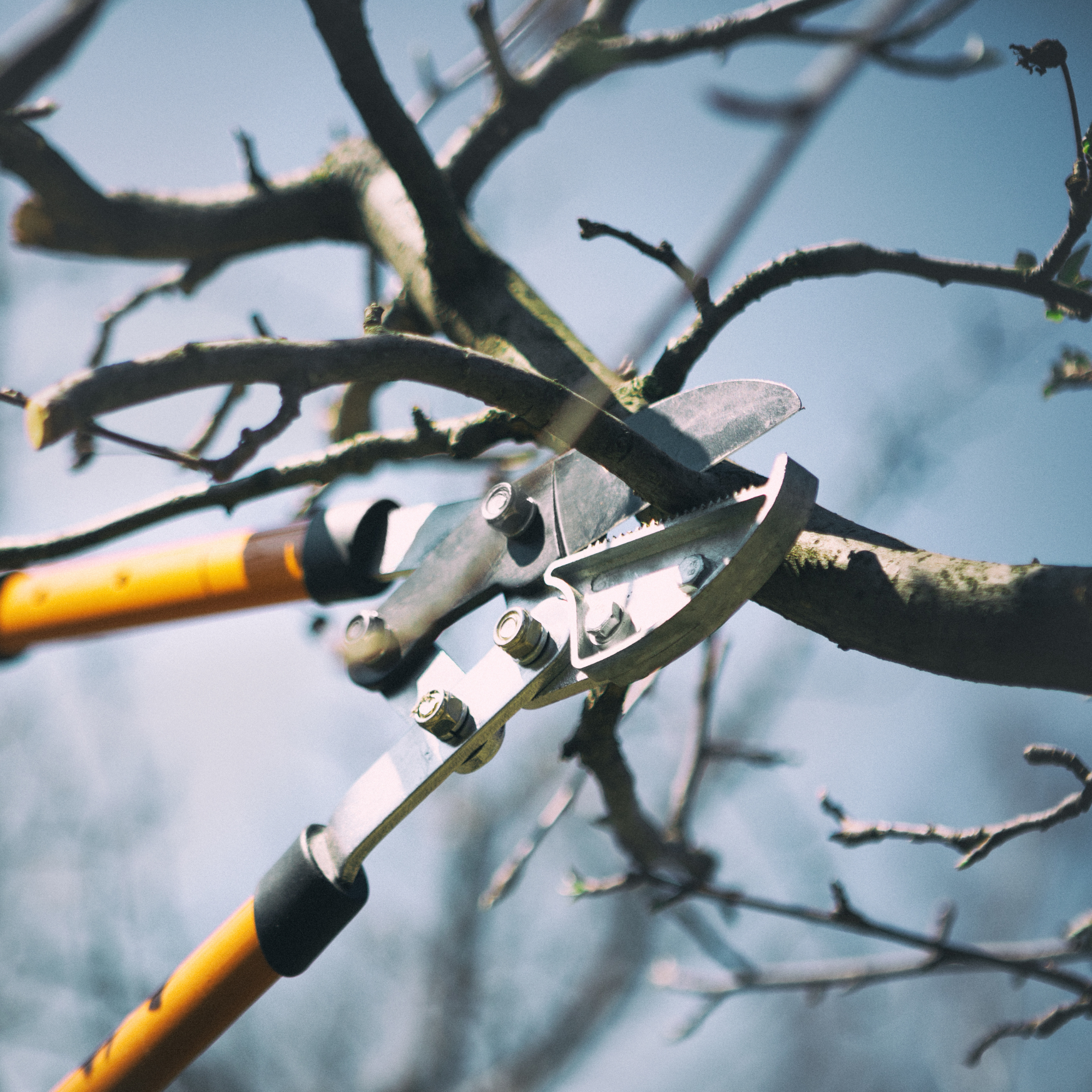
– Prune with care: Pruning during the dormant season or immediately after flowering is often best for flowering trees white flowers. Correct cuts promote strong structure and prevent weak points that invite disease.
– Protect from pests and disease: Common concerns include powdery mildew, scale insects, aphids, and fungal infections. A proactive approach, including targeted treatments when needed, helps keep trees resilient.
Common flowering trees white flowers for Tulsa landscapes
Choosing the right flowering trees white flowers for your property is essential. The goal is a blend of dependable health, manageable growth, and the elegance of white blossoms. Here are several options commonly suited for Tulsa gardens, along with care notes:
– White flowering dogwood (Cornus florida): Iconic bloom beauty, elegant form, and relatively manageable size make it a favorite. Consistent moisture and good air circulation help prevent diseases like powdery mildew.
– Bradford pear (Pyrus calleryana ‘Bradford’): Known for abundant white blossoms in early spring, but be mindful of structural pruning and growth size. Regular health checks help catch weak limbs or storm damage early.
– Ornamental cherry trees with white blossoms (Prunus species): Soft, cascading blooms can create a dreamy spring display. They may require a bit more attention to disease pressure and pruning to maintain shape.
– White flowering crabapple (Malus spp.): Bright, showy blossoms that pair well with other trees. Ensure adequate space and monitor for rust, canker, or apple-related pests.
– Serviceberry (Amelanchier spp.): White spring flowers and attractive fall color. Moderate size and good multi-season interest, with attention to soil moisture and trunk health.
Healthy flowering trees white flowers also benefit from pairing with compatible understory plants and appropriate irrigation strategies. For a tailored species list that fits your soil, sun exposure, and irrigation setup, our arborists can assess your site and recommend a plan. Learn more about our Services (https://davisfamilyarbor.com/services) to see how we tailor recommendations for Tulsa yards.
Maintaining the health of flowering trees white flowers: best practices
Proactive maintenance is the key to sustaining flowering trees white flowers over many seasons. Here are practical steps you can take, with insight from certified arborists:
– Schedule regular health checks: A yearly or seasonal tree health assessment helps detect issues before they escalate. Early intervention reduces risk and protects you from costly removals later.
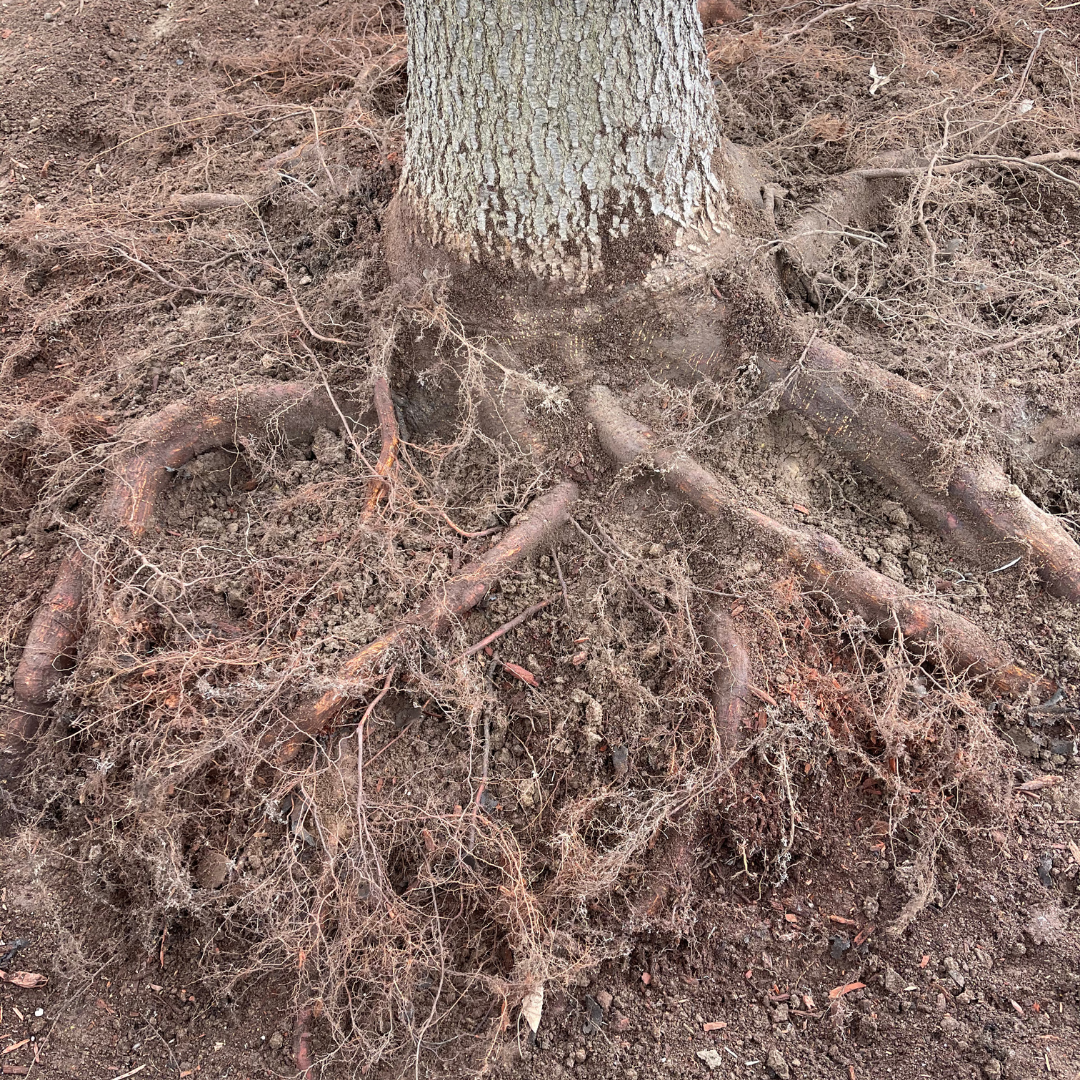
– Optimize soil and root health: Compacted soils, poor drainage, or low organic matter can stress trees. Soil amendments and aeration strategies may be recommended after a professional assessment.
– Prune for structure and safety: Proper pruning supports a stronger framework, reduces wind damage risk, and preserves flowering capacity. Avoid over-pruning, which can stress the tree.
– Monitor around the canopy: Keep an eye on branches that rub on structures, wires, or other limbs. Strategic trimming can prevent future damage and enhance airflow.
– Plan for storm resilience: Tulsa weather can bring heavy winds. Structural pruning, health checks, and corrective actions help ensure trees withstand storms and reduce hazardous risk.
– Consider a maintenance contract: Regular service from a trusted partner can include trimming, disease management, and light fertilization, giving you peace of mind and consistent results.
Our approach to flowering trees white flowers care in Tulsa
Davis Family Arbor brings a proven, science-based approach to caring for flowering trees white flowers in Tulsa. Our process prioritizes safety, precision, and accessible communication. Here’s how we help you protect and enhance your landscape:
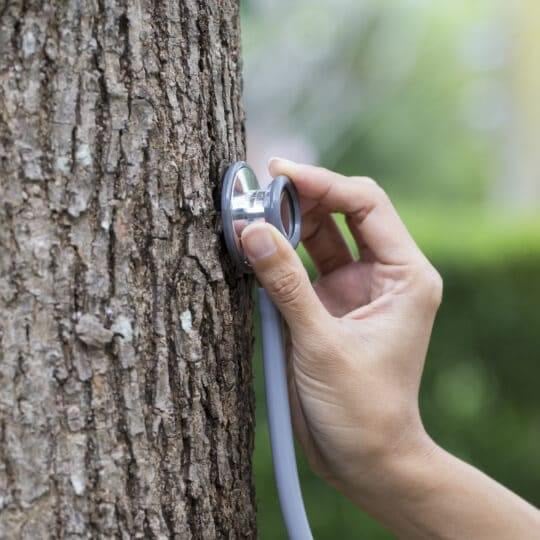
– Comprehensive tree health checks: Our certified arborists assess root health, canopy vigor, soil conditions, moisture levels, and pest/disease pressure. This multi-faceted view helps tailor treatment plans that are effective and minimally disruptive.
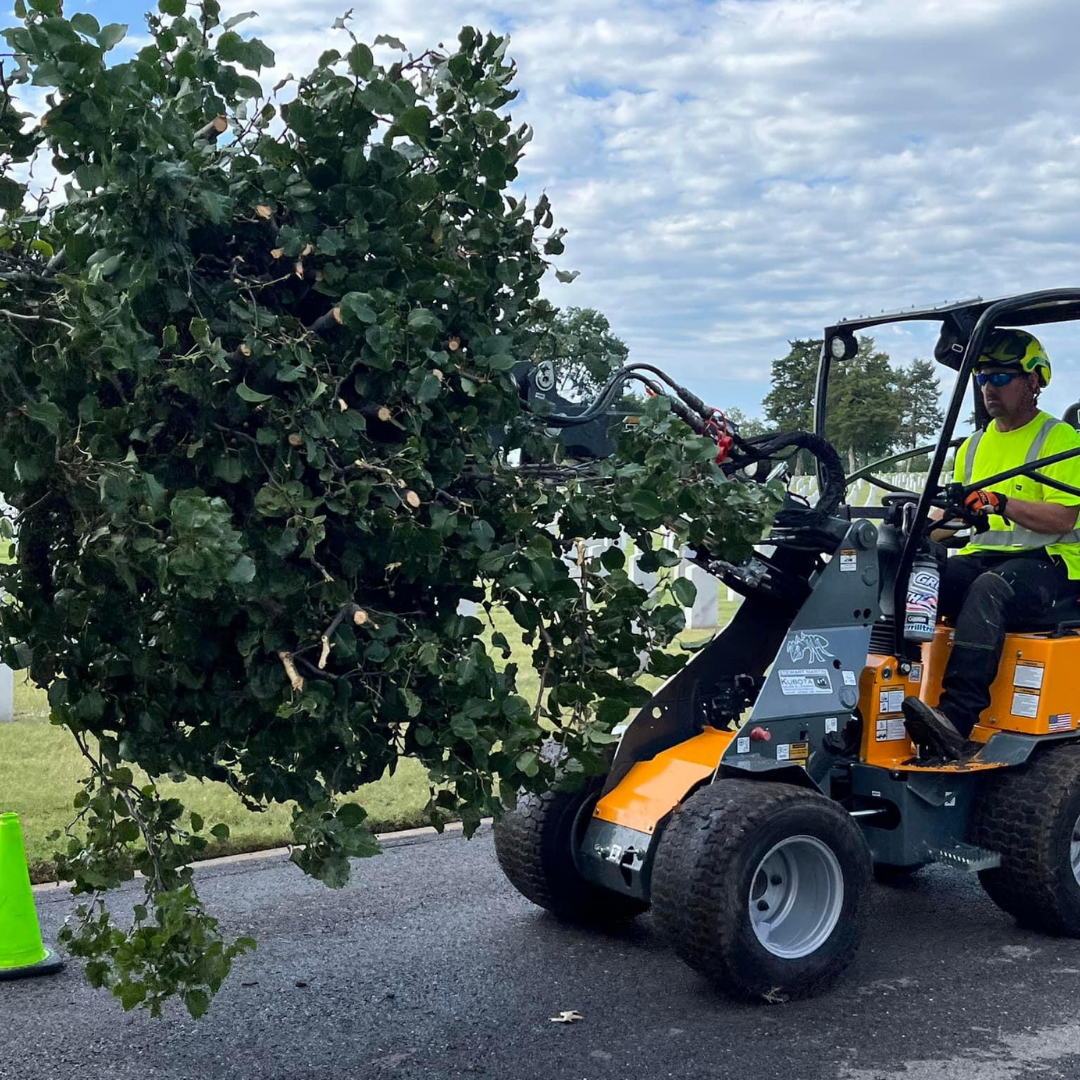
– Safe, standards-driven removals: When removal is necessary, we follow best practices to minimize risk to people, property, and nearby trees. We use industry-approved equipment and disposal methods to ensure safety and compliance.
– Transparent pricing and free quotes: We offer clear, no-surprise pricing and free estimates so you can plan with confidence. Understanding the scope of work upfront helps you allocate resources wisely.
– Individualized care plans: Every flowering tree white flowers landscape is unique. We craft care plans that align with your goals, budget, and environmental conditions, with progress reviews and options for adjustments.
– Local expertise, trusted partnership: As Tulsa specialists, we understand the local climate, soil types, pests, and terrains. Our knowledge translates into smarter, more reliable care for your trees.
Within our care framework, you’ll find opportunities to learn about and engage with our broader range of services, including Tree Trimming and general Arbor Services. Explore our Tree Trimming details (https://davisfamilyarbor.com/tree-trimming) to see how precision pruning can complement the health of flowering trees white flowers. You can also read more about our company and qualifications on About Us (https://davisfamilyarbor.com/about) to feel confident in your selection.
Choosing a trusted Tulsa tree care partner
Selecting the right professional for flowering trees white flowers care makes a tangible difference in outcomes and peace of mind. Here are criteria to consider when evaluating a provider:
– Certification and experience: Look for ISA-certified arborists and a track record of successful work with flowering trees white flowers in Tulsa.
– Transparent communication: Clear explanations of diagnoses, proposed treatments, timelines, and costs help you participate in the decision-making process.
– Comprehensive services: A partner who can handle the full lifecycle—from planting and pruning to health checks and removals—ensures consistency and quality.
– Local responsiveness: Quick scheduling, on-site assessments, and responsive customer support matter when issues arise or opportunities appear.
– Safety and compliance: Reputable firms prioritize safety protocols, insurance, and environmentally responsible disposal practices.
For more insights into how we operate and what clients value, visit our Services page (https://davisfamilyarbor.com/services) to review our full suite of offerings and how they apply to flowering trees white flowers. If you’re considering a project or need immediate guidance, our Contact page (https://davisfamilyarbor.com/contact) provides easy ways to reach us for a fast, friendly response.
Understanding risks and when to remove
Even healthy-looking flowering trees white flowers can pose risks if their structure weakens or root systems become compromised. Timely removal may be the safest option in scenarios such as:
– Structural failure risk due to storm-damaged limbs or trunk decay
– Severe root