tree care services, and we encourage contacting us for a precise assessment.
Bradford pear (Pyrus calleryana ‘Bradford’) with early spring white blossoms. These trees are widely used for their reliable blooms and upright form, but they benefit from regular pruning to maintain structure and reduce limb breakage in storms.
flowering dogwood (Cornus florida) offering classic white bracts. Dogwoods often prefer a bit of shade during the hottest part of the day and well-drained soil. Regular pruning keeps center growth healthy and encourages abundant blossoms year after year.
Japanese magnolia or star magnolia varieties that produce large, fragrant white flowers. Magnolias can tolerate Tulsa conditions when planted in well-drained soil and protected from harsh winds, with careful watering during establishment.
White flowering cherry trees (some cultivars) that bring delicate, tree-scale blooms. Cherry trees benefit from wind protection and consistent moisture during spring bloom to maximize flower display.
About Us page explains why our certified arborists bring experience in selecting the right varieties for specific yards and microclimates. For a tailored recommendation, you can also explore our services to see how we support planting, pruning, and ongoing care.
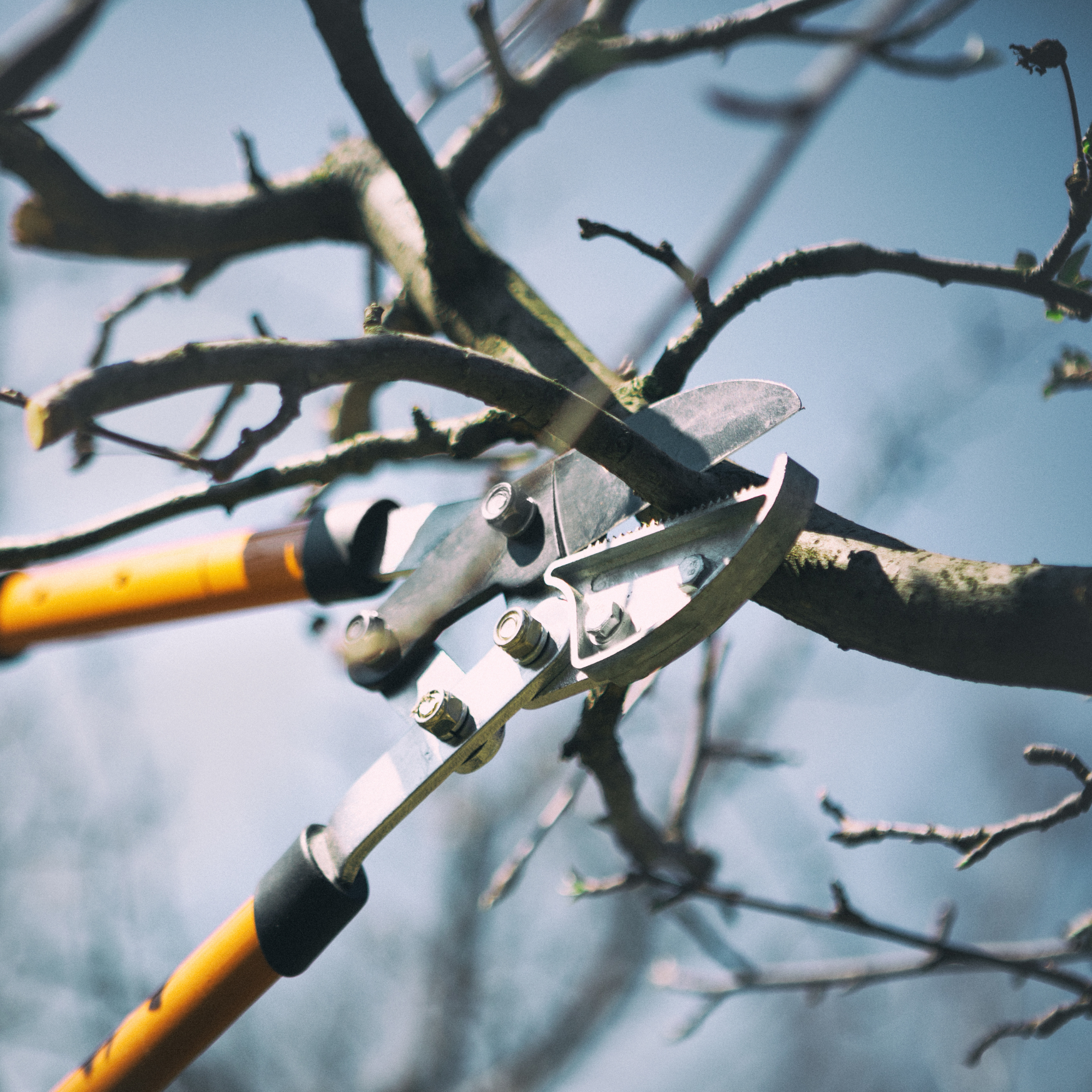
Remove dead, diseased, or crossing branches to prevent structural problems and disease spread.
Thin crowded canopy interior to improve light penetration and reduce pest habitat.
Maintain balanced structure by avoiding excessive heavy pruning that can reduce next year’s blooms.
Shape trees to fit the landscape while preserving natural form, ensuring safe clearance from sidewalks, driveways, and structures.
certified arborists who can craft a maintenance plan tailored to your trees and yard conditions.