




Blog Title: Are Flowering Trees White Blooms the Key to Tree Health and Safe Removal by Davis Family Arbor?
SEO Meta Description: Flowering trees white blooms care by Davis Family Arbor. Licensed arborists ensure health, pruning, and safe removal. Call for a free quote.
Suggested Slug: flowering-trees-white-blooms-health-removal-davis-family-arbor
Full Blog Content
Are Flowering Trees White Blooms the Key to Tree Health and Safe Removal by Davis Family Arbor?
Introductory hook
Navigating the world of flowering trees can feel overwhelming, especially when white blossoms dominate the landscape each spring. For homeowners, understanding whether flowering trees white blooms indicate robust health or signal potential problems is essential. At Davis Family Arbor, our licensed arborists specialize in diagnosing tree health, guiding pruning strategies, and ensuring safe removal when necessary. This article dives into how flowering trees with white blooms relate to overall tree health, how to care for them, and when to seek professional help for safe removal.
Section 1: Understanding why flowering trees white blooms matter
Understanding Flowering Trees White Blooms and Health Indicators
Flowering trees white blooms are not just a sight to behold; they can reveal important clues about a tree’s vitality. Healthy trees typically produce consistent, robust blossoms that emerge in the expected season and accompany strong foliage growth. When white blooms appear sporadically, are sparse, or come with premature leaf drop, it can indicate stressors such as drought, nutrient deficiencies, pests, or diseases.
Key indicators to watch for include:
– Bloom density and duration: A sudden drop in bloom numbers or prematurely short bloom windows may signal underlying stress.
– Leaf vigor: Bright green, uniformly shaped leaves in the growing season generally accompany healthy blooms; yellowing or curling leaves can signal issues.
– Branch irregularities: Deadwood, cracking bark, or cankers near flowering limbs often point to deeper health concerns.
– Pest symptoms: Visible insects, honeydew on leaves, or sooty mold can accompany compromised blossoms.
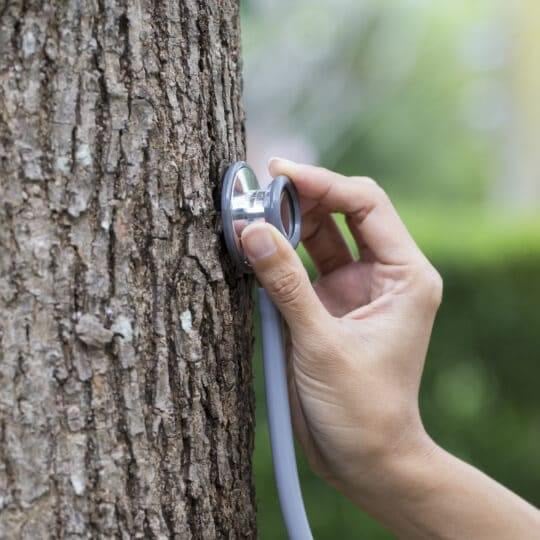
By recognizing these signals early, homeowners can partner with a professional to protect flowering trees white blooms and the broader landscape. At Davis Family Arbor, we assess bloom patterns, perform soil and nutrient testing, and develop customized care plans that prioritize long-term health, including targeted pruning and fertilization when appropriate. Learn more about how our team supports tree health through our comprehensive [Services](https://davisfamilyarbor.com/services) and the specifics of our approach to tree health evaluation.
Section 2: The science behind flowering trees white blooms and seasonal signals
The Science Behind Flowering Trees White Blooms and Seasonal Signals
White blossoms are often a seasonal phenomenon tied to a tree’s genetics and environmental conditions. Cool winters followed by warm springs can trigger exuberant bloom cycles in many flowering species. However, climate variability, soil moisture, and root health play critical roles in whether these blooms translate into healthy growth later in the year.
A few science-backed insights:
– Pollination and energy balance: Flower production requires significant energy. When resources are limited, trees may reduce bloom size or vigor to conserve energy for leaf growth and root development.
– Nutrient availability: Adequate phosphorus and potassium, along with micronutrients, support bloom formation and subsequent fruiting or seed production. Deficiencies can weaken blossoms and leave trees more susceptible to stress.
– Water management: Consistent soil moisture during the blooming period helps blossoms emerge fully. Both drought stress and overwatering can disrupt bloom quality and tree health.
– Disease pressure: White blooms do not automatically indicate disease, but certain fungal or bacterial infections can affect bloom persistence and overall vitality. Early detection and targeted treatment are essential.
Understanding these seasonal signals helps homeowners make informed decisions about irrigation, fertilization, and pruning. For tailored guidance on seasonal care that aligns with your specific flowering tree species, consider partnering with a licensed arborist who can interpret bloom patterns in the context of your landscape, such as the experts at Davis Family Arbor. To explore practical care steps, you can review our guidance on pruning and maintenance on our [Tree Trimming](https://davisfamilyarbor.com/tree-trimming) page.
Section 3: Pruning and care strategies that support flowering trees white blooms
Pruning and Care Strategies That Support Flowering Trees White Blooms
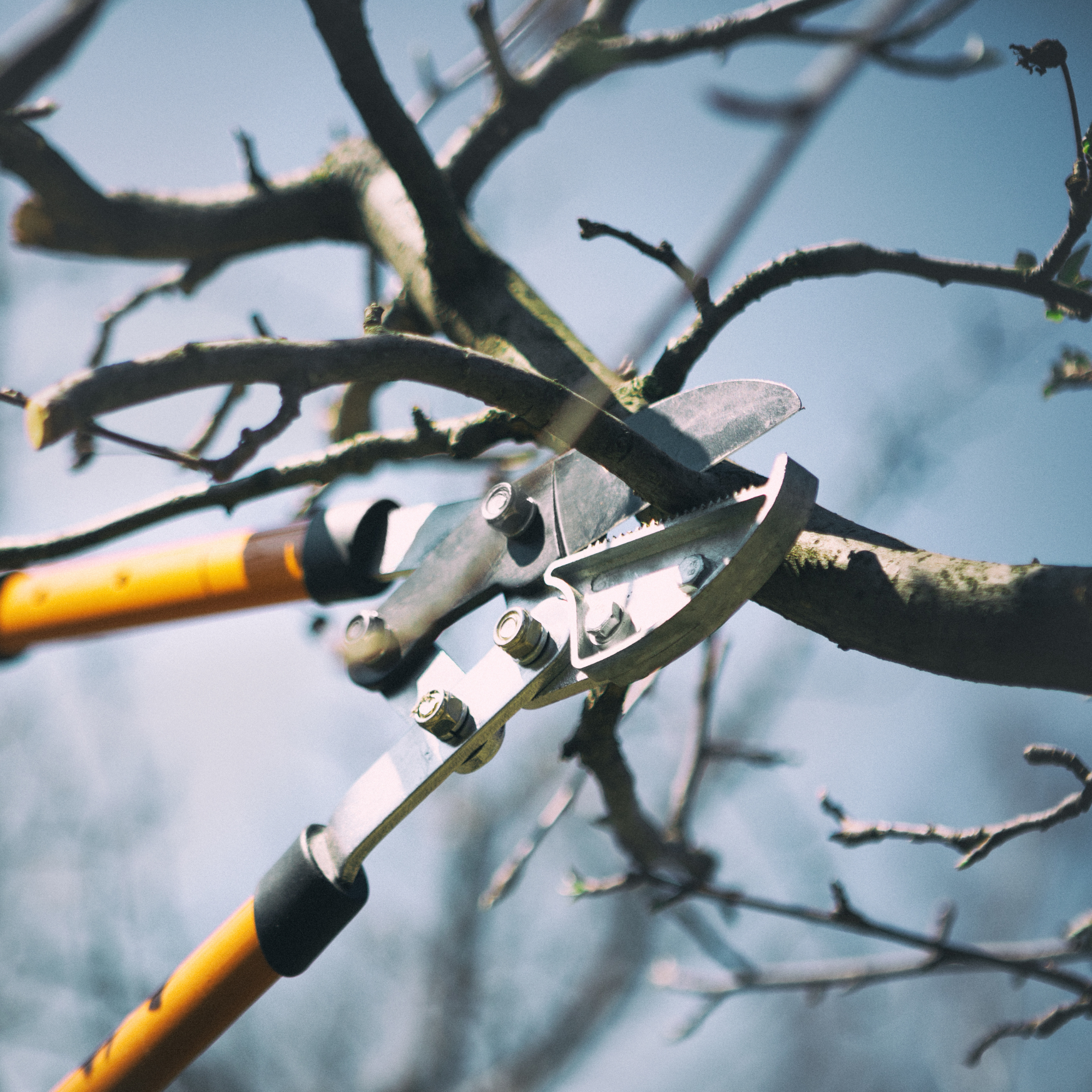
Pruning is a central tool in maintaining flowering trees white blooms. Proper timing and technique can enhance bloom quality, promote strong structural growth, and reduce the risk of limb failure. Here are practical strategies to support your flowering trees.
Pruning timing
– Determine the bloom cycle: Some flowering trees bloom on last year’s wood (known as “made on old wood”) while others bloom on new wood. Pruning at the wrong time can remove next season’s flowers.
– Schedule pruning with growth cycles in mind: For many species, late winter or early spring before bud break is a common window for structural pruning. However, flowering varieties that bloom on old wood may require pruning immediately after flowering to avoid removing next season’s blooms.
Techniques that protect white blooms and tree health
– Remove dead, damaged, or crossing branches to improve light penetration and airflow, reducing disease risk.
– Light shaping and thinning to relieve weight-bearing branches and prevent branch failure during storms.
– Corrective pruning for young trees to establish a strong branch structure that supports future bloom cycles.
Soil and nutrient support
– Soil testing helps identify nutrient imbalances that can hinder bloom production or general vigor.
– Balanced fertilization, tailored to the tree species and soil results, supports robust blossoms without encouraging excessive vegetative growth that can compromise flowering.
Professional care and safety
– Complex pruning, large limb removal, or conflicts with power lines require professional equipment and training. Our team at Davis Family Arbor uses industry-approved techniques and safety practices to protect both workers and your trees.
– Regular maintenance reduces the need for risky, large-scale removals later and keeps flowering trees white blooms thriving for years to come.
Internal link note: For a comprehensive list of maintenance services and expert pruning options, visit our [Tree Trimming](https://davisfamilyarbor.com/tree-trimming) page and see how a thoughtful pruning plan can preserve blooms while improving tree health.
Section 4: When removal is necessary and how safe removal is achieved
When Removal Is Necessary and How Safe Removal Is Achieved
Despite best care, some situations require removal to protect other trees, structures, or people. Safety, compliance, and environmental stewardship guide every removal decision at Davis Family Arbor.
Common reasons for removal
– Significant structural decay or hollowing that compromises tree stability.
– Irreparable storm damage or pest infestations that threaten the surrounding landscape.
– Diseases with high transmission risk to nearby trees, where containment is not feasible.
– Interference with structures, sidewalks, or utility lines that cannot be managed through pruning.
Safe removal process
1. Initial assessment: A licensed arborist evaluates the tree’s health, risk factors, and the surrounding environment.
2. Plan development: We outline a step-by-step removal plan, including disposal and potential site restoration.
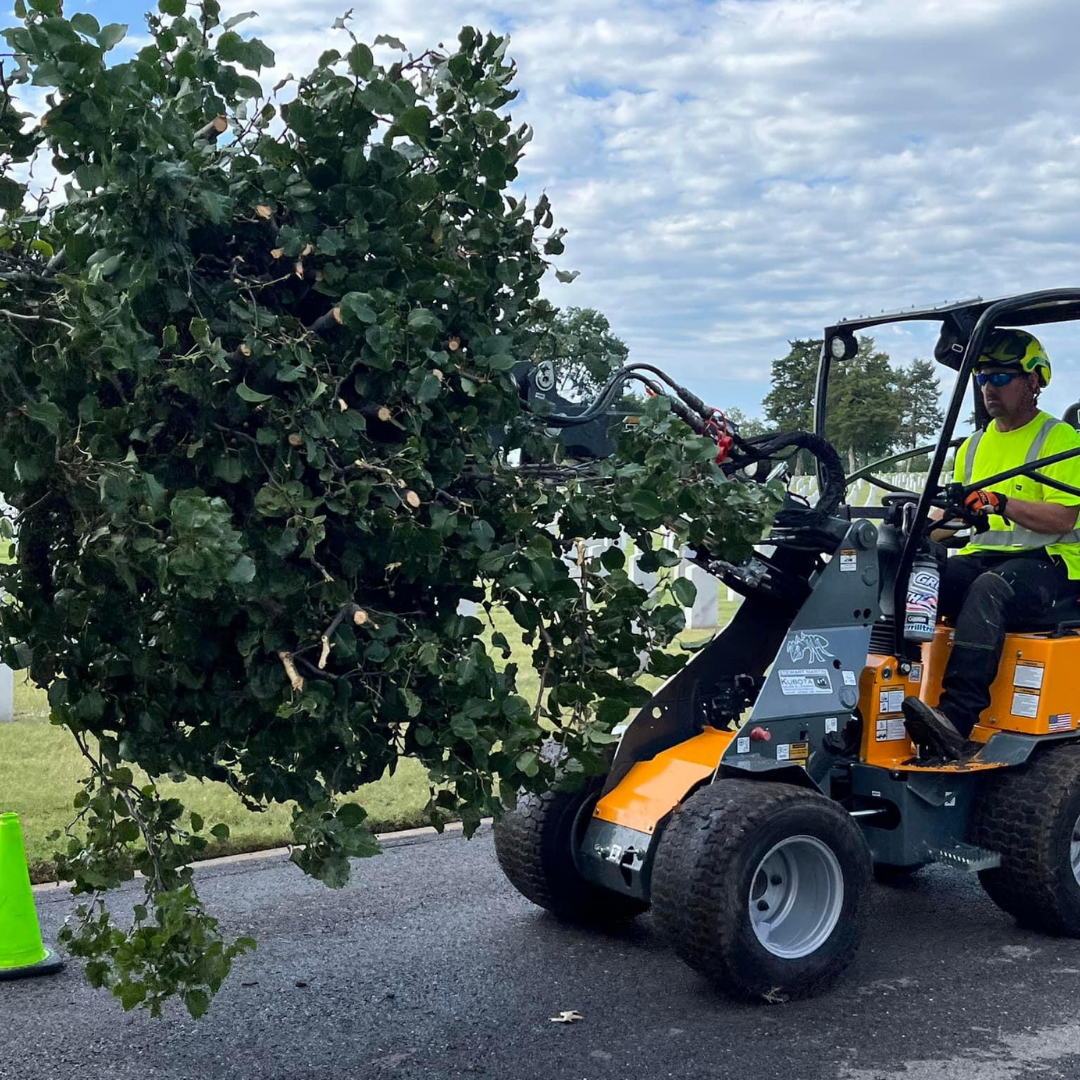
3. Safety measures: Our team uses specialized equipment, PPE, and traffic or site control as needed to protect workers and property.
4. Efficient fine-tuning: We remove branches methodically to minimize collateral damage and preserve nearby trees and plants.
5. Site clean-up and restoration: After removal, we grade, mulch, and, if appropriate, replant or landscape to restore the space.
Choosing a qualified provider is crucial for safe removal missions. Davis Family Arbor brings licensed expertise, insurance coverage, and a strong safety record to every project. If you’re considering removal in the near term, explore how we can support you through our [Services](https://davisfamilyarbor.com/services) and [Tree Removal](https://davisfamilyarbor.com/tree-removal) offerings, ensuring a compliant and safe process.
Section 5: How Davis Family Arbor handles flowering trees white blooms
How Davis Family Arbor Handles Flowering Trees White Blooms
Our approach centers on preserving aesthetic beauty while ensuring long-term stability and health. We combine diagnostic expertise, precise pruning, nutrient management, and, when necessary, safe removal.
Key components of our approach
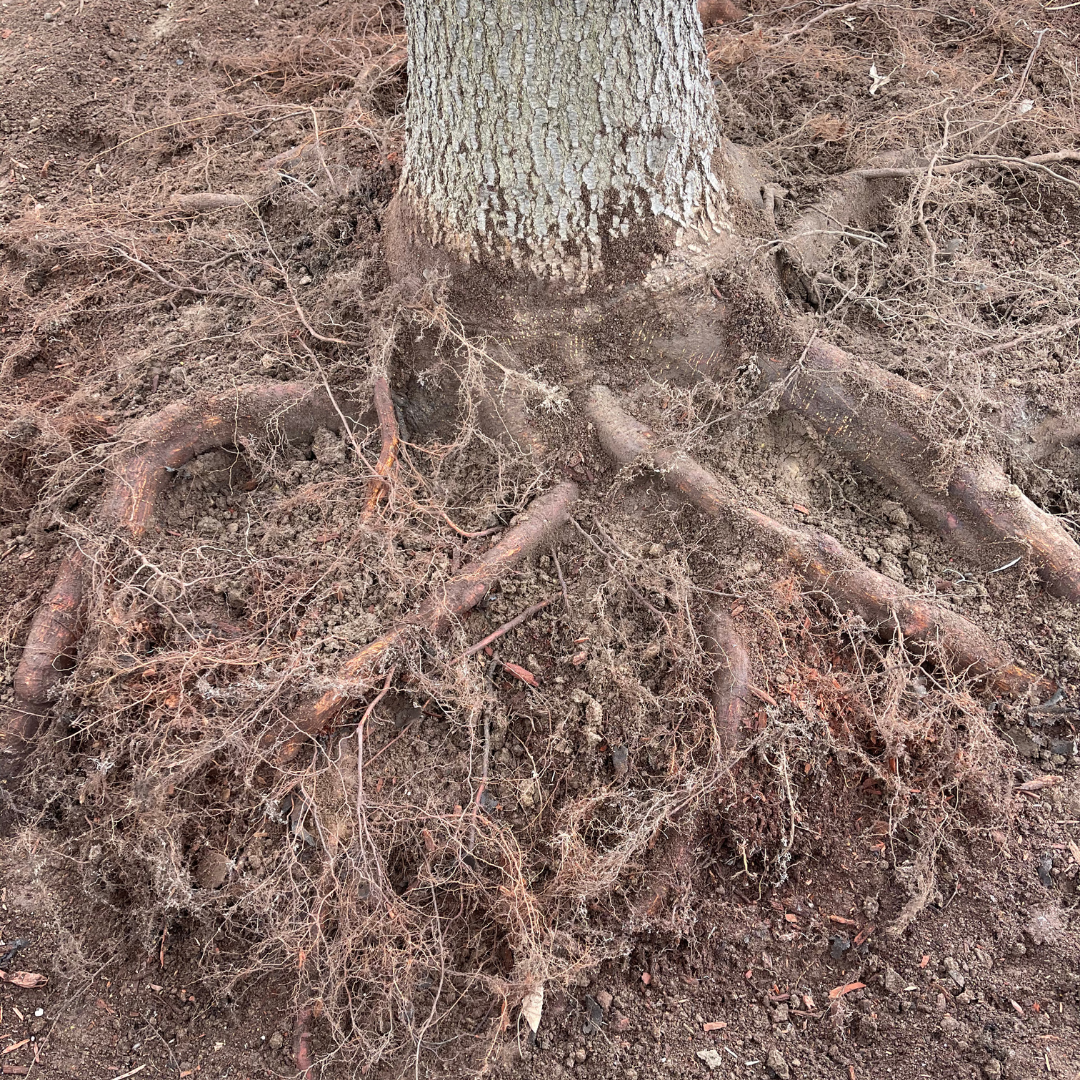
– Comprehensive diagnosis: We examine bloom patterns, soil health, root vitality, and the tree’s overall architecture to determine care needs.
– Customized care plans: Each tree receives a tailored plan that might include targeted pruning, soil amendments, irrigation strategies, or fertilization schedules to support sustained flowering.
– Safety-forward removal when needed: If removal is the optimal path for health or safety, our licensed arborists execute the job with attention to minimizing disruption and maximizing site restoration.
– Education and ongoing support: We empower homeowners with knowledge about bloom health and seasonal care so you can maintain flowering trees white