



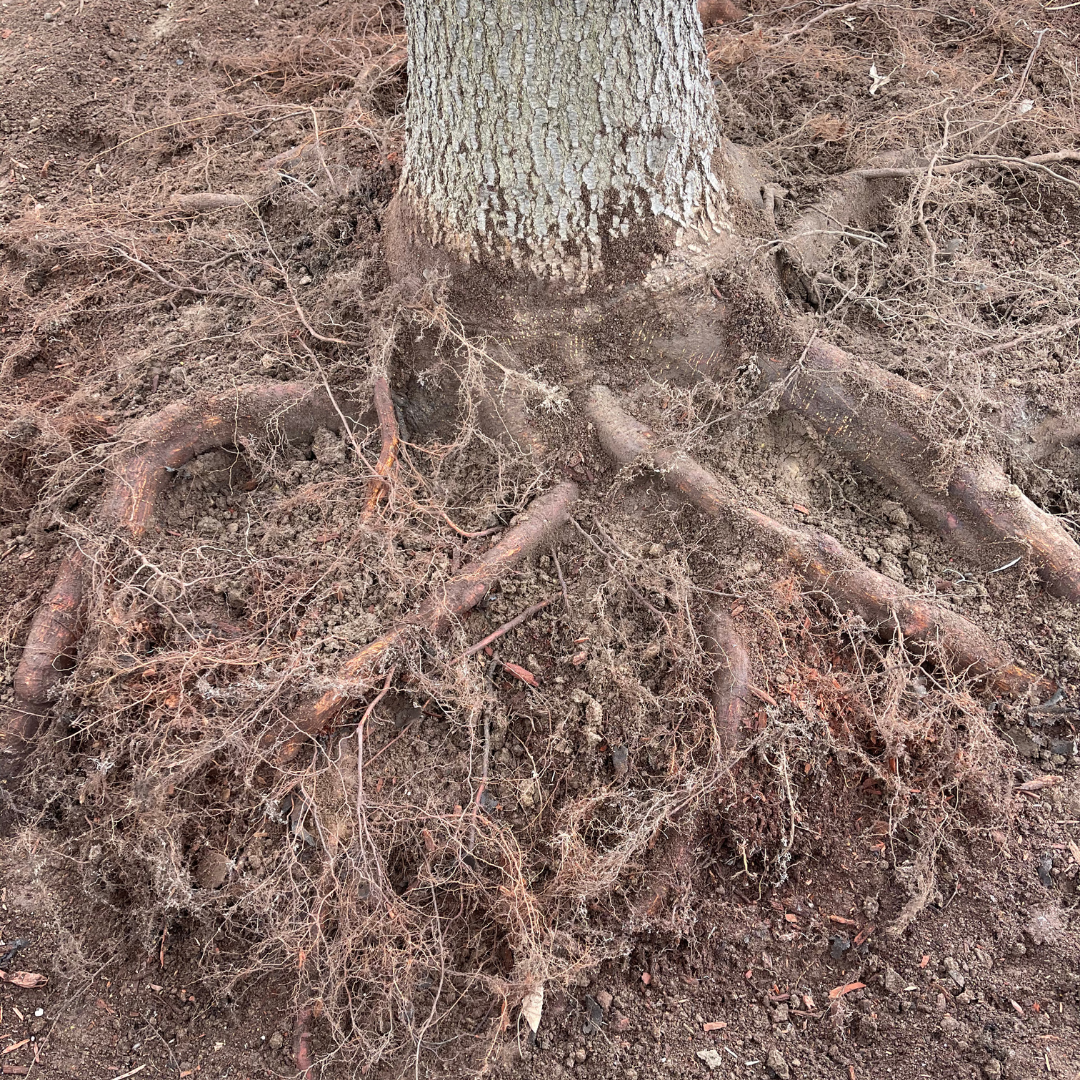
Root Rot in Tulsa Trees: How Davis Family Arbor Repairs and Prevents It
Root rot is more than a rotten rumor among arborists. In Tulsa’s climate, where periods of heavy rainfall can clash with drought spells, the risk of root rot rises for many trees and landscapes. If left untreated, this silent problem can weaken roots, impair nutrient uptake, and eventually threaten the stability of a tree. At Davis Family Arbor, our certified arborists diagnose and treat root rot with precision, protecting your green space and giving you peace of mind. If you’re seeing signs of trouble, a professional assessment can be the difference between a salvageable tree and a costly loss. We offer expert diagnosis and root rot treatment from qualified arborists, with options tailored to Tulsa’s unique soil and weather patterns. Contact us today for a free quote and a plan that fits your landscape.
Root Rot in Tulsa: What It Is and Why It Matters
Root rot is a disease that attacks a tree’s underground lifelines. It typically begins when fungal pathogens invade the fine feeding roots, then spreads through the root system and into the root collar. In many cases, overwatering, poor drainage, compacted soil, or damage from construction can create the perfect environment for root rot to thrive. The result is an impaired ability to take up water and nutrients, which shows up above ground as stress and decline.
Common culprits in Tulsa include different species of Phytophthora and Armillaria, among others. The exact pathogen can influence treatment choices, so an accurate diagnosis is essential. The impact on a landscape can be significant: slower growth, thinning canopies, leaf yellowing, dieback, and in severe cases, structural weakness that increases the risk of branch failure during storms. Early detection matters, because root rot progresses stealthily from the soil outward, and small changes in vigor can become major problems if ignored.
Signs of root rot to watch for in your trees
– Wilting or chlorosis (yellowing leaves) during periods of adequate moisture
– Stunted growth or unusual leaf coloration across several seasons
– Premature leaf drop or dieback on scaffolding branches
– Mushrooms or fungal growth at the base of the tree or around the root zone
– Soft, dark, or foul-smelling soil near the trunk
– Loose or easily pullable roots when inspecting the base of the tree
– A compromised or leaning structure, indicating weak anchorage
If you notice a combination of these indicators, especially after heavy rains or irrigation, it’s time to seek a professional assessment. Our team at Davis Family Arbor can perform a thorough on-site inspection and determine whether root rot is present, the specific pathogen involved, and the best path forward.
Diagnosing Root Rot: How Professionals Distinguish the Problem
The diagnosis of root rot is about more than appearance. It starts with a careful examination of the tree’s root zone and canopy. Our process typically includes:
– A visual assessment of foliage, crowns, and growth patterns
– Soil moisture testing to identify drainage issues and watering imbalances
– Targeted soil sampling to check for moisture, pH, and pathogen presence
– Root inspection where feasible, sometimes requiring careful lifting or coring to examine root tissue
– Consideration of tree species, age, and historical irrigation practices
Because root rot symptoms can mimic drought stress, nutrient deficiencies, or other diseases, a precise diagnosis is essential. Accurate identification of the pathogen informs the treatment strategy and increases the chance of recovery for valuable trees.
Davis Family Arbor’s Approach to Root Rot Repair
When root rot is confirmed, our team designs a tailored plan to address both the root system and the surrounding environment. The goal is to restore a healthy root zone, reduce stress on the tree, and prevent future infections. Our approach typically includes the following steps:
– Immediate protection and stabilization: If the tree presents a risk of failure, we implement temporary supports and reduce stress through careful pruning and canopy management.
– Removal of severely infected material: Dead or severely damaged roots and tissue are removed to limit the spread of the disease and to provide room for healthier tissue to regrow.
– Improve drainage and soil structure: We may aerate the soil, amend with well-draining materials, and adjust grading to prevent water from pooling around the root flare.
– Soil health and feeding: A balanced fertility plan and soil amendments help the tree recover its vigor and improve natural defenses against pathogens.
– Targeted pruning and canopy management: Pruning to reduce energy demand on stressed trees helps allocate resources to healthier roots.
– Ongoing monitoring: After initial treatment, we schedule follow-up visits to assess recovery, adjust care, and ensure the root rot isn’t returning.
Important note: Not every case of root rot is completely curable in the sense of a full return to previous vigor. Some trees recover enough to remain healthy with proper care, while others may require removal to prevent risks to people and property. Davis Family Arbor emphasizes transparent communication, so you’ll know what to expect for your specific tree and situation. To learn more about our comprehensive tree care, explore the Services page or contact us to discuss a plan that fits your trees and your budget. Our services include Tree Removal and Tree Trimming, and you can read more about our team on the About Us page.
Root Rot Treatments: Options and Realities
The treatment plan for root rot depends on the pathogen, the extent of infection, and the tree’s overall health. Here are some common approaches used in Tulsa by our certified arborists:
– Fungicidal treatment: In some cases, targeted fungicide applications can help reduce pathogen activity, especially if the infection is detected early and the tree is otherwise healthy.
– Soil modification and drainage improvements: Correcting drainage problems and enhancing soil porosity helps roots regain oxygen and function.
– Root pruning and decontamination: Removing compromised roots reduces the reservoir of infection and can allow healthier tissue to regrow.
– Root zone mulching with appropriate depth: Mulch helps regulate soil moisture and temperature when applied correctly, reducing stress on the tree.
– Replanting strategies and species selection: In some situations, replacing a highly susceptible tree with a more resistant species may be the best long-term outcome.
– Protective landscape practices: Adjusting irrigation schedules, using compost and organic matter to improve microbial balance, and ensuring proper spacing for air flow around the canopy.
What to Expect During Treatment
– A clear plan and timeline: You’ll receive an explanation of the steps, expected timelines, and what outcomes are reasonable.
– Minimal disruption to your landscape: We plan the work to minimize impact on your property, working safely around other plantings, utilities, and structures.
– Regular updates: We keep you informed about progress and any adjustments to the plan based on how the tree responds.
– Long-term care recommendations: After treatment, you’ll receive practical steps for ongoing maintenance that supports root health and reduces future risk.
Preventing Root Rot: Practices to Protect Tulsa Trees
Prevention is the best defense against root rot. By implementing proactive care, homeowners and property managers can reduce the likelihood of infection and keep trees healthier longer. Key prevention steps include:
– Improve drainage and soil structure: If your landscape has heavy clay or compacted soils, consider aeration, soil amendments, and strategic grading to prevent standing water near the root zone.
– Water wisely: Avoid overwatering and allow the soil to dry between irrigation cycles. Install soil moisture sensors or use a deep, infrequent watering approach to encourage deep root growth.
– Mulch properly: Use a 2 to 4 inch layer of organic mulch around the tree, keeping mulch away from the trunk to prevent moisture buildup at the root collar.
– Choose resilient species: Some trees are more tolerant of wet soils and pathogens. When planning new plantings in Tulsa, consult with your arborist about species selection for reduced root rot susceptibility.
– Regular inspections: Annual or biannual tree health checks allow early detection of stress signs, enabling quick action before root rot becomes a larger issue.
– Practice good site management: Avoid soil disturbance around mature trees, especially during construction projects, and preserve existing root systems when feasible.
A Plan for Homeowners: Easy-to-Follow Steps
– Observe and document symptoms: Note any changes in leaf color, canopy density, or growth rate.
– Schedule a professional assessment: Contact Davis Family Arbor to arrange an on-site evaluation and a free quote for root rot diagnosis and treatment options.
– Follow through with a tailored plan: Implement the recommended treatment and prevention steps, including any pruning, soil work, or irrigation adjustments.
– Maintain ongoing care: Schedule periodic follow-ups to monitor progress and catch new issues early.
Internal Linkable Paths: Where to Learn More
– For a broad look at how we care for trees, explore our Services page to see options like Tree Removal and Tree Trimming that may complement root rot treatment. Learn more here: https://davisfamilyarbor.com/services
– If you want to understand who we are and how our team operates, the About Us page provides details about our experienced arborists and our commitment to Tulsa communities. See https://davisfamilyarbor.com/about-us
– Ready to take action? Our Contact page makes it easy to reach us for a free quote or to schedule a visit: https://davisfamilyarbor.com/contact
Why Davis Family Arbor Is a Trusted Partner for Root Rot in Tulsa
– Local expertise: We understand Tulsa’s soils, climate, and urban landscape challenges, which helps us tailor root rot solutions that work in this region.
– Certified professionals: Our arborists bring training, certification, and field experience to every diagnosis and treatment plan.
– Transparent communication: You will know what to expect, from the diagnosis through treatment and ongoing care, with clear timelines and costs.
– Comprehensive care: We address not only the root rot itself but also contributing environmental factors, pruning needs, soil health, and long-term prevention.
The Bottom Line: Root Rot Treated Effectively Keeps Your Trees Strong
Root rot is a manageable issue when detected early and treated by skilled arborists who can combine diagnosis, remediation, and prevention. At Davis Family Arbor, we’re committed to helping Tulsa homeowners and businesses protect their trees, preserve landscape value, and maintain safe, healthy environments. If you suspect root rot or simply want a professional health check for your trees, reach out to our team for a thorough assessment, a clear plan, and a free quote. We’re here to help you keep your trees thriving through all Tulsa’s seasonal changes.
Take Action Today to Protect Your Trees
– Schedule an on-site root rot evaluation with a certified arborist. Your initial assessment will establish the scope of the problem and the best route forward.
– Review treatment and prevention options in plain language. We’ll explain the expected outcomes, maintenance needs, and timelines.
– Begin the recovery plan and monitor progress. With proper care, many trees recover vigor and maintain a healthy root system.
If you’re ready to address root rot and safeguard your landscape, contact Davis Family Arbor today. We offer expert root rot diagnosis and treatment from trusted professionals who put your trees first. Our team is ready to help you develop a practical, effective plan that fits your property, your budget, and your goals for long-term tree health. Reach out now and request a free quote. Your trees deserve a healthy future, and Davis Family Arbor is here to make it happen.