




Blog Title
Flowering Trees White Flowers: Is Davis Family Arbor the Best Choice for Healthy Trees and Safe Removals?
SEO Meta Description
flowering trees white flowers: Davis Family Arbor provides expert tree health care, safe removals, and reliable service. Call today for a free quote.
Suggested Slug
flowering-trees-white-flowers-davis-family-arbor
Full Blog Content
Flowering Trees White Flowers: Is Davis Family Arbor the Best Choice for Healthy Trees and Safe Removals?
Few landscape features are as striking as flowering trees with white blossoms. The clean glow of white flowers against spring skies can instantly elevate curb appeal, boost property value, and support local pollinators. But choosing the right trees, ensuring their ongoing health, and planning safe removals when needed are tasks best left to professionals. At Davis Family Arbor, we specialize in nurturing flowering trees white flowers, protecting their health, and performing removals with safety and care. If you’re considering adding or maintaining flowering trees white flowers on your property, this guide explains why our team stands out as your trusted arborist partner.
Understanding the Allure and Benefits of Flowering Trees White Flowers
Flowering trees white flowers bring a timeless elegance to landscapes. They offer seasonal color without overwhelming the space, creating a serene backdrop for homes and outdoor living areas. Beyond aesthetics, these trees support local ecosystems by attracting pollinators such as bees and butterflies in the spring and early summer. When properly selected, planted, and cared for, flowering trees white flowers can thrive for decades, becoming a family favorite across generations.
Key advantages of integrating flowering trees white flowers into your yard include:
- Seasonal visual interest that shifts with the bloom cycle
- Pollinator habitat that enhances garden health
- Shade and microclimate benefits for cooling outdoor spaces
- Increased property value when trees are healthy and well-maintained
- Low to moderate maintenance with the right species and care plan
Choosing the right species is essential. Some flowering trees white flowers bloom early in spring, while others display a later flush. The right fit depends on your climate, soil, sun exposure, and landscape design. For homeowners who want reliable, beautiful results without guesswork, partnering with an experienced arborist is a smart first step. Explore how our comprehensive arbor services can help you select and care for flowering trees white flowers that suit your property.
How Davis Family Arbor Ensures Health for Flowering Trees White Flowers
Healthy trees begin with a thoughtful plan. At Davis Family Arbor, we don’t just plant or trim trees; we build long-term health. Our approach to flowering trees white flowers centers on prevention, precise care, and proactive management of risks that threaten vigor and longevity.
Comprehensive health assessment
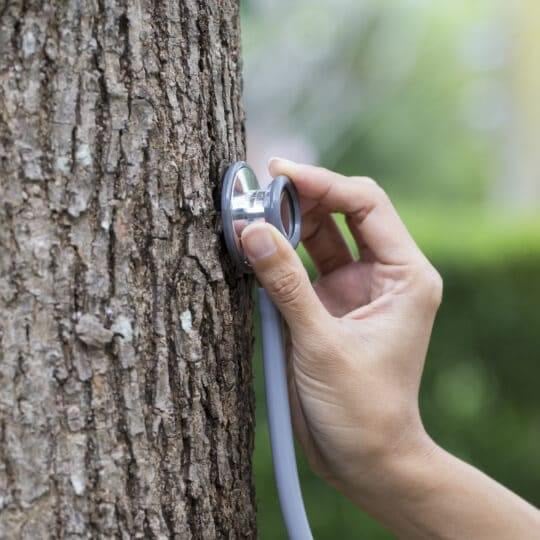
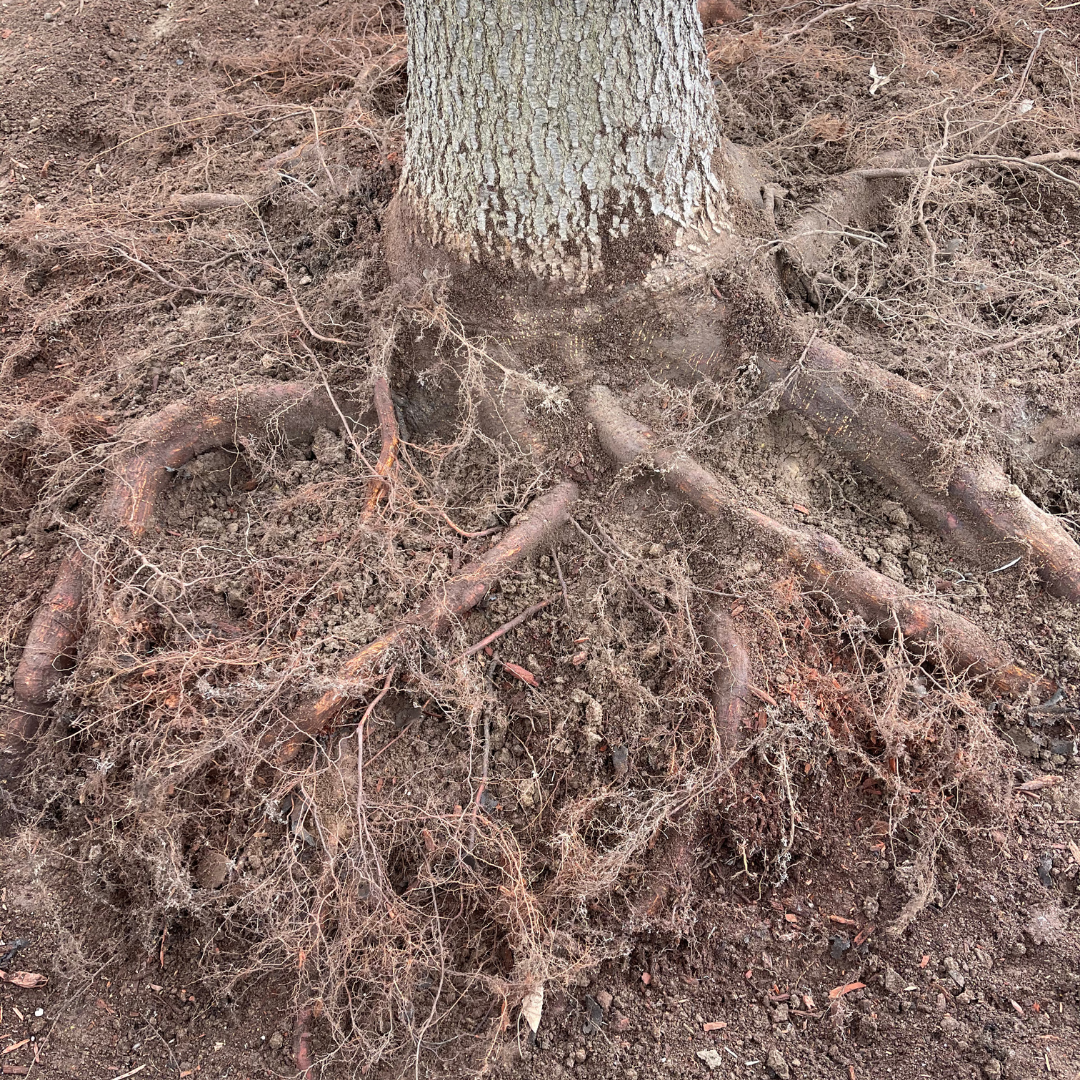
We start with a thorough assessment of soil conditions, root health, drainage, and existing canopy structure. Soil testing helps determine nutrient needs and pH balance, ensuring the tree receives the right inputs. A healthy root zone supports robust flowering, improves stress tolerance, and reduces the likelihood of diseases that compromise both form and function.
Targeted fertilization and soil management
Based on soil test results and the specific species, we design a fertilization plan that promotes vibrant blooms and strong growth without overfeeding. Balanced nutrition supports flowering trees white flowers throughout their bloom cycle and helps them resist pests and environmental stressors.
Pruning strategies that protect blooms and structure
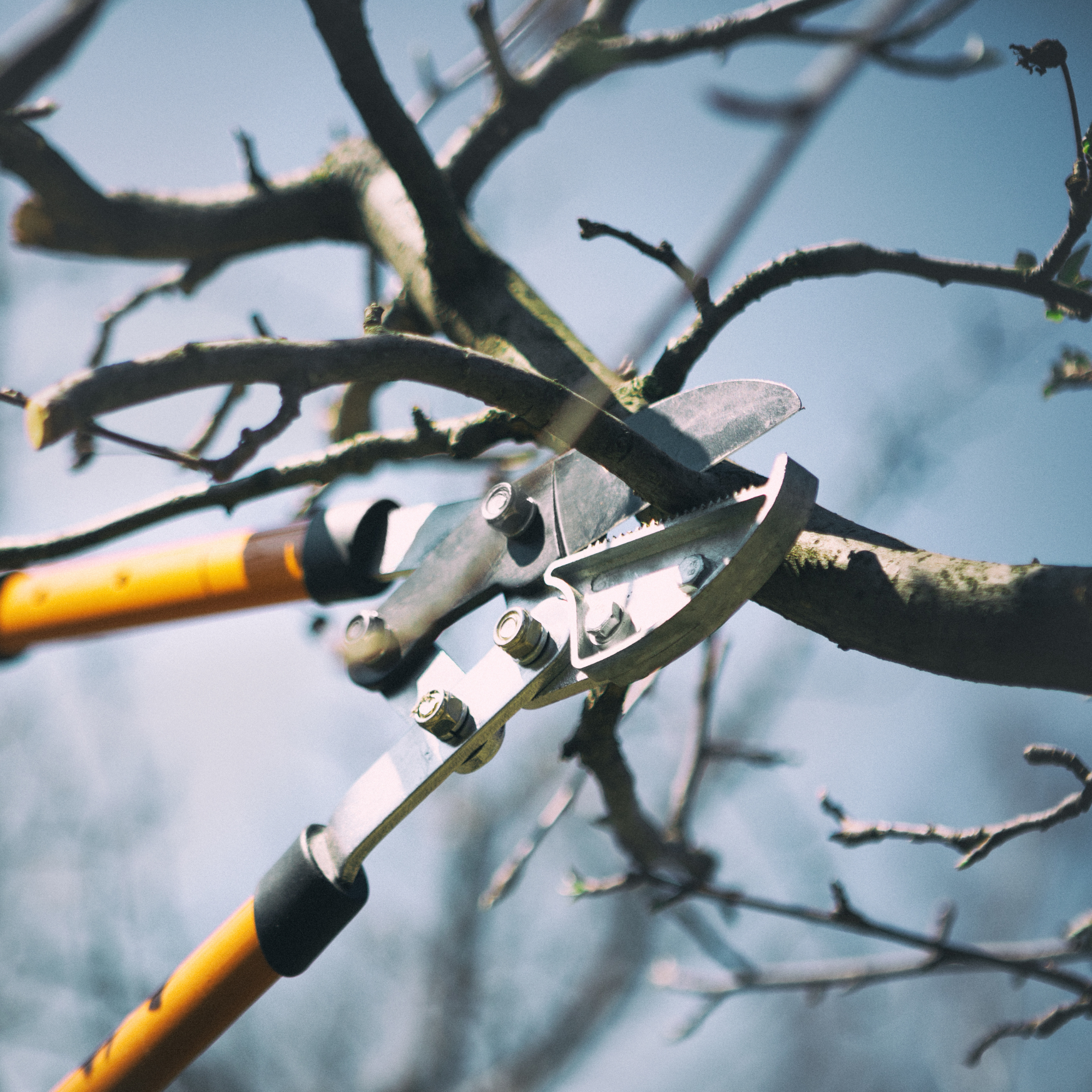
Pruning is essential for flowering trees white flowers to maintain shape, remove dead wood, and promote stronger flowering in subsequent seasons. Our pruning approach emphasizes proper timing, correct cuts, and conservative removal to preserve flower buds and overall tree health. When pruning is mis-timed or overly aggressive, you can lose blooms and invite stress or disease. Our team follows industry standards to safeguard both aesthetics and structural integrity.
Pest and disease surveillance
Pests and diseases threaten flowering trees white flowers just as much as any other landscape plant. We monitor for signs of borers, aphids, scale, fungal infections, and other threats. Early detection allows us to implement targeted treatments that minimize environmental impact while protecting the tree’s vitality and flowering potential.
Water management and drought resilience
Water is a cornerstone of tree health. We evaluate irrigation needs based on species, climate, soil type, and rainfall patterns. For flowering trees white flowers, balanced watering supports bud formation, bloom quality, and root development during critical growth periods.
For homeowners seeking a hands-on plan, our team can outline a long-term health program tailored to your landscape. If you’re curious about how our tree trimming and health care services integrate, visit our contact page to request a free quote.
Safe Removals: When and Why Professional Help Removes Risk
There are times when even the healthiest flowering trees white flowers must be removed. The decision to remove a tree is never taken lightly. It’s essential to evaluate structural integrity, disease progression, proximity to structures, and the risk it poses during storms or heavy winds. At Davis Family Arbor, safety is our top priority, and our removal process reflects that commitment.
Indicators a tree may need removal
- Severe structural damage that compromises stability
- Extensive disease or pest infestation that cannot be treated effectively
- Root disruption or decay threatening foundations or pathways
- Persistent hazard due to location near sidewalks, driveways, or utilities
- Declining health despite multiple remediation attempts
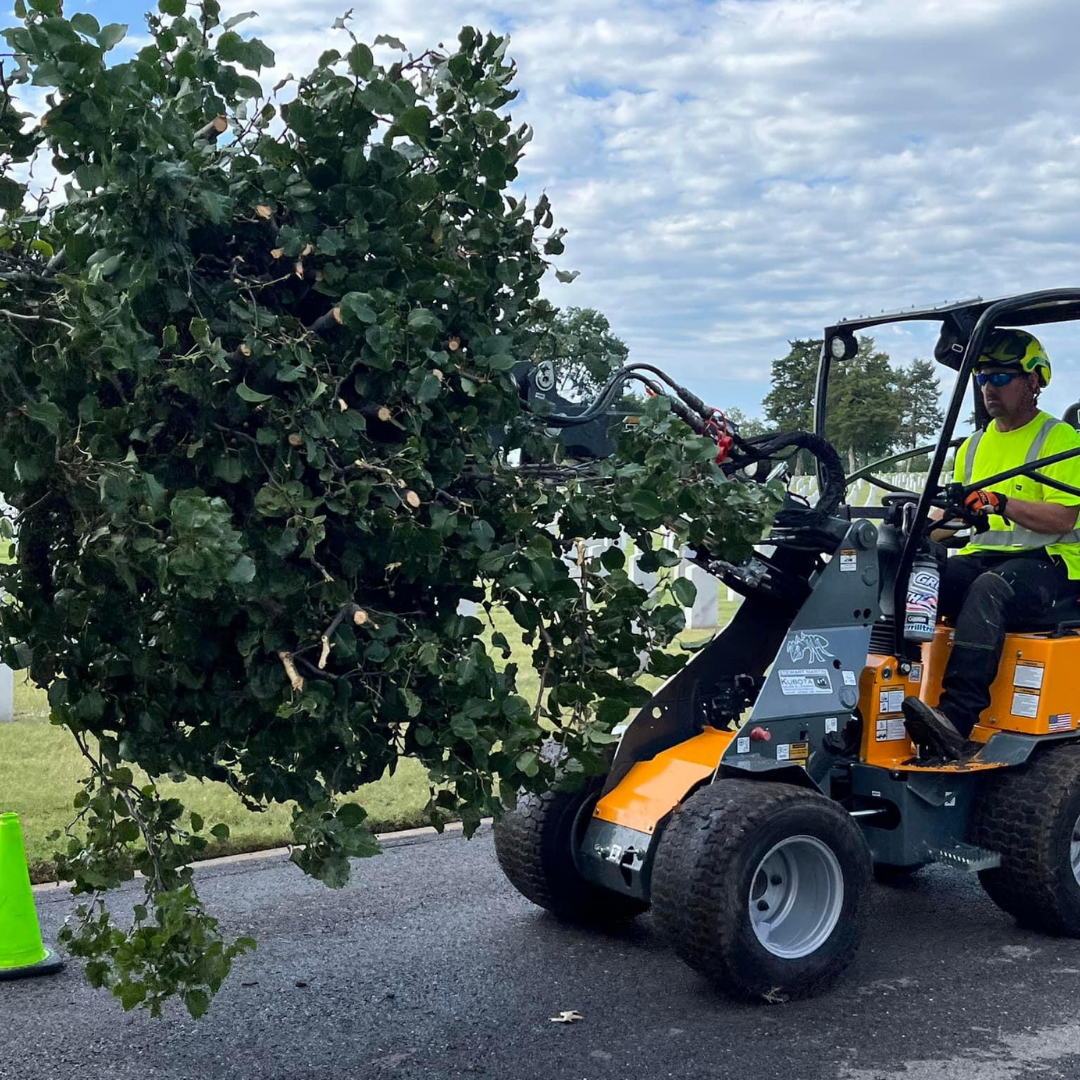
Before removing a tree, we conduct a risk assessment and discuss alternatives when possible, such as transplanting or strategic pruning to preserve landscape value. Our safe removals are performed by licensed professionals with attention to site protection, waste management, and minimal impact on surrounding plants.
What to expect during a professional removal
- Site preparation and safety measures for workers and residents
- Careful equipment placement to minimize lawn and soil damage
- Environmental considerations, including wood utilization and debris disposal
- Post-removal site cleanup and recommendations for replanting
If you’re evaluating whether a removal is necessary, our arborists provide a transparent assessment, clear pricing