



Tree Trimming Near Me: What Safe, Healthy Pruning Looks Like
When you search for tree trimming near me, you’re not just looking for a quick cut. You’re seeking safety for your home, health for your trees, and value for your investment. In Tulsa, Davis Family Arbor stands out by pairing local expertise with certified arborists who understand not just how to prune, but why certain cuts protect a tree’s structure, vigor, and long-term growth. This guide walks you through what safe, healthy pruning looks like and how to pick a partner you can trust for your trees.
The Value of Using a Certified Arborist for Tree Trimming Near Me
Professional pruning is more than removing a few branches. It’s a careful balance between size, shape, and ongoing vitality. A certified arborist brings science and experience together to assess:
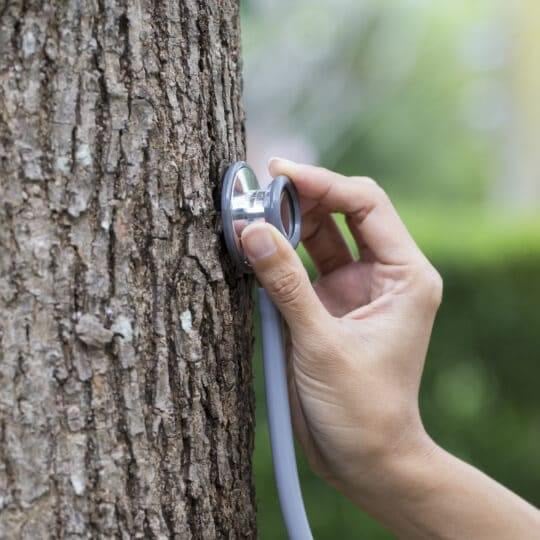
– Tree health: detecting invisible issues such as internal decay, vascular damage, or disease that could worsen after pruning.
– Structural safety: identifying weak joints, codominant stems, or root issues that could cause failure during storms or high winds.
– Long-term vigor: ensuring pruning supports balanced growth, proper crown development, and reduced maintenance needs over time.
– Species-specific care: recognizing how different trees respond to pruning pressure, which branches to keep for strength and which to remove for airflow and light.
For a trusted assessment of your landscape, choose a local arborist who can discuss pruning goals, tree species needs, and safety considerations. Learn more about how we approach trimming services by exploring our service details at https://davisfamilyarbor.com/services/tree-trimming and by reviewing our broader arborist-guided approach at https://davisfamilyarbor.com/about-us.
Key Factors in Choosing a Local Arborist: Credentials, Insurance, and Safety
Choosing a tree trimming near me provider requires more than a good price. It’s about qualifications, reliability, and a commitment to safety. Consider these factors:
– Credentials and training: Look for ISA certified arborists or equivalent credentials. These indicate formal training in pruning techniques, plant health, soil science, and risk assessment.
– Insurance and licensing: Ensure the company carries general liability and worker’s compensation coverage to protect you if an accident occurs on your property.
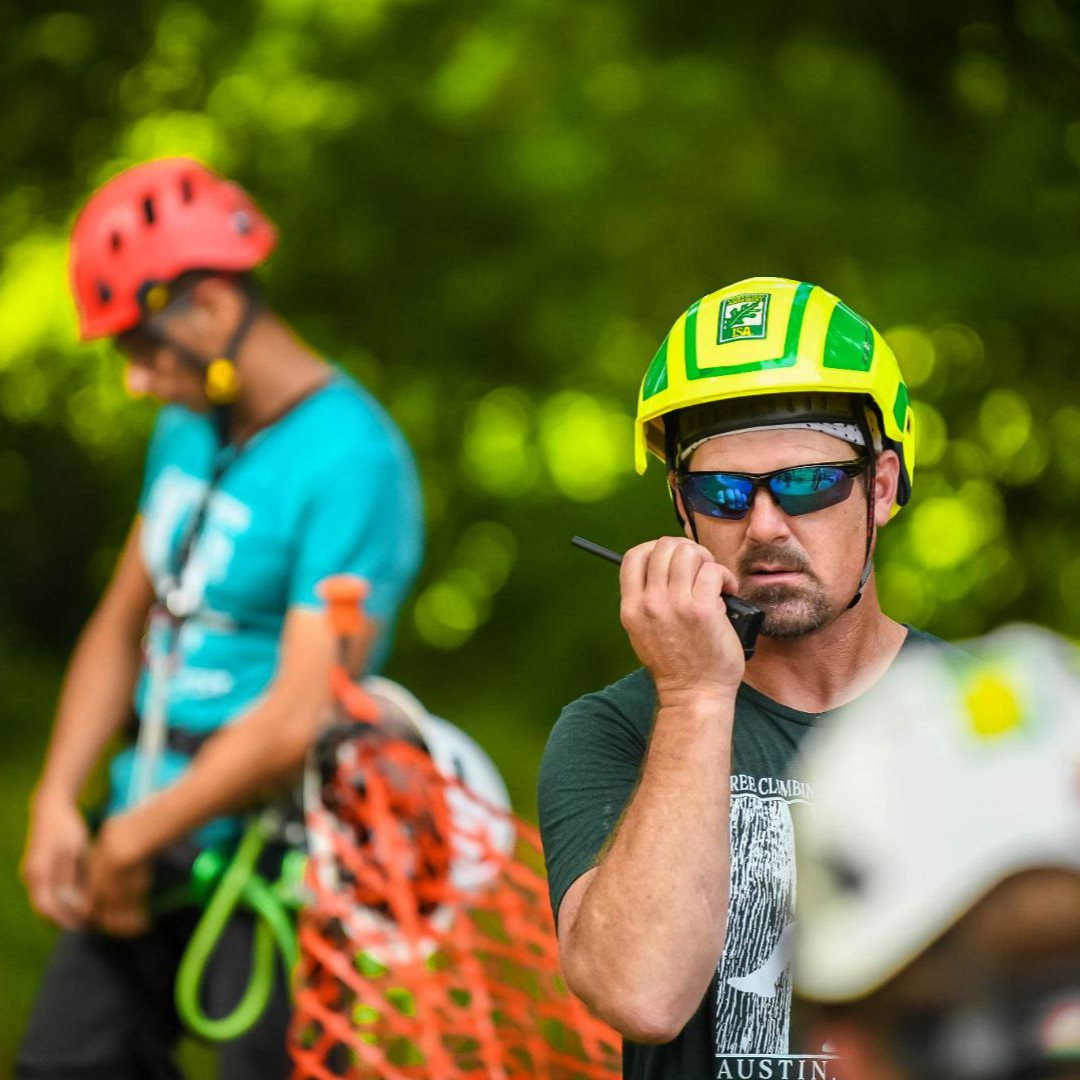
– Safety protocols: Inquire about equipment standards, fall protection, and jobsite cleanup practices. A professional should outline how they manage risk, weather delays, and on-site communication.
– Transparent communication: A reputable arborist will explain pruning goals, provide a written plan, and offer a clear quote with expected outcomes.
– Cleanliness and follow-up: After pruning, a reliable team should leave the area tidy and offer post-prune guidance or a follow-up check if you notice changes in your trees.
For a comprehensive view of our credentials and safety-first culture, peruse our About Us page and learn about our team’s training and certifications at https://davisfamilyarbor.com/about-us. If you’re ready to see how we translate this commitment into your yard, you can request a free, no-obligation quote through our contact page at https://davisfamilyarbor.com/contact.
Davis Family Arbor Tulsa: A Trusted Partner for Safe Pruning
When you need tree trimming near me, you want a partner who treats your landscape as an investment. Davis Family Arbor combines local know-how with a national standard of arboriculture practice. We focus on safety, precision, and long-term tree health, delivering outcomes you can see and feel.
– Safety as a foundation: We implement pruning plans that minimize risk to people and property, with protective gear, proper equipment, and team coordination on every job.
– Health-forward pruning: Our approach prioritizes a tree’s vascular balance, canopy structure, and stress resilience, which translates to fewer weak points and extended tree life.
– Transparent pricing: We believe in fair, upfront pricing with clear explanations of what each cut achieves, so you know exactly what you’re paying for.
– Local expertise: Tulsa’s climate and soil conditions influence pruning choices. Our team understands how trees respond to seasonal growth, wind exposure, and weather patterns in this area.
To explore how we tailor our services to your landscape, see our tree trimming service overview and related offerings at https://davisfamilyarbor.com/services/tree-trimming, and browse our broader site to understand our full range of tree care options at https://davisfamilyarbor.com/services.
Our Pruning Approach: Evaluation, Plan, and Execution
A deliberate, step-by-step process ensures safe and healthy pruning, especially when you’re searching for tree trimming near me. Here is how we work from first contact to the final cut and beyond:
– On-site evaluation: Our arborists inspect tree health, structure, surrounding utilities, and any risk factors. We assess the tree’s age, growth patterns, and goals for the space.
– Pruning plan: Based on the evaluation, we present a clear plan with specific cuts, timing, and expected outcomes. You’ll know which branches are targeted for thinning, reduction, or removal and why.
– Weather-aware scheduling: We time pruning to minimize stress, typically avoiding extreme heat or cold and aligning with species-specific growth cycles.
– Safe execution: Our team uses purpose-built tools, climbing systems, and rigging techniques when needed, ensuring cuts are clean and stable while protecting people and property.
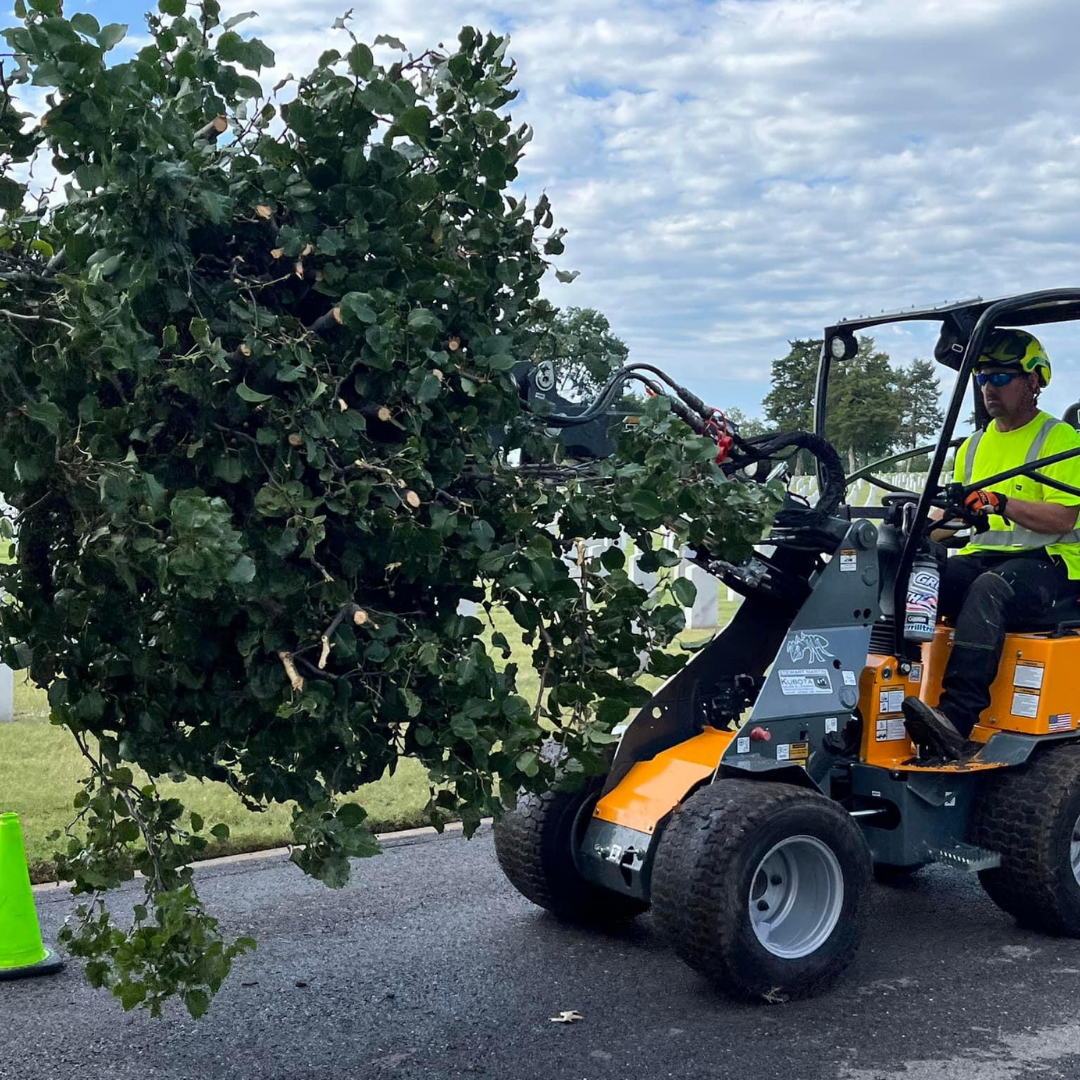
– Post-prune cleanup: A tidy work site is part of our service. We remove debris, mulch appropriately, and offer guidance on aftercare.
– Follow-up care: We monitor tree response and provide recommendations or follow-up visits if needed to ensure the pruning achieves the desired outcome.
If you want to see a practical example of how we plan and execute a trimming project, read more about our approach on our Services page at https://davisfamilyarbor.com/services/tree-trimming or contact us to start with a free consultation at https://davisfamilyarbor.com/contact.
Pruning Techniques Demystified: When to Thin, When to Reduce, When to Remove
Understanding pruning techniques helps homeowners make informed decisions about tree trimming near me. Our experts tailor treatments to the tree’s needs and the landscape’s goals. Key techniques include:
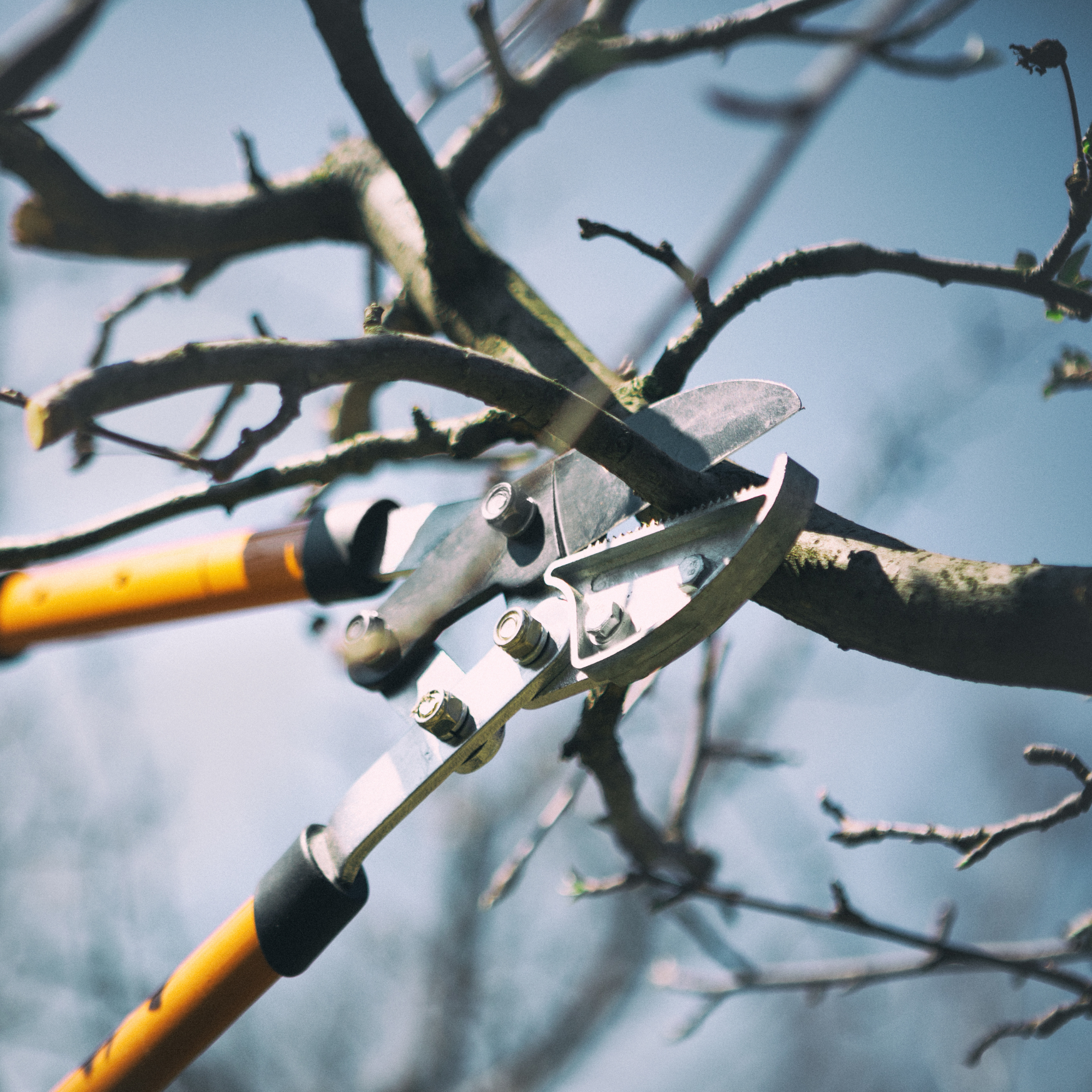
– Crown thinning: Removing selected interior branches to improve air circulation, light penetration, and posture of the crown. This helps reduce disease risk and wind loading without drastically changing the silhouette.
– Crown reduction: Reducing the overall height and spread while preserving the tree’s natural shape. This is useful near structures or power lines but must be done carefully to avoid creating weak points.
– Structural pruning: Strengthening future growth by removing or correcting weak branches, codominant leaders, or forks that could lead to failure later in life.
– Targeted removal: In cases of dead, diseased, or damaged limbs, removing problematic sections preserves overall health while eliminating hazards.
– Seasonal considerations: Different species respond differently to pruning timing. Our arborists choose windows that minimize stress and maximize callus formation and wound closure.
This careful mix of thinning, reduction, and selective removal supports healthier growth, better light distribution, and a lower risk of limb failure during storms. If you’re curious how these techniques translate to your trees, our team can walk you through a species