



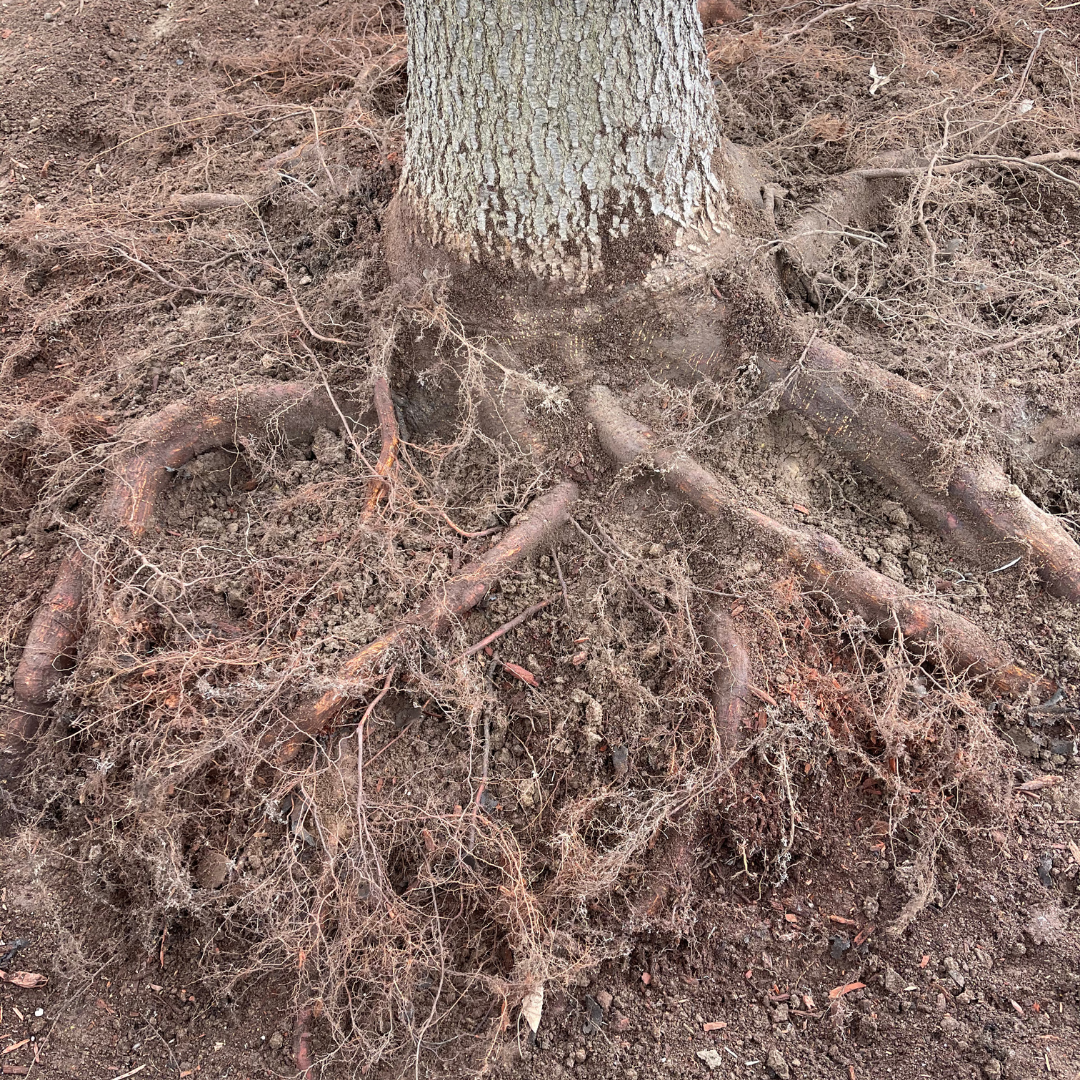
Understanding poisonous trees and why they matter
Many homeowners assume a yard is safe simply because trees add shade, beauty, and value. But poisonous trees pose a real risk to families, especially with curious children and pets exploring outdoors. This guide explains what makes certain trees poisonous, the practical risks they present, and how Davis Family Arbor can help keep your family safe through professional assessment, removal when needed, and ongoing tree care. By understanding poisonous trees and staying proactive, you can protect your loved ones without sacrificing the beauty and benefits of a healthy landscape.
What makes a tree poisonous and why the risk matters
Poisonous trees contain compounds that can harm people or animals if ingested, touched, or sometimes even inhaled as dust from decaying leaves or wood. The danger isn’t always obvious. In many yards, a tree’s toxicity is concentrated in fruit, seeds, sap, or bark. Even contact with certain sap can cause skin irritation or an allergic reaction in sensitive individuals. The risk is amplified when children or pets chew on fruit, nibble on leaves, or rub against a tree that sheds irritating resin.
Key points to know about poisonous trees:
– Toxic parts vary by species. Some trees are dangerous when fruit or seeds are ingested, while others pose a risk through contact with sap or bark.
– Exposure can be accidental. A fallen fruit, a bird’s dropped seed, or a sap-streaked branch can become a hazard in a moment.
– Symptoms range from mild irritation to serious illness. Skin rashes, stomach upset, vomiting, or more severe reactions may occur, depending on the tree and the exposure.
Recognizing the risks in your yard
Identifying poisonous trees in residential landscapes requires careful observation and knowledge of local species. While some trees are widely recognized as toxic, many homeowners encounter less familiar varieties that still present hazards. Common red flags include:
– Fruit or seeds that are unusually attractive to children or pets but are known to be toxic if eaten.
– Sap or resin that causes skin irritation after brushing against the bark.
– Trees with weak structure, significant decay, or dead limbs that could cause unpredictable exposure to toxic materials if damaged.
– A tree near play areas, gardens, driveways, or family gathering spaces where children climb, swing, or run.
If you notice any of these warning signs, it’s time to consider a professional evaluation. A certified arborist can confirm whether a tree is poisonous and discuss safe options for removal or mitigation.
How professionals assess poisonous trees
Assessing a potential toxic hazard involves a systematic approach focused on safety, health of the tree, and the needs of your landscape. At Davis Family Arbor, the process typically includes:
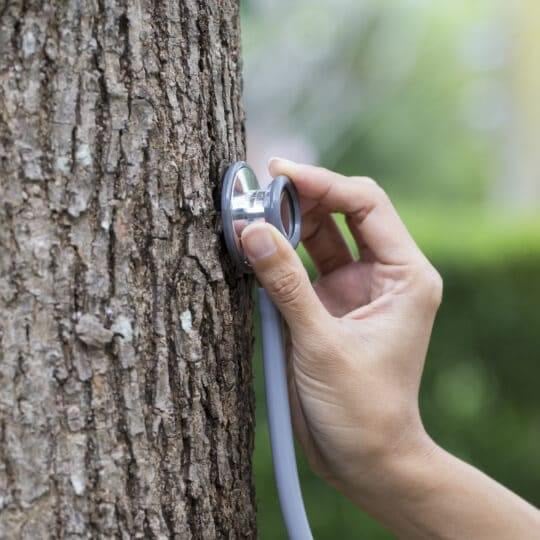
– On-site evaluation: Our arborists inspect the tree’s species, health, structure, proximity to playgrounds or outdoor living spaces, and any visible signs of decay or damage.
– Risk assessment: We determine the likelihood of branch failure, fall risk, and potential exposure to toxic parts. This step helps decide between pruning, stabilization, or removal.
– Species-specific guidance: Some trees are inherently dangerous if disturbed or if certain parts are harmed. We provide clear recommendations based on your yard, climate, and maintenance goals.
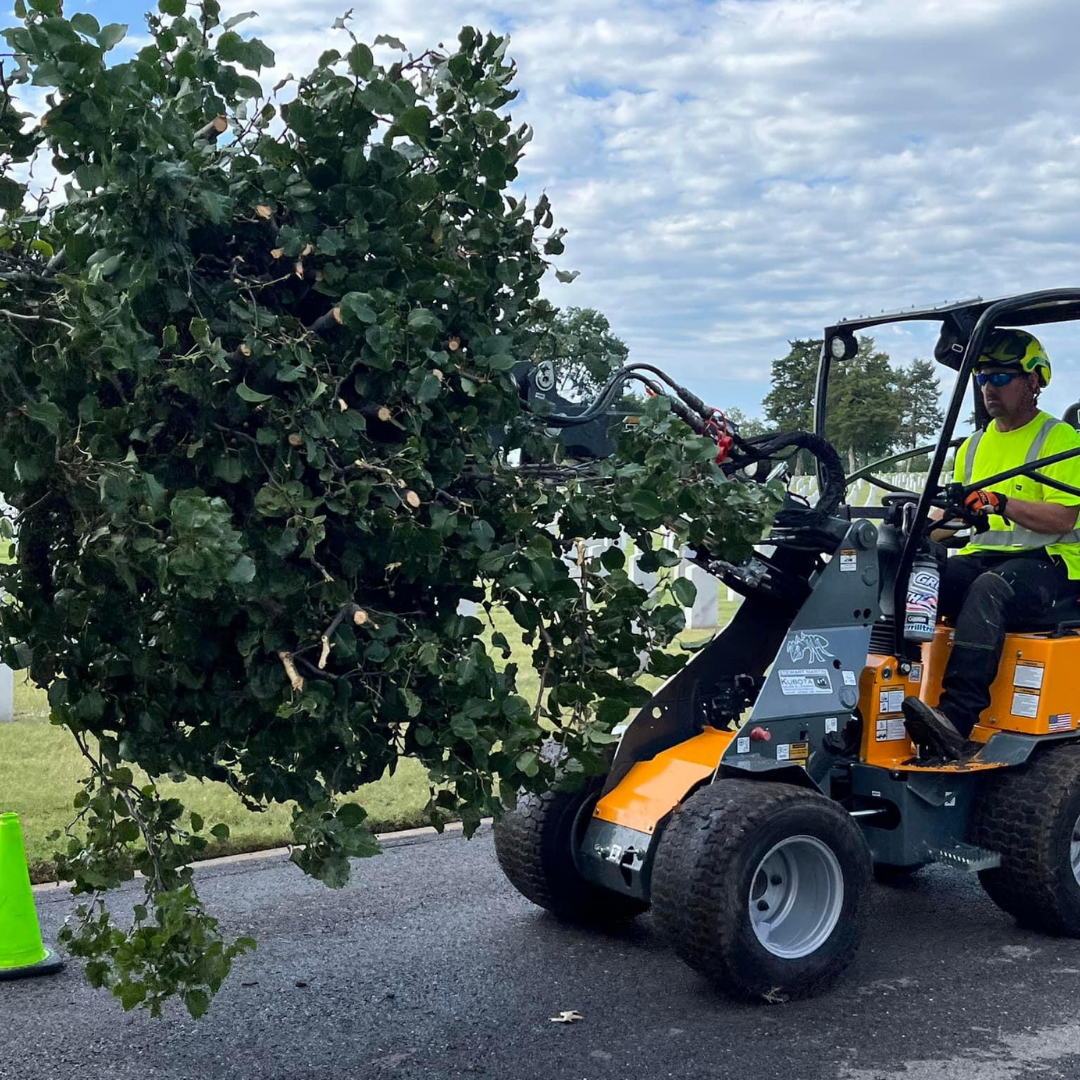
– Safe removal planning: If removal is necessary, we develop a plan that prioritizes safety for your family, neighbors, and property. This includes equipment placement, debris containment, and post-removal site care.
Davis Family Arbor approach to removing toxic trees
When a tree is identified as poisonous or presents a significant risk, professional intervention is essential. Here’s how we handle dangerous trees to restore health and safety to your landscape:
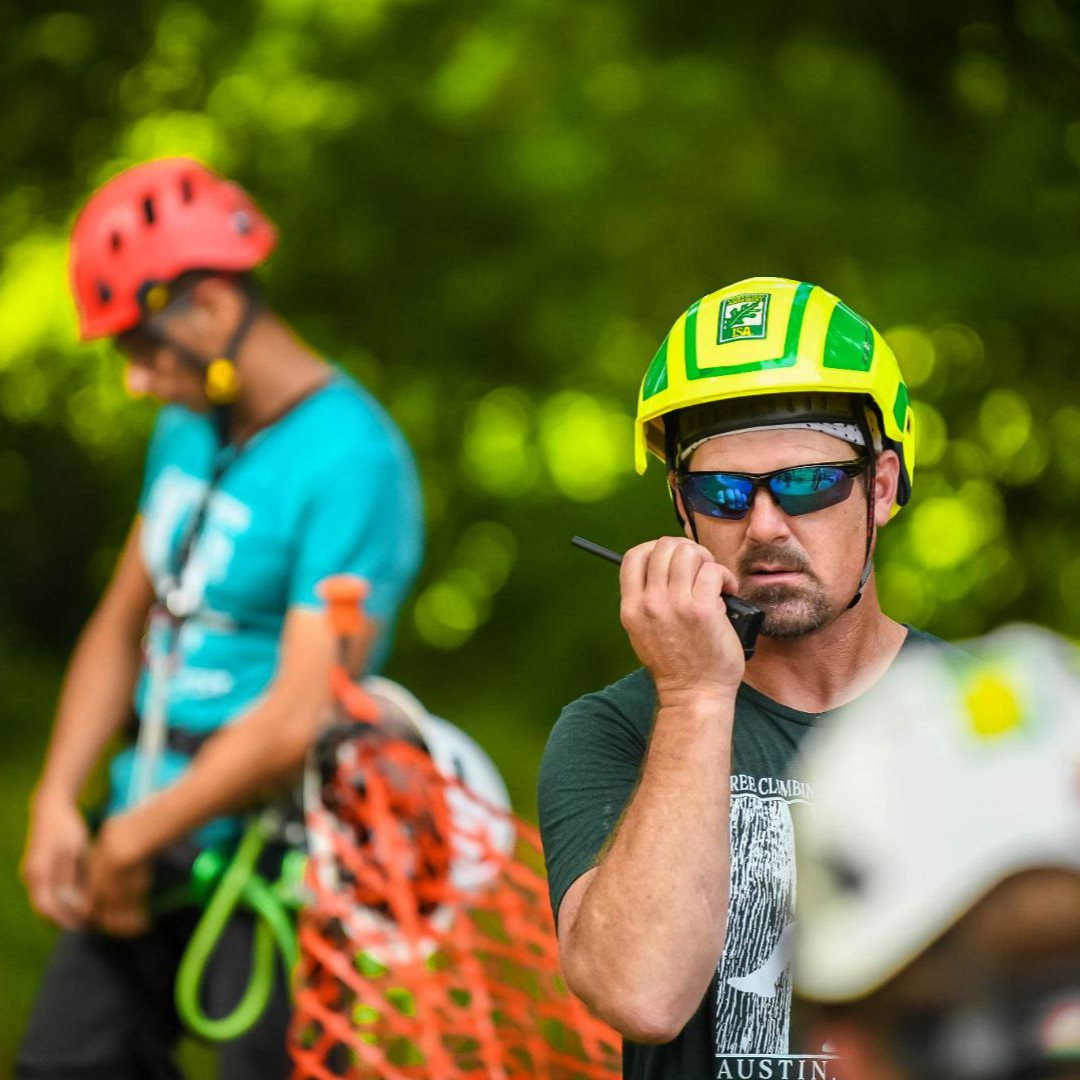
– Certified expertise: Our arborists are trained to handle toxic species with precision, following industry safety standards and local regulations.
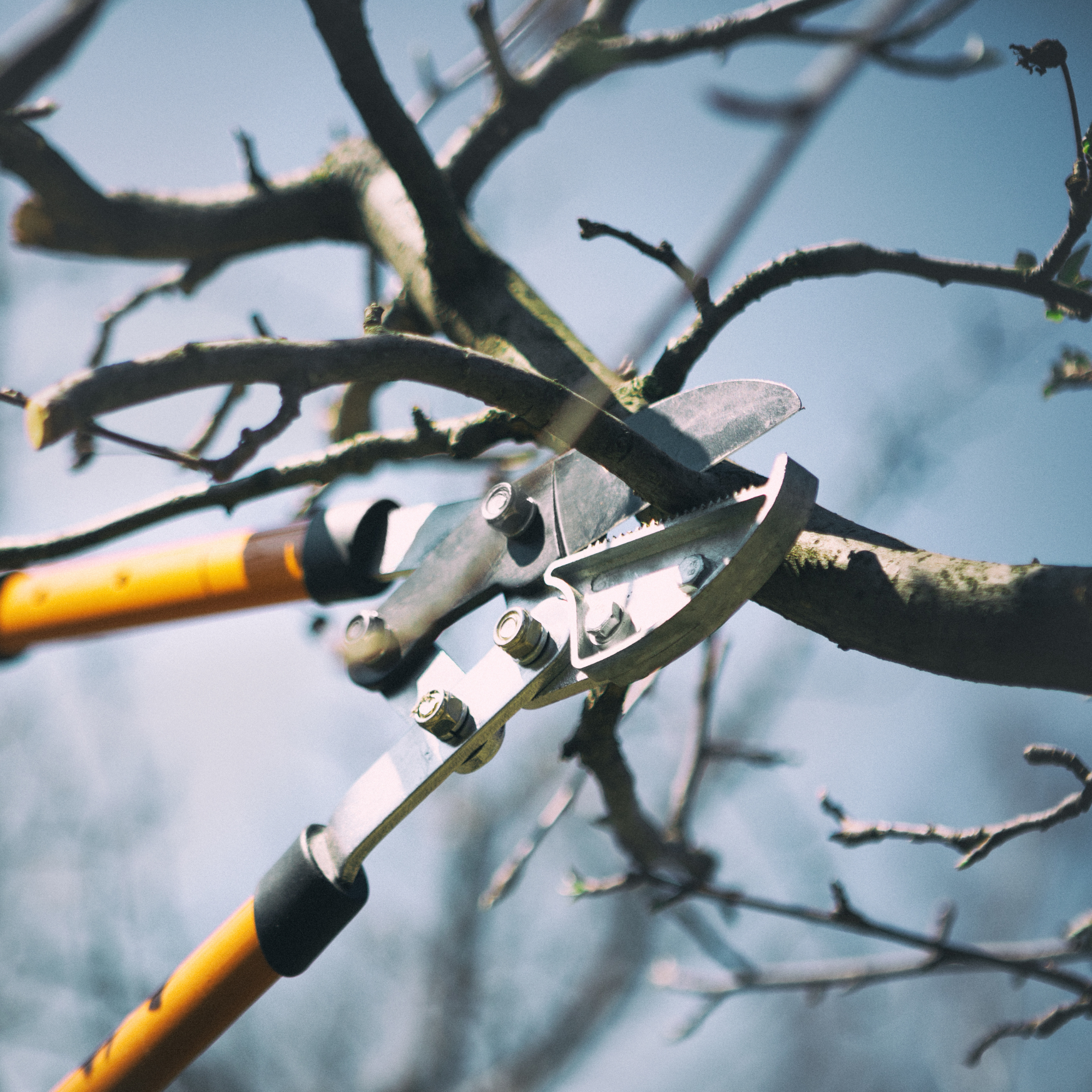
– Tailored solutions: Depending on the tree’s species, size, location, and health, we may recommend removal, selective pruning, or crown thinning to reduce exposure to harmful parts.
– Safe equipment and practices: We use protective gear, proper rigging, and containment to prevent accidental exposure to toxins during work.
– Site restoration: After removal or pruning, we assess soil health, over- or under-planting, and provide guidance for replanting with safer species or replacement trees that complement your yard.
– Follow-up care: We offer ongoing maintenance and monitoring to ensure newly planted trees establish well and remain safe for your family.
Why you should consider professional removal rather than DIY
Removing a poisonous tree is not a simple task. It involves specialized equipment, safety protocols, and knowledge of toxic plant handling. DIY removal can put your family at risk and may lead to property damage if a tree fails during cutting or if toxins are dispersed into the air or soil. Professional arborists bring:
– Risk management: Controlled cutting, rigging, and removal minimize the chance of falling limbs or toxic exposure.
– Compliance: We adhere to local codes and insurance requirements, reducing liability for homeowners.
– Healthy landscape planning: After removing a hazardous tree, you’ll receive guidance on replanting with safe, non-toxic options that fit your space and climate.
Safe practices for families living with trees that might be poisonous
Even with professional removal, prevention and ongoing maintenance are important. Implement these protective measures to minimize risk:
– Establish play zones away from low-hanging branches and fruit-bearing trees known to be toxic.
– Regularly inspect trees for visible damage, cracks, or dead limbs, and address issues promptly with professional help.
– Teach children not to eat fruit or leaves from unknown trees and to wash hands after outdoor play.
– Keep pets supervised when exploring yards with fruit-bearing trees and shrubs; know which species are toxic to animals and how to prevent exposure.
– Schedule periodic professional inspections to assess tree health and safety, especially in areas prone to storms or heavy winds.
Steps to take if you suspect a poisonous tree near your home
If you’re concerned about a poisonous tree in your yard, act quickly and safely. A structured plan helps protect your family and property:
– Do not prune or cut the tree yourself if you’re unsure about the species or toxins involved.
– Contact a certified arborist for an on-site assessment and a clear safety plan. You can reach our team through the Davis Family Arbor contact page for a prompt evaluation (https://davisfamilyarbor.com/contact).
– Have the tree inspected for structural integrity, disease, and toxin-related hazards. If the risk is high, plan for safe removal or relocation.
– Consider temporary barriers or clear signage around the tree area to prevent access by children or pets during the assessment period.
– After removal or treatment, consult with your arborist about safe replanting options and ongoing maintenance to prevent future hazards.
Our services that support safe landscapes
Davis Family Arbor offers a full range of services designed to protect families while maintaining a vibrant outdoor space. If a tree is identified as poisonous or poses other safety concerns, we can tailor a plan that fits your goals:
– Tree removal services for hazardous trees that cannot be safely saved, with careful site cleanup and disposal. Learn more about our removal approach on the tree removal services page (https://davisfamilyarbor.com/services/tree-removal).
– Tree trimming and pruning to strengthen structure and reduce risk from dead or hazardous limbs. Explore our pruning options (https://davisfamilyarbor.com/services/tree-trimming).
– General tree care and maintenance to improve health, reduce disease, and extend the life of your landscape.
– Consultation and education so families understand poisonous tree risks and how to minimize exposure.
Why Davis Family Arbor is your trusted partner
Choosing a trusted arborist is essential when dealing with poisonous trees. Our team combines expertise, safety, and a commitment to customer education. We provide transparent assessments, clear timelines, and recommendations that align with your property and budget. With Davis Family Arbor, you gain a partner who prioritizes safety, respects your home, and helps you maintain a landscape you can enjoy with confidence.
Practical guidance for safe landscape planning
– Screen for toxicity during initial landscape design or when choosing new plantings. We can suggest non-toxic or low-risk options that still deliver shade and beauty.
– Plan sightlines and play zones that keep curious children and pets away from potentially hazardous trees.
– Use mulch and soil management strategies to avoid unintended exposure from decaying plant matter.
– Regularly refresh and rotate plantings to maintain safety and curb appeal.
Frequently asked questions about poisonous trees
– Are poisonous trees illegal to remove? Depending on local regulations, some trees may require permits or special handling. Our team can guide you through the process and ensure compliance.
– Can poisonous trees be treated or saved? Some trees may be stabilized or treated if the risk is manageable, but many times removal is the safest long-term option.
– How long does removal take? It depends on tree size, species, site access, and coordination with site safety. We provide a clear timeline in the assessment.
– Will removal damage my lawn or plants? We take care to minimize disruption and restore the area after removal, with recommendations for replanting and lawn recovery.
Conclusion: protect your family by acting today
Poisonous trees in yards present a real and manageable risk to families. By understanding the dangers, seeking a professional assessment, and choosing safe, effective solutions, you can protect loved ones without sacrificing the beauty of your landscape. Davis Family Arbor is ready to help with expert evaluations, careful removal when needed, and ongoing care to ensure a safer outdoor environment. If you suspect a poisonous tree near your home, don’t delay—reach out to our team for a comprehensive assessment and a plan that puts safety first. Contact us today to schedule a quote and learn more about how our services, including tree removal (https://davisfamilyarbor.com/services/tree-removal) and tree trimming (https://davisfamilyarbor.com/services/tree-trimming), can restore safety and health to your yard. To learn more about our approach and values, explore About Us at https://davisfamilyarbor.com/about-us, or connect with us directly through https://davisfamilyarbor.com/contact. Your family’s safety deserves a proactive, professional solution.