




Flower Tree in Spring: Care, Removal, and What Davis Family Arbor Can Do for You
Spring breathes new life into landscapes, and a flower tree in spring often becomes the centerpiece of curb appeal. But with new growth comes new responsibilities—from pruning timing to disease prevention and, in some cases, safe removal. At Davis Family Arbor, we understand how to balance beauty with safety. Our certified arborists bring years of experience in assessing flowering trees, diagnosing problems early, and delivering removal or care that protects your yard and your investment. If you’re wondering how to keep your flower tree in spring thriving or when to call in help for removal, this guide walks you through every option and decision with clarity and professional insight.
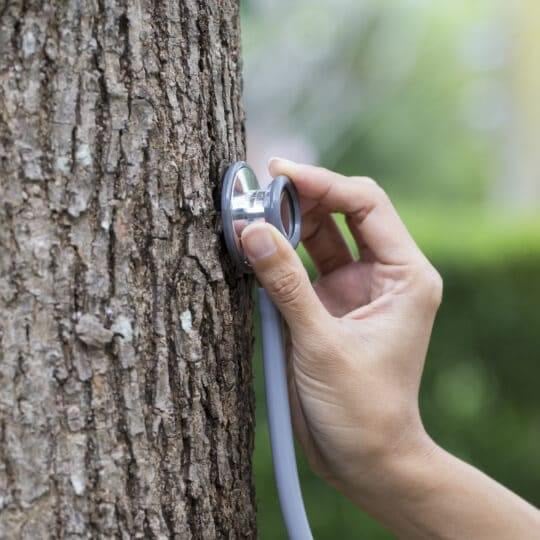
Assessing a Flower Tree in Spring: Key Signs It Needs Attention
The demand on a flower tree in spring is higher than at other times of the year. Growth spurts, new leaves, and flower buds signal a busy season for your tree and for your landscape. The first step is a careful assessment to determine whether care is sufficient or if more aggressive action is required.
– Look for uneven canopy growth and thinning: A healthy flower tree in spring should display balanced growth on all sides. If you notice significant thinning on one side or bare branches, it may indicate structural issues, pest pressure, or root problems.
– Check for deadwood and brittle branches: Dead or brittle limbs that crack or snap easily can pose safety hazards, especially near sidewalks, driveways, or structures.
– Inspect for signs of disease: Fungal growth, oozing sap, cankers, or unusual leaf spots can indicate infections that weaken the tree’s structure and reduce flowering next season.
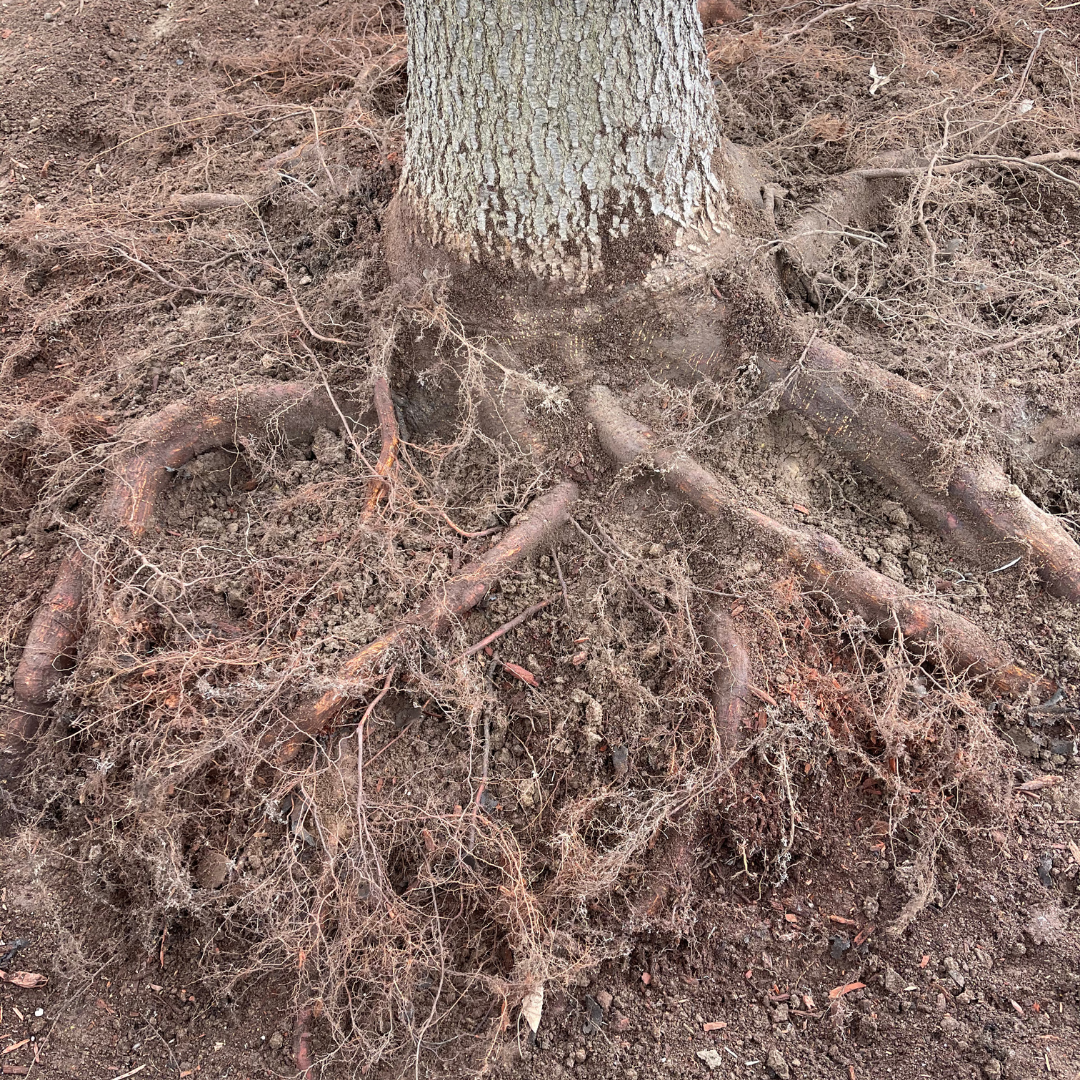
– Evaluate root area and soil moisture: Soil that stays consistently wet or remains drought-stressed can stress the tree, reduce bloom quality, or lead to uprooting risk after heavy spring rains.
– Monitor for pest activity: Pests such as scale, borers, or aphids often increase on flowering trees in spring. Look for honeydew, distorted leaves, or sticky residues on branches.
If you notice any of these indicators, it’s time to consider professional assessment. A trained arborist can distinguish between normal seasonal changes and underlying problems that threaten long-term health. For a detailed evaluation, contact Davis Family Arbor to schedule an in-depth inspection. You can explore our comprehensive services, including tree removal and pruning, at https://davisfamilyarbor.com/services and learn more about the team at https://davisfamilyarbor.com/about-us.
When to Consider Removal for a Flower Tree in Spring
Removal is a difficult decision, but sometimes it’s the safest and most cost-effective choice to protect people, pets, and the landscape. Here are common scenarios where removal becomes the best option.
– Structural compromise: If the trunk or major limbs show significant cracks, splitting, or decay that cannot be stabilized, removal reduces the risk of failure during storms or high winds.
– Irreparable disease or pests: Some diseases or infestations render a flower tree in spring beyond salvage, particularly when they threaten neighboring plants or the health of the soil.
– Chronic poor health with recurring issues: A tree that repeatedly fails to recover from pruning wounds, pest damage, or soil-related stress may warrant removal to preserve landscape longevity.
– Interference with essential spaces: Roots or canopy growth encroaching on driveways, foundations, or underground utilities can create ongoing safety concerns or costly maintenance.
– Replacement with a better fit: Sometimes a healthier, more disease-resistant species or a tree better suited to microclimate or space offers greater long-term value.
The removal process carried out by Davis Family Arbor emphasizes safety, efficiency, and minimal disruption to your property. Our team follows strict safety protocols, uses professional equipment, and ensures proper cleanup and disposal. To learn more about the specifics, review our Tree Removal services at https://davisfamilyarbor.com/services/tree-removal and see the broader scope of our offerings at https://davisfamilyarbor.com/services.
Care and Pruning for a Flower Tree in Spring: What Works Best
If your tree is healthy enough to stay, spring offers an excellent window for pruning, shaping, and improving overall vigor. The goal is to support blooming next season while maintaining structure and reducing disease pressure. Here are practice guidelines our arborists follow when caring for a flower tree in spring.
– Timing matters: For most flowering trees, pruning is best done after the bloom period. This approach protects next year’s buds and reduces the risk of cutting off next season’s flowers. If you’re unsure about timing, an evaluation by a certified arborist can provide a precise plan for your species.
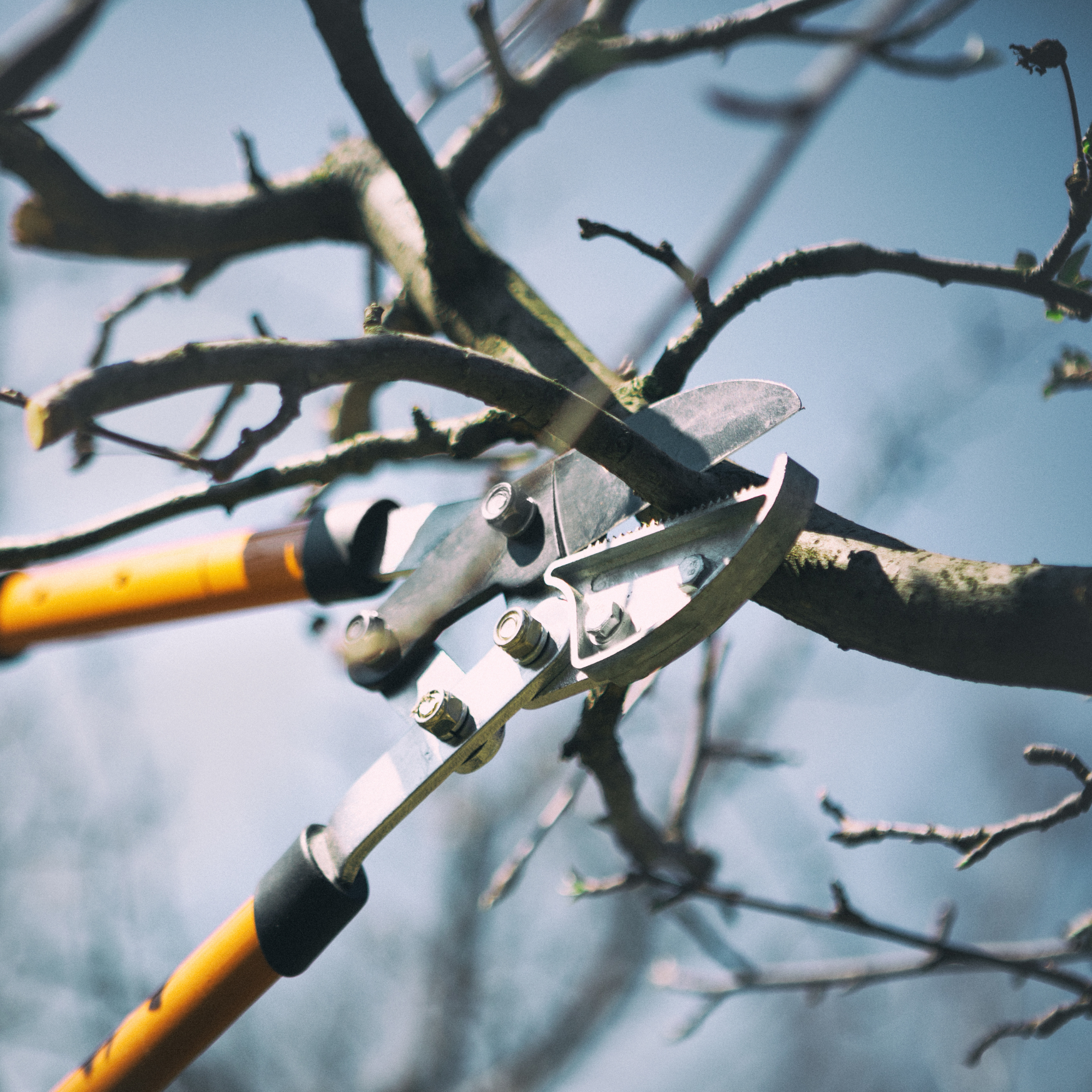
– Clean cuts and proper tools: Use sharp, clean tools to make precise cuts. Remove only dead or crossing branches to improve airflow and reduce disease risk.
– Corrective thinning: Selectively thinning crowded branches helps sunlight reach interior limbs, promoting even growth and healthier flowering in subsequent seasons.
– Mulching and soil health: Apply a layer of mulch around the base of the tree to conserve moisture, stabilize soil temperature, and discourage weed growth. Keep mulch a few inches away from the trunk to prevent rot.
– Watering and irrigation: Spring weather can alternate between wet and dry periods. Maintain consistent moisture without waterlogged soil, especially for species sensitive to root rot.
– Fertilization considerations: In most cases, flowering trees do not require heavy fertilizer right after blooming. A soil test can determine nutrient needs, and a targeted feed plan can support healthy growth without encouraging excessive leafy growth at the expense of blooms.
– Pest and disease prevention: Early-season monitoring helps catch issues before they escalate. Treat problems early with products and practices recommended by certified arborists.
If you want tailored pruning and care recommendations for your specific flower tree in spring, a professional assessment is the best route. Davis Family Arbor provides precise pruning plans, aiming to preserve bloom while maintaining structural integrity. Learn more about our pruning and care services at https://davisfamilyarbor.com/services/tree-trimming and see how our team approaches each species.
Safe and Efficient Removal: What to Expect
When removal is necessary, Davis Family Arbor follows a careful, well-structured process to ensure safety and minimize landscape impact. Here is a typical workflow you can expect when working with us on a flower tree in spring that needs removal.
– Initial consultation and evaluation: A certified arborist visits your property to assess tree health, growth pattern, and the impact on surrounding structures and trees. We explain the rationale for removal and discuss alternatives if appropriate.
– A clear plan and quote: You receive an itemized plan describing removal steps, equipment, and any necessary precautions. We provide a transparent quote with no hidden costs.
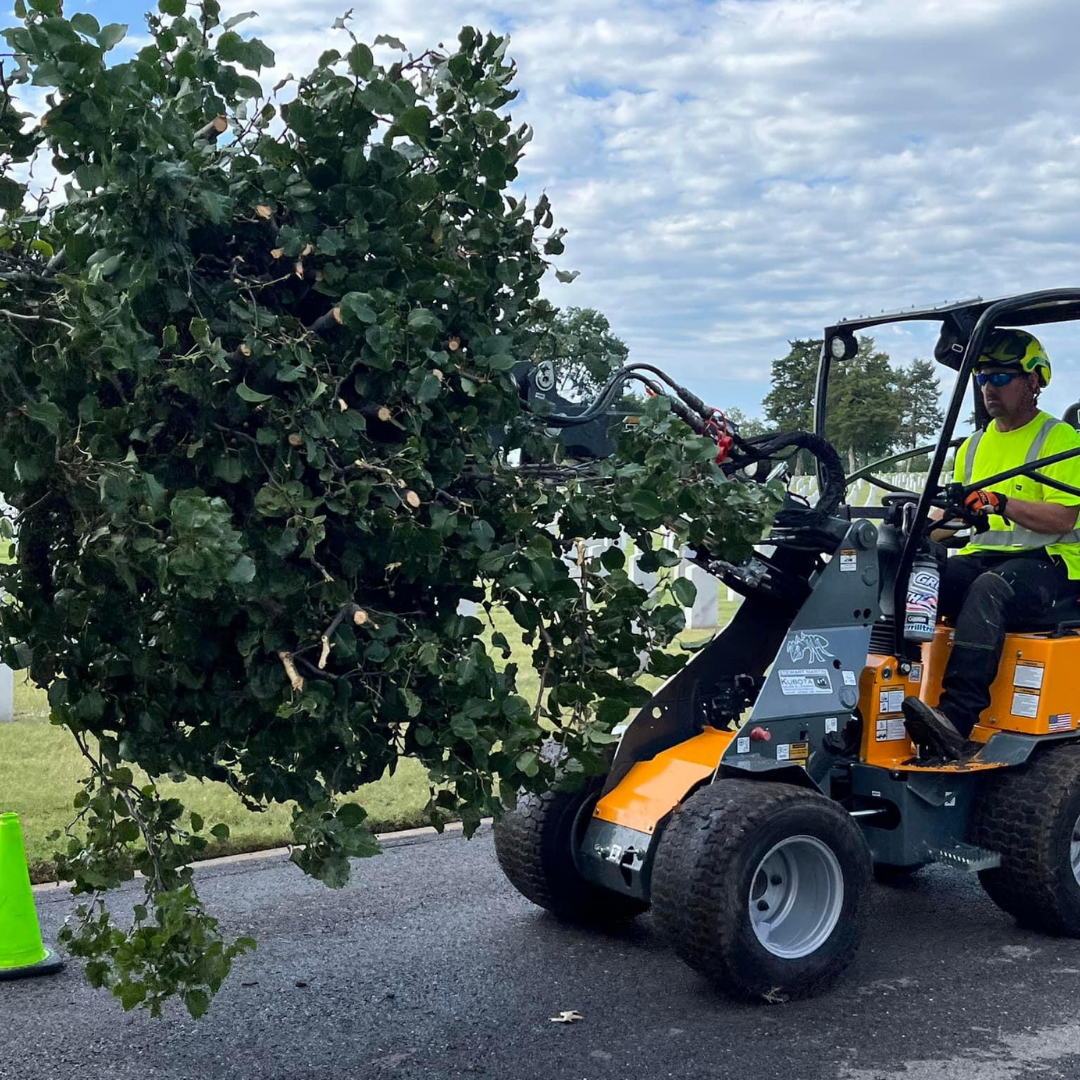
– Safe execution: The team uses professional climbing gear, rigging systems, and safe grapple equipment to lower limbs piece by piece, protecting your yard from damage.
– Cleanup and soil restoration: After removal, we restore soil, reseed or replant where appropriate, and remove debris. Our goal is to leave your landscape as clean, if not cleaner, than before.
– Follow-up recommendations: We offer guidance on replanting strategies and ongoing maintenance to support the health of nearby trees and plants.
This same careful approach applies whether the removal is due to disease, safety concerns, or strategic landscape planning. To see how we handle removal and other services, visit our service pages: Tree Removal at https://davisfamilyarbor.com/services/tree-removal and Tree Trimming at https://davisfamilyarbor.com/services/tree-trimming.
Care Tips for a Flower Tree in Spring: Practical Steps for Homeowners
Even if you’re not ready to call a professional, you can take several proactive steps to care for a flower tree in spring. These practical tips help balance beauty with health and can reduce the chance of major problems down the line.
– Observe bloom