



Understanding tree-health-assessment-near-me-tulsa-green-country and why it matters
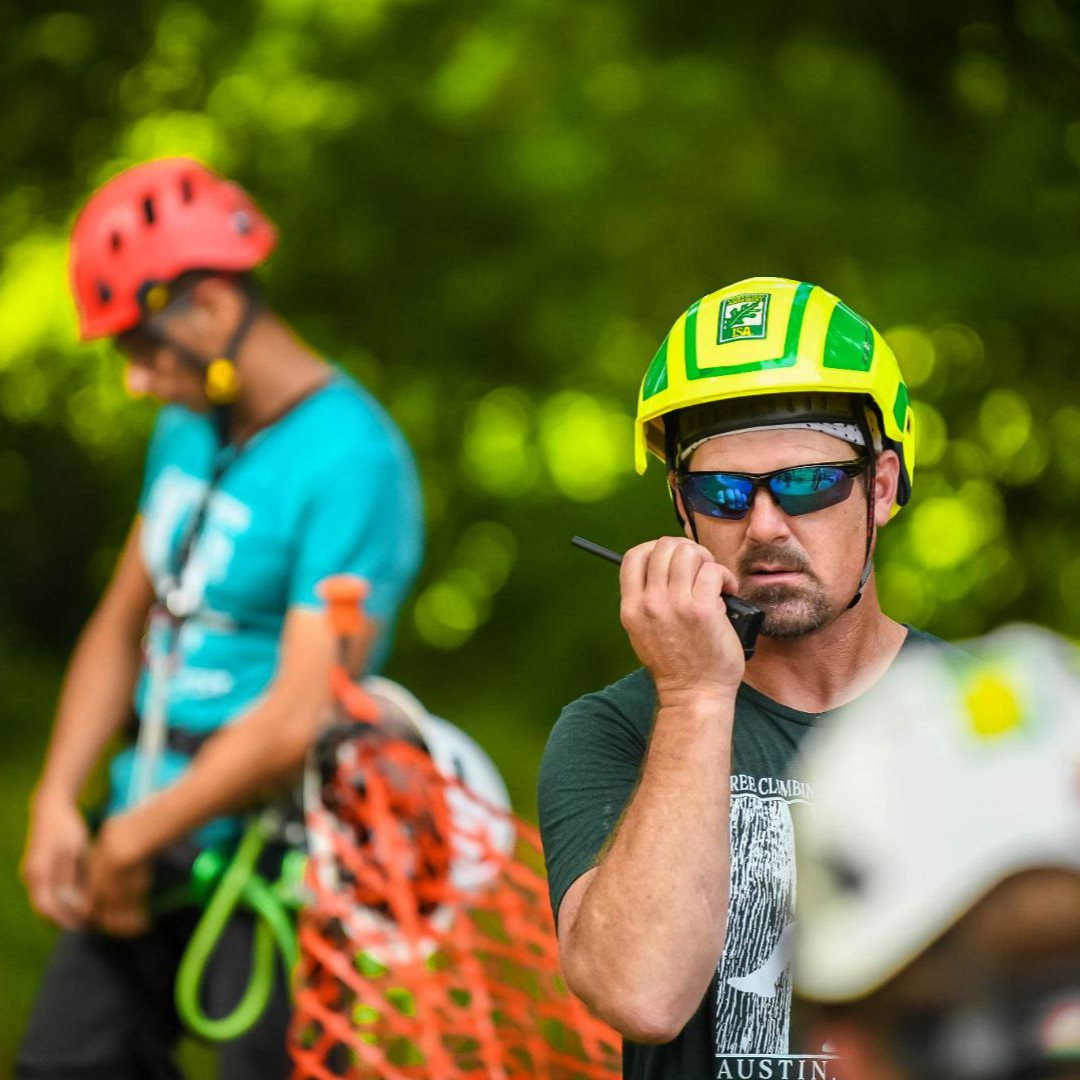
If you’ve been considering tree-health-assessment-near-me-tulsa-green-country, your search ends with Davis Family Arbor. Our team of certified arborists in Tulsa Green Country uses science-based methods to diagnose tree health, safety, and long-term vigor. A professional assessment not only protects your landscape but also safeguards your home and outdoor spaces from potential hazards. In the pages that follow, you’ll learn what a health assessment covers, how to spot when you need one, and why a local expert makes all the difference for your trees.
What a tree-health-assessment-near-me-tulsa-green-country entails and why it matters
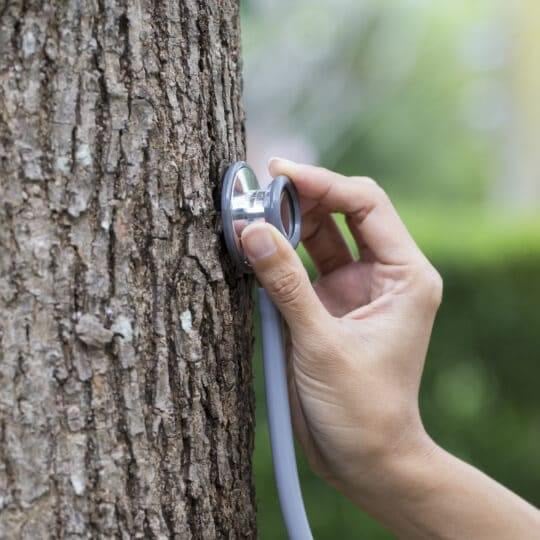
A tree health assessment is a thorough, methodical check of a tree’s overall condition. It combines visual inspection with targeted diagnostics to evaluate vigor, structural integrity, root health, and the presence of pests or diseases. In Tulsa Green Country, trees face stress from heat, drought, soil conditions, and seasonal pests. A comprehensive assessment identifies problems early, prioritizes treatments, and helps you avoid costly failures later. For readers searching for tree-health-assessment-near-me-tulsa-green-country, working with a local, certified team ensures familiarity with regional species, soil types, and climate patterns.
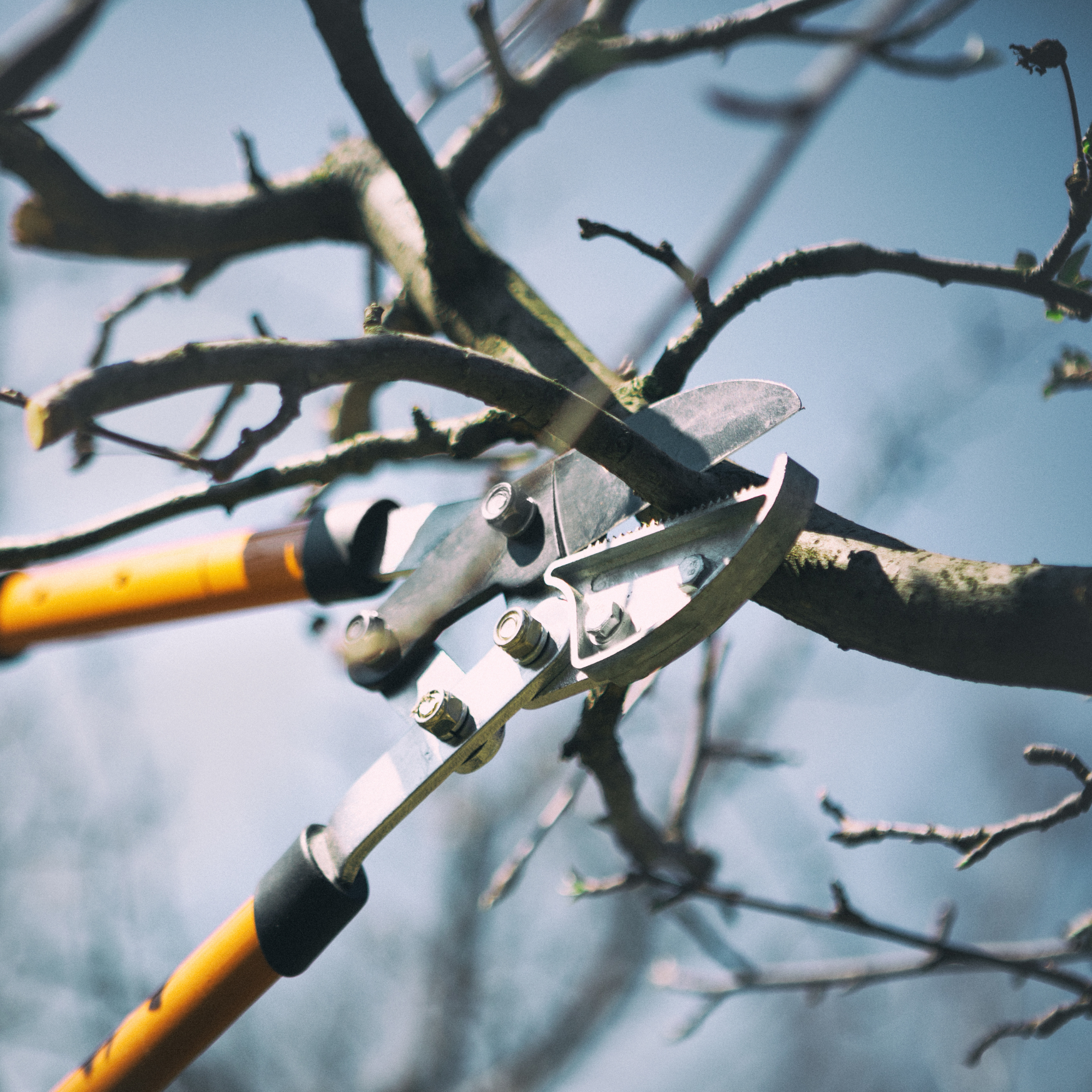
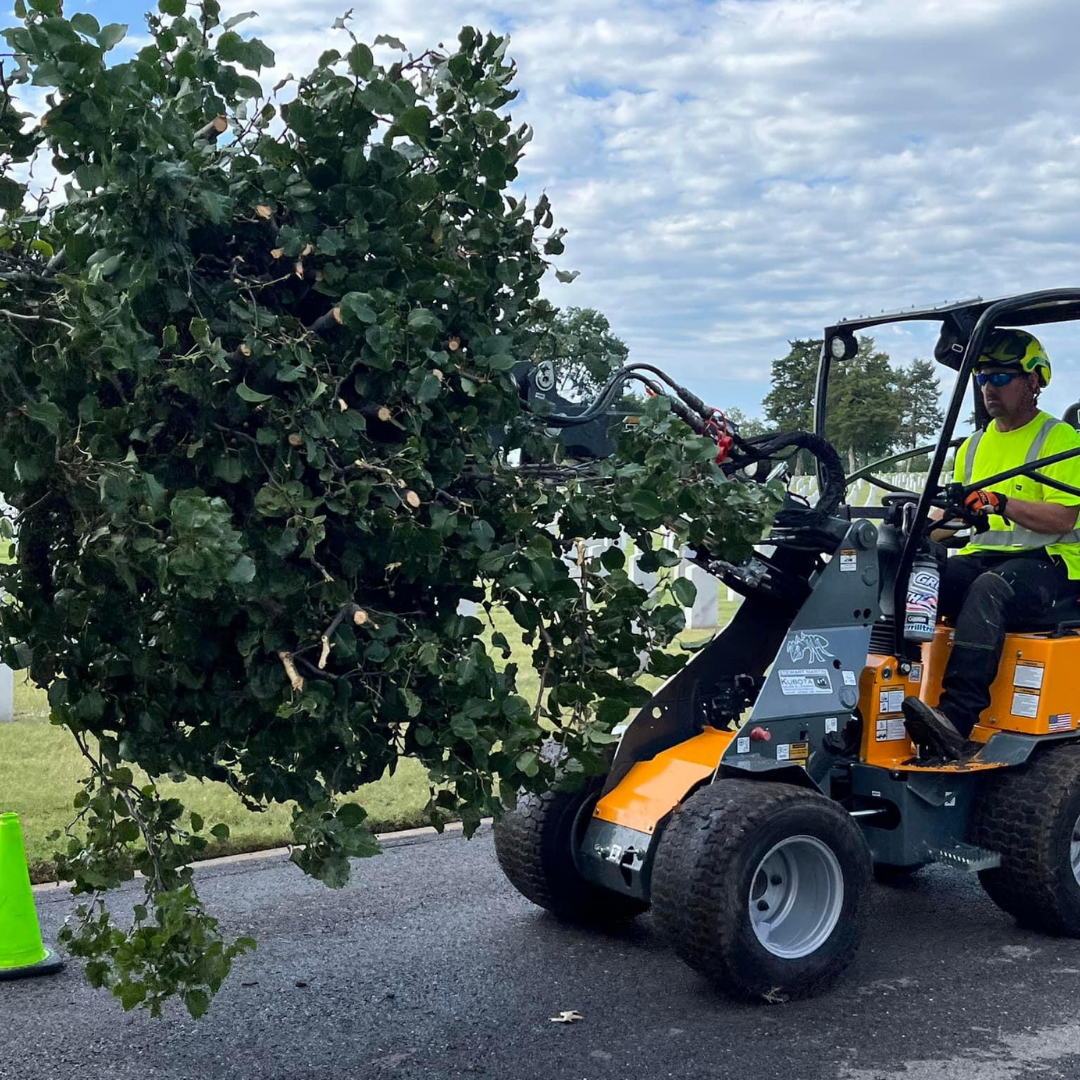
During an assessment, our arborists document findings and explain how each factor affects growth and safety. We focus on clarity and actionable recommendations, which may include pruning, soil amendments, targeted treatments, or, in some cases, safe removal. If removal becomes the best option, you can rely on our expertise for safe execution and a careful replacement plan. Davis Family Arbor emphasizes not only diagnosis but also practical next steps to keep your landscape thriving.
Recognizing signs that your trees need a professional assessment
A proactive approach saves time, money, and property. Consider a professional evaluation if you notice any of the following signs:
– Deadwood or heavy dieback on branches, especially in the upper canopy
– Cracks, splits, or sunken areas in the trunk
– Fungal growth at the base or on the bark, including mushrooms or conks
– Leaning trunks, sudden lean progression, or exposed roots
– Unusual leaf discoloration, persistent scorch, or premature shedding
– Evidence of pests such as boring insects, aphids, or scale
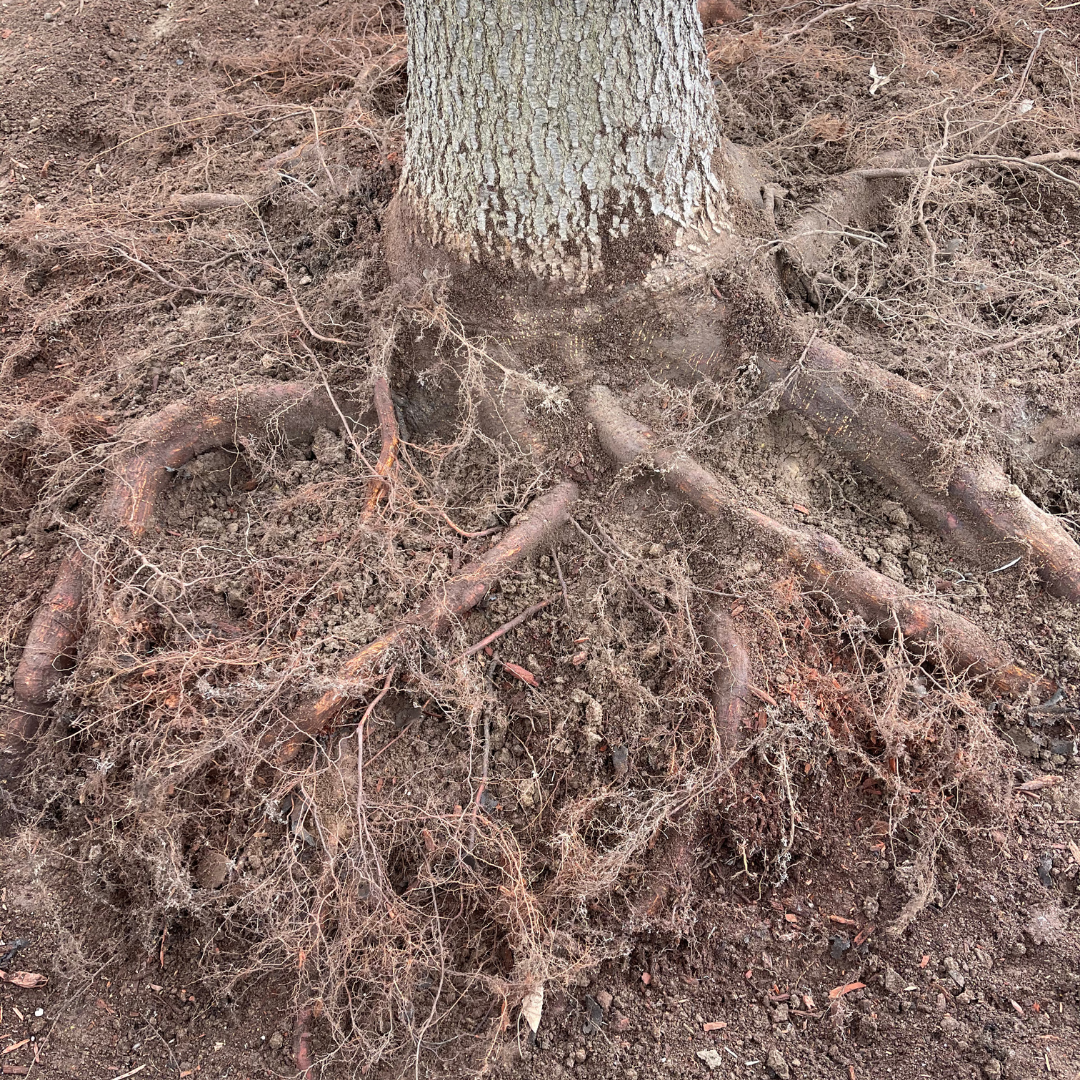
– Root upheaval, pooling water near the base, or visible root damage after storms
If you see these indicators, contact a qualified team for a tree-health-assessment-near-me-tulsa-green-country to determine the best course of action. For a reliable evaluation, consider exploring our services through the link to our Services page and then schedule a consultation.
The tree health assessment process: what to expect
A typical assessment follows a clear, repeatable process designed to minimize disruption while maximizing information:
1) Initial site review and canopy inspection
– We observe leaf color, uniformity, and evidence of nutrient deficiency, disease, or drought stress.
– We assess branch structure, limb distribution, and sprinkler or irrigation impacts.
2)