
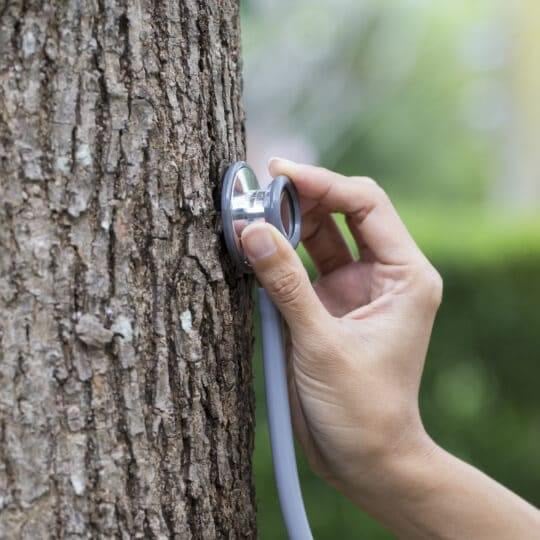



In Tulsa, Oklahoma, trees aren’t just landscape features—they’re living investments that add shade, beauty, and value to your property. When signs of trouble appear, you might find yourself asking a simple question: tree-health-assessment-near-me. A professional assessment from a qualified arborist can reveal issues that aren’t obvious from the ground and help you make informed decisions about care, removal, or long-term maintenance. This guide from Davis Family Arbor walks you through what a tree health assessment involves, why it matters in the Tulsa area, and how our team can help protect your trees and your property.
Understanding the value of a tree-health-assessment-near-me in Tulsa
Tulsa’s climate features hot summers, seasonal rainfall variability, and occasional severe weather. These conditions stress trees in different ways—from drought stress to storm damage and pest pressures. A tree-health-assessment-near-me is more than a quick glance at a canopy. It’s a comprehensive evaluation by certified arborists who can diagnose underlying problems, quantify risk, and propose safe, practical treatment plans. By choosing a local provider like Davis Family Arbor, you gain access to experts who understand Oklahoma’s tree species, soil types, and common regional hazards. This is why many homeowners prefer a professional assessment before deciding on pruning, treatment, or large-scale removals.
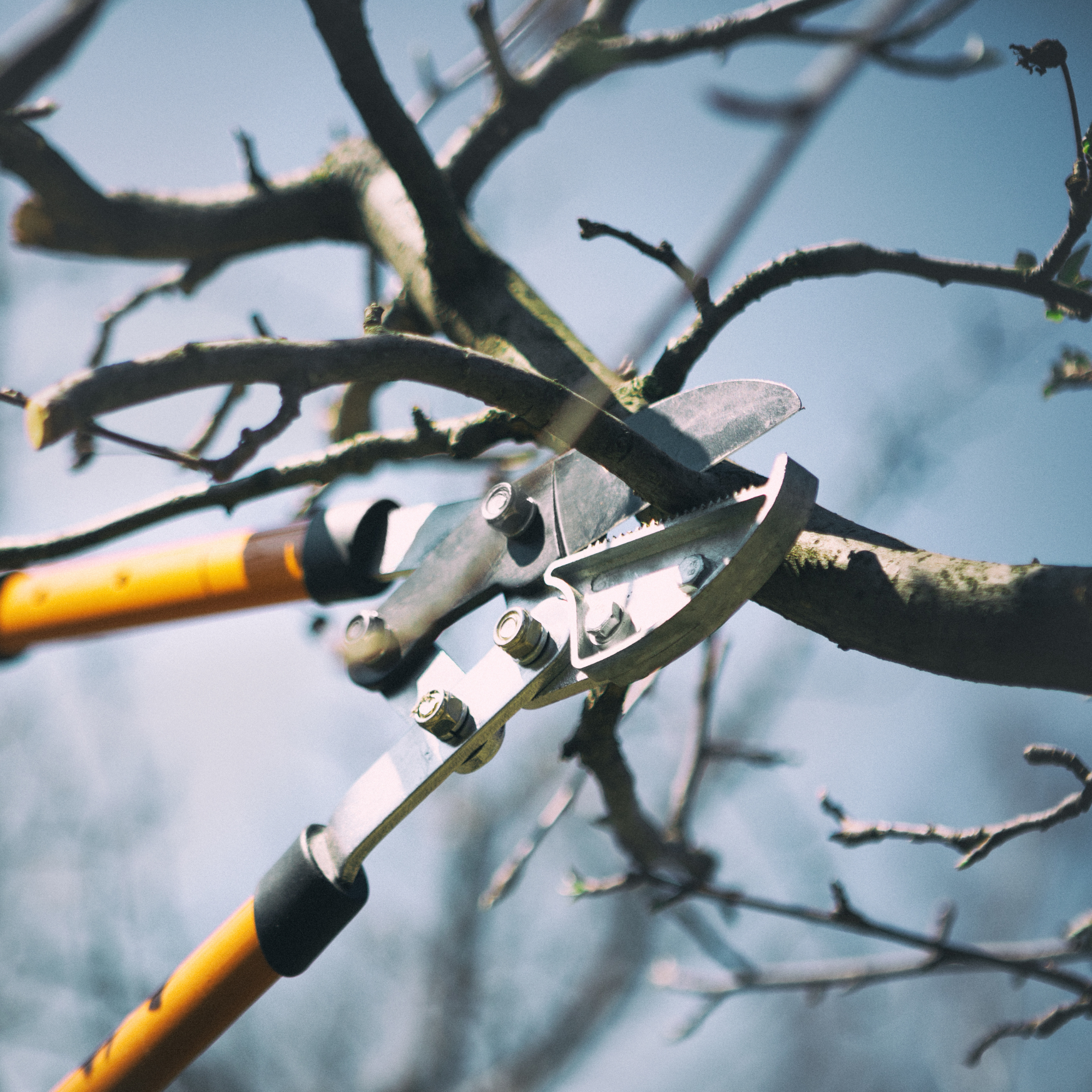
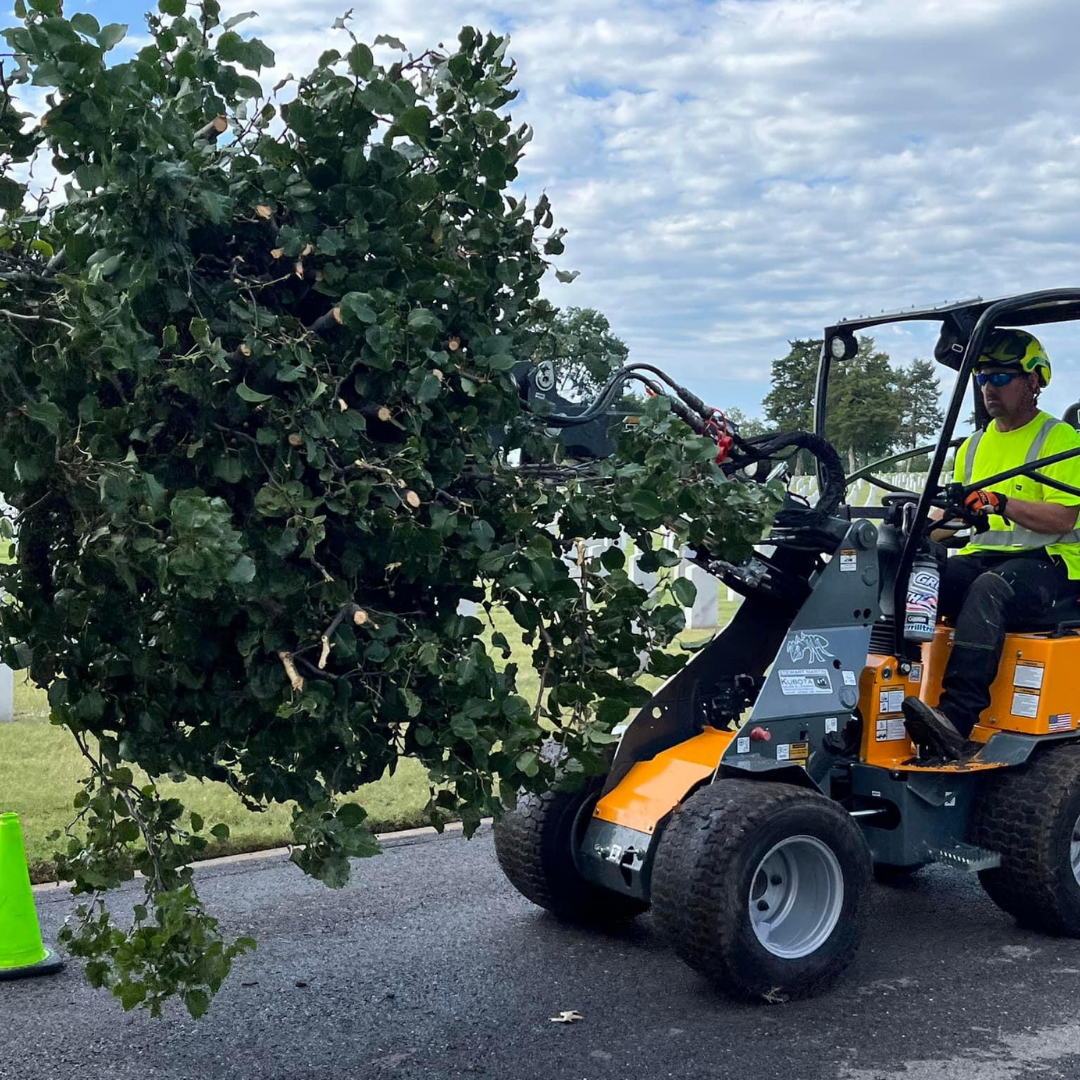
To learn more about the breadth of care we offer, explore our services page and see how a coordinated plan—including tree removal, tree trimming, and ongoing maintenance—fits your needs. Our team stands ready to help you navigate the options in a way that protects both your trees and your property.
Signs your trees may need a health assessment near me
Spotting trouble early can prevent costly damage later. If you notice any of the following, it’s a good time to schedule a tree-health-assessment-near-me in Tulsa:
– Diminished growth or canopy thinning across multiple sectors of the tree
– Dead or discolored branches, particularly in the upper canopy
– Cracks, splits, or hollow areas in the trunk or major limbs
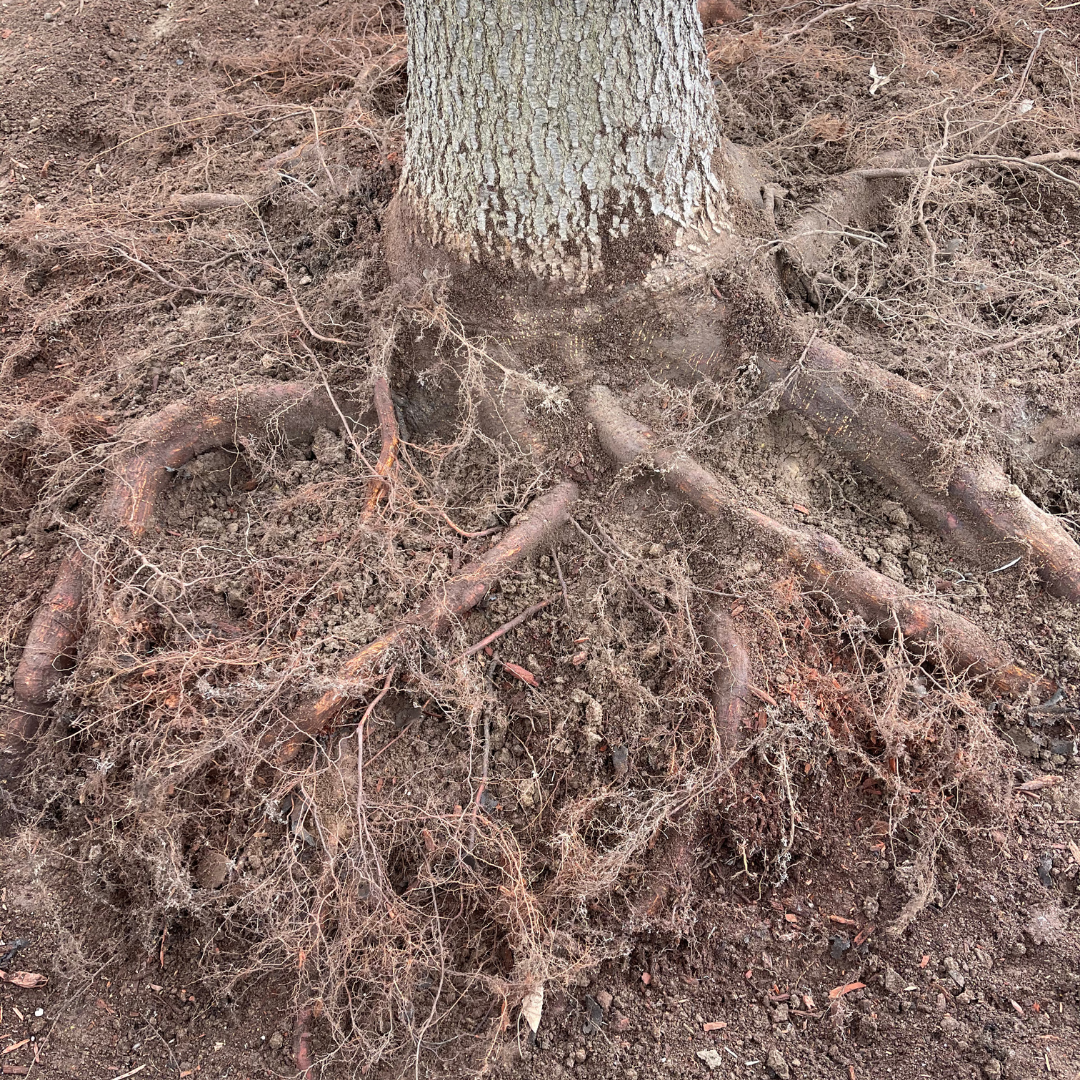
– Exposed roots or signs of root girdling, heaving soil, or recurring soil dryness
– Fungal fruiting bodies at the base or on the trunk, especially mushrooms
– Leaning trees, cracking foundation, or moisture pooling near the root zone
– Unusual or persistent pests, such as bark beetles or scale insects
– Recent storms or high-wind events with persistent limb damage or uprooting
– Soil that feels unusually dry or compacted, indicating poor root zone aeration
Addressing these symptoms promptly can prevent further decline and help you decide between treatment, pruning, or removal. If you’re unsure whether your tree needs professional attention, a quick initial consultation from a local arborist can provide clarity and set you on the right path.
What a professional tree health assessment checks
During a tree-health-assessment-near-me, an arborist will perform a structured evaluation focused on safety, vitality, and long-term viability. Here’s what you can expect:
– Canopy health and vigor: Assessing leaf color, uniformity of growth, and presence of dieback or thinning across the crown.
– Trunk and branch integrity: Inspecting for cracks, cankers, decay, and structural weakness that could lead to failure.
– Root system health: Evaluating soil conditions, root flare exposure, and signs of root distress or girdling.
– Soil and water balance: Checking moisture levels, soil structure, and drainage to ensure roots have the support they need.
– Pests and diseases: Identifying insect activity, pathogens, and fungal infections that threaten tree health.
– Environmental stress factors: Considering competition for resources, improper pruning cuts, or mechanical injuries.
– Safety assessment: Determining whether a tree poses an immediate hazard to people or property and prioritizing actions accordingly.
– Documentation and plan: Providing a written report with findings, photos, and a prioritized care plan, including when to monitor, treat, prune, or remove.
A thorough evaluation may include diagnostic steps, such as soil sampling or minor noninvasive testing, to pinpoint issues like nutrient deficiencies or soil salinity. The goal is to offer clear, actionable recommendations rather than vague concerns, so you can make informed decisions about your landscape.
To get a sense of how these steps translate into real-world outcomes, look at how our team coordinates with homeowners on practical solutions. You can also review our broader offerings via our Services page to see how a tree health assessment fits into a comprehensive care plan, including treatments or pruning strategies.
When to schedule a tree-health-assessment-near-me in Tulsa
Timing matters. Consider scheduling a health assessment in Tulsa when you notice any combination of symptoms or after specific events:
– After severe storms to assess hidden structural damage and stability
– Following drought periods that may stress root systems
– If you’re planning major landscaping changes or construction near a tree
– When a tree is aging and you want to understand options for preservation or removal
– If you’ve recently observed pest outbreaks or disease symptoms in multiple trees on your property
– Before buying or selling a property, as healthy trees can impact property value and marketability
Remember, proactive assessments often save money and reduce risk by catching problems early before they escalate into costly repairs or dangerous hazards. If you’re curious about the timing, you can visit our dedicated service pages and read case studies that illustrate how timely tree health assessments made a difference for Tulsa homeowners.
Health assessment vs hazard assessment vs removal
Understanding the distinctions helps you decide the right next steps:
– Tree health assessment: Focuses on the overall vitality of the tree, potential diseases or pest pressures, and long-term viability. It guides care decisions to improve health and longevity.
– Hazard assessment: Concentrates on immediate risk, such as branches that could fall during a windstorm or near structures. The goal is safety and prioritizing urgent actions.
– Removal decision: Based on a combination of health, structural integrity, location, and risk tolerance. Sometimes a tree with poor health or high hazard risk is removed, while other times pruning or treatment can restore value.
In many cases, a qualified arborist will perform a layered assessment, starting with health indicators and moving toward hazard evaluation. The final plan may include steps like targeted pruning, disease management, or, when necessary, removal. For a seamless experience, our team can guide you through this process from start to finish, ensuring you understand every option.
To explore how this approach is implemented in practice, you can review our Tree Removal and Tree Trimming services for scenarios where removal or pruning is the best course, and connect with us to discuss your specific situation through our Contact page.
Why choose Davis Family Arbor for your tree health assessment
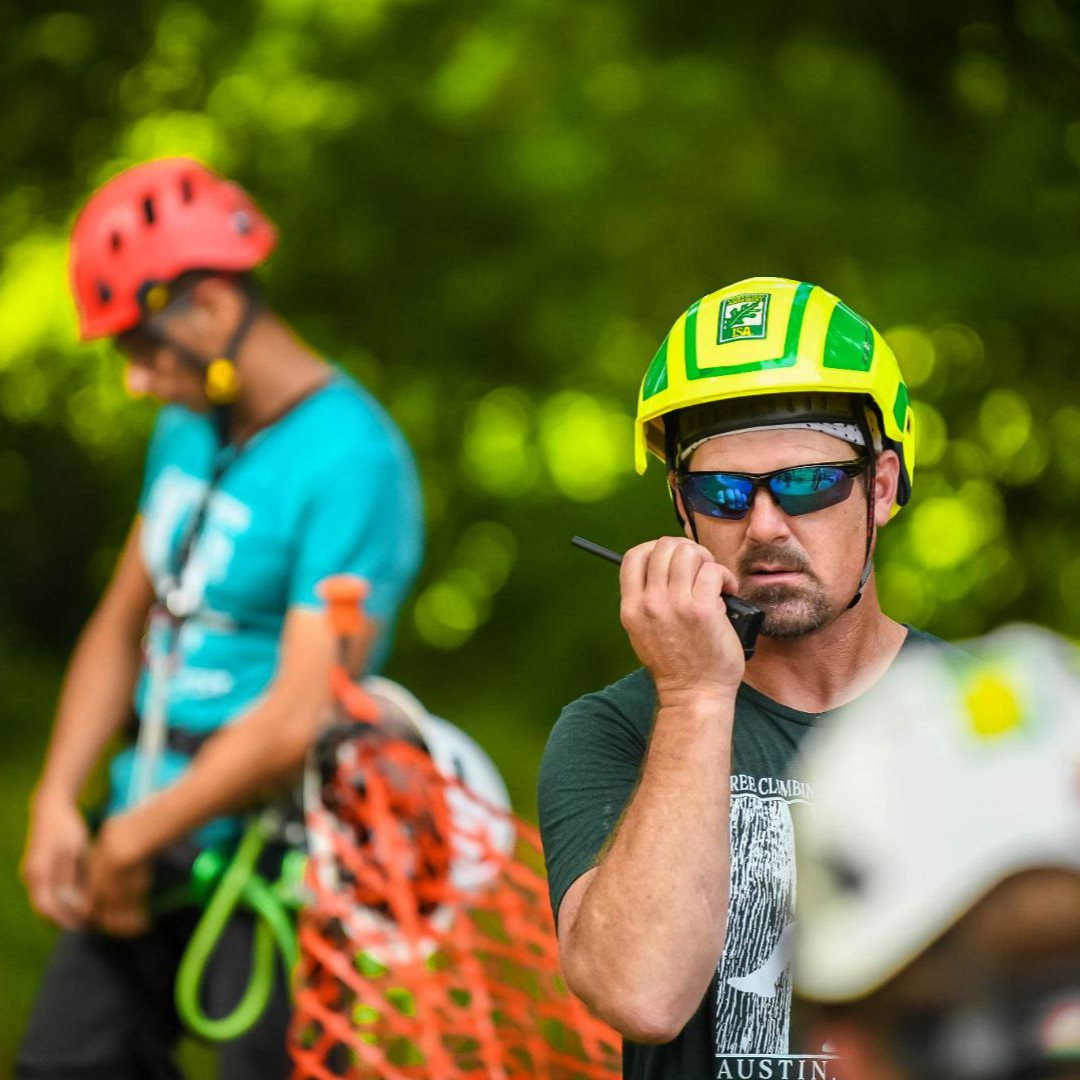
Choosing the right partner for a tree-health-assessment-near-me makes a big difference in outcomes. Davis Family Arbor brings certified arborists, local Oklahoma expertise, and a safety-first approach to every project. We emphasize clear communication, transparent pricing, and practical recommendations you can act on.
Key reasons to work with us in Tulsa:
– Local expertise: Knowledge of Tulsa’s climate, soils, and common species helps us tailor assessments and care plans to your property.
– Comprehensive evaluation: Our assessments cover health, safety, and long-term viability, so you understand both immediate needs and future goals.
– Safe, high-quality practices: We use industry-approved methods and equipment to minimize risk while protecting your trees and your home.
– Clear, no-obligation quotes: We provide upfront pricing and options, helping you decide without pressure.
– Convenience and reliability: We streamline the process from initial consultation to final follow-up, with options to schedule online or by phone.
During the process, we reference our broader range of services in a cohesive plan. For example, if the health assessment indicates a pruning need, you’ll see how it connects to our Tree Trimming work. If a tree requires removal, our Tree Removal team handles planning and execution with care for your landscape. To learn more about these capabilities, visit our Services page and review the detailed descriptions, including how we approach each service and the value we deliver.
If you’d like to know more about our company and our approach, our About Us page provides background on our team, certifications, and commitment to the Tulsa community. When you’re ready to