



Introduction
If you’re a Tulsa homeowner who loves shade, beauty, and the value a healthy tree adds to a property, you’ve likely asked yourself, is my tree really healthy? A tree-health-assessment-tulsa-oklahoma performed by certified arborists can answer that question in clear, actionable terms. By inspecting the tree’s structure, root zone, leaves, and overall vitality, a professional assessment reveals problems before they become emergencies. At Davis Family Arbor, we understand that every tree tells a story about its past and its future. The right health check can protect your family, your home, and your landscape investment.
What is a tree-health-assessment-tulsa-oklahoma?
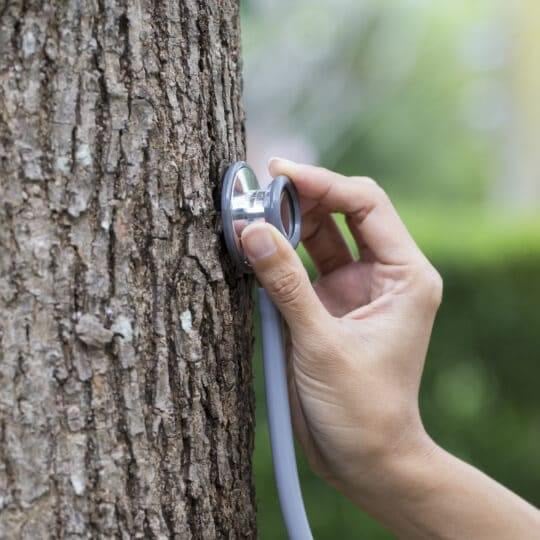
A tree-health-assessment-tulsa-oklahoma is a comprehensive evaluation conducted by trained arborists to determine the health, safety, and longevity of a tree. Rather than relying on guesswork, this assessment combines visual inspection with diagnostic techniques to identify signs of stress, disease, pest infestation, structural weakness, and root issues. The goal is to provide a clear prognosis and a practical plan to improve or maintain tree health. For homeowners in Tulsa, that means knowing which trees are thriving, which require care, and when a problem could threaten property or safety.
Why schedule a health check: key benefits for Tulsa properties
– Safety First: Weak limbs, cracks in the trunk, or compromised root systems can pose serious hazards during storms. Early detection minimizes risk to people, pets, and vehicles.
– Longevity and Performance: Healthy trees not only look better but perform better, producing strong canopies and longer lifespans with proper care.
– Cost Savings: Addressing issues early is typically far less expensive than emergency removals or extensive remediation after failure.
– Property Value: A well-maintained canopy adds curb appeal and value, especially for homes in sought-after Tulsa neighborhoods.
– Peace of Mind: Knowing the tree’s condition helps you plan maintenance and budget for future work.
What happens during a tree-health-assessment-tulsa-oklahoma
During a thorough health assessment, our certified arborists follow a systematic process to gather accurate information and actionable recommendations. Here are the core steps you can expect:
– Initial consultation and risk screening: We begin by understanding your concerns, the tree’s location, nearby structures, and past maintenance. This helps prioritize what to inspect first.
– Exterior and canopy inspection: A close look at the trunk, bark, branches, and canopy reveals signs of disease, pest activity, nutrient deficiencies, and structural weaknesses.
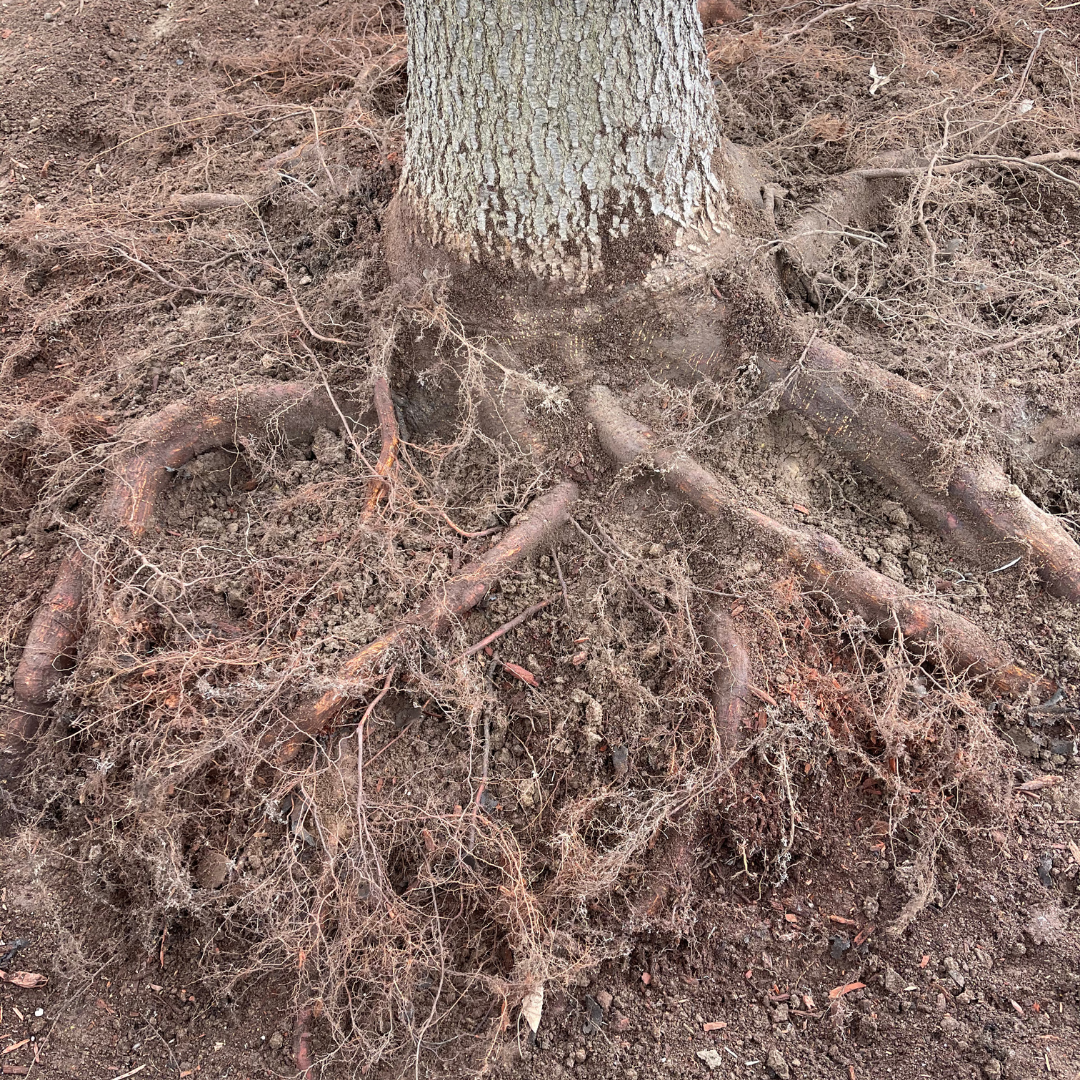
– Root and soil assessment: Since tree health starts underground, we evaluate root health, soil compaction, drainage, and moisture. In some cases, root collar root flare conditions are inspected to detect girdling or constriction.
– Vitality tests and diagnostic tools: When necessary, we use non-invasive tools to measure tree fluid movement, chlorophyll levels, and other indicators of vigor. Lab tests may be employed for suspected diseases.
– Pest and disease detection: We search for common Tulsa-area pests and diseases, including fungi, borers, and leaf spot patterns, to identify treatments that are both effective and environmentally responsible.
– Structural assessment: We assess wood integrity, limb balance, and potential failure points to determine if pruning, cabling, or bracing is warranted.
– Risk rating and prognosis: Based on the findings, we assign a risk level and provide a clear prognosis with recommended next steps.
– Actionable plan: You’ll receive a practical maintenance or treatment plan, covering pruning schedules, soil amendments, irrigation strategies, fertilization, pest management, or, if necessary, removal options.
– Documentation and follow-up: We document findings with photos and notes, and we schedule follow-up checks to monitor progress and adjust the plan as needed.
Common issues uncovered in a tree-health-assessment-tulsa-oklahoma
Tulsa’s climate, soil, and urban conditions create a specific set of challenges for trees. In a typical health assessment, you may find:
– Drought and heat stress: Prolonged dry periods weaken trees, causing leaf scorch, premature shedding, and reduced vigor.
– Poor pruning practices: Improper cuts can create weak points, dieback, and increased susceptibility to pests and disease.
– Root zone damage: Construction, soil compaction, or sprinkler overwatering can harm roots, leading to instability and nutrient uptake problems.
– Fungal infections: Bark and root fungi can compromise structure and vitality if left unchecked.
– Structural defects: Cracks, included bark, or uneven branching can escalate risk in wind storms.
– Nutrient deficiencies: Chocolate-brown leaf margins, pale new growth, or slow growth can indicate soil imbalances.
– Pest infestations: Wood-boring insects, scale, or aphids may weaken trees and invite secondary problems.
– Disease progression: Some diseases progress quietly until structural integrity fails; an assessment helps catch these early.
How to prepare for a tree-health-assessment-tulsa-oklahoma
Proper preparation ensures the assessment is efficient and accurate. Consider these steps:
– Identify concerns: Note any symptoms you’ve observed, such as reduced growth, odd leaf coloration, or sudden dieback.
– Clear access: Trim or move obstacles around the tree’s base and the canopy’s edge if safe to do so, so the arborist can inspect thoroughly.
– Gather history: Share past maintenance records, irrigation schedules, fertilization history, and any prior diagnoses.
– Schedule considerate timing: The best windows for evaluation can vary by species and season. After winter and during or after the growing season are common choices, but your arborist can advise.
– Prepare for safety: Ensure children and pets are away from the work site, and identify any access constraints around fences, driveways, or power lines.
– Have a plan for follow-up: If treatment is recommended, consider your budget and timing for implementing it.
Interpreting findings and next steps: turning assessment into action
After the assessment, you’ll receive a clear, action-oriented plan. Typical pathways include:
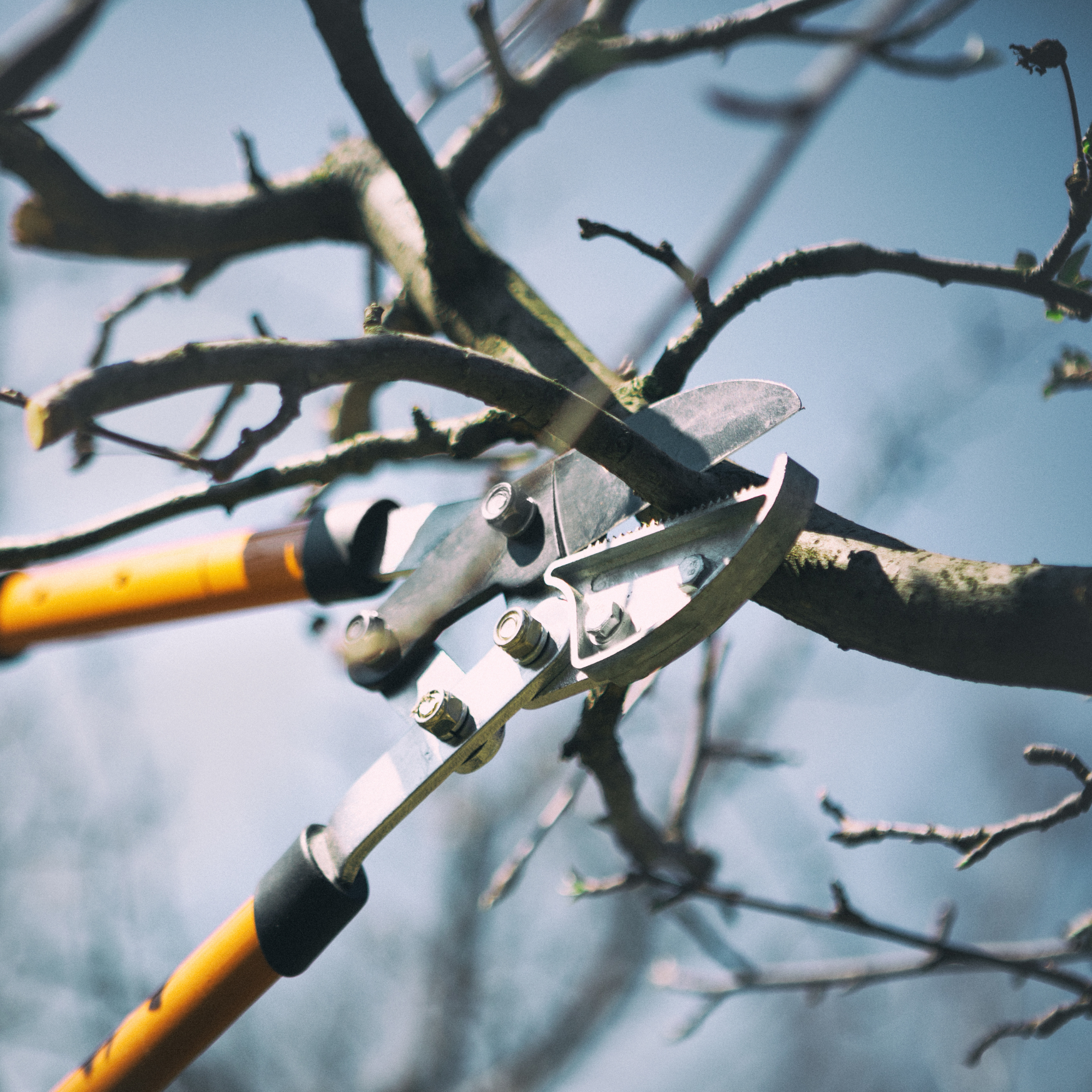
– Pruning and canopy management: Targeted pruning to remove hazards, balance the canopy, and improve light penetration.
– Soil and root interventions: Aeration, mulching, soil amendments, and proper irrigation strategies to restore root health.
– Pest and disease management: Targeted treatments, resistant cultivars, or monitoring plans depending on the issue.
– Fertilization programs: Balanced nutrient applications tailored to tree species and site conditions.
– Structural enhancements: Cabling or bracing for weak limbs, or retrofits to improve stability.
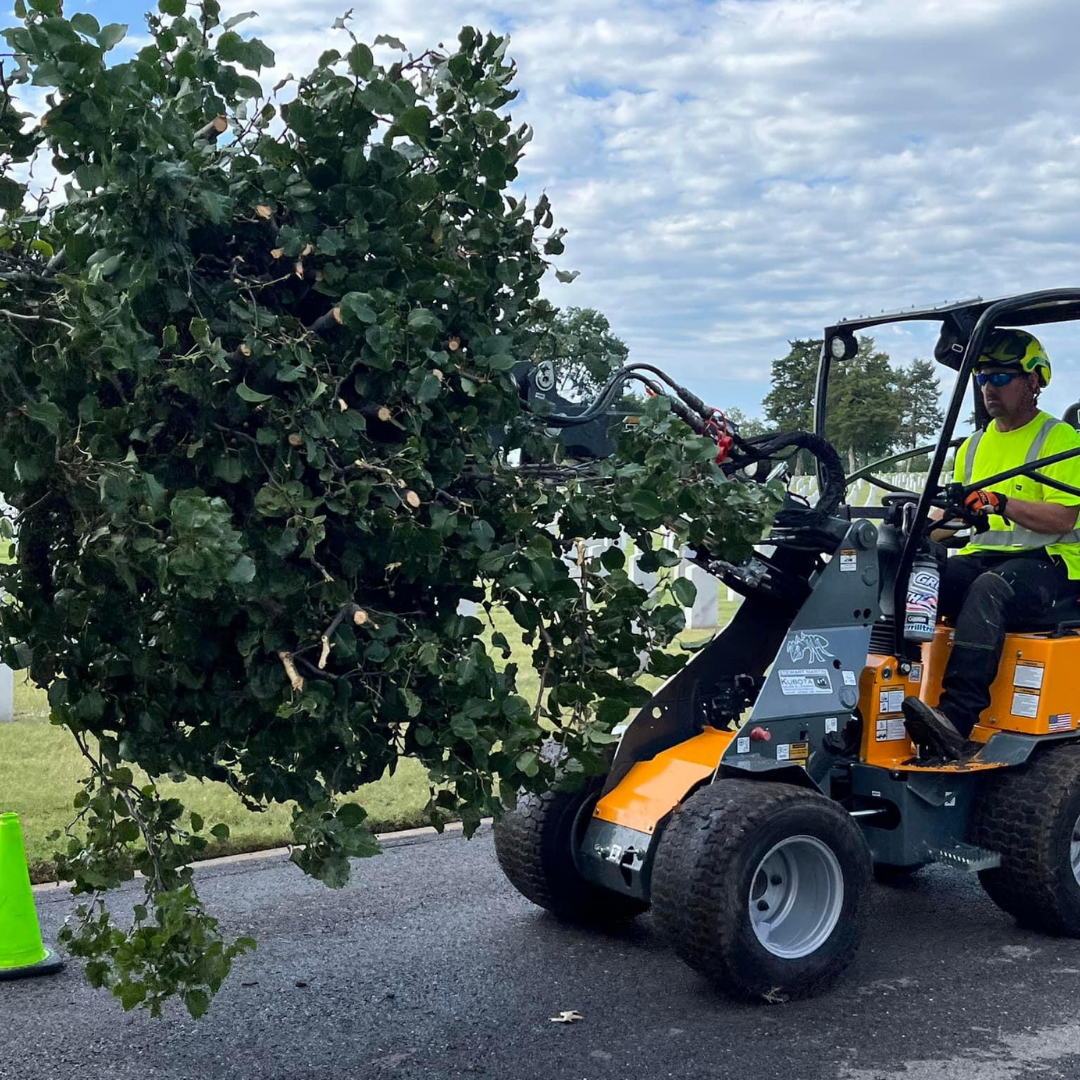
– Removal considerations: In cases of severe decline, structural danger, or disease spread risk, removal may be the safest option.
– Follow-up care: Regular inspections to track progress and adjust the plan as needed.
Why choose a local expert: Davis Family Arbor’s approach to tree health
Davis Family Arbor brings certified expertise, safety-first protocols, and a client-focused approach to every tree health assessment-tulsa-oklahoma. We combine science-based practices with practical, property-conscious solutions. Our team emphasizes transparent communication, clear pricing, and measurable results. When you choose us, you gain access to:
– Comprehensive evaluations by ISA-certified arborists
– A full-service menu including tree removal, tree trimming, and preventive care
– Detailed recommendations tailored to Tulsa’s climate and soil conditions
– Safe, efficient operations with emphasis on minimizing disruption to your yard and landscape
– A commitment to long-term tree health and your satisfaction
To explore related services, visit our Services page at https://davisfamilyarbor.com/services, where you can see how we handle Tree Removal and Tree Trimming as part of a holistic care plan. If you’d like to learn more about the team and philosophy behind our work, the About Us page at https://davisfamilyarbor.com/about-us offers useful context. When you’re ready to take the next step, our Contact page at https://davisfamilyarbor.com/contact makes scheduling easy.
Choosing the right moment for a health check in Tulsa
Seasonality matters, but a health assessment-tulsa-oklahoma is valuable year-round. In spring, trees are actively growing, and issues become more visible; in late winter, many problems are easier to detect before bud break. A proactive approach often reduces the chance of storms causing unexpected failures. If you’ve recently experienced a storm, notice of new cracking sounds, or see leaning limbs, don’t hesitate to schedule an assessment promptly. Early detection supports safer pruning, better recovery, and more predictable costs.
Case study glimpses: how a health assessment can save trees
While every property is unique, successful health assessments share common outcomes:
– A tree previously deemed risky receives targeted pruning, restoring stability and reducing hazard potential.
– Root zone issues are addressed with soil amendments, improving vigor and drought resilience.
– Pest management returns a stressed tree to a healthier growth cycle, extending its life.
– A hazardous tree threatening a structure is removed strategically, with minimal landscape disruption and clear communication about timing and cost.
In each scenario, the assessment provides the data and the plan necessary for informed decisions about care or removal.
Frequently asked questions about tree health assessments
– How long does a tree-health-assessment-tulsa-oklahoma take? Most thorough assessments take 60 to 120 minutes, depending on tree size, site access, and complexity.
– Do I need to be home during the assessment? It’s often helpful for the arborist to meet with you, but we can work around your schedule if needed.
– Will the assessment be disruptive to my landscape? Our team uses best practices to minimize disruption, with a focus on safety and efficiency.
– Can you treat pests and diseases on site? Many issues can be managed with targeted treatments and cultural practices. In some cases, lab confirmation is required to select the best approach.
– How soon will I see results or a plan? You’ll receive a written report with next steps and a clear timeline after the visit.
The practical value of a professional assessment
A tree-health-assessment-tulsa-oklahoma delivered by a trusted local arborist provides more than a snapshot of current health. It yields a practical, prioritized plan that respects your budget, protects your property, and keeps your landscape thriving. By coupling professional analysis with ongoing maintenance, you can extend the life of valuable trees and reduce risk during Tulsa’s seasonal storms.
A final note on working with Davis Family Arbor
Choosing the right arborist is essential for both accuracy and reliability. Davis Family Arbor stands behind its commitment to safety, expertise, and service quality. Our approach is collaborative: we explain findings in clear terms, present options with cost and time estimates, and tailor our recommendations to your goals and property constraints. If you’re ready to understand the health of your trees, we invite you to start with a professional evaluation that respects your yard and your budget.
Call to action: take the first step today
If you’re considering a tree-health-assessment-tulsa-oklahoma, contact Davis Family Arbor for expert guidance and a free quote. Our team is ready to schedule a convenient appointment, perform a comprehensive assessment, and deliver a practical plan designed to boost tree health, safety, and longevity. Reach out through our contact channel to begin the process, or browse our services to see how a health check fits into a broader tree care strategy. To learn more about the full range of services we offer, including expert Tree Removal and precise Tree Trimming, visit the Services page at https://davisfamilyarbor.com/services, or connect with us through https://davisfamilyarbor.com/contact.
In summary
A tree-health-assessment-tulsa-oklahoma aligns professional arborist expertise with your goals for safety, beauty, and long-term landscape value. By understanding a tree’s condition, you can act decisively, whether that means pruning, soil improvement, pest management, or