
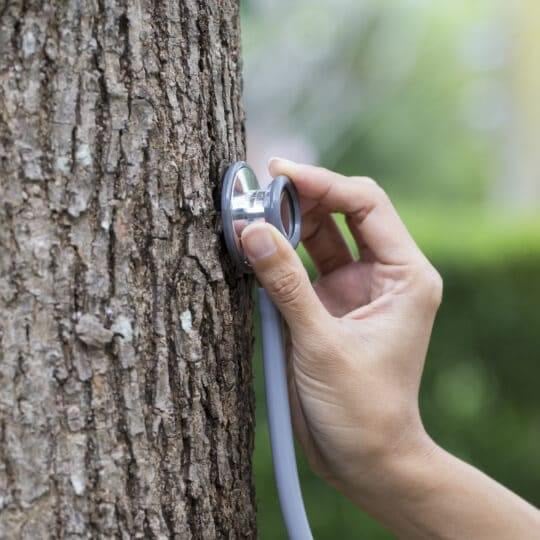

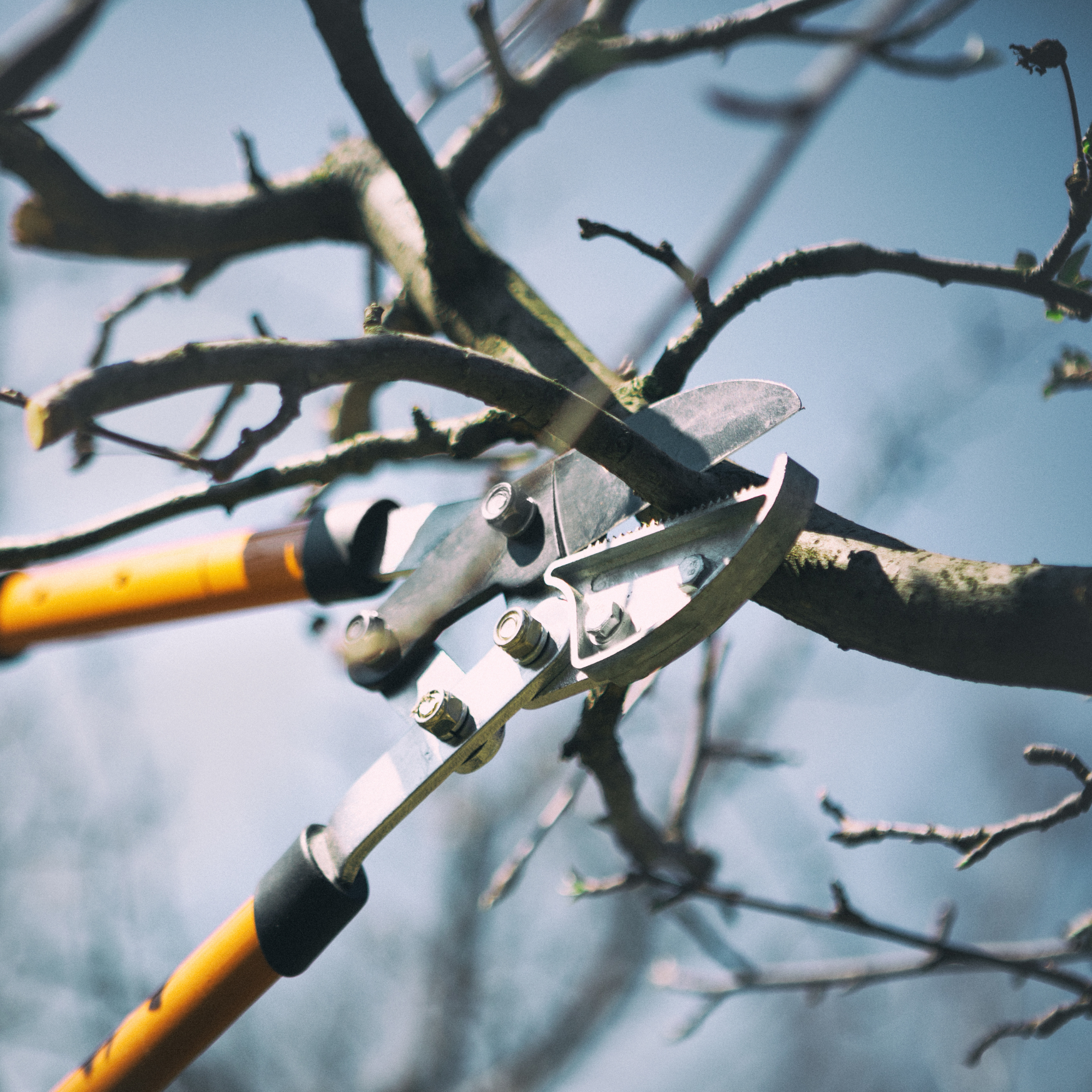



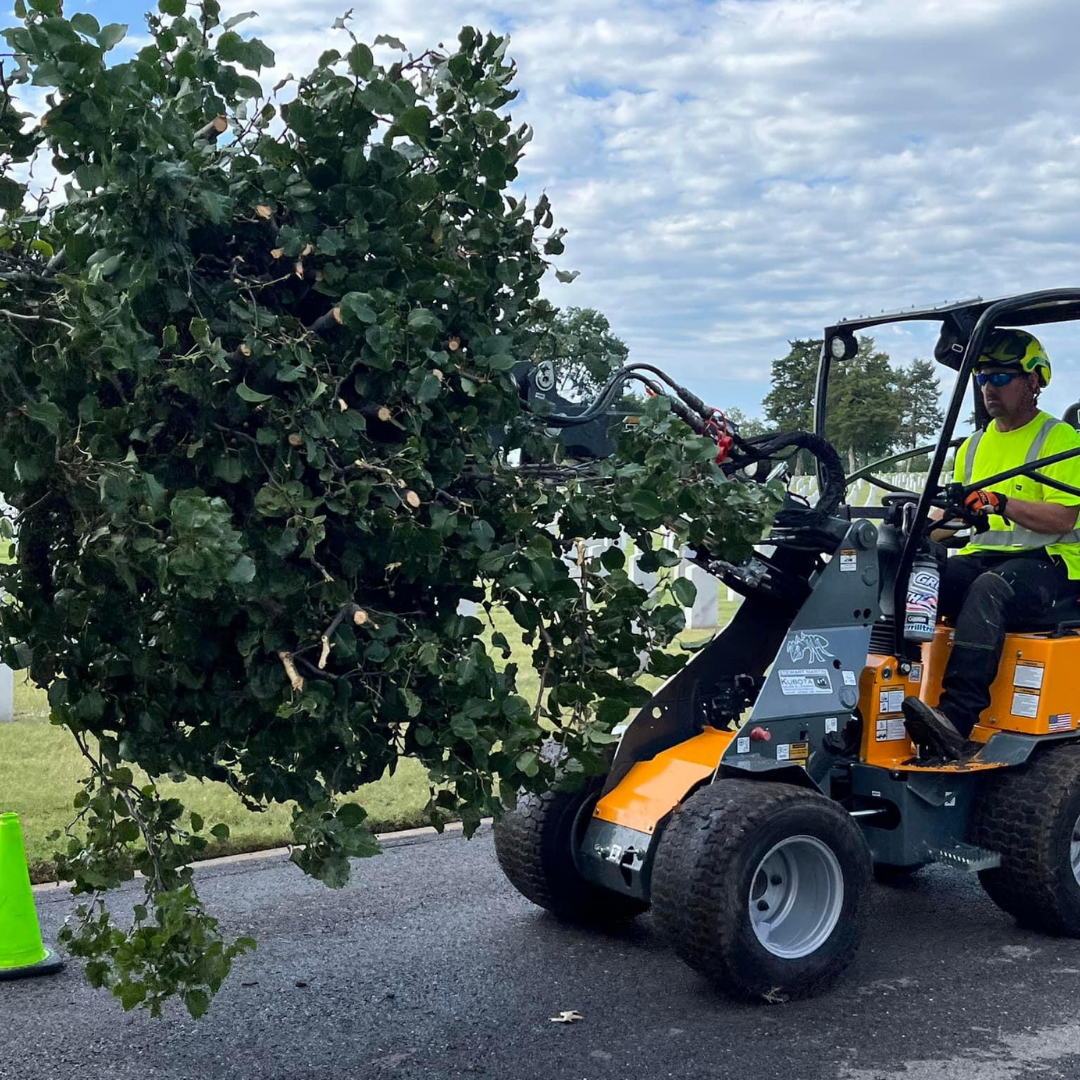
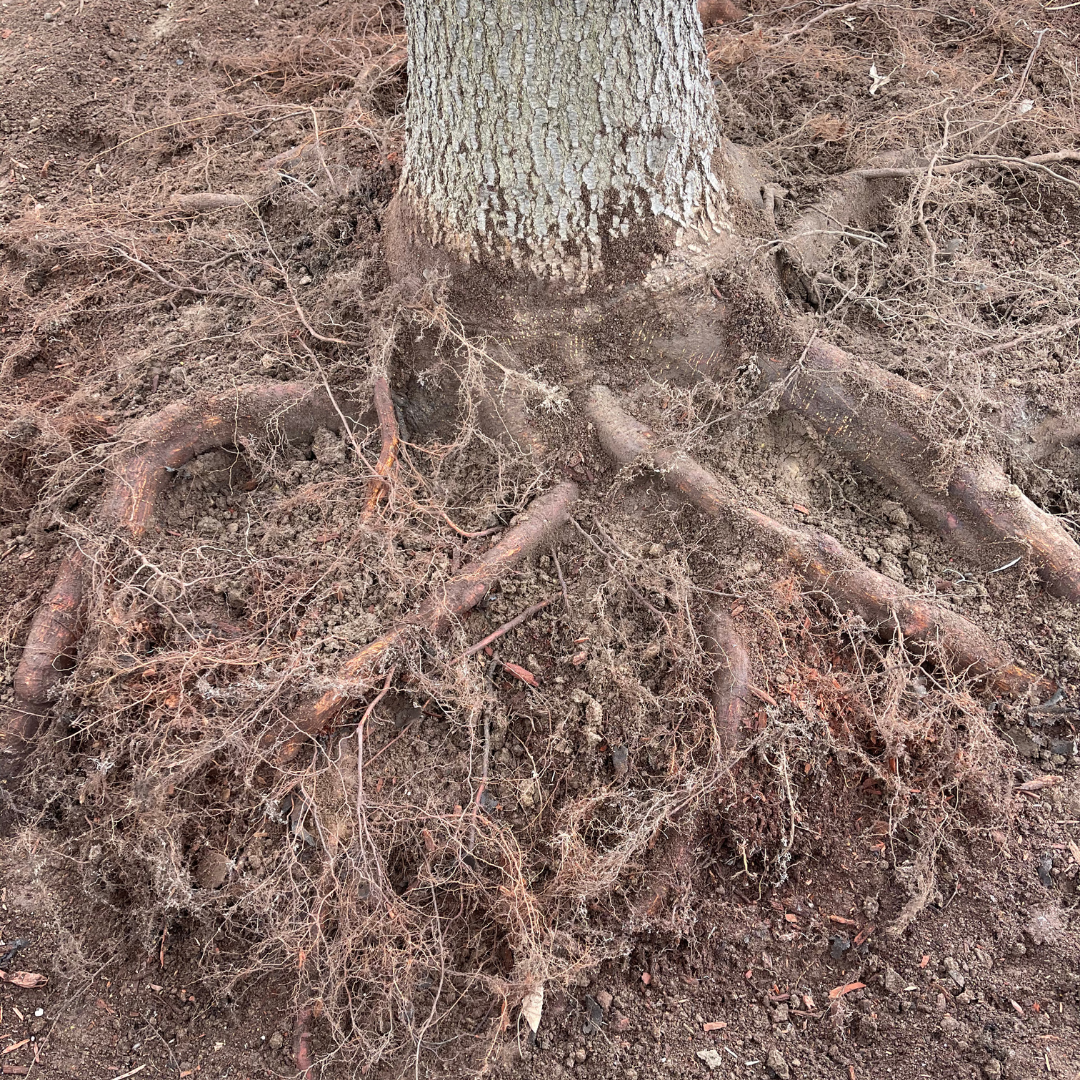
In Tulsa, Oklahoma, trees are more than just landscape features; they are living assets that shade, shelter, and sustain your property. But healthy trees don’t always show obvious signs of trouble until problems are advanced. If you’re a homeowner or property manager, a proactive approach to tree care can save you time, money, and risk. That’s where a professional tree health assessment comes in, and for residents of Tulsa, the service offered by Davis Family Arbor provides trusted expertise and peace of mind. If you’re researching tree-health-assessment-tulsa-oklahoma, you’re already on the right track to safeguarding your trees and your landscape.
Understanding the value of a tree health assessment in Tulsa, Oklahoma
A tree health assessment is a comprehensive check of a tree’s condition performed by an arborist who understands how trees grow, defend themselves, and respond to stress. In a climate like Tulsa’s, trees face heat, drought, pests, and a range of weather events that can compromise structure and health. A professionally conducted assessment can detect early warning signs before issues become hazardous or costly. For those who care about long-term landscape value, a routine checkup is a smart investment, not a reaction to a problem.
During a tree-health-assessment-tulsa-oklahoma, you will gain clarity on several critical factors:
– Structural integrity: Branch strength, trunk disease, cracks, decay, and overextended limbs that could fail during a storm.
– Root health: Soil compaction, poor drainage, girdling roots, and signs of root decline that can undermine stability.
– Pest and disease pressures: Invasive insects, fungal pathogens, and other threats that propagate and weaken the canopy.
– Overall vitality: Leaf color, growth rate, and signs of nutrient deficiencies that signal deeper issues.
– Environmental stress: Drought, heat stress, construction impacts, or soil ecosystem disturbances that reduce resilience.
If you want to dive deeper into how this service fits into a broader care plan, explore how a professional assessment can align with other offerings such as tree trimming and tree removal when necessary. For more on related services, check our overview on the Services page.
What a tree health assessment covers
A thorough assessment by a qualified arborist includes several core elements designed to map the tree’s current condition and future outlook. Consider a typical tree-health-assessment-tulsa-oklahoma plan as a guide to what you should expect:
– Visual inspection of canopy and trunk: Looking for deadwood, cracks, fungal growth, cavities, and evidence of included bark or weak union points.
– Root flare and soil assessment: Evaluating soil compaction, drainage, soil chemistry, and the root collar for signs of stress or disease.
– Diagnostics as needed: If warranted, noninvasive tests or samples may be collected to identify pathogens or nutrient deficiencies.
– Risk assessment: Determining the likelihood of limb failure, trunk failure, or tree collapse under wind or snow load.
– Management recommendations: A clear, actionable plan that may include pruning, disease management, soil amendments, or, in some cases, removal for safety.
To support informed decisions about ongoing care, your arborist may reference industry standards and local conditions in Tulsa to tailor recommendations that optimize health, safety, and curb appeal. If your objective is to understand how this service integrates with broader tree care, you can visit our Tree Trimming and Tree Removal pages for related options.
When to consider a tree health assessment
Not every tree needs an annual check, but certain circumstances warrant a professional health assessment, particularly in a climate like Oklahoma’s. Consider scheduling a tree-health-assessment-tulsa-oklahoma in these scenarios:
– You notice visible distress: Yellowing leaves, sparse foliage, thinning crowns, or unusual leaf spots can indicate nutrient issues, pests, or diseases.
– Trees are near structures: Overhanging branches or trees close to homes, driveways, power lines, or sidewalks require evaluation for potential failure risks.
– After severe weather: Thunderstorms, hail, and high winds can cause unseen structural damage that only a trained eye can uncover.
– You’re planning landscape work: If you’re considering pruning, removal, or significant construction near trees, an assessment helps you plan safely and cost-effectively.
– You’re buying or selling property: A pre-sale assessment can identify hidden issues that affect value and insurance.
If you’re curious about how the tree-health-assessment-tulsa-oklahoma process can fit into your property management plan, talk with a local arborist who can customize the approach to your site conditions and landscape goals.
What to expect during a professional assessment by Davis Family Arbor
Partnering with a trusted local arborist makes the tree-health-assessment-tulsa-oklahoma experience efficient and informative. Here is what you can expect when you schedule a visit with Davis Family Arbor:
– Arrive prepared: The arborist arrives with professional equipment to inspect the tree’s structure, canopy, and root zone. They will ask questions about your observations and any concerns you have noticed.
– Comprehensive on-site evaluation: The assessment covers canopy health, trunk condition, limb structure, root zone, soil health, and pest or disease indicators. Each finding is documented with photos and notes.
– Risk-focused reporting: You will receive a clear summary of risk factors and a prioritized set of recommendations with practical timing and cost estimates.
– Tailored care plan: Based on the assessment, Davis Family Arbor may propose pruning, soil amendments, pest management, or in some cases, removal. The plan is designed to minimize risk while maximizing tree longevity and landscape beauty.
– Follow-up options: You can choose to implement the plan in stages or request ongoing monitoring to track progress and adjust care as needed.
If you’d like to see how these steps translate into real outcomes, you can explore related services such as Tree Trimming or Tree Removal on our site. For a quick overview of the company philosophy and credentials, you may also review the About Us page.
Benefits of regular tree health checks
Regular tree health checks offer tangible outcomes for homeowners and property managers alike. Here are the key benefits of incorporating the tree-health-assessment-tulsa-oklahoma into your annual landscape plan:
– Enhanced safety: Early detection of weak unions, cracks, or pest-infested wood reduces the risk of sudden limb failure during storms.
– Cost efficiency: Addressing problems early often costs less than reacting to damage after it occurs.
– Improved growth and vitality: Timely maintenance supports vigorous growth, better leaf color, and sustained shade for hotter Oklahoma days.
– Longevity of landscape assets: Proactive care extends the lifespan of valuable trees, preserving property value and curb appeal.
– Informed decision-making: Data-driven recommendations help you decide when pruning is appropriate, whether treatment is viable, or if removal is the safest option.
If you’re considering how this fits into a broader strategy, our Services page outlines how tree health maintenance integrates with trimming and removal to support a cohesive care plan. You’ll also find details about the team behind these services on the About Us page.
How to prepare for your tree health assessment
Preparation helps maximize the value of the tree-health-assessment-tulsa-oklahoma appointment and ensures the arborist can work efficiently. Consider these practical steps:
– Schedule ahead and confirm access: Ensure the arborist can access the tree and the root zone area. Remove vehicles or obstacles that could impede inspection.
– Note symptoms and concerns: Document any changes you’ve noticed, such as leaf scorch, honeydew on leaves, or visible girdling roots.
– Water and soil considerations: If soil moisture is uneven or compacted, note those observations; your arborist may evaluate soil drainage and moisture during the visit.
– Organize property context: Tell the arborist about nearby structures, fences, or buried utilities that could influence the assessment or recommended work.
– Plan for follow-through: If you anticipate scheduling pruning, treatment, or removal, discuss the preferred timeline and budget with the arborist.
For ongoing care ideas and services designed to support healthy trees year-round, visit the Services page to learn more about our pruning, removal, and maintenance options. If you’d like to understand our approach and team ethos,