




Root rot can silently threaten Oklahoma landscapes, creeping into trees during wet seasons and lingering in soils with poor drainage. At Davis Family Arbor, our ISA-certified arborists have seen how this invisible threat can weaken even healthy-looking trees. This guide will help you understand root rot, recognize its signs, and learn practical steps to diagnose, treat, and prevent further harm to your landscape.
Root Rot in Oklahoma: Understanding the Risk
Root rot is not a single disease but a group of soil-borne fungal infections that attack a tree’s roots. In Oklahoma, fluctuating moisture, heavy rains, and soil conditions that trap water create ideal conditions for root rot to take hold. When roots are compromised, trees struggle to take up water and nutrients, leading to wilting, yellowing leaves, reduced growth, and, in severe cases, tree failure. The key is early detection and professional intervention to preserve structural integrity and long-term health.
Recognizing the Signs of Root Rot
Early detection can be challenging because symptoms often mimic other tree stresses. Look for these warning signs:
– Chronic wilting or leaf scorch during heat, even with adequate irrigation
– Yellowing or sudden decline in foliage, particularly on the lower branches
– Dieback in the crown or sparse canopy growth over consecutive years
– Soil near the trunk that stays consistently damp or has a sour or rotten odor
– Mushrooms, conks, or fungal growth at the base of the tree indicating decay
– Visible girdling or cracking of the bark on roots or lower trunk in some species
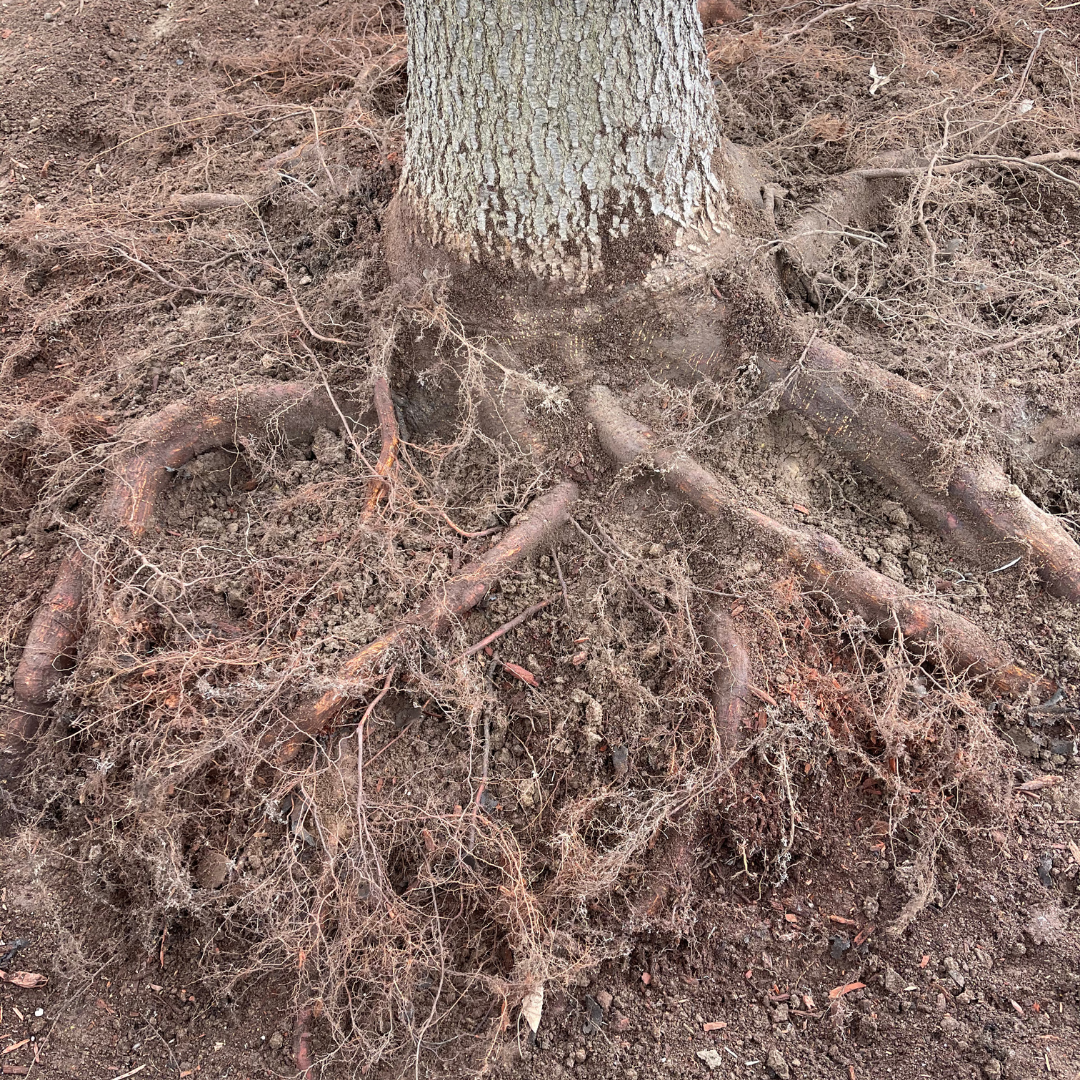
– Poor root structure revealed when the root zone is excavated or planted trees are removed
If you notice a combination of these symptoms, especially in a tree that previously appeared healthy, it’s time to call in professionals for a root rot assessment. For a thorough evaluation, our team conducts a visual inspection, soil moisture assessment, and, when needed, laboratory testing of root tissue to identify the exact pathogen.
What Causes Root Rot and Why Oklahoma Trees Are Vulnerable
Root rot arises from several fungi, the most common being Phytophthora and Armillaria species. Phytophthora thrives in poorly drained soils and wet periods, spreading with rainwater and irrigation. Armillaria, often called honey fungus, can persist in the soil and decaying wood, attacking stressed trees and spreading through root-to-root contact.
Oklahoma’s climate amplifies these risks in several ways:
– Seasonal rainfall patterns that create alternating wet and dry periods, stressing trees
– Soils with poor drainage or compacted layers that limit root oxygen
– Planting choices that don’t match site conditions, leading to stressed specimens
– Older trees with naturally declining vigor that are more susceptible to root pathogens
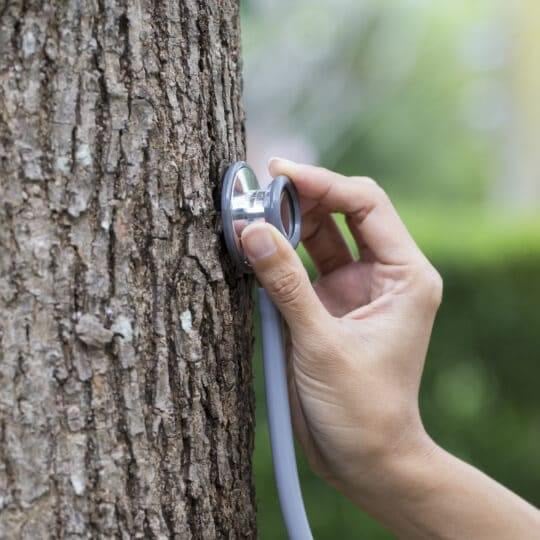
Diagnosing Root Rot: How a Pro Arborist Helps
Accurate diagnosis is essential because root rot requires a targeted approach. Our ISA-certified arborists follow a systematic process:
– Visual health assessment: We evaluate canopy color, leaf retention, and growth patterns to determine overall vigor and decline.
– Soil and site analysis: We assess drainage, soil texture, root zone saturation, and irrigation practices.
– Root inspection: When feasible, we examine exposed roots or collect samples to assess root tissue health and structure.
– Laboratory testing: In some cases, lab analysis confirms the specific pathogen, guiding effective treatment choices.
– Differential diagnosis: We rule out other issues such as drought stress, nutrient deficiencies, or insect damage that can mimic root rot symptoms.
Treatment Options for Root Rot: What Works in Oklahoma
Root rot treatment is not one-size-fits-all. The most effective strategies combine immediate care with long-term management. Here are the core approaches our team uses:
– Improve drainage and aeration: Reducing soil saturation around the root zone can slow disease progression and support remaining healthy roots.
– Irrigation management: Implementing a watering plan that matches rainfall and soil needs prevents overwatering and future root stress.
– Soil modifications: Amending the root zone with organic matter can improve soil structure, promote beneficial microbial communities, and support recovery.
– Fungicide applications: In some cases, systemic or drench fungicides prescribed by a professional can reduce pathogen activity, especially when applied early in the disease cycle. It’s important to note that fungicides are not a guaranteed cure for established root rot and are most effective as part of an integrated plan.
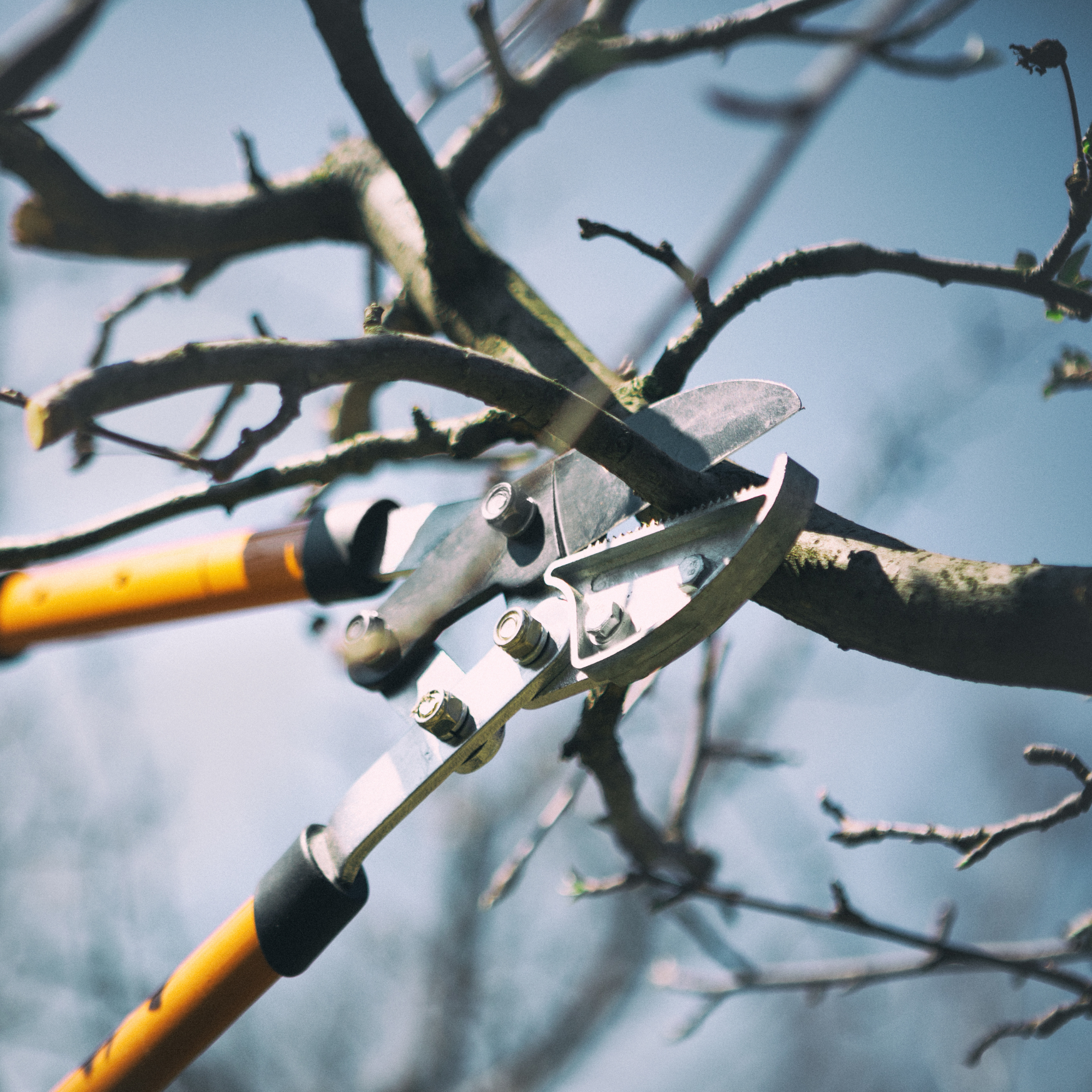
– Pruning and removal decisions: Severely infected roots or portions of the tree may need to be removed to prevent ongoing decline or to preserve nearby healthy trees.
– Root zone remediation: In certain situations, aeration or trenching to improve drainage around the root zone is recommended.
– Replacement planning: For trees with extensive root rot damage or critical structural risk, replacement with a compatible, disease-resistant species may be the safest option.
What Not to Do
Understanding limitations helps protect your landscape. Common missteps to avoid include:
– DIY chemical treatments without a proper diagnosis
– Healing expectations based on superficial symptoms alone
– Delaying professional assessment after initial signs appear
– Ignoring drainage or site conditions that contribute to moisture problems
Prevention: Practical Tips to Minimize Root Rot Risk
Preventing root rot is often more cost-effective than treating it after infection. Implement these practices in your Oklahoma landscape:
– Choose appropriately suited species: Select trees that tolerate Oklahoma’s soil and moisture conditions. Our team can recommend varieties with strong resistance to common root pathogens.
– Improve soil drainage: Evaluate and address areas of poor drainage, compacted soil, or natural low spots that stay waterlogged after rain.
– Mulching correctly: Apply a 2-4 inch layer of organic mulch, keeping it away from direct contact with the trunk to prevent moisture buildup at the stem.
– Implement proper irrigation: Use irrigation systems that deliver water slowly and deeply to the root zone, reducing surface saturation and runoff.
– Regular monitoring: Schedule routine health checks, especially for mature trees, so problems are caught early.
– Maintain tree health: Provide timely pruning, fertilization when needed, and protection from mechanical injuries that create entry points for pathogens.
– Avoid compaction and injury: Minimize heavy foot traffic and equipment around the root zone to preserve soil structure and root health.
Why Davis Family Arbor Is Your Root Rot Solution Partner
When it comes to root rot, experience matters. Our team brings local knowledge of Oklahoma’s climate and soil conditions, backed by ISA-certified arborists who specialize in diagnosing and treating complex tree health issues. We offer a comprehensive range of services designed to protect your landscape from root rot and other threats, including the following:
– Comprehensive root rot diagnosis and tailored treatment plans
– Soil and drainage assessments to reduce future risk
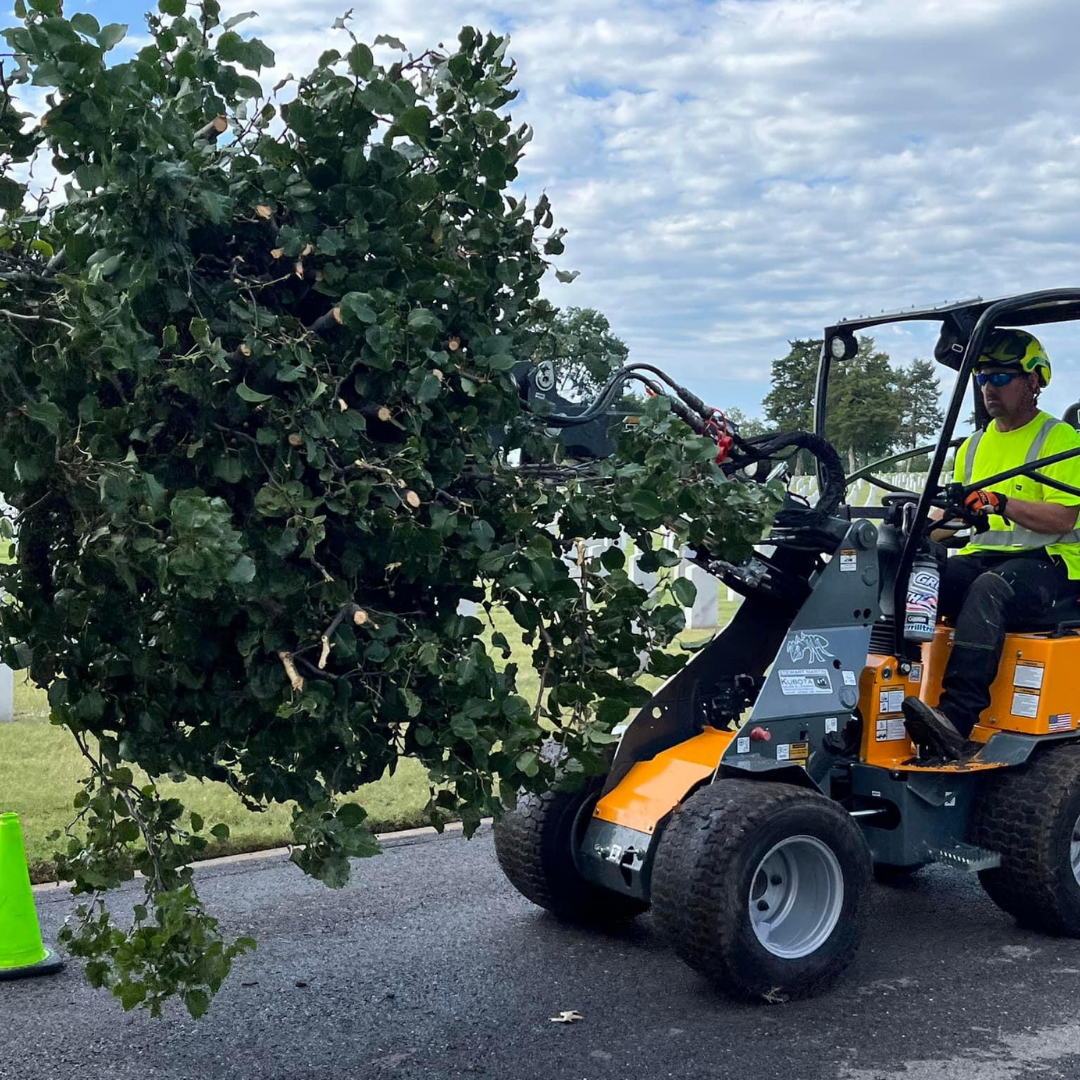
– Expert tree removal when necessary to protect your property and other trees
– Professional tree trimming to maintain overall health and structure
– Ongoing maintenance programs to monitor tree vigor and soil conditions
As part of our commitment to your landscape, we provide clear explanations and actionable recommendations. To learn more about our broader capabilities, explore our Services page. If you’re curious about the people behind the work, you can visit our About Us section to understand our approach and credentials. When you’re ready to take the next step, our Contact page makes it easy to reach out for a consultation.
Next Steps: Take Action Against Root Rot Today
If you suspect root rot or want to safeguard your trees from this threat, here is a practical action plan:
– Schedule a professional assessment with our ISA-certified arborists. A timely diagnosis dramatically improves the chances of saving affected trees.
– Review your irrigation and drainage practices. If you notice standing water or consistently wet soil, adjust watering schedules and consider drainage improvements.
– Prioritize high-value or beloved trees. Start the assessment with trees that provide shade, energy savings, or landscape aesthetics, as their health has the most significant impact on your property.
– Consider a proactive maintenance plan. Regular checks and preventive care reduce the likelihood of future root rot issues.
Call to action: Ready to protect your trees from root rot? Contact Davis Family Arbor today to schedule a root rot assessment and discuss a customized plan. Our team can be reached through the Contact page, or you can learn more about our tree care philosophy and services by visiting our About Us and Services pages. Let us help you preserve the beauty and health of your Oklahoma landscape.
Conclusion: Protect, Preserve, and Prosper
Root rot is a formidable opponent, but with a proactive approach, informed decisions, and expert support, you can safeguard your trees and your landscape. Oklahoma homeowners deserve reliable, science-based care, and that’s what Davis Family Arbor delivers. By combining precise diagnosis, targeted treatment, and practical prevention strategies, we help you preserve canopy health, soil vitality, and property value. If you notice signs of root rot or simply want a professional health check for your trees, reach out to our team. We’re here to guide you through every step—from early detection to long-term maintenance—so your landscape stays vibrant for years to come.