




The oklahoma redbud tree brings a splash of spring color to landscapes, yards, and neighborhoods across our region. Its delicate pink to lavender blossoms, graceful branches, and compact form make it a favorite for homeowners and commercial properties alike. If you’re a landowner or gardener considering this native beauty, you may wonder: is my oklahoma redbud tree thriving, or does it need professional health care or even removal? The answer often lies in close observation, timely care, and a trusted arborist who can diagnose problems early and provide practical solutions. At Davis Family Arbor, we understand how important it is to protect this valuable tree, and we’re here to guide you through recognizing signs of distress, applying effective care, and making informed decisions about removal when necessary.
oklahoma redbud tree health is influenced by a variety of factors, from soil conditions and moisture to insects and disease. The good news is that with proactive monitoring and evidence-based care, many issues can be treated or prevented, preserving the tree’s structure, vitality, and beauty. This article walks you through the essential signs to watch for, common threats to the oklahoma redbud tree, practical care routines, and when it’s time to call in a professional. Along the way, you’ll find clear guidance on working with a certified arborist and how our team can help you through every step—from preventive pruning to safe removal if necessary. If you’d like to see how we approach this work, explore our Services page, learn about Tree Removal, or read more about our team on the About Us page. You can also reach out through our Contact page when you’re ready to start.
oklahoma redbud tree health signals: how to tell if your tree is thriving
– Lush, even canopy growth: A healthy oklahoma redbud tree develops a balanced crown with new growth each season. Leaves appear vibrant, with consistent color and no widespread dead zones.
– Vivid blooms in spring: A strong bloom cycle signals good overall vigor. If flowering is sparse or delayed, it may indicate stress or root issues that warrant assessment.
– Steady growth and trunk integrity: Stems and the main trunk should show minimal cracking or girdling wounds. A resilient tree maintains structural integrity even after wind events.
– Sufficient leaf size and color through the growing season: Leaves should be uniform in size and color, not yellowing prematurely or dropping heavily without seasonal cause.
– Absence of unusual pests or diseases: While some minor infestations are common, a healthy tree resists widespread infestations and shows only localized damage that can be managed.
common threats to the oklahoma redbud tree: what to look for
– Water stress and drought damage: Oklahoma summers can test moisture tolerance. Underwatering leads to leaf scorch, poor growth, and thinning canopies, while overwatering promotes root rot and fungal problems.
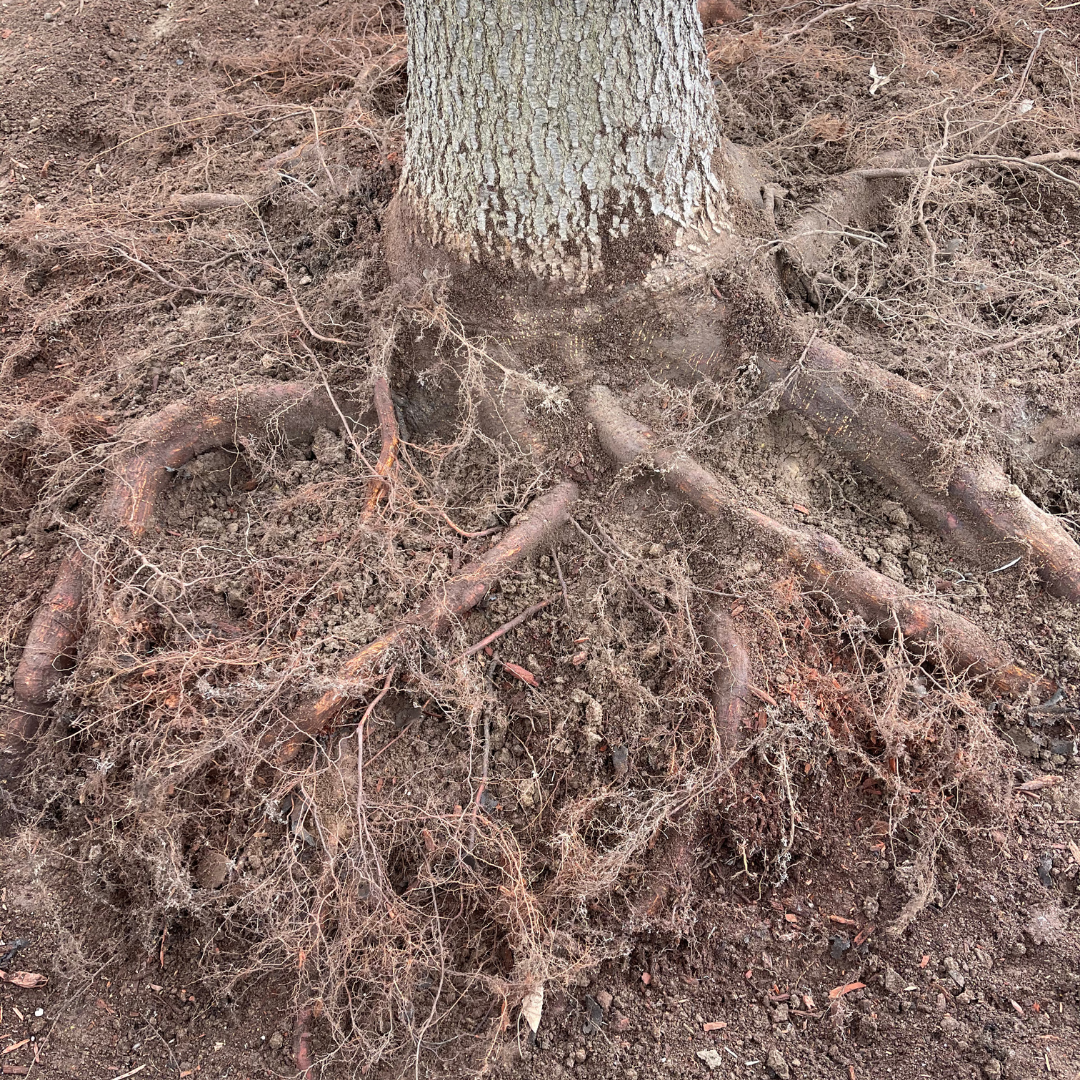
– Soil problems and compacted roots: Compacted soil limits oxygen and water movement, stressing the tree and opening the door to disease.
– Pests to monitor: Scale insects, borers, and aphids can sap vitality, distort growth, and create secondary problems such as mold or fungal infections on leaves and branches.
– Diseases that affect vigor: Fungal cankers, root rot, and leaf spot diseases can undermine health, causing dieback or stunted growth if not addressed early.
– Improper pruning: Pruning at the wrong time or removing the wrong limbs can destabilize the tree, invite disease, or reduce flowering.
practical care for a thriving oklahoma redbud tree
– Watering strategy: In established landscapes, deep, infrequent irrigation is generally better than frequent shallow watering. Water deeply during dry spells and adjust based on rainfall and soil type. Mulch can help conserve moisture but keep it away from the trunk to prevent rot.
– Mulching and soil health: A 2- to 4-inch layer of organic mulch around the root zone helps regulate temperature, retain moisture, and feed soil organisms. Keep mulch a few inches away from the trunk to prevent rot and pest problems.
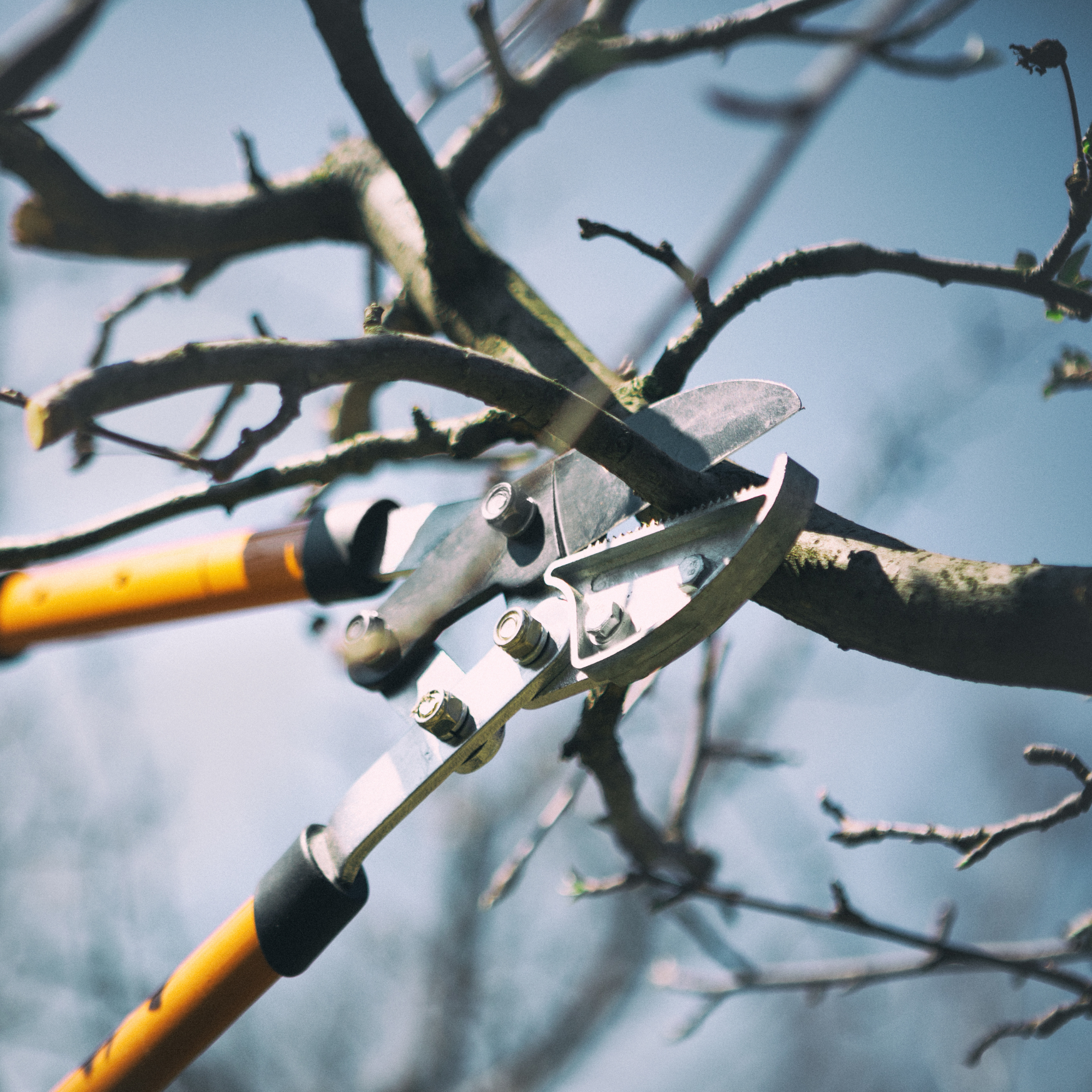
– Pruning for health and aesthetics: Prune to remove dead, diseased, or crossing branches and to maintain a strong, well-spaced structure. The best time for pruning the oklahoma redbud tree is late winter to early spring before new growth begins, which supports robust flowering and reduces stress.
– Fertilization considerations: Most oklahoma redbud trees do not require heavy fertilization unless soil tests show deficiencies. A balanced, slow-release fertilizer applied in early spring can support vigor, but overfertilization can cause excessive foliage at the expense of flowers.
– Pest and disease management: Regular inspection for pests and signs of disease allows for early intervention. Use targeted treatments when needed, and consider integrated pest management (IPM) practices to minimize chemical use while protecting tree health.
– Site and landscape planning: Plant the oklahoma redbud tree in a location with adequate air circulation, full sun to light shade, and well-drained soil. Avoid planting near concrete slabs or heavy foot traffic that can compact soil around the root zone.
when removal becomes a considered option for the oklahoma redbud tree
– Structural hazards: If the trunk or major limbs are severely cracked, split, or show extensive decay, the risk of failure during storms may outweigh the benefits of saving the tree.
– Irreversible health decline: Widespread dieback, unresponsive disease, or root issues that compromise stability and long-term vitality might indicate that removal is the safest course.
– Root conflicts: In some landscapes, aggressive root systems or compromised foundations and utilities can necessitate removal to protect surrounding structures.
– Replacement planning: If the oklahoma redbud tree no longer fits the landscape plan or blocks views, removing it and replacing with a better-suited specimen might be the best option.
the removal process: what to expect
– Professional assessment: A certified arborist evaluates structural integrity, disease risk, and the overall landscape impact before any removal work begins.
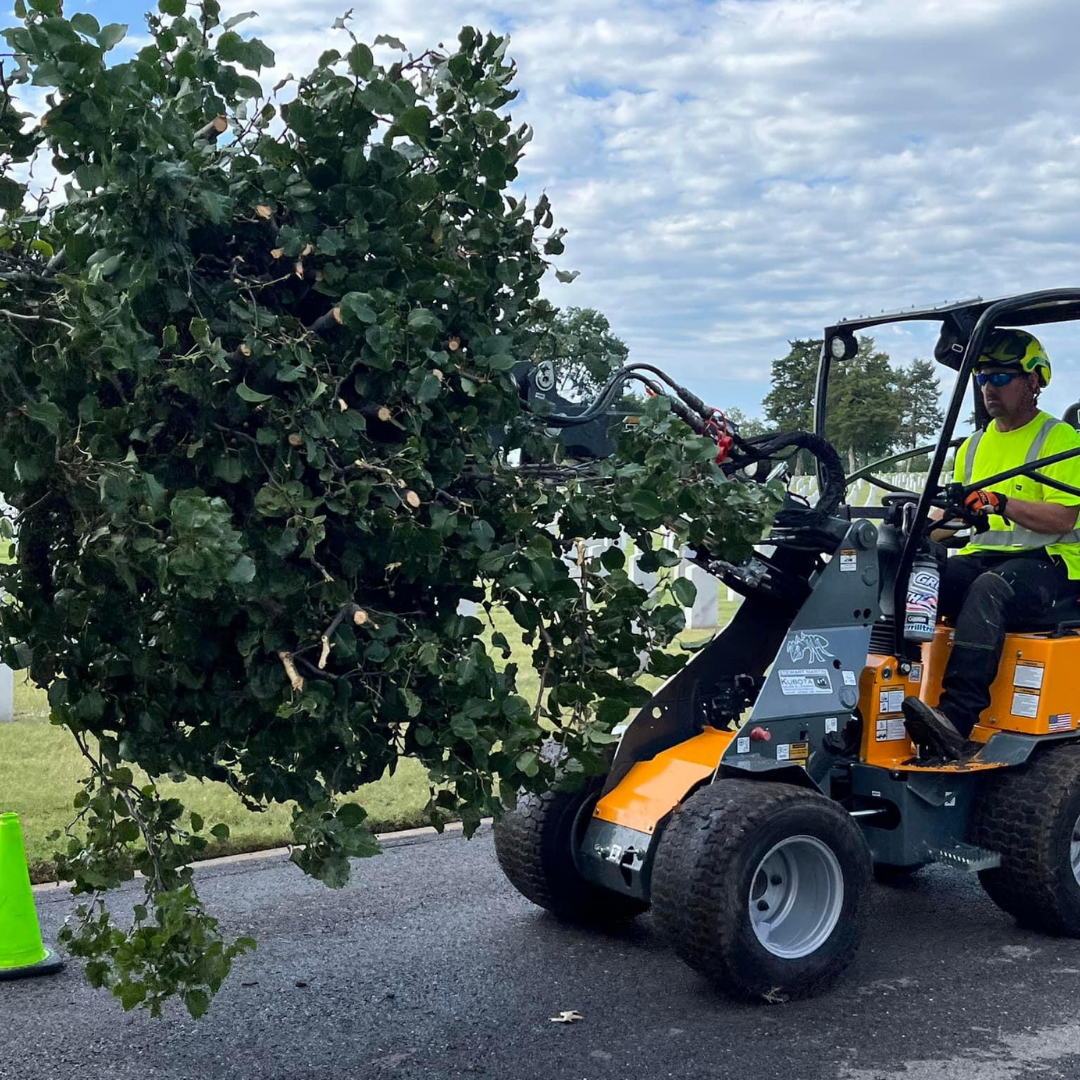
– Safe removal procedures: Removal is performed with safety as a priority, using appropriate equipment and techniques to minimize disruption and protect adjacent plants and property.
– Aftercare and alternatives: After removal, the site is prepared for replanting or other landscape improvements. Our team can help with site evaluation, mulching, and selecting suitable replacement species if you wish to move forward with a new plant.
why Davis Family Arbor is the right choice for oklahoma redbud tree care
– Expertise and credentials: Our arborists bring certified knowledge in diagnosing and treating oklahoma redbud tree health issues, with a focus on sustainable, long-lasting results.
– Comprehensive services: From healthy tree care and pruning to safe removal, we offer a full spectrum of services to support your trees and landscape. For a comprehensive view of what we offer, visit our Services page, where you can explore options like Tree Trimming and Tree Removal, as well as ongoing maintenance programs.
– Personalized approach: We tailor care plans to your tree’s specific needs, soil conditions, climate, and landscape goals. Our team conducts thorough inspections, provides clear recommendations, and explains the rationale behind each step.
– Local knowledge: Our team understands Oklahoma’s unique growing conditions, including seasonal stresses and common pests, enabling proactive care to protect your oklahoma redbud tree and other landscape assets.
– Client-focused communication: We prioritize clarity and transparency, sharing schedules, expectations, and any potential risks upfront. If you have questions or want a second opinion, our About Us page and Contact page are accessible for easy outreach.
how to get started: next steps for your oklahoma redbud tree
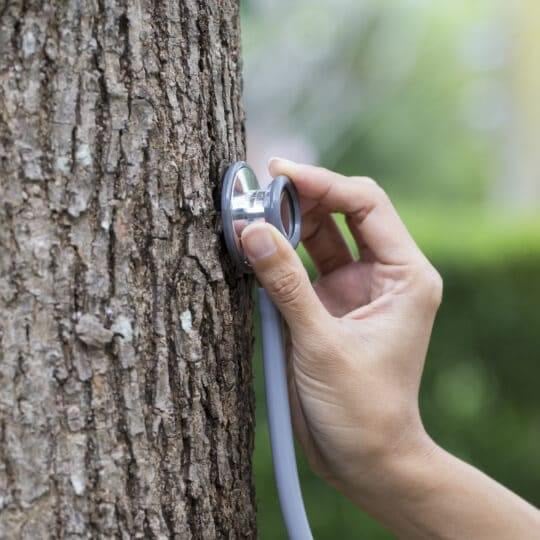
– Schedule a diagnostic visit: A professional assessment can identify hidden problems before they become serious. This is especially important if you’ve noticed leaf drop, uneven growth, or poor flowering.
– Plan a care program: Based on the assessment, we’ll outline a maintenance plan tailored to your oklahoma redbud tree, including pruning cycles, irrigation recommendations, and disease monitoring.
– Decide on treatment versus removal: If issues are manageable, we’ll outline treatment options to restore vitality. If removal is recommended, we’ll explain the process, safety considerations, and post-removal landscape options.
– Learn more about our services: For a broader understanding of how we help homeowners and businesses, explore our service library, including Tree Trimming, Tree Removal, and general maintenance services. The best way to connect is through our Contact page so we can schedule a convenient appointment time.
protecting your oklahoma redbud tree with professional care
A healthy oklahoma redbud tree is a cornerstone of a thriving landscape. Its beauty, ecological benefits, and functional value as a focal point make timely care crucial. When signs of trouble appear, acting promptly with expert guidance helps preserve the tree’s health, shape, and lifespan. Whether you’re dealing with drought stress, pests, or disease, professional support from a trusted arborist can mean the difference between a thriving specimen and a costly loss. At Davis Family Arbor, we’re dedicated to delivering accurate diagnoses, practical treatments, and safe removals when necessary—always with safety, efficiency, and the health of your landscape in mind.
ready to protect or restore your oklahoma redbud tree today
If you’re concerned about the health or viability of your oklahoma redbud tree, the first step is a professional assessment. Our team can identify issues early, recommend targeted care, and help you decide the best path forward—whether that’s ongoing pruning and maintenance, precise treatment of pests or diseases, or a safe removal and replacement plan. Contact Davis Family Arbor to arrange a convenient evaluation. You can reach us through our Contact page, or you may want to learn more about our full range of services by visiting our Tree Trimming and Tree Removal pages. For context about our philosophy, methods, and team, our About Us page is a helpful resource.
In summary, a healthy oklahoma redbud tree can enhance your property for decades, but timely care is essential. By recognizing signs of distress early, implementing best-practice pruning and watering regimes, and partnering with a skilled arborist, you maximize the chances of long-term health and beauty for this iconic tree. If you’re ready to take action, reach out to Davis Family Arbor today and discover how our expert team can protect, care for, and, when necessary, remove an oklahoma redbud tree with precision and safety. Our commitment is to your landscape health, and we’re here to help every step of the way through personalized care, clear communication, and proven results.