




Root rot is more than a wilted leaf problem. It’s a hidden threat that can silently undermine the health and safety of your landscape. When fungi attack a tree’s root zone, they disrupt the flow of water and nutrients from the soil to the canopy. The result can be slow growth, dieback, and, in severe cases, failure of the tree to recover after a stressful season. At Davis Family Arbor, we’ve helped countless homeowners and property managers protect their landscapes by diagnosing root rot early, choosing the right treatment plan, and applying proven tree care techniques. If you’ve noticed unusual symptoms in your trees, now is the time to learn how root rot develops, how it’s diagnosed, and how expert care can save your trees and your landscape.
Root rot: understanding the threat to your trees
Root rot is not a single disease but a group of conditions caused by soil-borne fungi and water-related stress that attack the root system. When the roots are compromised, the tree cannot take up enough water and nutrients to support new growth. This creates a cascade of symptoms that may appear gradually or accelerate after a heavy rain, drought, or soil disturbance. The most common culprits include species-specific fungi that thrive in poorly drained soils, compacted ground, or planting sites with persistent moisture. In many cases, root rot begins below the soil surface, so you may not see the problem until the tree’s vigor declines.
Key factors that contribute to root rot
– Excess moisture and poor drainage: Soils that stay waterlogged create oxygen-poor conditions that stress roots.
– Soil compaction: Heavy foot traffic, equipment, or construction compacts soil, limiting air and water movement to the root zone.
– Planting site and species susceptibility: Some tree species are more prone to root rot when grown in less-than-ideal soils.
– Root injuries: Physical damage from lawn care activities or nearby construction can open the door for pathogens.
– Poor cultural practices: Over-fertilization, improper watering schedules, and improper mulching can worsen root stress.
Spotting the signs of root rot early
Early detection gives your trees the best chance of recovery. Look for a combination of symptoms, not a single telltale sign. Signs may include:
– Progressive decline in vigor: slower growth, fewer new leaves, and reduced annual sprouting.
– Leaf symptoms: leaves that yellow, wilt, or show scorch-like edges even with adequate watering.
– Dieback: dead twigs or branches on the upper parts of the tree that don’t respond to pruning or fertilization.
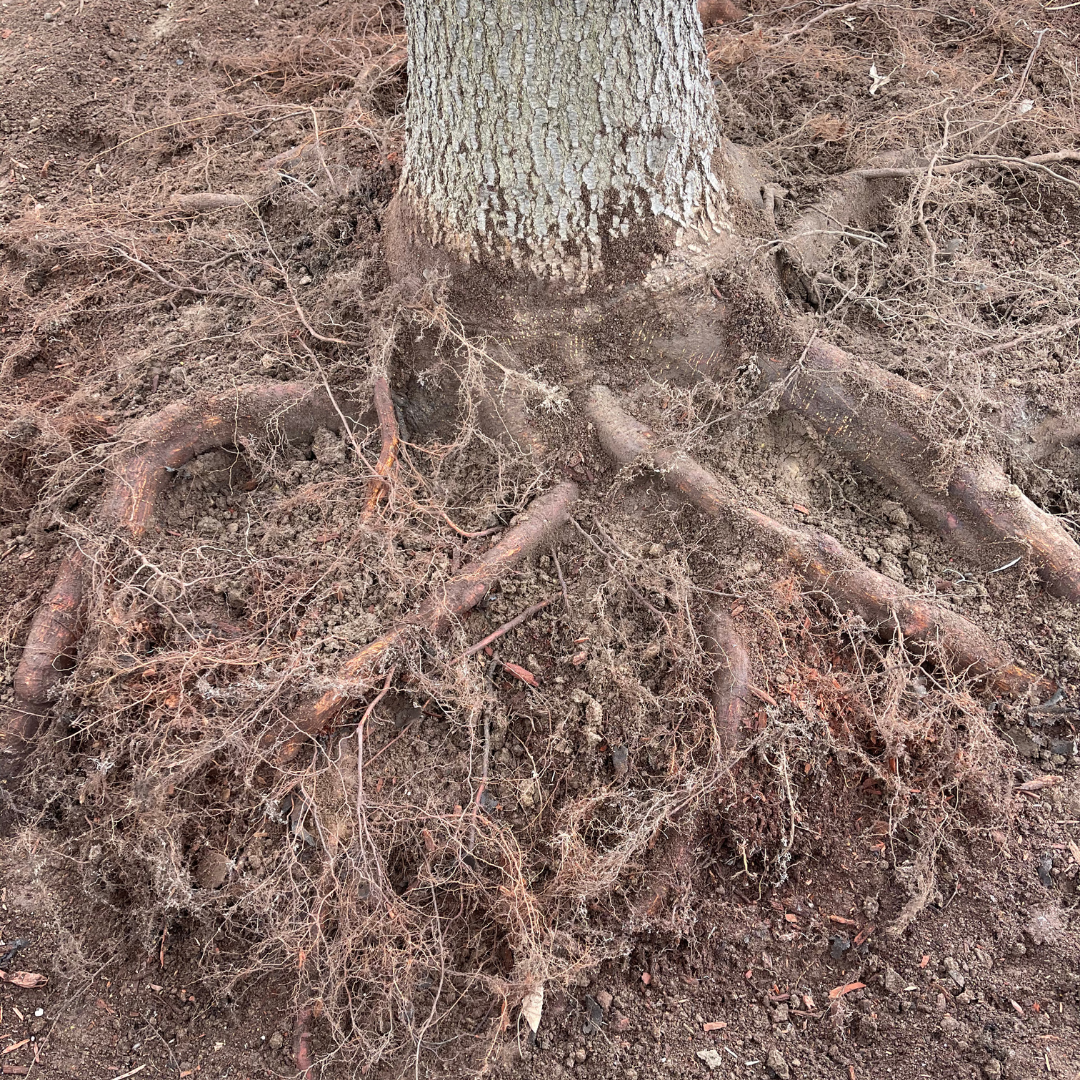
– Root symptoms: upon careful inspection, you may notice dark, mushy, and foul-smelling roots or a lack of a healthy, white fibrous root network.
– Base and trunk cues: mushrooms or fungal growth at the root collar, cracking or softening near the soil line, and a leaning or unstable trunk in some cases.
If you observe these indicators, it’s essential to contact a professional. Do-it-yourself digging and attempts to “save” a tree without proper diagnosis can spread the problem or cause additional damage. For a reliable assessment, our arborists at Davis Family Arbor perform a thorough evaluation and provide a clear diagnosis and action plan. Explore Services (https://davisfamilyarbor.com/services) to see how we handle root health, tree removal, and canopy care, and learn about our Tree Removal (https://davisfamilyarbor.com/tree-removal) and Tree Trimming (https://davisfamilyarbor.com/tree-trimming) offerings.
How professionals diagnose root rot
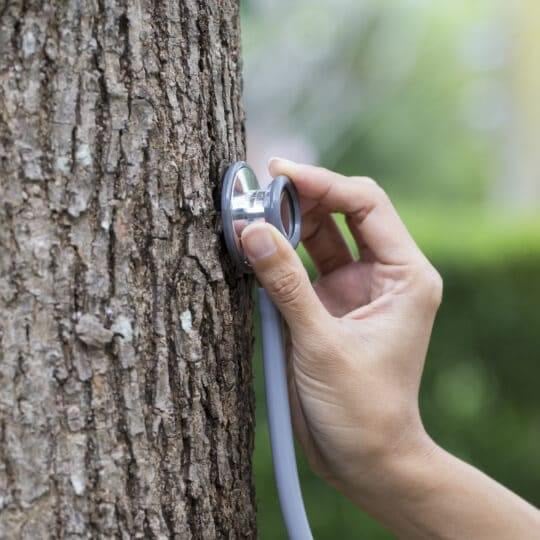
Diagnosing root rot involves a combination of visual assessment, soil analysis, and sometimes advanced testing. Our approach includes:
– Visual inspection of the canopy and limbs for signs of decline and stress.
– Soil and root sampling to evaluate moisture levels, root vitality, and the presence of target pathogens.
– Assessment of soil structure and drainage, including compaction and grading checks.
– Evaluation of surrounding factors such as irrigation practices and recent weather patterns that could contribute to persistent moisture.
– If necessary, noninvasive imaging or lab tests to confirm fungal involvement and to identify the specific pathogen.
By combining these steps, our arborists determine whether root rot is the primary issue, whether multiple stressors are at play, and which treatment strategy offers the best chance of recovery. You can learn more about our approach by visiting our Services page (https://davisfamilyarbor.com/services) and reviewing how we coordinate diagnosis with a tailored treatment plan. For the broader context of our team and philosophy, you may also explore About Us (https://davisfamilyarbor.com/about-us) to understand how we approach your landscape’s long-term health.
Treatment options for root rot
Treatment is highly dependent on the severity of the infection, the tree species, and the tree’s structural integrity. In many cases, early intervention can arrest the progression of root rot and allow the tree to regain strength. Common components of a professional treatment plan include:
– Improving drainage and soil conditions: Aeration, drainage corrections, and soil amendments to improve oxygen flow and reduce root zone saturation.
– Targeted irrigation management: Adjusting watering schedules to prevent both drought stress and waterlogging, ensuring roots receive appropriate moisture.
– Fungicidal and biological treatments: In some situations, applying fungicides or beneficial soil microbes can slow pathogen activity and support root regeneration. These treatments are chosen carefully based on the specific pathogen and tree species.
– Root zone restoration: Carefully pruning and removing clearly infected or dead roots to reduce pathogen load while preserving as much healthy root system as possible.
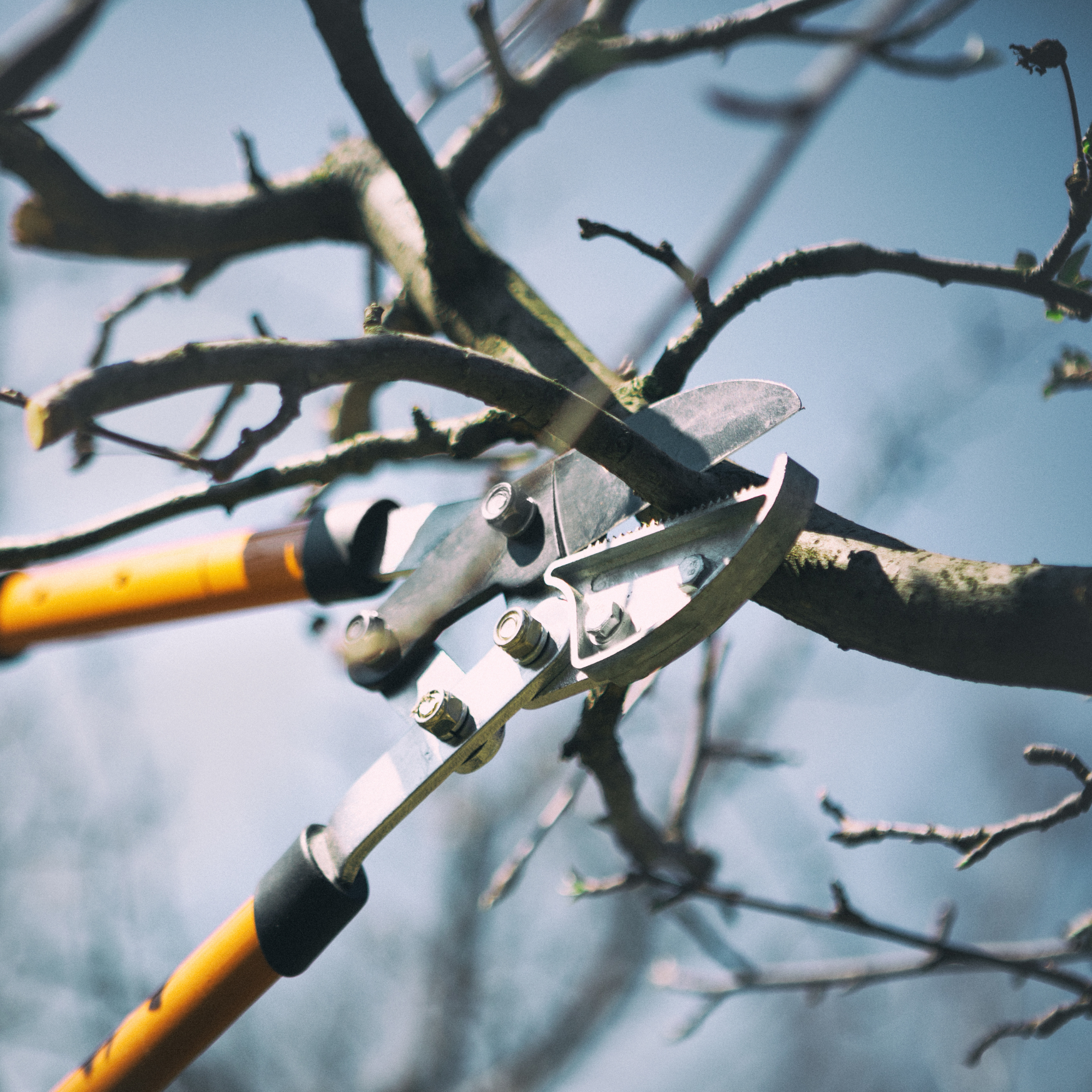
– Structural support and canopy management: Implementing pruning strategies to reduce wind throw risk and promote balanced growth while the tree recovers.
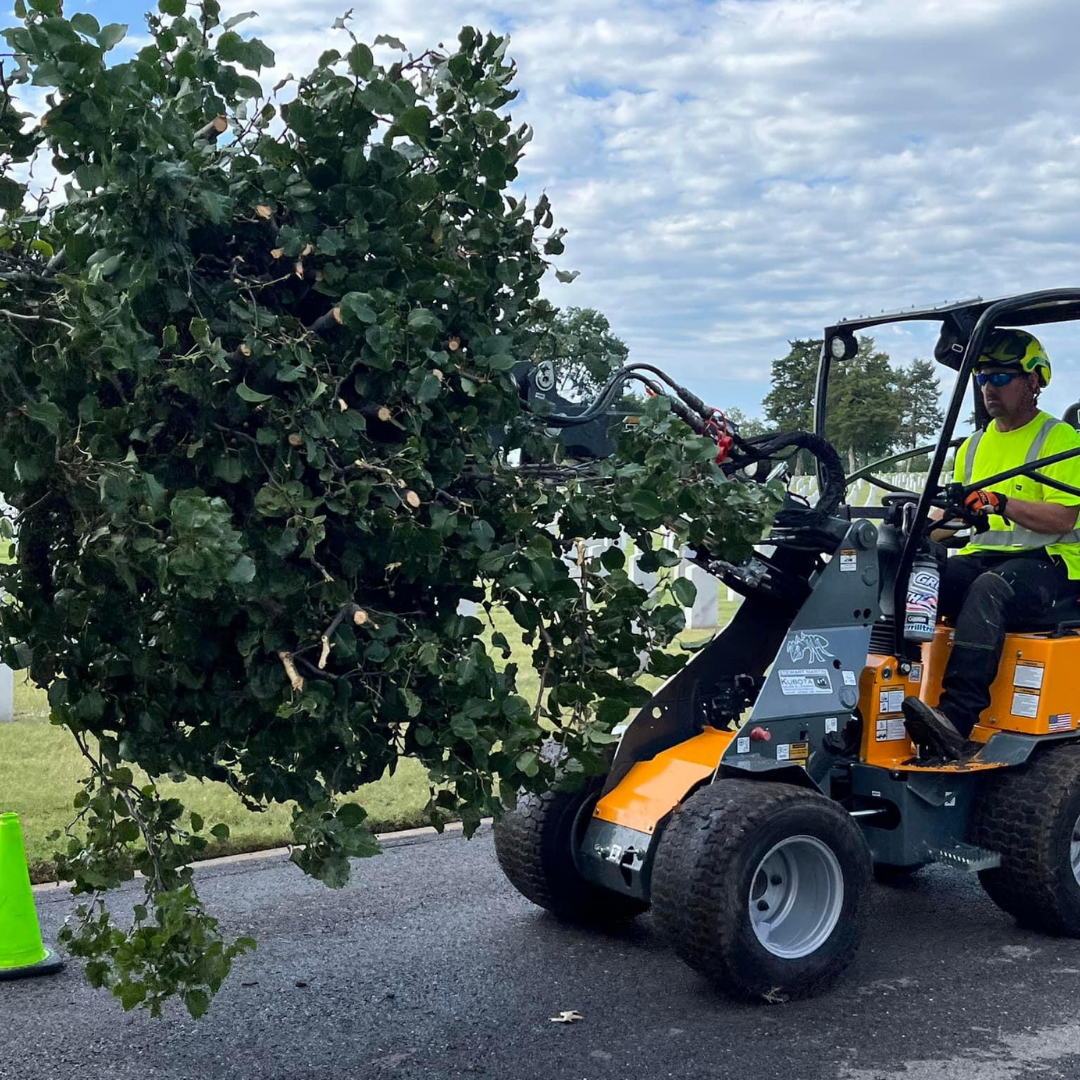
– Tree removal as a last resort: In cases where the infection is too advanced or the tree’s structural integrity is compromised, safe removal may be the most responsible option to protect the landscape. Learn more about when removal is appropriate on our Tree Removal page (https://davisfamilyarbor.com/tree-removal).
Every root rot scenario is unique. Our arborists develop a custom plan that aligns with your tree type, age, soil conditions, and landscape goals. This approach helps maximize the tree’s chance of recovery and can preserve valuable landscape assets. To see how we apply these options in real-world scenarios, review our service offerings (https://davisfamilyarbor.com/services) and case studies on our site.
Prevention: protecting your landscape from root rot
Prevention is often more cost-effective than treating an established infection. By combining smart planting choices with sound cultural practices, you can reduce the risk of root rot and keep your trees healthier longer. Practical steps include:
– Improve drainage and soil structure: If you have persistently wet soils, consider grading changes, subsurface drainage, or organic matter that improves soil structure without boosting moisture retention excessively.
– Mulch wisely: Apply a 2-4 inch layer of organic mulch around the tree’s drip line, keeping mulch away from the trunk to prevent moisture retention directly at the base. Mulching helps regulate soil temperature and moisture, supporting a healthier root zone.
– Water wisely: Use deep, infrequent irrigation rather than frequent shallow watering. Zone-specific watering can prevent waterlogged conditions that invite root pathogens.
– Avoid soil compaction: Limit heavy equipment and foot traffic near critical root zones to maintain soil air exchange and water movement.
– Choose resistant species and appropriate planting sites: Selecting tree species with better tolerance to local soil and moisture conditions can reduce root rot risk. When planning future plantings, consult our team to choose the right species for your site and climate.
– Regular monitoring: Schedule routine inspections, especially after storms or wet seasons, to catch any early signs of trouble before they escalate.
Additionally, our team is ready to support ongoing landscape health. For a comprehensive look at how we maintain landscape vitality, explore our Services page (https://davisfamilyarbor.com/services) and see how Tree Trimming (https://davisfamilyarbor.com/tree-tr