



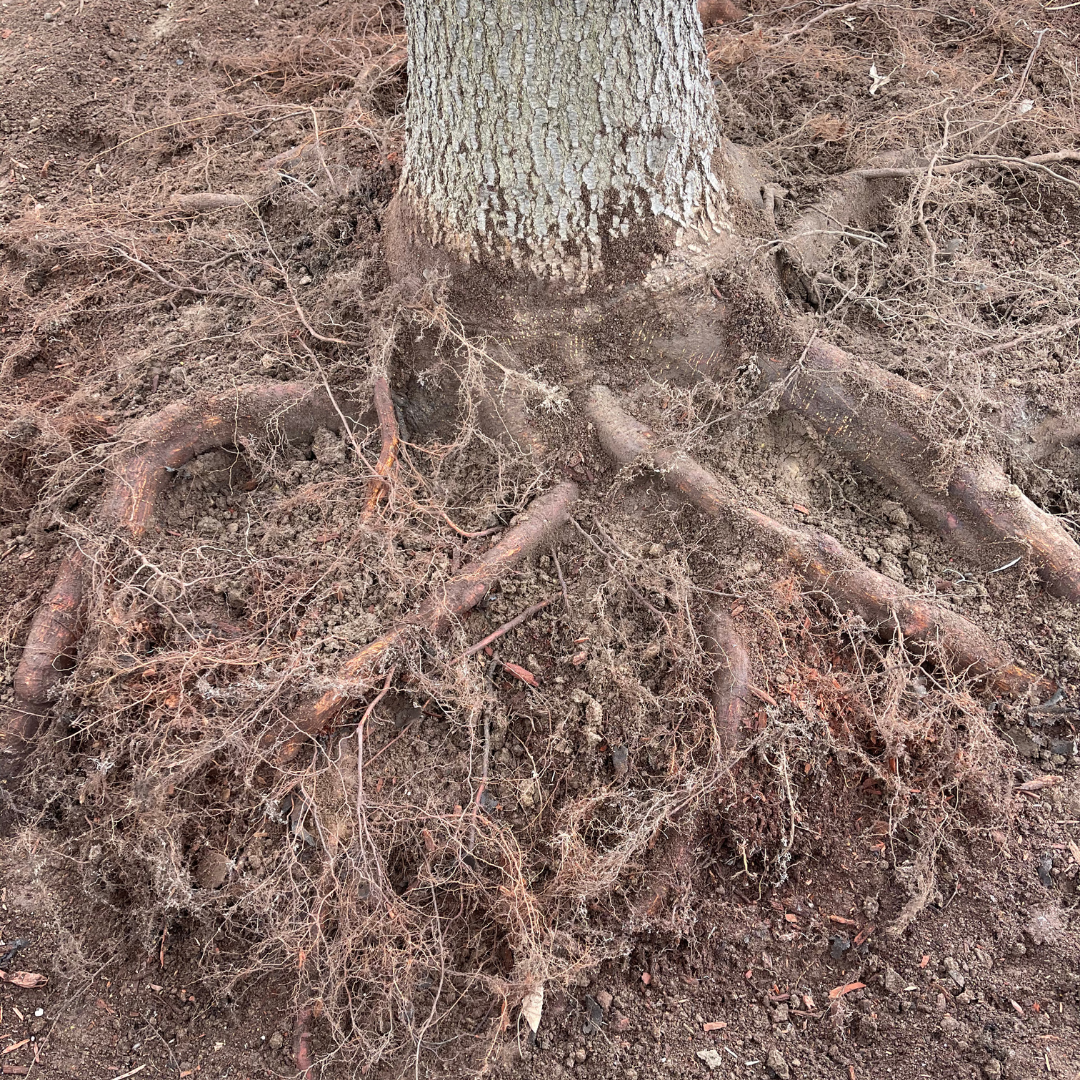
Root rot is a stealthy threat that often hides underground until it has already compromised a tree’s health. When the roots are overwhelmed by overly wet soil, poor drainage, or invading pathogens, the whole tree can suffer, showing stress symptoms only after significant damage has occurred. At Davis Family Arbor, our certified arborists specialize in diagnosing root rot and restoring tree health through a comprehensive combination of assessment, treatment, and prevention. If you’ve noticed unexplained decline in a tree’s vigor, or you’re simply planning proactive care, understanding root rot and how to address it can save both the tree and your landscape investment.
Understanding root rot and why it matters
Root rot encompasses a group of diseases caused by soil-borne fungi and water-loving organisms that attack a tree’s feeder roots and root system. When the roots decay, the tree cannot take up water and nutrients efficiently, leading to a cascade of stress symptoms above ground. Even healthy-looking foliage can fade as photosynthesis declines and energy reserves dwindle. Left untreated, root rot can lead to reduced structural stability, increased susceptibility to pests and other diseases, and, in severe cases, tree death.
Key pathogens and their impact
– Phytophthora species: A common culprit in wet soils, Phytophthora causes rapid root decay and can spread quickly in poorly drained areas.
– Armillaria species: Known as honey fungus, Armillaria can persist in the soil for years, attacking both roots and base of the trunk, weakening the tree’s anchorage.
– Other opportunistic fungi: In stressed trees, secondary organisms exploit damaged tissue, accelerating decline.
Signs you might be dealing with root rot
– Wilting or chlorosis despite regular watering
– Yellowing or browning of leaves, especially at branch tips
– Unusual thinning of the canopy or dieback on one side of the tree
– Soft, decayed roots or a mushy, foul-smelling root zone when the soil is disturbed
– Extensive soil moisture and slow drainage around the tree
– Poor root collar flare health or a collapsed root system upon examination
Diagnosing root rot: what a professional looks for
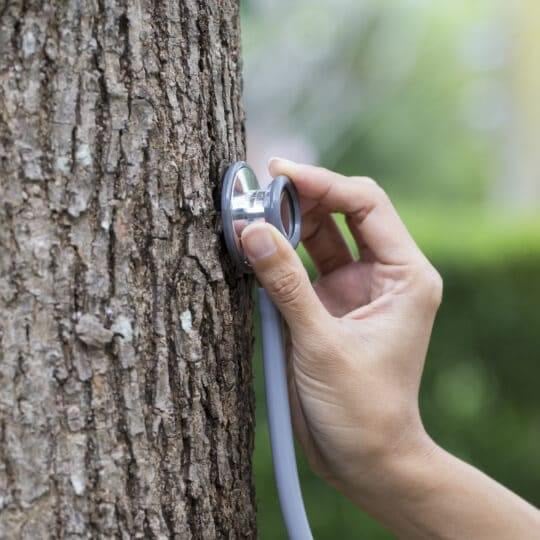
Diagnosing root rot involves more than a visual inspection. Our approach at Davis Family Arbor combines field observations with lab-supported diagnostics to confirm the pathogen and the extent of damage. Steps typically include:
– Site and soil assessment to evaluate drainage, compaction, and irrigation patterns
– Non-invasive tests to gauge root function and canopy vigor
– Selective root sampling and laboratory testing to identify the disease agent
– Evaluation of tree stability and the presence of decay in the root zone
– A comprehensive plan that considers species, age, location, and landscape goals
Treatment options and management strategies
Root rot treatment is not one-size-fits-all. The best approach balances disease management with tree health and landscape goals. Our recommendations may include a combination of the following:
– Improve drainage and soil structure: Invest in aeration, organic matter, and soil amendments to restore air and water balance in the root zone. In some cases, adjusting irrigation schedules and installing proper drainage systems can significantly reduce stress.
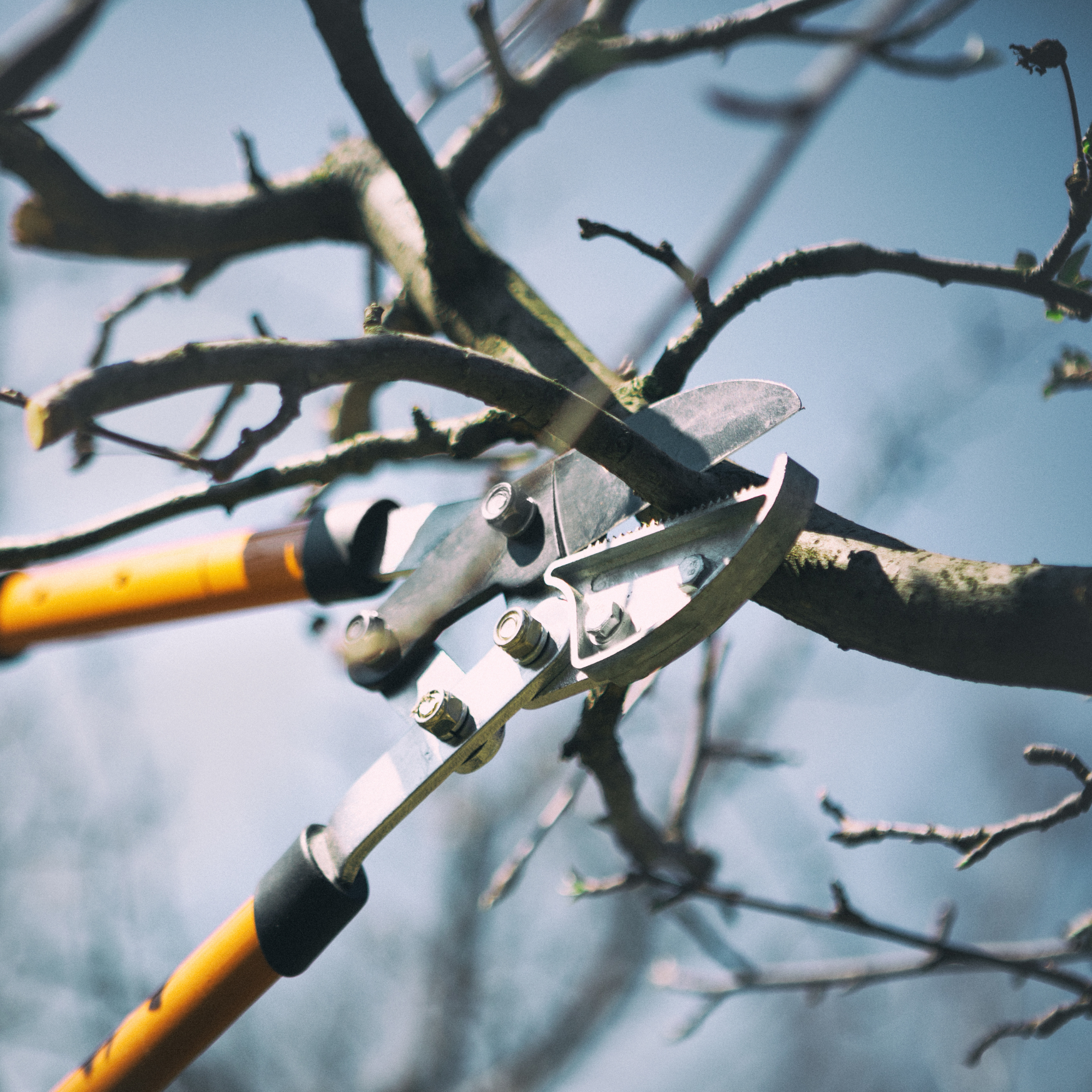
– Targeted root care and pruning: Removing severely damaged roots and pruning stressed branches helps reduce energy drain and lowers the risk of further infection. This must be done carefully to preserve as much healthy tissue as possible.
– Soil and planting strategy: If the soil is compacted or poorly drained, strategic trenching or the use of raised beds for new plantings can create a healthier rooting environment. Mulching with a thin layer of organic material helps conserve moisture without suffocating roots.
– Fungicidal or biological treatments: Some root rot pathogens respond to specific fungicides or biological controls when applied early and in combination with cultural practices. It is important to follow a professional plan, as not all products are effective for every pathogen, and improper use can harm beneficial soil organisms.
– Structural support and risk mitigation: In cases where the tree remains valuable but is structurally compromised, cabling or bracing might be considered as a temporary measure while longer-term health improvements take effect.
– Replanting and replacement planning: If a tree’s root rot is extensive or the arborist determines recovery is unlikely, a measured replacement strategy with properly selected species can protect the overall landscape aesthetic and function.
Why quick action matters
Root rot can progress rapidly, especially in saturated soils or after repeated irrigation mistakes. The sooner a professional diagnosis and treatment plan is in place, the better the chances of preserving tree health and avoiding costly removals. Early intervention supports a faster recovery, reduces the spread of disease in the root zone, and helps protect nearby trees and structures from risk.
Prevention: building resilient trees and landscapes
Prevention is the backbone of long-term root health. By prioritizing drainage, soil health, and proper care, you minimize the risk of root rot reoccurring. Consider the following best practices:
– Assess soil drainage before planting or replanting. Favor sites with natural drainage or implement drainage solutions as needed.
– Choose appropriate species for your site conditions. Some trees tolerate wet soils better than others; a professional can guide you to hardy selections.
– Implement a thoughtful irrigation plan that avoids overwatering and ensures soil surface dries between watering events.
– Apply mulch correctly, keeping it away from the trunk to prevent moisture buildup at the root collar.
– Schedule regular tree health checks with a qualified arborist to catch issues before they escalate.
How Davis Family Arbor can help you restore tree health
Our team of certified arborists brings decades of combined experience in diagnosing and treating root rot across a wide range of species and landscapes. We start with a thorough assessment to identify the exact cause and scope of root rot, followed by a tailored plan that blends cultural practices, soil management, and targeted treatments. Our services include the full spectrum of care you need to protect and revitalize your trees, from initial evaluation to ongoing maintenance and, when necessary, careful tree removal or replacement plans.
To begin, explore our wide array of offerings:
– Comprehensive diagnostic and root rot assessment available through our professional [arborist services](https://davisfamilyarbor.com/services)
– Expert tree removal options for cases where risk or poor prognosis makes replacement the prudent choice: [professional tree removal](https://davisfamilyarbor.com/tree-removal)
– Precision pruning and tree trimming to reduce stress and maintain balance in your landscape: [tree trimming and pruning](https://davisfamilyarbor.com/tree-trimming)
– Learn more about our team and philosophy on the [About Us](https://davisfamilyarbor.com/about-us)
– Ready to take the next step? Contact us for a free quote and scheduling: [contact Davis Family Arbor](https://davisfamilyarbor.com/contact)
Putting it into practice: a sample plan for a diseased specimen
When root rot is suspected, a typical pathway might look like this:
– Step 1: Schedule an on-site assessment with a certified arborist to confirm root rot and identify the pathogen involved.
– Step 2: Implement short-term measures to reduce stress, such as adjusting irrigation and improving soil drainage around the tree.
– Step 3: Develop a long-term program that may include selective pruning, soil amendments, and, if necessary, targeted removals or replanting plans.
– Step 4: Establish a monitoring schedule to track recovery progress and adjust the care plan as needed.
– Step 5: Provide ongoing education on prevention and maintenance to ensure a healthier landscape for years to come.
Frequently asked questions about root rot
– Is root rot treatable? Many cases are, especially when caught early. The prognosis depends on the pathogen, the extent of root damage, and how quickly cultural practices are adjusted.
– Can root rot spread to other trees? Some pathogens can spread through the root zone and soil, but a timely, professional plan can minimize spread and protect neighboring trees.
– Should I remove the tree immediately? If the tree poses a risk to people or property or if recovery is unlikely, removal may be the safest option. A professional assessment provides clarity.
Conclusion: take the first step toward healthier trees today
Root rot is a manageable challenge when addressed with expert diagnosis, targeted treatment, and proactive prevention. If you’re dealing with signs of root rot or simply want a proactive health check for your landscape, reach out to Davis Family Arbor. Our certified arborists are ready to help you restore tree health and protect your investment. For a reliable assessment and a clear plan of action, contact us through our services page, or reach out to the team for a no-obligation quote. A healthier, more resilient landscape starts with the right partner, and Davis Family Arbor is that partner for you.