




Root rot can silently threaten the health and safety of your landscape, creeping through the root system and undermining vigor far below the surface. If you notice a canopy that looks weary, soil that feels overly damp, or roots that appear rotted when exposed, you may be dealing with root rot. At Davis Family Arbor, our certified arborists diagnose, treat, and manage root rot to protect your trees and preserve the beauty and value of your property. This guide explains what root rot is, how professionals diagnose it, the range of safe treatments available, and how we support you with a comprehensive plan that keeps your trees healthy for years to come.
Understanding Root Rot: What It Is and How It Harms Your Tree
Root rot is a fungal or occasionally oomycete disease that attacks the roots of trees and shrubs, impairing their ability to take up water and nutrients. Unlike many surface problems, root rot begins hidden underground, so symptoms often appear after significant damage has already occurred. The most common culprits are soil-borne fungi and water molds that flourish in poorly drained soils or after prolonged periods of wet weather.
Key effects of root rot on tree health:
– Declining vigor and a thinning canopy, especially in drought-stressed periods
– Dieback at the tips of branches and reduced leaf size or chlorosis
– Yellowing leaves, leaf drop, and slow growth
– Soggy, poorly aerated soil around the root zone
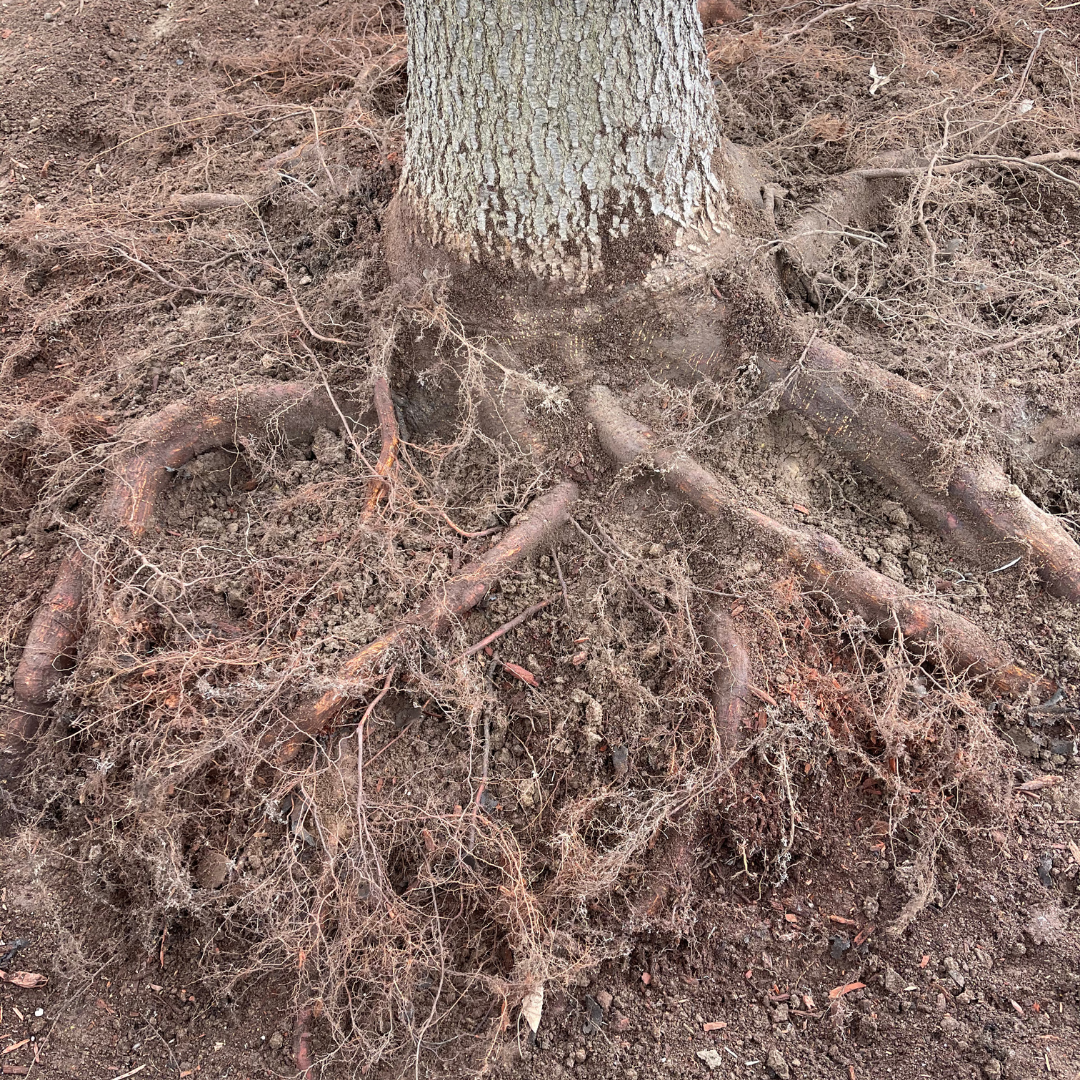
– Foul smells or soft, dark, decaying roots revealed during inspection
Understanding these signs can help you act quickly. Early detection improves the odds of saving a tree, but even when root rot is advanced, professional intervention can often stabilize health, prevent spread, and extend the tree’s life. For a thorough evaluation, contact a licensed arborist who can perform tests and provide a tailored plan. Learn more about our approach by exploring our Services page and the expertise of our team on the About Us page, and if you’re ready to start a diagnostic conversation, reach out through our Contact page.
Diagnosing Root Rot: When to Call a Professional
Root rot diagnosis is not a DIY job. While visual symptoms give important clues, confirming the problem and identifying the specific pathogen requires professional assessment. Our process typically includes:
– A detailed tree and site inspection to observe canopy, root flare, and soil conditions
– Soil testing to assess drainage, compaction, and moisture levels
– Root sampling and laboratory analysis to identify the pathogen
– Evaluation of tree structure, species susceptibility, and overall risk to property
Why professional diagnosis matters:
– Correct identification of the pathogen guides targeted treatment and reduces unnecessary interventions
– Early confirmation allows timely action to safeguard adjacent trees and landscape features
– A professional plan considers site-specific factors such as drainage, irrigation, soil type, and root zone health
If you notice root rot signs, don’t delay. Contact us to arrange a professional assessment. To learn more about our comprehensive tree care, you can review our services or connect with our team, and consider scheduling an in-depth discussion via our contact page.
Common Causes of Root Rot in Trees
Root rot thrives under certain conditions, and understanding these helps you adopt preventive strategies. Common causes include:
– Poor drainage and waterlogged soils, especially after rains or irrigation
– Root damage from construction, compaction, or heavy foot and equipment traffic
– Planting trees too deeply or in soils with insufficient aeration
– Thick organic mulches or soil amendments that retain excessive moisture around the root zone
– Pathogen exposure in stressed trees that are already under drought or nutrient stress
Each landscape is unique, so a professional assessment helps tailor solutions to your specific site and tree species. If you’re unsure about drainage or soil condition in your yard, our team can evaluate and guide you toward practical improvements, such as aeration, drainage installation, or soil amendments. Explore related care options through our Tree Trimming or Tree Removal services if protections or removals become necessary.
Safe Treatments for Root Rot and Protecting Tree Health
Treating root rot focuses on stopping progression, restoring root function, and reducing stress on the tree while preserving its structure when possible. Because root rot can arise from multiple pathogens and site conditions, an integrated approach is essential. Here are the core components of a safe treatment plan:
– Correct drainage and soil management: Improving drainage and reducing soil compaction helps roots recover and prevents ongoing water stress.
– Precision irrigation: Adjusting watering to meet each tree’s needs prevents excess moisture that fuels pathogens.
– Cultural care to reduce stress: Mulching properly, fertilizing according to soil tests, and pruning to balance the canopy support healthier root growth.
– Targeted fungicide or biological treatments: In some cases, professional application of fungicides or biological agents can suppress pathogens and support recovery. The choice of product and method depends on the identified pathogen and tree species.
– Root zone aeration and remediation: Techniques that improve air exchange around the roots promote healthier root systems and better nutrient uptake.
– Safe removals when necessary: In cases where the infection is advanced and the tree poses a safety risk or cannot recover, safe removal is the responsible option. Our team can perform removals in a controlled, careful manner to minimize impact to the landscape. Read more about safe removals in our Tree Removal services or discuss how we handle removals with our team.
Why Timing and Precision Matter
Root rot can spread through the root network and into neighboring trees, especially in dense plantings or shared soil systems. Acting quickly with a precise plan reduces the risk of loss and helps preserve as much of the tree’s structure as possible. Early intervention often means better outcomes and more sustainable, long-term health for your landscape.
What Davis Family Arbor Brings to Your Yard
When root rot threatens your trees, you want a partner with expertise, safety, and a clear plan. Here’s how we support you:
– Highly trained, certified arborists who diagnose root rot and design evidence-based treatment plans
– A comprehensive approach that combines diagnosis, treatment, and ongoing care to protect tree health
– Safe rock-solid practices for root rot management, including soil and irrigation optimization
– Thoughtful decisions about removals and replacements when necessary, executed with precision and care
– A focus on long-term health, with ongoing monitoring and adjustment of care plans
Our services align with your goal of preserving healthy trees while maintaining a safe, beautiful landscape. To see how we can help with the full spectrum of tree care, browse our Services page, and learn more about our team on the About Us page. If you’re ready to discuss a plan or to book a site visit, the Contact page is the best place to start.
Preventive Care and Long-Term Tree Health
Prevention is a cornerstone of healthy landscapes. After root rot management, we recommend a maintenance plan geared toward long-term resilience:
– Regular health assessments for the critical species in your yard
– Soil testing every few years or as needed to adapt to changes in moisture and drainage
– Aeration and careful irrigation management to keep roots oxygenated and hydrated
– Mulch discipline and soil amendments aligned with tree species and root depth
– Pruning and structural training to reduce stress and support overall vigor
These steps help ensure your trees stay resilient against future stressors and pathogens. Our team can tailor a preventive program to your site, integrating with your overall landscape care plan, whether you want ongoing care from our Services or a focused service partnership with Tree Trimming or Tree Removal as needed.
Pointers for Homeowners and Property Managers
As you navigate root rot concerns, here are practical steps you can take now:
– Observe signs like canopy thinning, leaf discoloration, and unusual soil moisture around the root zone.
– Schedule a professional assessment if symptoms persist beyond a few weeks, especially after wet seasons.
– Avoid overly aggressive DIY salvage attempts that could damage roots or spread pathogens.
– Consider a staged plan that prioritizes the most valuable or vulnerable trees first.
– Maintain open lines of communication with your landscape team, and use a trusted source like Davis Family Arbor for guidance and service.
If you want reliable, expert guidance, you can consult our team through our Contact page, or learn how we approach tree care by visiting our Services page. For more context about who we are and how we work, the About Us page provides insight into our philosophy and credentials. When you’re ready to act, starting with a professional assessment is the best way to protect your investment and your landscape.
Conclusion: Safely Protect Your Tree Health with Davis Family Arbor
Root rot is a serious threat, but with the right diagnosis and a thoughtful, evidence-based treatment plan, many trees can regain vigor and health. Davis Family Arbor stands ready to help you assess the extent of root rot, implement targeted treatments, improve soil and irrigation practices, and provide safe removals if necessary. By combining expert diagnosis, precise treatment, and preventive strategies, we aim to keep your trees standing strong for years to come.
If you suspect root rot or want to learn more about how we protect tree health, contact us today to schedule a consultation. Our team is ready to review your yard and design a plan that fits your needs and budget. For more information about our full range of services, you can visit the Services page, or reach out through the Contact page to start a conversation. Your trees deserve professional care, and Davis Family Arbor is here to deliver it with clarity, safety, and