




Root rot can be a silent but serious threat to trees in any landscape. It often starts below the surface, where diseased or damaged roots struggle to supply the rest of the tree with water and nutrients. When root rot takes hold, symptoms may appear late and spread quickly, making early diagnosis essential. At Davis Family Arbor, we focus on accurate root rot diagnosis and safe, effective treatment plans that protect your trees and your landscape investment. If you’re noticing unusual wilting, uneven growth, or sudden changes in color or vigor, a professional assessment can uncover the root cause and prevent further decline. Our team is dedicated to clear explanations, transparent processes, and treatments that are both scientifically sound and environmentally responsible. If you suspect root rot, don’t wait for the problem to become more costly or dangerous—reach out for a free assessment and guidance on next steps.
Root rot explained: what it is and why it matters
Root rot describes a group of diseases caused by soil-borne pathogens that attack the root system of trees. Fungi such as Phytophthora, Armillaria, and other soil-dwelling organisms thrive in wet or poorly drained soils, decaying fine roots and disrupting the tree’s ability to take up water and nutrients. When root rot progresses, trees can become stressed, more vulnerable to pests, and at higher risk of structural failure. Because the problem starts underground, you may notice downturns in growth, leaf discoloration, or dieback in the canopy before you detect the root issue. Understanding root rot’s behavior helps us differentiate it from drought stress, nutrient deficiencies, or mechanical damage, allowing for targeted interventions that actually address the cause.
Key signs of root rot to watch for include:
- Unexplained canopy thinning or dieback, especially on lower branches
- Yellowing or scorched-looking leaves despite adequate irrigation
- Stunted growth and reduced vigor compared with healthy trees nearby
- Soil that remains consistently wet or waterlogged around the tree base
- A soft, cinnamon-brown to black decay odor near the root zone during inspection
To protect your trees, it’s important to distinguish root rot from temporary moisture fluctuations or seasonal changes. Our team at Davis Family Arbor uses a systematic approach to confirm root rot, identify the specific pathogen where possible, and tailor a plan that minimizes damage and supports recovery.
How to identify root rot in your trees: practical tips
Early detection improves outcomes when dealing with root rot. While a professional diagnosis is essential for accuracy, you can prepare by looking for patterns across a few critical indicators:
Soil and site conditions
– Consistently wet or poorly drained soil around the tree base
– Heavy rain followed by prolonged saturation, especially in compacted or clay soils
– Water pooling or slow drainage in the root zone
Tree symptoms
– Persistent wilting during cool, moist mornings or after light irrigation
– Uneven canopy density, with sections of the crown thinning
– Dieback in the inner or lower portions of the tree’s structure
– Decline in overall vigor that doesn’t respond to standard care
Root observations
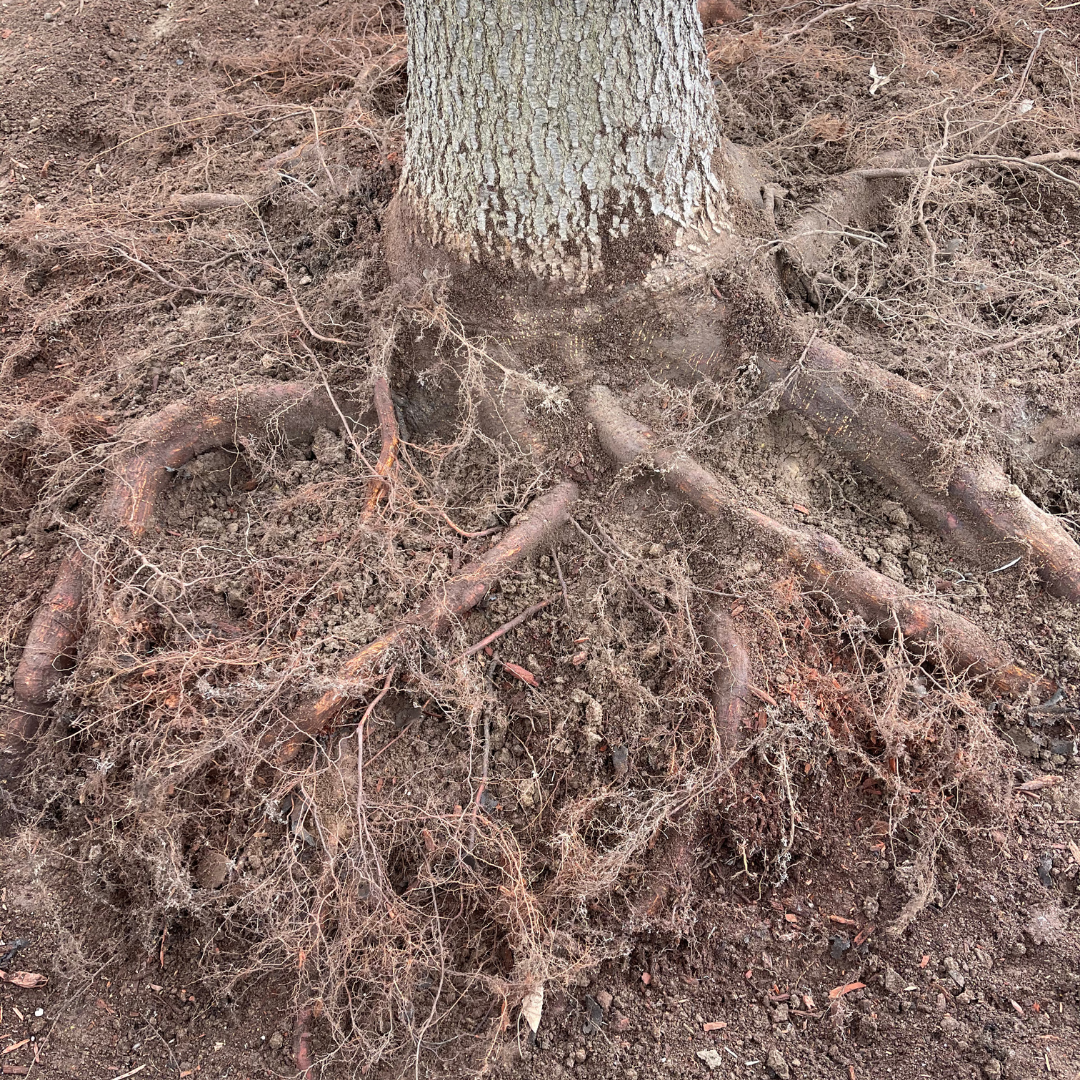
– When feasible, excavating a small area near the trunk may reveal dark, rotted, or mushy roots
– Dead or discolored feeder roots and a lack of healthy, white, living tissue
If you notice any of these indicators, scheduling a professional evaluation is the best next step. At Davis Family Arbor, we guide you through a careful assessment that prioritizes safety and minimizes disruption to your landscape. We encourage you to explore our Services page to learn more about how we approach tree care, including options such as tree trimming and tree removal when necessary. Our team can help you understand whether root rot is present and map out a plan that aligns with your goals and the health of your trees.
Our diagnosis process for root rot: what to expect
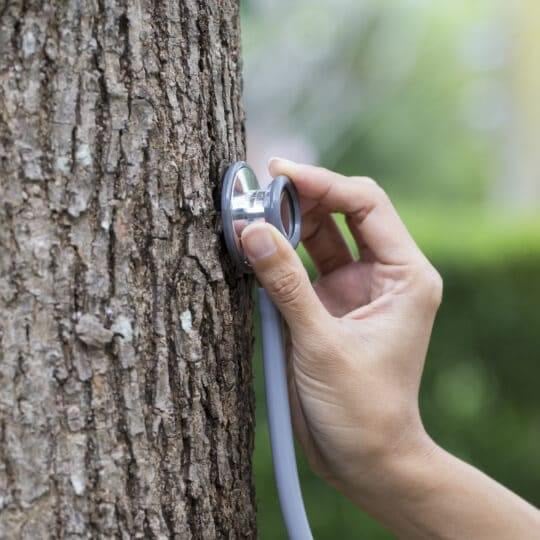
A precise root rot diagnosis combines现场 observations with informed laboratory checks when appropriate. Here’s how Davis Family Arbor conducts the assessment:
– Comprehensive above-ground inspection: We assess crown density, leaf color, growth rate, signs of pest activity, and overall tree stability.
– Root zone evaluation: We examine soil texture, drainage patterns, moisture levels, and obvious signs of root decay or girdling roots.
– Soil testing and moisture analysis: Where helpful, we conduct soil tests to gauge drainage and pH, plus moisture readings to understand how water moves through the root zone.
– Pathogen identification: In some cases, lab analysis of root samples helps identify the specific root rot pathogen, enabling targeted treatment strategies.
– Risk assessment and care plan: We evaluate the risk to the tree and surrounding landscape, then present a clear, step-by-step plan that outlines required actions, timelines, and expected outcomes.
– Safety and site protection: Our approach emphasizes the safety of people and property, with careful equipment use and minimal disruption to your landscape.
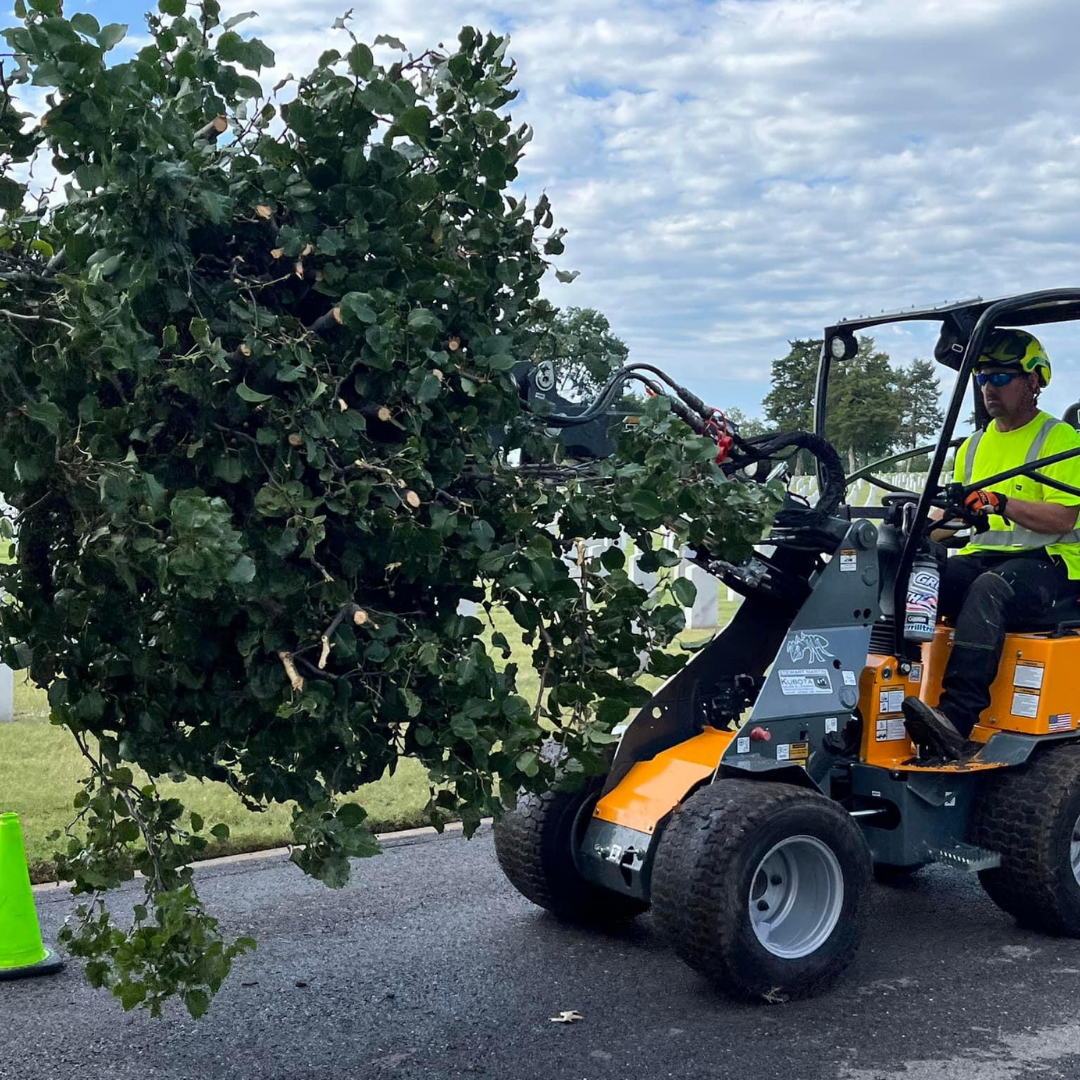
Throughout the process, we maintain open communication. We explain findings in plain language and offer trained recommendations about whether to pursue immediate treatment, pruning, soil improvements, or in some cases, tree removal for safety. For a closer look at how this professional approach translates into results, consider visiting our About Us page to learn more about the Davis Family Arbor team and philosophy. You can also review how our local expertise translates into reliable services such as tree removal when needed and ongoing care through our maintenance programs.
Safe and effective treatment options for root rot
Treating root rot requires a balanced mix of cultural practices, targeted interventions, and ongoing monitoring. The primary goals are to reduce pathogen pressure, improve root health, and give the tree the best chance to recover. Davis Family Arbor emphasizes treatments that are evidence-based, site-appropriate, and mindful of environmental impact.
– Improve drainage and soil structure: In many cases, root rot thrives in poorly drained soils. We may recommend aeration, organic matter incorporation, or soil amendments to enhance drainage and soil life. If drainage is a limiting factor, addressing grading and site water flow can substantially reduce pathogen stress.
– Adjust irrigation practices: Overwatering is a leading contributor to root rot. We tailor watering schedules to seasonal needs, soil type, and tree size, ensuring roots receive adequate moisture without remaining saturated.
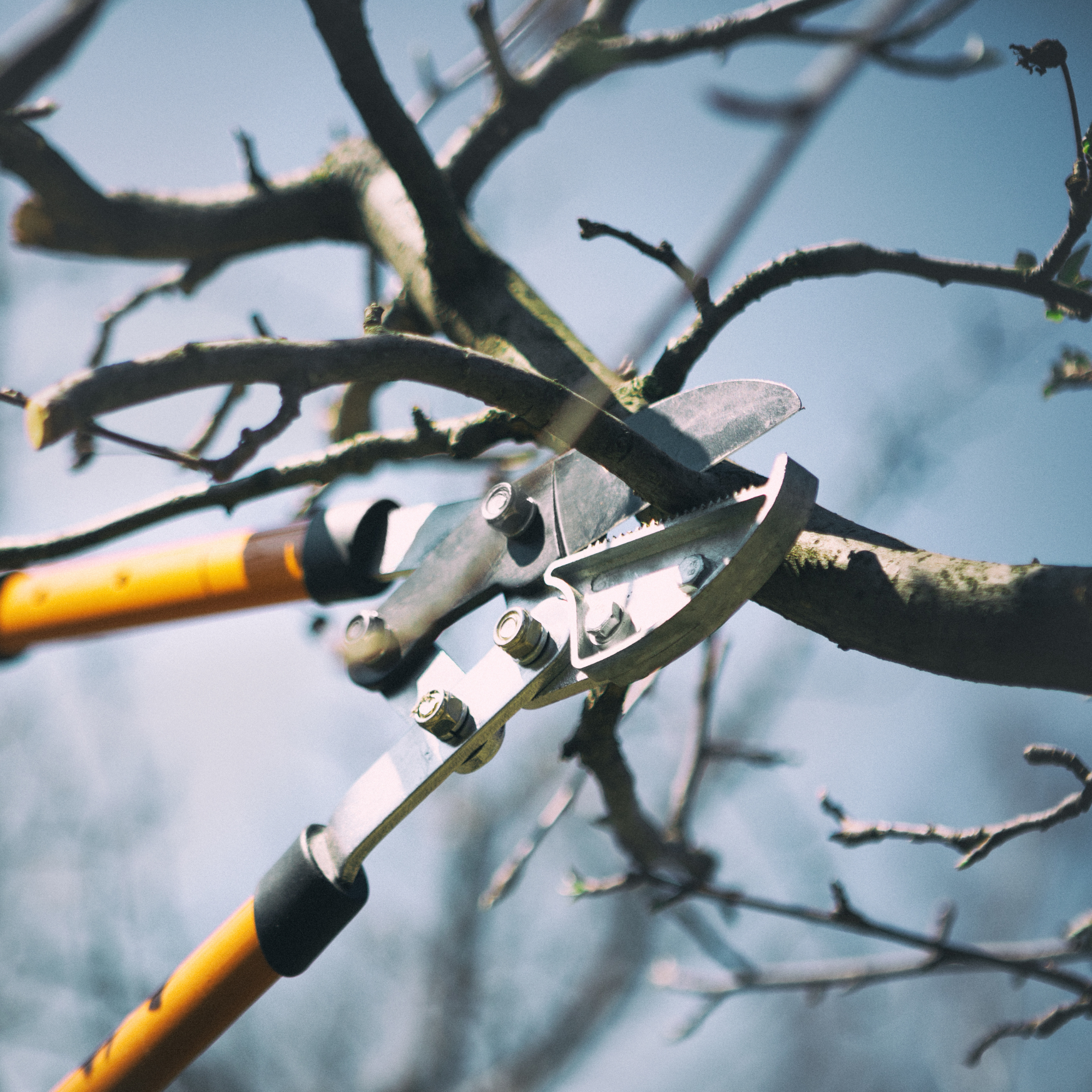
– Remove or prune infected roots: In some cases, carefully removing dead or significantly rotted roots is necessary to reduce pathogen spread and encourage new, healthy root growth. We follow strict sanitation protocols to prevent cross-contamination.
– Targeted, pathogen-specific treatments: When a specific root rot pathogen is identified, we may employ fungicidal or soil-applied treatments