




H1 Is Root Rot Damaging Your OKC Trees? Davis Family Arbor Can Help
Introduction
Root rot is a quiet threat that can compromise the health and longevity of your trees long before you notice obvious symptoms. In Oklahoma City (OKC) landscapes, where heat, humidity, and variable soil conditions meet, root rot can take hold and spread, stressing even mature trees. At Davis Family Arbor, we understand how to spot the early signs, diagnose the underlying causes, and implement a plan that protects your landscape investment. This article will walk you through what root rot is, how it develops in OKC, how professionals diagnose and treat it, and practical steps you can take to reduce risk and promote resilient, healthier trees.
H2 What is root rot and how it affects trees in OKC
Root rot refers to a group of diseases caused by soil-borne fungi and oomycetes that attack the roots of trees. When the root system is compromised, trees struggle to uptake water and nutrients, leading to a cascade of problems above ground. In OKC, root rot often takes advantage of compacted soil, poor drainage, overwatering in hot weather, or planting species that are less suited to local conditions. The visible symptoms may be subtle at first: leaf yellowing, reduced vigor, and a thinner canopy. As the infection progresses, you may see dieback at the tips of branches, stunted growth, or a tree that seems to wilt even with adequate water. These signs are not always easy to interpret, which is why a professional assessment becomes essential.
H2 Causes and common fungi in Oklahoma City landscapes
Understanding the culprits behind root rot helps homeowners prevent and address the problem effectively. Several pathogens are known to cause root rot in OKC, and they may act alone or in combination with stressed trees. Key players include:
– Phytophthora species, a water-loving pathogen that thrives in poorly drained soils and wet conditions.
– Pythium species, another water-affiliated organism that can attack newly planted or stressed trees.
– Armillaria species, which can cause crown and root rot and often accompanies other site stresses.
– Fusarium and Cylindrocladium species, which contribute to root decay in warmer, drought-prone periods when trees are stressed.
These pathogens exploit compromised root systems, compacted soils, and improper irrigation practices. The result is a cycle of declining root function and weakened tree health. For a precise diagnosis, an on-site evaluation by a certified arborist is essential, often complemented by lab analysis of soil and root samples.
H2 Signs to watch in your landscape
Early detection improves outcomes. Keep an eye out for:
– Wilting or drooping foliage during heat spells, despite adequate watering.
– Yellowing leaves, especially on the outer parts of the tree, with a thinning crown.
– Unexplained dieback or sparse canopy development in mature trees.
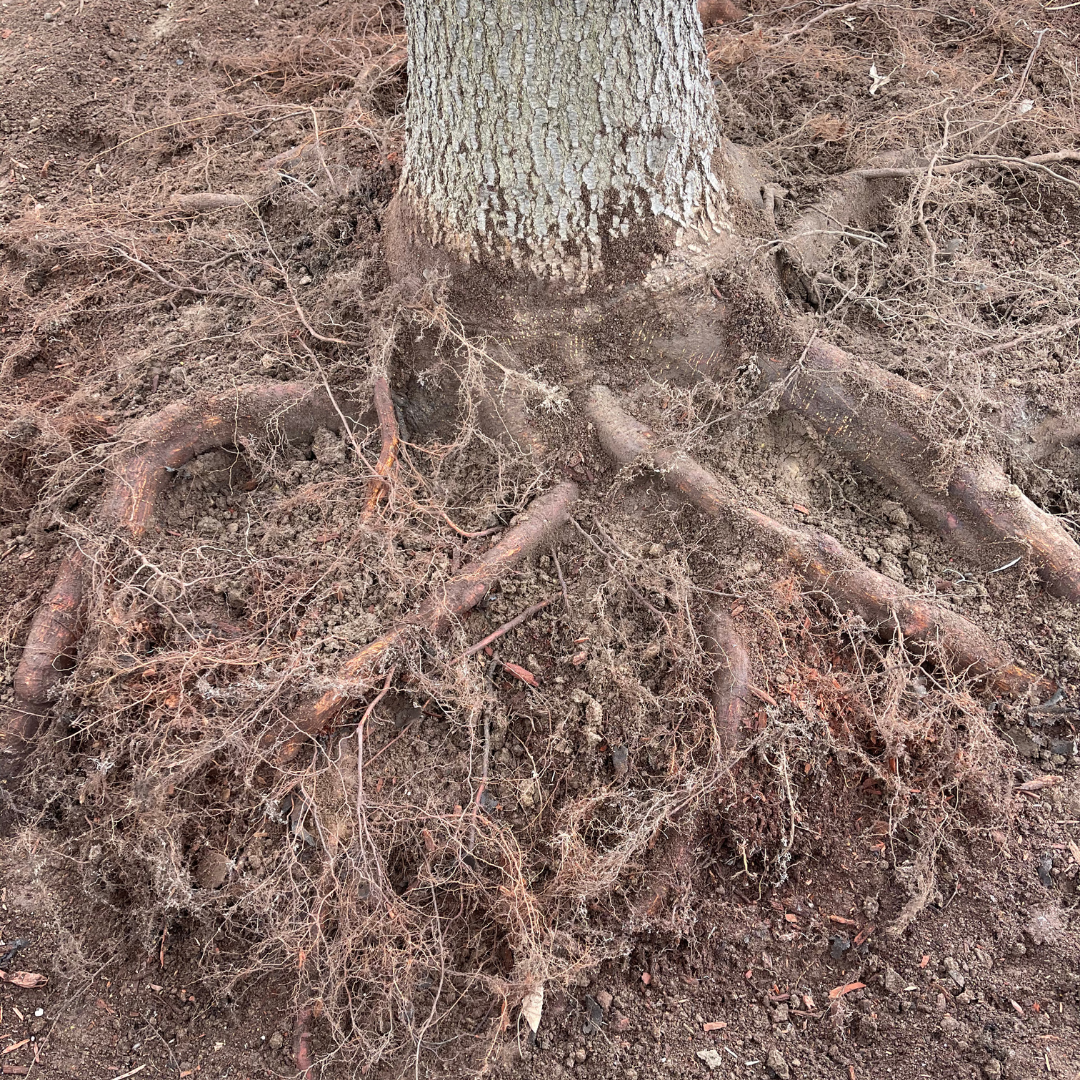
– Soft, rotting or discolored roots visible after digging or during root excavation projects.
– Fungal fruiting bodies at the soil line or on the base of the trunk, which can indicate certain pathogens.
– Soil that remains saturated after rainfall or irrigation, suggesting drainage issues.
If you notice several of these indicators, it’s time to seek a professional evaluation before the problem worsens. Our team at Davis Family Arbor can assess root health and map out a customized plan to protect your trees. For a comprehensive assessment, consider reviewing our Services page to understand the full scope of options we offer, including diagnostic services.
H2 Diagnosing root rot: What a certified arborist does
A precise diagnosis is the foundation of effective treatment. Our certified arborists in OKC follow a systematic approach:
– Visual inspection and health assessment: We look for crown decline, leaf discoloration, and structural changes that signal root stress.
– Soil and root sampling: We collect samples to evaluate moisture, texture, and the presence of pathogens.
– Lab testing: When necessary, samples are sent to a diagnostic lab to identify the specific pathogens involved.
– Drainage and soil analysis: We evaluate soil structure and drainage patterns to determine whether physical conditions are contributing to root decay.
– Treatment planning: Based on findings, we tailor a plan that may combine soil improvement, irrigation adjustments, targeted fungicides, pruning, and, if needed, a relocation or replacement strategy for severely compromised trees.
This process emphasizes accuracy and minimal disruption to your landscape. If you want to see how we approach tree health holistically, explore our comprehensive services and how they connect to root rot management.
H2 Treatment options for root rot in OKC
Root rot presents a challenge because many pathogens remain latent in the soil and can persist even after above-ground symptoms fade. A multi-pronged approach often yields the best results:
– Improve drainage and soil structure: Aerating compacted soils, amending with organic matter, and creating micro-sites that promote water movement away from the root zone help reduce conditions that favor pathogens.
– Water management: Deep, infrequent watering is generally more beneficial than frequent shallow watering. We tailor irrigation schedules to seasonal needs and soil type to avoid encouraging root rot.
– Mulching and soil surface care: A 2-3 inch mulch layer helps conserve moisture and regulate soil temperature, but it should be kept clear of the trunk to prevent moisture buildup at the base.
– Pruning and canopy management: Removing dead or heavily diseased wood reduces stress on the plant and improves airflow, which can slow disease progression and support recovery.
– Fungicidal treatments and soil drenches: In some cases, targeted fungicides or soil drenches may be recommended to reduce pathogen pressure or protect new root growth. The effectiveness depends on the specific pathogen and timing, which our arborists determine through diagnostic testing.
– Root zone reestablishment and replanting strategies: For severely affected trees, it may be necessary to support new root growth through root-zone interventions and, in select cases, replacement with a more suitable species.
– Ongoing monitoring: Root rot often requires long-term observation to ensure that treatments are working and that the tree is regaining vigor.
It’s important to note that while some interventions can stabilize a tree and improve health, root rot can be persistent. Our team will be candid about expected outcomes and provide a realistic plan for protection and recovery.
H2 Prevention strategies to minimize risk
Prevention is the most effective defense against root rot. Practical steps include:
– Choose species that are well-suited to OKC’s climate and soil characteristics, reducing stress that fosters infection.
– Improve soil drainage before planting, especially in low-lying areas where water tends to collect.
– Avoid soil compaction around the root zone by limiting heavy foot or vehicle traffic and using appropriate mulch and ground covers.
– Implement a consistent irrigation strategy matched to the plant’s needs and local weather conditions.
– Regularly inspect trees for early signs of decline, and address issues such as nutrient deficiencies that can weaken trees and make them more susceptible to root rot.
– Maintain proper mulch depth and keep mulch away from the trunk to prevent moisture buildup and pest issues.
– Schedule periodic professional assessments to detect issues before they escalate. If you’d like a proactive plan, our team can tailor a maintenance program that aligns with your landscape goals; you can learn more about how we work by exploring our About Us page and the services we provide.
H2 Davis Family Arbor: Your trusted team for root rot diagnosis and treatment in OKC
Davis Family Arbor brings licensed expertise and local knowledge to every root rot challenge. Our approach blends science, field experience, and a commitment to communication. We begin with a careful diagnosis, then present transparent options and timelines, so you know what to expect at every step. Our goal is simple: protect your trees’ health, preserve your landscape, and help you maintain property value.
We emphasize a full-service approach that connects diagnosis to actionable outcomes. For homeowners dealing with root rot, our services span from assessment and pruning to soil improvements, drainage solutions, and strategic tree trimming or removal when necessary. If you’re curious about the full spectrum of care we offer, our Services page provides a detailed overview. When a tree cannot be saved, we provide responsible tree removal services to minimize risk and preserve safety on your property. You can learn more about our tree removal capabilities on our dedicated page, and our team is ready to coordinate on-site work efficiently. For background on our company and philosophy, you may wish to visit our About Us page to understand the people behind the process. Ready to discuss a plan tailored to your landscape? Contact us to schedule a consultation or request a free estimate.
H3 Quick action steps you can take now
– Observe and document symptoms: Note when symptoms started, recent weather, irrigation changes, and any physical changes to the tree.
– Check drainage and soil moisture: Look for standing water after rain and assess whether the root zone remains overly wet.
– Review irrigation practices: Ensure you are not overwatering or creating damp, dense soil around the root zone.
– Schedule a professional assessment: Early involvement from a certified arborist can prevent further decline. For immediate guidance, contact us and we will outline the next steps.
– Consider service options: If you’re exploring how to address root rot and improve overall tree health, review our tree care services to see how a comprehensive plan could apply to your landscape.
H2 When to seek immediate professional help
Root rot symptoms can escalate quickly, particularly in our Oklahoma climate. If you notice rapid canopy decline, sudden wilting during cooler periods, or visible root decay when roots are exposed, it is important to engage a professional promptly. Delays can lead to irreversible decline in some cases. Our team is equipped to respond quickly, perform thorough diagnostics, and begin a treatment program designed for your specific trees and site. We also offer a streamlined process to coordinate with you on scheduling and access, including an outline of what to expect during the initial visit.
H2 Real-world insights: success through professional root rot management
While each landscape is unique, many OKC properties benefit from a structured root rot management plan. By combining precise diagnosis, soil conditioning, drainage improvements, and targeted care, trees that were once under threat can regain vigor. Our clients frequently report improvements in leaf color, growth