




Crepe myrtles bring vibrant color to landscapes when the season heats up, but understanding the crepe myrtle blooming time is key to planning planting, pruning, and maintenance. Whether you’re refreshing a residential yard or managing a larger property, knowing when these graceful trees will burst with blossoms helps you get the most from every season. In this guide from Davis Family Arbor, you’ll learn the factors that influence the crepe myrtle blooming time, practical steps to encourage abundant blooms, and how to work with professional arborists to keep your trees healthy year-round.
Understanding crepe myrtle blooming time
Crepe myrtles are a staple of warm-season landscapes, and their blooming time can vary based on climate, cultivar, and care. In typical hot regions, crepe myrtles begin to bloom in late spring and can continue flowering into early fall. In cooler areas, the crepe myrtle blooming time may start later in the season and finish sooner. Some years show a longer display, while other years may produce a shorter window of color due to weather patterns, rainfall, and soil conditions.
The crepe myrtle blooming time is closely tied to how the plant puts on new growth. Because many cultivars bloom on the new growth of the season, the vigor of the spring flush often predicts the vigor and length of the bloom period. When new shoots emerge vigorously, a robust and extended display is likely. If growth is slow, if the plant is stressed, or if buds are damaged by late frosts, the bloom window can shorten. This is why a thoughtful approach to pruning, feeding, and watering during late winter and early spring matters for the occurrence and duration of blooms.
Key factors that shape the crepe myrtle blooming time
– Climate and regional conditions: Temperature patterns, humidity, and seasonal rainfall shape when buds form and when blossoms appear. In coastal or humid zones, heat and moisture often encourage a prolific bloom window, while unseasonal cold snaps can delay or reduce flowering.
– Plant age and establishment: Younger plants may take a season or two to settle in before producing their first substantial bloom. As crepe myrtles mature, the bloom potential tends to increase.
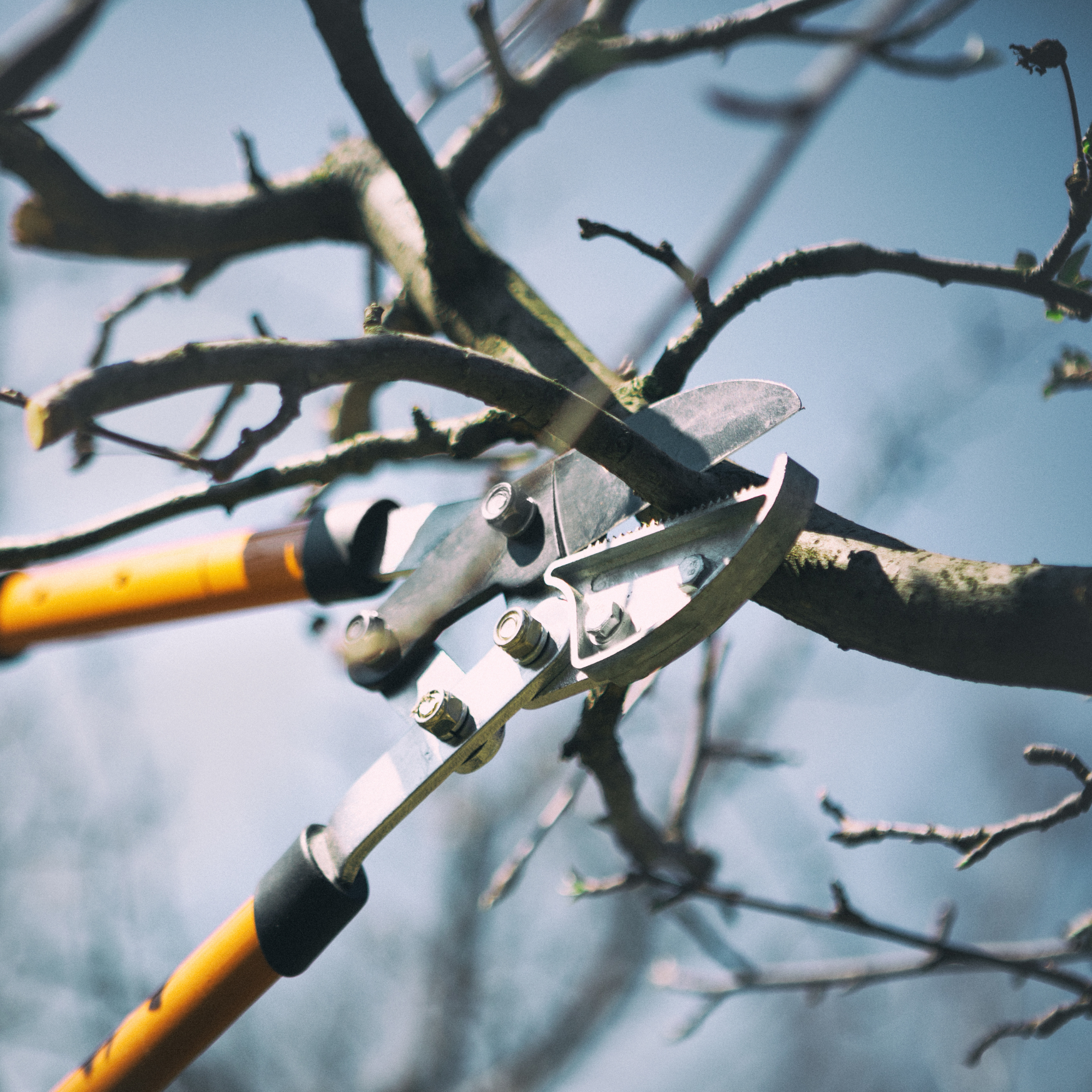
– Pruning timing and technique: Pruning can influence the number of blooms you see in a season. Correct timing—typically late winter to early spring—helps preserve buds for the current year. Pruning at the wrong time or performing heavy pruning can remove next year’s buds, shortening the crepe myrtle blooming time in the upcoming cycle.
– Sun exposure: Full sun is a major driver of robust blooming. Plants that receive ample sunlight compound year after year to produce brighter color and longer bloom durations.
– Soil, water, and nutrition: Well-drained soil and steady moisture support strong growth and bloom production. Excess nitrogen or inconsistent watering can lead to lush foliage with fewer flowers.
– Varietal differences: Different cultivars have distinct bloom times and durations. Some varieties tend to start blooming earlier in the season, while others offer a later and potentially longer display.
Maximizing the crepe myrtle blooming time: practical care tips
– Prioritize full sun and soil drainage: Plant crepe myrtles where they will receive at least six hours of direct sun daily and in soil that drains well. Poor drainage or overly wet soils can stress the tree and reduce bloom production.
– Prune at the right moment: Plan to prune during late winter or very early spring before new growth begins. Avoid heavy pruning in late spring or summer, as this can remove current year’s flower buds and shorten the crepe myrtle blooming time.
– Practice smart fertilization: Use a balanced, slow-release fertilizer in early spring if your soil test indicates a nutrient deficiency. Avoid high-nitrogen fertilizers that promote foliage growth at the expense of flowers. An arborist can provide a soil analysis and tailored feeding plan so your crepe myrtles bloom to their full potential.
– Water deeply and consistently: During dry spells, provide deep, infrequent irrigation rather than frequent shallow watering. Deep watering encourages a strong root system, which in turn supports healthier and longer blooming cycles.
– Mulch for moisture and temperature regulation: A mulch layer around the base of the tree helps conserve moisture, stabilize soil temperature, and reduce weeds that compete for water and nutrients.
– Monitor pests and diseases: Powdery mildew, aphids, and other pests can stress trees and affect bloom quality. Early detection and appropriate treatment help protect both the tree’s health and its ability to bloom.
– Manage pruning method, not just timing: When pruning, aim to remove only dead or crossing branches and to maintain a balanced structure. This approach preserves energy for flowering and helps ensure the crepe myrtle blooming time remains strong year after year.
– Consider cultivar selection: If you’re planting new crepe myrtles or replacing older ones, work with a local arborist to choose cultivars that align with your climate and desired bloom window. They can help you select varieties that will yield the most reliable crepe myrtle blooming time for your site.
A practical month-by-month guide to the crepe myrtle blooming time
– Late winter to early spring: This is the prime window for pruning in many regions. Inspect the tree for dead wood, crossing limbs, and overall structure. Light pruning can improve airflow and sun exposure, which supports stronger blooms later in the season.
– Early spring to late spring: Buds begin to form and set the stage for the crepe myrtle blooming time. If you notice poor growth or nutrient deficiency, consult an arborist about soil amendments to boost bloom potential.
– Mid to late spring: Flower buds start to open in many warm-climate areas. Continue consistent irrigation and monitor for heat stress as temperatures rise.
– Summer peak: The bulk of blooms appear. Regular maintenance, watering during dry periods, and keeping the tree free of competing vegetation enhances bloom quality and duration.
– Late summer to early fall: Some cultivars still show color as the season winds down. If you strive for a longer crepe myrtle blooming time, choose late-blooming varieties and maintain consistent care to maximize ongoing flowering.
– Fall to winter: After the bloom cycle, focus on preparing the tree for the next season—clean up spent flowers, check for pests, and plan any structural pruning using the insights gained from this year’s bloom performance.
Common mistakes that can shorten the crepe myrtle blooming time
– Pruning at the wrong time: Pruning after mid-summer can remove next year’s buds and reduce the crepe myrtle blooming time in the following season.
– Over-fertilizing: Excess nitrogen encourages leafy growth rather than flowering, which can diminish bloom density and length.
– Planting in shade: Inadequate sun shortens the bloom window and dulls flower color.
– Neglecting pest management: Unchecked pests or disease stress the tree and hinder bloom production.
– Inconsistent watering: Fluctuating moisture levels can affect bud formation and bloom reliability.
Choosing the right crepe myrtle variety for your climate and site
– Hot, sunny sites with well-drained soil often yield the most reliable crepe myrtle blooming time across a long season. For these conditions, consider cultivars known for robust flowering and good heat tolerance.
– Cooler regions with shorter warm seasons still benefit from sun-rich locations and careful pruning to promote strong bud formation.
– A local arborist can help you align cultivar selection with your particular climate, soil type