



Introduction
If you own a Bradford pear tree, you’re not alone in weighing the health, safety, and aesthetic value it adds to your property. Yet this popular landscape staple also comes with a set of well-documented challenges that can surprise homeowners. In many cases, removing a Bradford pear tree is the healthiest option for trees and people alike. At Davis Family Arbor, our certified arborists specialize in evaluating tree health, preserving landscape value, and delivering safe, professional removal or pruning when the situation calls for it. This article will help you understand when removal is the best choice, what to expect during the process, and practical alternatives that protect your yard and your investment.
Understanding the Bradford Pear Tree: Health Risks and Decline
The Bradford pear tree has earned a place in many yards for its early spring bloom and dense canopy. However, its popularity is tempered by several persistent health and structural issues that can compromise long-term vitality and safety. By recognizing common signs of decline, you can decide whether removal or a targeted pruning plan is the smarter course.
Common health and structural concerns to watch for:
– Structural weakness: Bradford pear trees are known for their rigid branching pattern and tendency toward narrow, V-shaped crotches. Over time, this can lead to weakly attached limbs that are prone to splitting, especially during storms or heavy winds.
– Disease susceptibility: This species is more prone to certain diseases, including fire blight and pear scab, which can spread through the canopy and reduce vigor. Infected branches often show discolored foliage, lesions, or stunted growth.
– Declining vigor: If a Bradford pear tree stops producing healthy leaves, experiences dieback, or shows uneven growth, it may be signaling systemic stress or root problems that are not easily remedied with pruning alone.
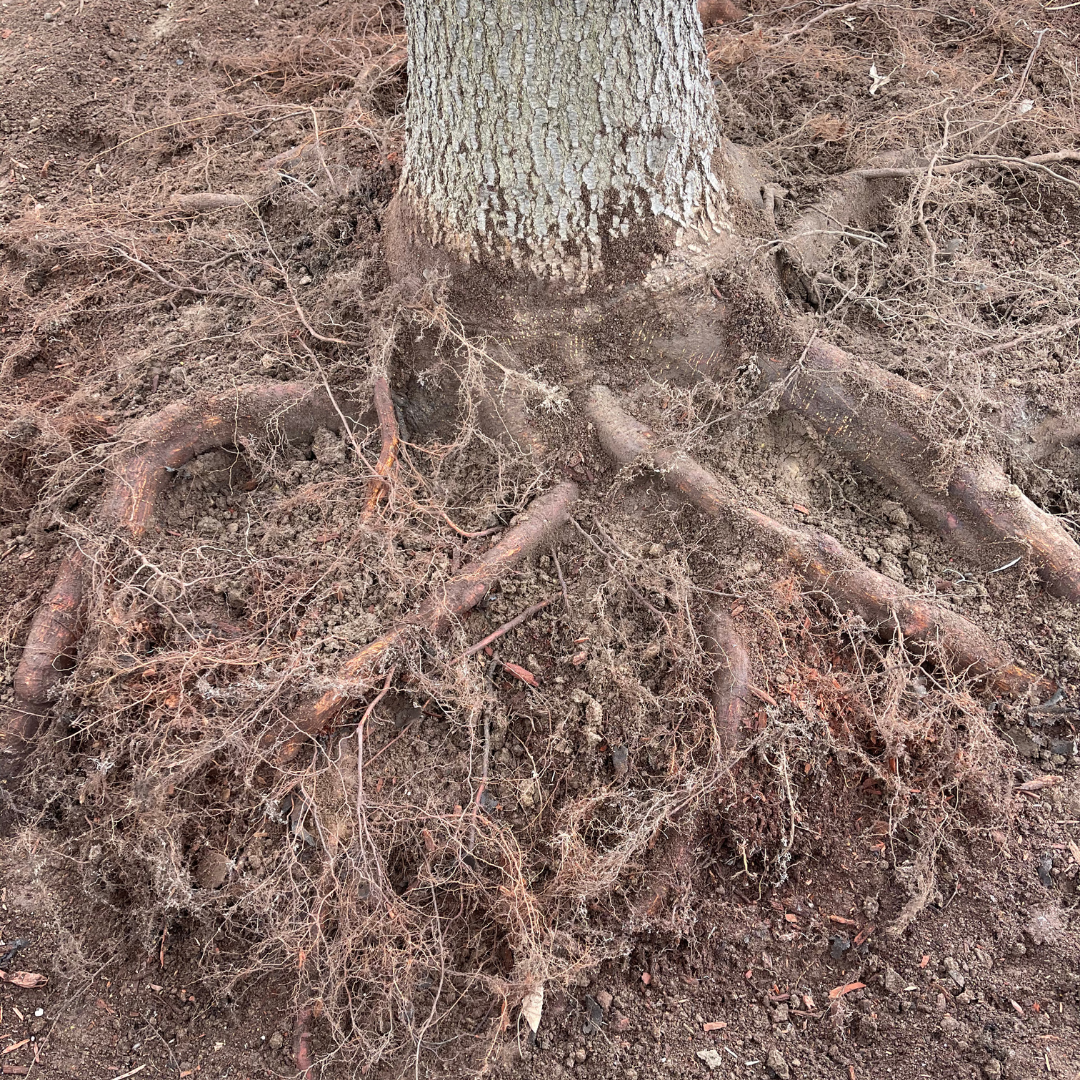
– Invasive or disruptive root systems: Some Bradford pear trees have root systems that can disrupt sidewalks, driveways, or underground utilities. In severe cases, root issues can undermine stability and health.
– Poor branching structure: The tree’s tendency toward dense canopies with few strong branch attachments makes it more susceptible to wind breakage and costly liabilities.
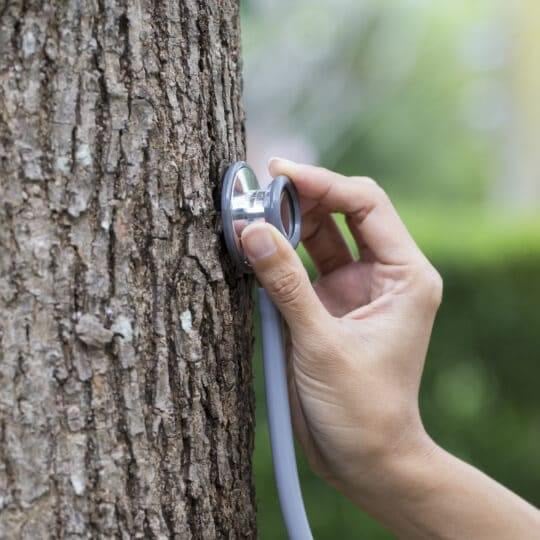
If you notice multiple warning signs, a professional assessment is essential. Our team at Davis Family Arbor begins with a thorough health evaluation to determine whether preservation through pruning is feasible or whether removal is the safest option for your landscape and your property.
When removal is the healthiest option for a Bradford pear tree
There are times when removing a Bradford pear tree is the most responsible choice for safety, functionality, and landscape health. Here are clear indicators that removal should be seriously considered:
– Recurrent limb breakage and failure: If large limbs continue to fail despite careful pruning and support, the risk to people and property may outweigh the benefits of keeping the tree.
– Extensive disease or pest pressure: When disease or pests threaten to spread to nearby trees or to compromise limb integrity, removal of the infected tree is often the safest path.
– Severe structural defects: A tree with multiple poor crotches, weak wood, or a heavy canopy that cannot be safely supported is a candidate for removal.
– Root damage to structures: If roots have already displaced sidewalks, driveways, or underground utilities, continued growth may worsen the problem and lead to costly repairs.
– Diminished landscape value: A Bradford pear that continually loses vigor or poses ongoing maintenance challenges may reduce curb appeal and property value more than it preserves them.
If you’re unsure whether removal is necessary, schedule an on-site assessment with our team. We will provide an honest, data-driven recommendation based on the tree’s current health, structural condition, and your landscape goals. To start, learn more about our professional [tree removal services](/tree-removal) and how we approach safety and compliance on every job.
Pruning versus removal: Making the right choice for your Bradford pear tree
Pruning can help manage some Bradford pear issues, but it is not a cure-all. The decision to prune or remove depends on goals, risk tolerance, and long-term landscape plans. Here’s a practical guide to deciding between pruning and removal:
– Goals and capabilities: If you want to maintain a defined canopy and reduce risk without removing the tree, pruning can be a viable option when structural issues are modest and the tree remains vigorous.
– Risk assessment: If there is a consistent pattern of limb failure or the tree’s structural integrity is compromised, removal reduces the likelihood of damage or injury.
– Disease control: When disease threatens adjacent trees and cannot be contained through pruning alone, removal helps protect the broader landscape.
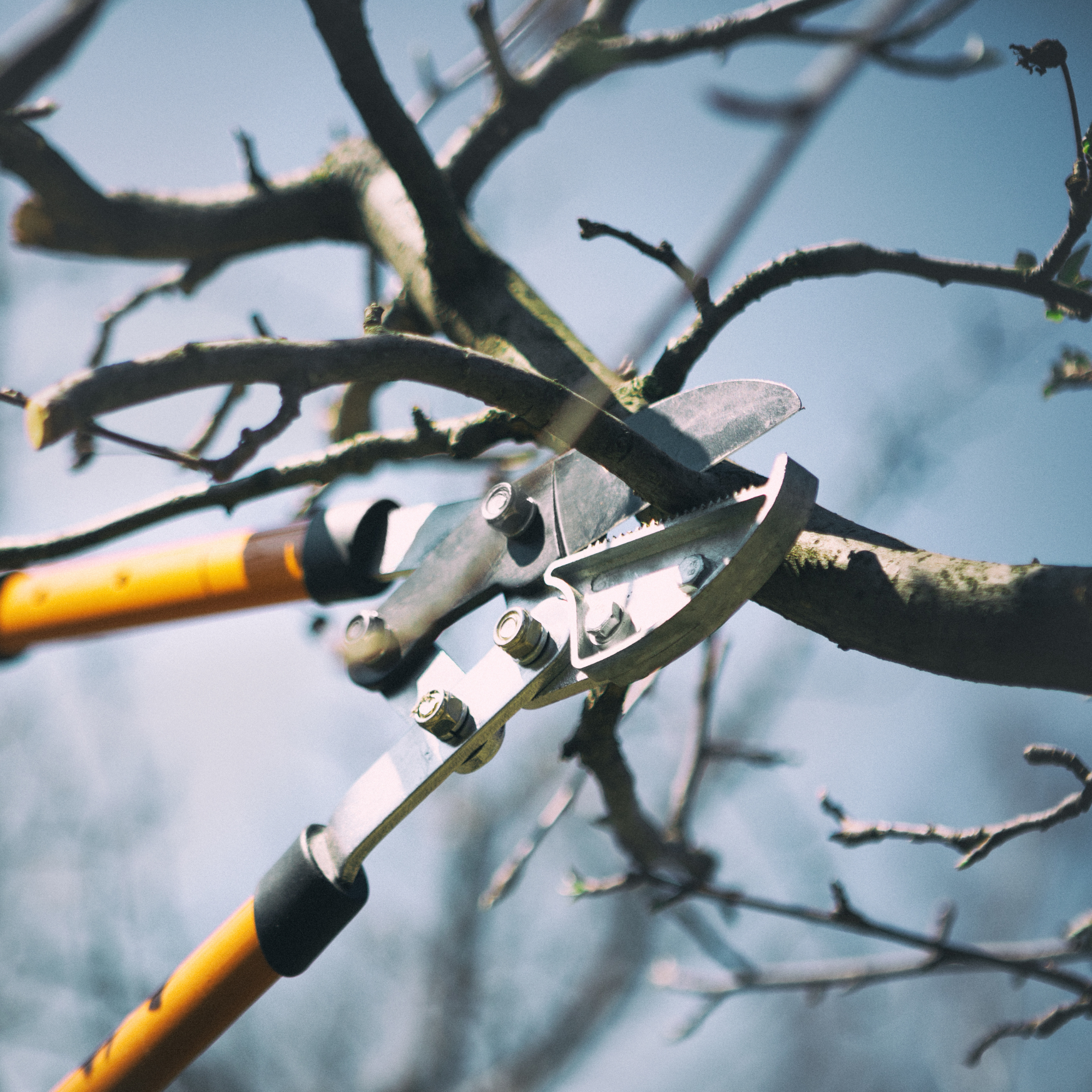
If pruning is appropriate, our specialists will craft a tailored plan that prioritizes tree health, structural balance, and safety. For a broader approach that considers future planting, you can explore our [tree trimming](/tree-trimming) services to maintain form and vigor in your landscape.
The removal process: What to expect when you work with Davis Family Arbor
Removing a Bradford pear tree is a multi-step process designed to maximize safety, minimize disruption, and ensure a clean site for future planting. Here’s how our team approaches removal from start to finish:
– Initial assessment: A certified arborist visits your property to confirm health concerns, evaluate structural risk, and map a plan that protects people, pets, and property.
– Permitting and compliance: We handle permits and local regulations as needed, ensuring a smooth process with minimal hassle for you.
– Site preparation: We’ll plan the work zone, discuss access routes, and take steps to protect lawns, landscaping, and hardscapes.
– Safe removal steps: Depending on size and location, the tree is carefully dismantled using professional equipment, with attention to minimizing soil disturbance and protecting nearby assets.
– Stump grinding or removal: If you want a clean site for new planting, we offer stump grinding and grinding debris removal as part of our comprehensive service.
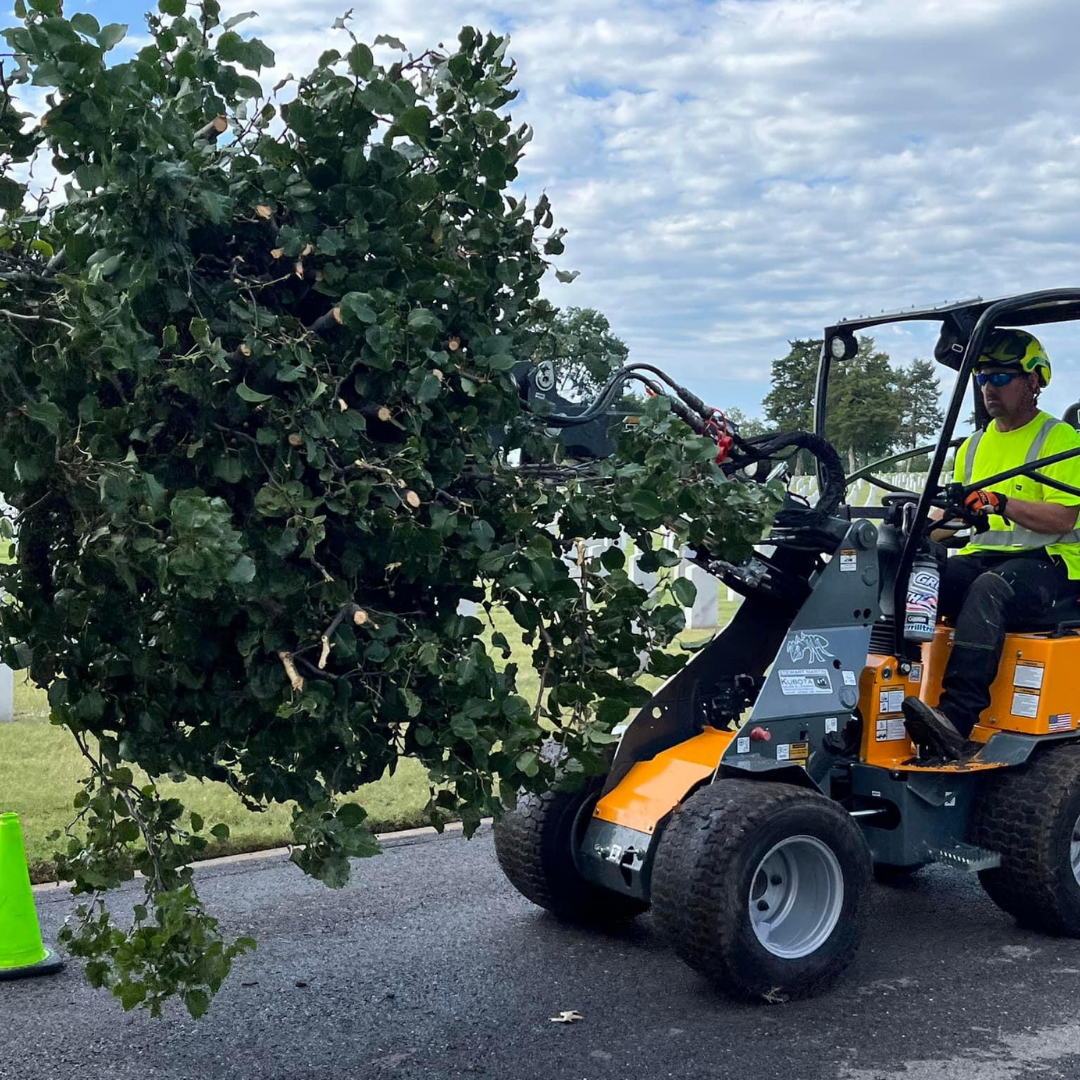
– Debris management and site recovery: We remove branches, chips, and wood, and restore the site with a plan for re-planting or landscaping as desired.
– Aftercare recommendations: We provide guidance on soil health, mulching, and selecting a replacement species that aligns with your goals and climate.
Our team emphasizes safety and efficiency throughout the removal process. If you’re considering removal, you can review our general approach to tree care and removal on our site and learn more about how we help customers maintain healthy landscapes.
Replacing a Bradford pear: Thoughtful options for a thriving landscape
After removal, choosing the right replacement tree can restore beauty and curb appeal while delivering long-term resilience. When selecting a Bradford pear alternative, consider native or well-adapted species that offer disease resistance, robust structure, and suitable canopy. Some friendly, reliable options include:
– Flowering dogwood (Cornus florida): A classic spring bloomer with strong form and seasonal interest.
– Eastern redbud (Cercis canadensis): A smaller, graceful option with striking blooms and a broad canopy.
– Serviceberry (Amelanchier spp.): Early flowering, multi-season interest, and good wildlife value.
– Red maple (Acer rubrum): Vascularly sturdy with vibrant fall color and adaptable habit.
– River birch (Betula nigra): A sturdy, fast-growing option with attractive bark.
Our arborists can help you select a replacement that fits your soil, sun exposure, and landscape goals. To explore options and get personalized recommendations, schedule a consultation through our [services page](/services), or view our [tree removal](/tree-removal) and [tree trimming](/tree-trimming) offerings to plan a cohesive care strategy for your property.
Why Davis Family Arbor is the right partner for Bradford pear tree decisions
Choosing the right arborist is essential when dealing with Bradford pear trees or any tree that could impact safety and home values. Here are reasons homeowners trust Davis Family Arbor with their most important trees:
– Local expertise: As a locally owned company, we understand the climate, soil, and pests that affect trees in your neighborhood. Our team provides context-rich recommendations tailored to your property.
– Certified professionals: Our arborists are trained and certified to perform health assessments, pruning, and removal with the utmost safety and precision.
– Transparent processes: We explain every step, from assessment to cleanup, so you know what to expect and can plan accordingly.
– Safety-first approach: We prioritize safety for workers, clients, and landscapes, using proper equipment and best practices on every job.
– Comprehensive services: From initial evaluation to replacement tree planting, we offer a full suite of services, including [tree removal](/tree-removal), [tree trimming](/tree-trimming), and ongoing maintenance.
If you’re ready to discuss your Bradford pear tree’s health or need a no-obligation quote, contact us. Learn more about our approach to tree care on our [About Us](/about-us) page, or reach out via our [Contact](/contact) form to start a conversation about your yard’s future.
Preparing for your consultation: What to expect
To get the most accurate assessment and a precise quote, prepare for your visit with these practical steps:
– Document symptoms: Note when you first observed decline, photos of symptoms, and any recent weather events that may have affected the tree.
– Identify surroundings: Mark nearby structures, sidewalks, foundations, and other trees to help the arborist plan safe access and evaluate potential risk.
– Clarify goals: Decide whether you prioritize preserving the Bradford pear tree (if feasible) or committing to removal and replacement for long-term health and landscape value.
– Schedule flexibility: Allow time for a thorough inspection; complex situations may require a follow-up visit for final determinations.
During the visit, our arborist will perform a visual health assessment, check structural integrity, evaluate root systems, and discuss treatment or removal options. You’ll receive a clear recommendation with a plan that aligns with your goals and budget, along with a transparent estimate.
Frequently asked questions about Bradford pear trees and removal
– Can a Bradford pear tree be saved through aggressive pruning? While some trees may benefit from pruning, many Bradford pear trees with structural flaws or severe disease are better candidates for removal to prevent safety hazards and ongoing maintenance costs.
– What happens to the wood after removal? We recycle suitable wood where possible and responsibly dispose of waste. If you need wood for mulch or other uses, we can discuss options during the project planning stage.
– How long does removal typically take? A straightforward removal for a single tree may take a few hours, depending on accessibility and size. Large or multiple trees may require more time and staged work.
– Will there be damage to the lawn or garden beds? Our team uses protective measures to minimize disruption and perform clean site restoration after removal or pruning.
– How soon can I plant a replacement tree? Depending on soil conditions and site preparation, most homeowners can plant a replacement within weeks of removal. Our team can guide you on the best timing and species choice.
Conclusion: Make a decision that protects safety, health, and landscape value
A Bradford pear tree can be a striking feature, but the combination of structural weaknesses and disease susceptibility often makes removal the healthiest choice for long-term safety and landscape health. Davis Family Arbor provides comprehensive, safety-focused removal and pruning services delivered by certified arborists who understand what your yard needs. Whether you choose removal or opt for targeted pruning and maintenance, you deserve someone who communicates clearly, works efficiently, and respects your property.
If you’re ready to move forward, contact Davis Family Arbor to schedule a professional assessment and receive a free quote. Our team will review your Bradford pear tree’s condition, explore replacement options, and outline a plan that fits your goals and budget. To get started, you can explore our [services](/services) or reach out directly through our [contact page](/contact). We’re here to help you protect your home, reduce risk, and keep your landscape thriving for years to come.