




H2 Understanding poisonous trees and why they threaten your family
Poisonous trees in residential landscapes pose hidden dangers that many homeowners unknowingly invite into their everyday routines. From curious kids and pets exploring the yard to routine outdoor activities, the presence of poisonous trees can turn a safe outdoor space into a risk zone. This is not just about dramatic toxins in the tree’s sap or berries; it’s about reducing exposure to your family through smart management, timely pruning, and, when necessary, professional removal. By understanding what makes a tree poisonous and how exposure can occur, you can take proactive steps to protect your home and loved ones.
Poisonous trees can affect people and animals through several pathways. Some trees harbor toxins in leaves, seeds, or sap that can irritate skin or eyes on contact. Others bear berries or fruits that are attractive to children and pets but dangerous if ingested. In some species, the toxin is most potent in certain seasons or parts of the plant. Regardless of the form, the risk increases when trees are within reach of children, when branches overhang high-traffic play areas, or when trees are located near patios, driveways, or play structures.
The key to mitigating risk is a combination of awareness, regular inspection, and thoughtful maintenance. This means recognizing symptoms of exposure, watching for warning signs such as rapidly growing berries that look out of place, and knowing when to seek professional help. Davis Family Arbor specializes in health-focused care for hazardous trees, and we’re here to guide you through quick identifications, safe pruning practices, and, if needed, removal with safety as the priority.
H2 Signs your yard may have poisonous trees and what to do about them
Early detection is critical when it comes to poisonous trees. Here are practical signs to watch for and actions to take:
H3 Visible indicators of potential risk
– Unusual growth patterns: trees that look stressed, with thinning crowns, deadwood, or abnormal bark features can indicate underlying problems that heighten risk.
– Excessive fruiting or berry production: an unusual abundance of berries can attract children and pets, creating opportunities for ingestion.
– Sap or resin exudation: certain trees release sticky sap that can irritate skin on contact.
H3 Behavioral indicators from people and pets
– Skin irritation after outdoor play: itching, redness, or rash following time in the yard can point to contact with a poisonous tree.
– Excessive barking, drooling, or stomach upset after outdoor exposure: animals may react to toxins or a tree’s sap or fruits.
– Coughing, sneezing, or wheezing after nearby pruning or branch work: some trees release compounds that irritate the respiratory system.
H3 Practical steps if you spot risk
– Avoid contact: keep children and pets away from the tree and its fruit until a professional assessment is complete.
– Document and observe: note the tree’s location, overhanging areas, and any observed changes in its health or fruiting patterns.
– Schedule a professional evaluation: contact a licensed arborist who can assess toxicity risks and propose a safe plan. For comprehensive support, explore our Services page to learn about Tree Removal and Tree Trimming options and how they can fit your situation (https://davisfamilyarbor.com/services).
H2 Safe handling and removal options for poisonous trees
H3 Why professional involvement matters
Handling poisonous trees without the right knowledge and equipment can expose your family to toxins and physical hazards. The correct approach depends on species, location, and proximity to people and structures. A certified arborist brings training in identifying toxic parts, using proper PPE, and executing removal or pruning with minimal risk.
H3 Practical steps for safer pruning and removal
– Schedule regular maintenance: routine pruning reduces overhangs, minimizes contact points, and curtails the chance of branches falling near play areas or walkways.
– Use approved protective gear: gloves, eye protection, long sleeves, and footwear designed for outdoor work help reduce exposure to sap and irritants.
– Plan for safe disposal: certain toxic materials require careful handling during disposal to prevent secondary exposure.
H3 Davis Family Arbor approach to poisonous trees
Davis Family Arbor emphasizes a health-focused, safety-first approach to hazardous trees. Our certified arborists assess each tree’s condition, identify poisonous components, and design a plan that minimizes exposure while preserving landscape value whenever possible. If removal is the safest option, we execute it with meticulous care to protect your property and your family’s health. For removal and pruning tailored to risky trees, consider our Tree Removal and Tree Trimming services as part of a comprehensive care plan (https://davisfamilyarbor.com/tree-removal, https://davisfamilyarbor.com/tree-trimming).
H2 The step-by-step process we use for addressing poisonous trees
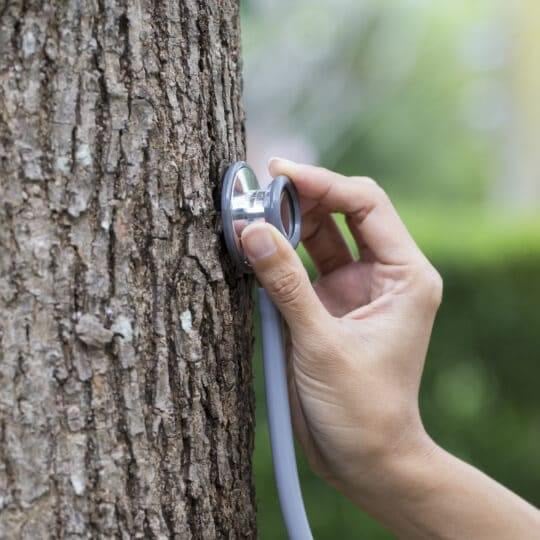
H3 Step 1: Comprehensive evaluation and risk assessment
– A thorough inspection of the tree’s health, location, and potential exposure points.
– Identification of any poisonous components and the level of associated risk.
– A safety-focused plan that prioritizes minimizing disturbance to your yard and your family.
H3 Step 2: Planning and communication
– Clear documentation of recommended actions, whether pruning, thinning, or removal.
– Transparent cost estimates and timelines, with a focus on minimizing disruption to daily life.
– Coordination with you to choose the best course of action, balancing safety and landscape goals.
H3 Step 3: Implementation with safety as the priority
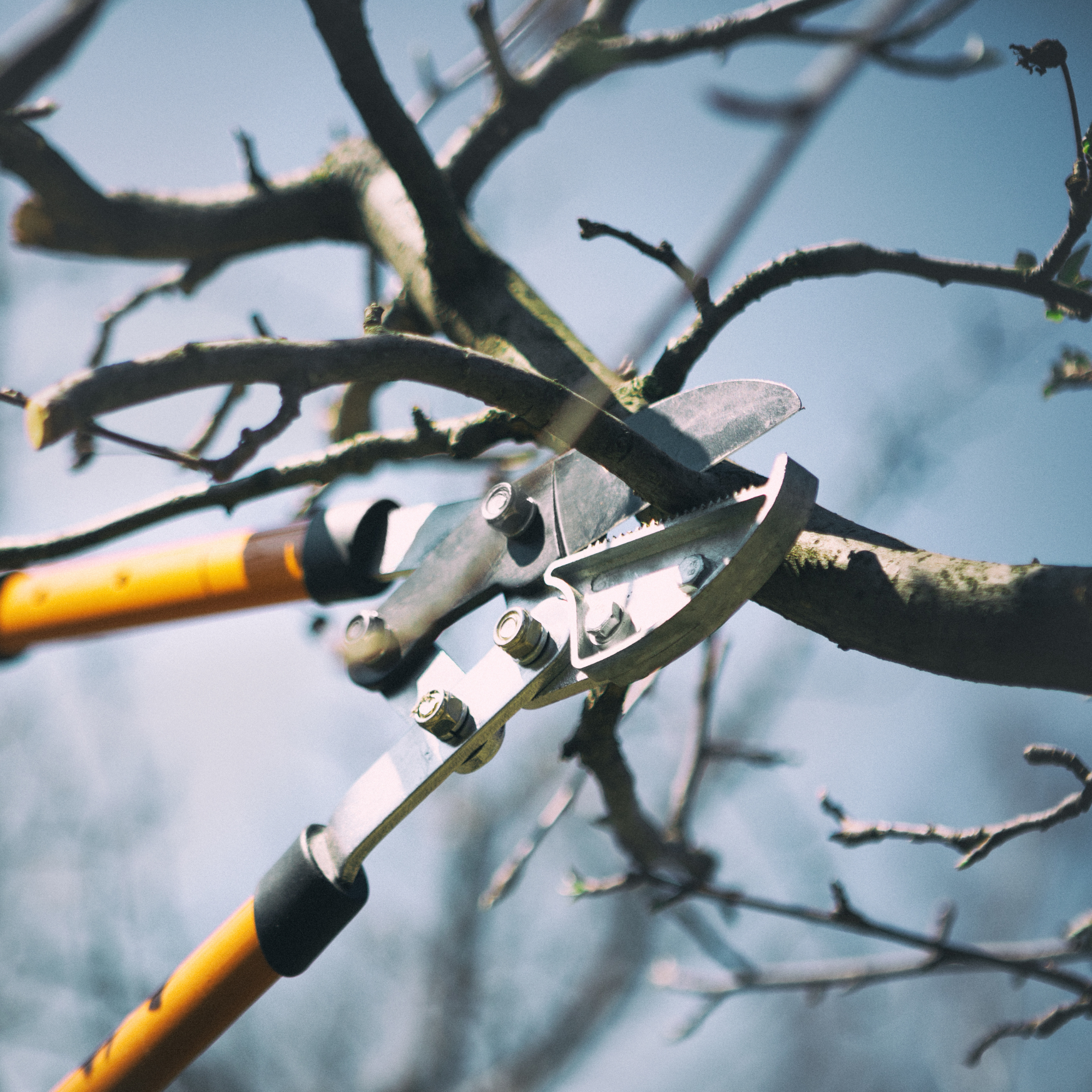
– Pruning or thinning to reduce exposure while maintaining tree health and aesthetic value when possible.
– Safe removal if pruning can’t mitigate the risk or if the tree is structurally compromised.
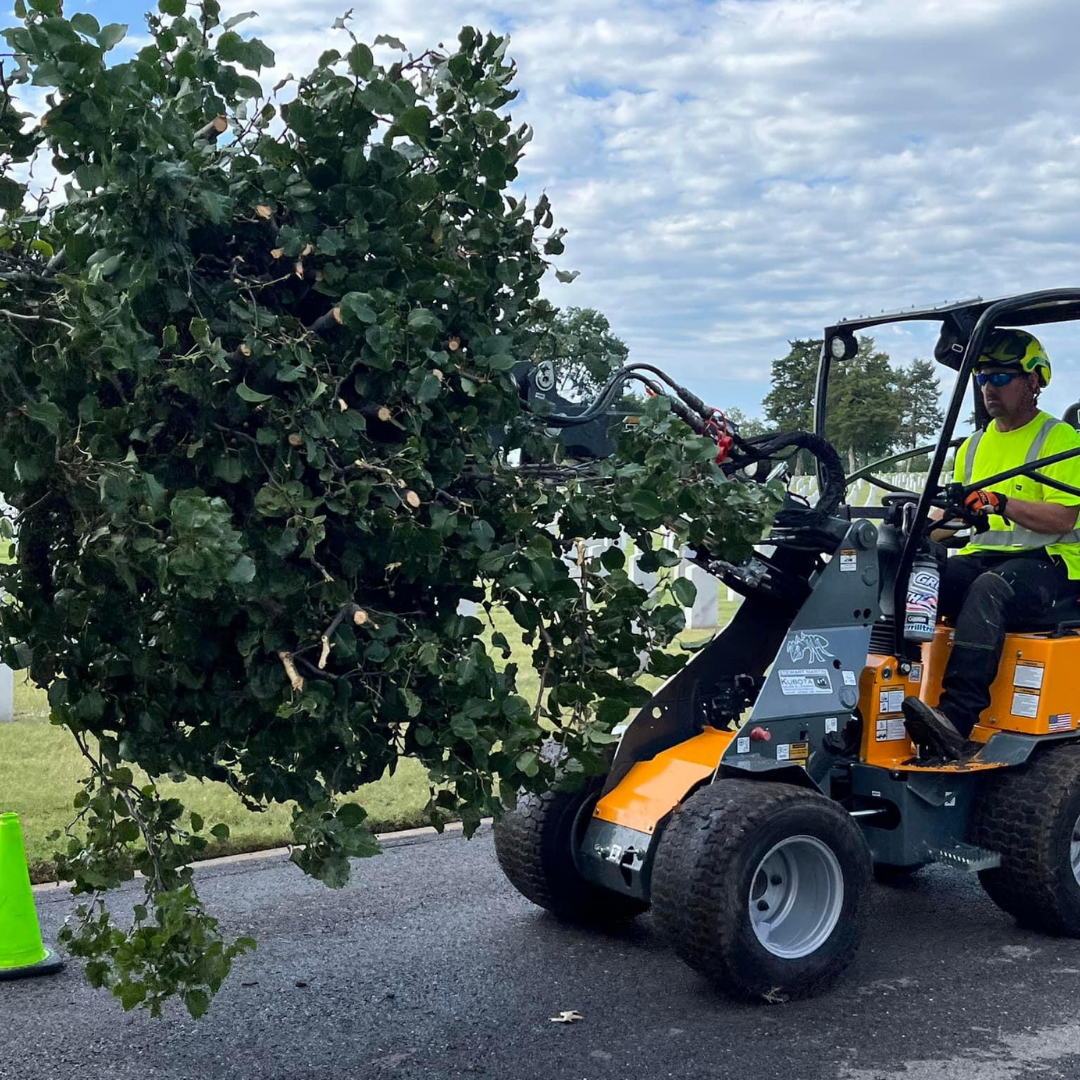
– Proper disposal of materials to avoid secondary exposure in your yard.
H3 Step 4: Aftercare and monitoring
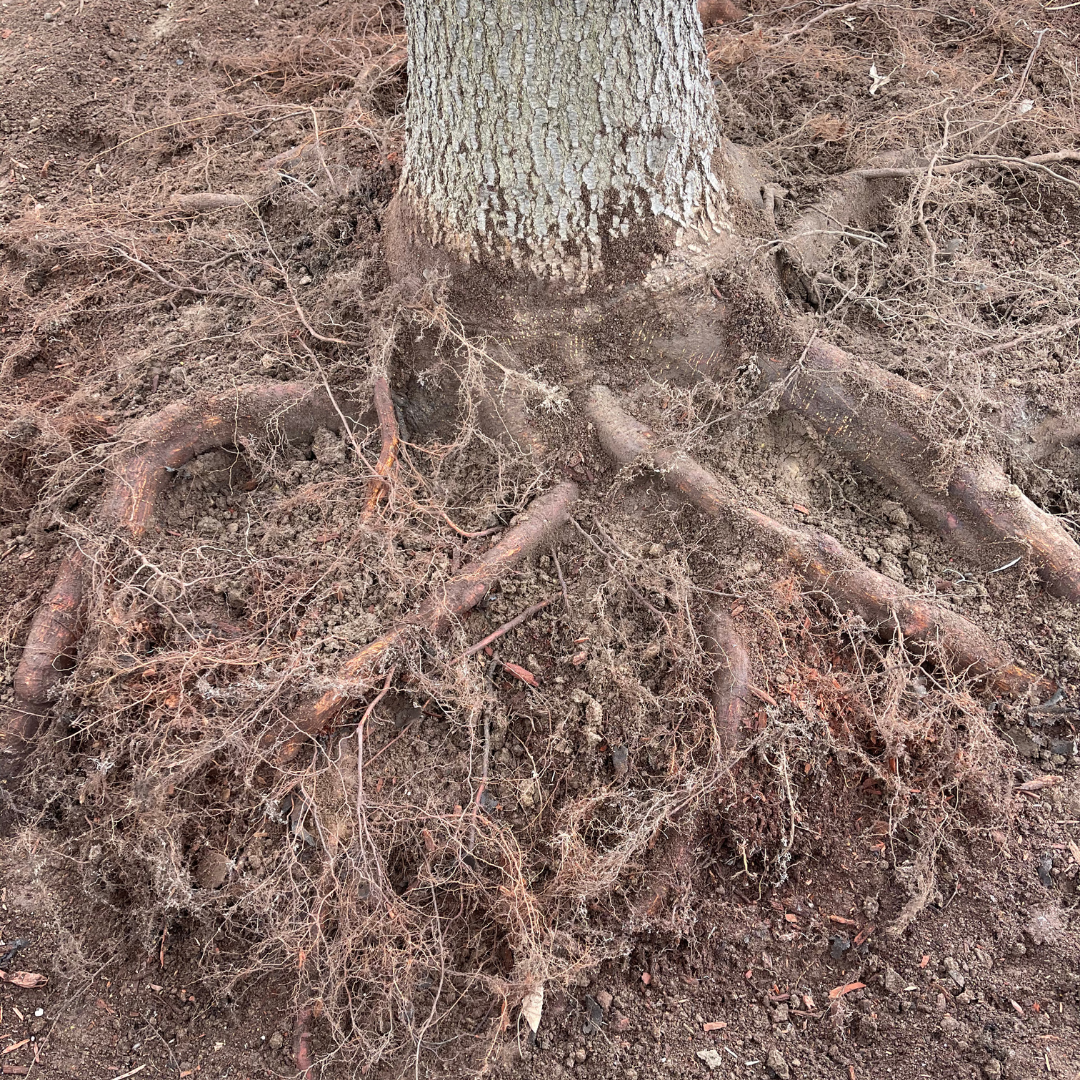
– Stump grinding, debris removal, and soil restoration if needed.
– Follow-up health checks to ensure no regrowth or residual hazards.
– Guidance on future maintenance to prevent recurrence of exposure risks.
H2 How we help you protect your family from poisonous trees
H3 Tailored services designed for safety and health
– Tree Removal: When a hazardous tree poses too great a risk, removal is performed with meticulous planning and safety protocols. Learn more about this option on our Tree Removal pages (https://davisfamilyarbor.com/tree-removal).
– Tree Trimming: Pruning can reduce exposure and maintain a healthy landscape, especially for trees with hazardous overhangs near play areas. Explore trimming solutions (https://davisfamilyarbor.com/tree-trimming) to see how we can shape and reduce risk.
– Ongoing care: Regular inspections to catch issues early and adjust maintenance plans as your yard changes.
H2 Why Davis Family Arbor is the right choice for poisonous trees
H3 Expertise you can trust
Our team includes certified arborists who bring decades of combined experience in identifying poisonous components, assessing risk, and implementing safe solutions. We communicate clearly, work efficiently, and prioritize the well-being of your family and pets.
H3 A health-centered philosophy
We don’t just remove trees; we protect health. Our approach focuses on minimizing exposure to toxins, preserving air quality, and maintaining the ecological balance of your landscape whenever feasible. This health-first mindset is integrated into every step of the process, from evaluation to aftercare.
H2 Ready to take action against poisonous trees in your yard?
Protecting your family starts with a smart plan and qualified help. If you suspect a tree in your yard could be a risk, the next step is to get a professional assessment. Davis Family Arbor offers a free quote to begin the process, so you can understand your options without pressure. To move forward, contact us and let our team guide you through a safe and effective plan. You can reach us via our Contact page to schedule a consultation or learn more about our full range of services, including Tree Removal and Tree Trimming (https://davisfamilyarbor.com/contact, https://davisfamilyarbor.com/about-us).
H