




What Is Oklahoma’s State Tree and How Can Davis Family Arbor Help?
Oklahoma’s official state tree is the redbud, a small to medium-sized flowering tree renowned for its vibrant pink blossoms in early spring. Recognized as the state tree for oklahoma, the redbud embodies resilience, beauty, and a sense of place that resonates with homeowners across the Sooner State. But simply knowing that the redbud is the state tree for oklahoma isn’t enough to protect your landscape. Understanding its needs, recognizing signs of trouble, and knowing when to bring in certified experts can make a real difference in the health and safety of your property. Davis Family Arbor is here to guide you through every step—from identification to ongoing care—so you can enjoy the beauty of the state tree for oklahoma for years to come.
State tree for oklahoma: identifying the redbud and its symbolism
The redbud offers a distinctive spring show with electric pink blossoms that appear before the leaves unfold. It’s a favorite among Oklahoma homeowners who want a splash of color without requiring a large footprint. Key identifying features include:
– Heart-shaped leaves that emerge coppery and mature to a glossy green
– An open, spreading canopy that remains relatively compact compared to many other ornamentals
– Flowers that cluster along bare branches, creating a striking contrast in early spring
– A tolerance for a range of soils, provided drainage is adequate and the site receives full sun to light shade
As the state tree for oklahoma, the redbud is often chosen for small courtyards, residential streets, and parkways where beauty and structure are both important. It also carries symbolic meaning—new beginnings, resilience, and the arrival of spring—which resonates with the enduring character of Oklahoma communities. When considering a landscape that highlights the state tree for oklahoma, think about how the tree’s spring bloom can set the tone for your yard and how its seasonal changes will affect upkeep over the year.
If you’re unsure whether a redbud is right for your space, review your soil type, sun exposure, and irrigation availability. A local arborist can help you evaluate your site conditions and determine whether the redbud fits your goals for the state tree for oklahoma. For homeowners who already have a redbud or are planning to plant one, it’s wise to map out a simple care plan that supports long-term health and structural stability. Our team at Davis Family Arbor can help you design a maintenance strategy that aligns with your climate, soil, and landscape goals.
Caring for the state tree for oklahoma: essential health tips
Healthy growth begins with a solid foundation. Here are practical practices to support the state tree for oklahoma and prevent common problems:
– Planting and site selection: Choose a location with well-drained soil and full sun to partial shade. Avoid sites with persistent wet soils or restricted root space. Proper spacing allows the redbud to develop a stable structure without competing with neighboring trees or utilities.
– Watering and irrigation: Establish a uniform watering routine during establishment (the first 1-2 years). Deep, infrequent watering helps develop strong roots. Once established, redbuds are moderately drought-tolerant but will perform best with regular moisture, especially in hot Oklahoma summers.
– Mulch and soil health: Apply a 2–4 inch layer of organic mulch around the base, keeping mulch several inches away from the trunk to prevent rot. Mulch helps regulate soil temperature, conserve moisture, and suppress weeds that compete for resources.
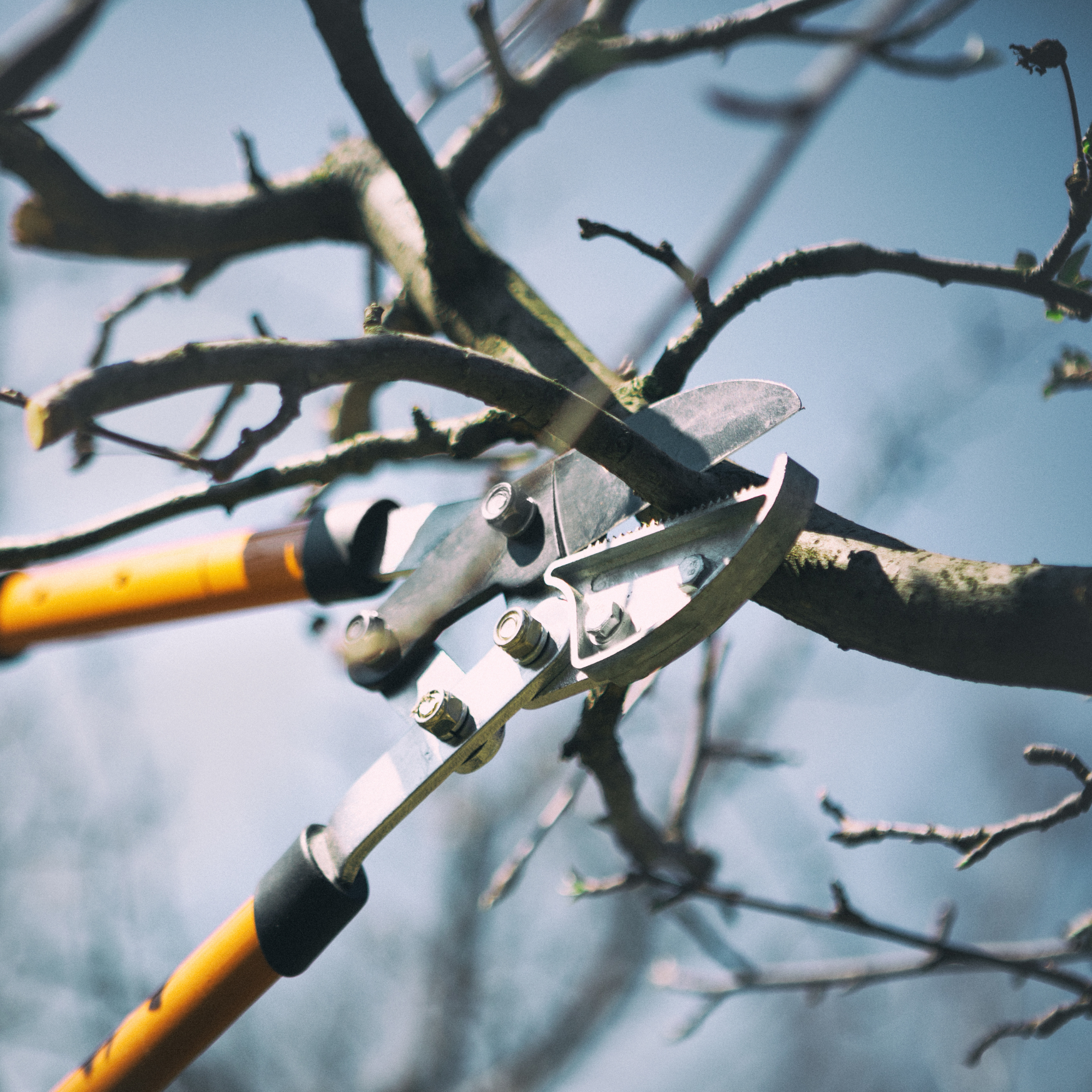
– Pruning and shape: Prune after flowering to maintain shape and remove any dead, diseased, or crossing limbs. Avoid heavy pruning in late winter or early spring, as this can stress the tree and reduce bloom, affecting the state tree for oklahoma’s visual impact.
– Fertilization: In most cases, redbuds don’t require heavy fertilizer. If your soil test shows deficiencies (for example, low phosphorus or potassium), apply a balanced, slow-release fertilizer according to label directions. Over-fertilizing can cause excessive vegetative growth at the expense of flowering and structural integrity.
– Pest and disease awareness: Watch for signs of common issues such as scale insects, aphids, or powdery mildew. Verticillium wilt is a particular concern in some regions and can cause leaf yellowing and branch dieback. Early detection is key to protecting the state tree for oklahoma from serious decline.
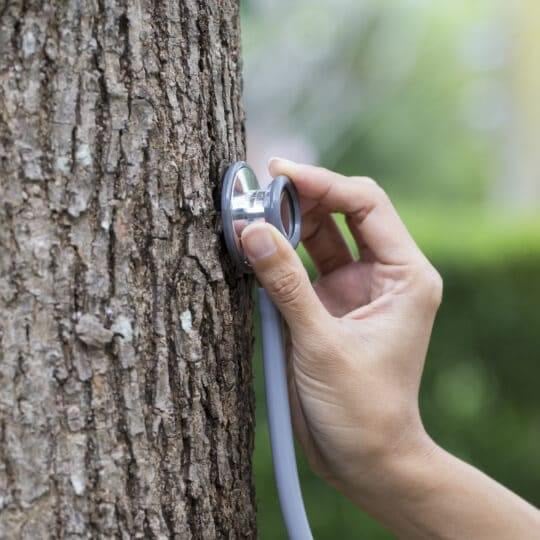
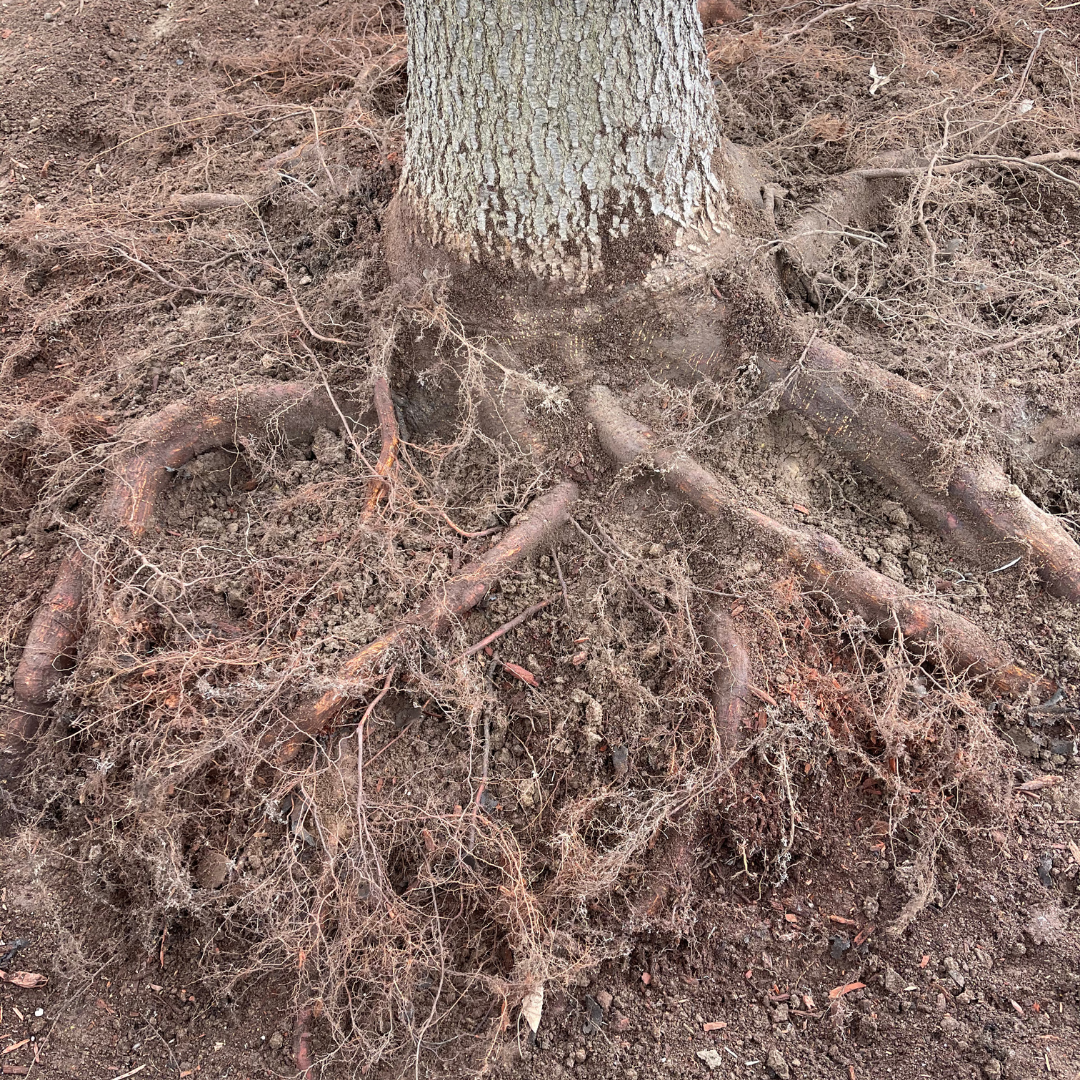
If you want a professional assessment of your redbud’s health or help fine-tuning a care plan, our team can provide a thorough evaluation. We’ll review root structure, trunk integrity, canopy balance, and overall vigor to ensure your state tree for oklahoma stays strong and beautiful.
Common threats to the state tree for oklahoma and how to detect them
Even a well-cared-for redbud can be impacted by local conditions and pests. Early detection and timely intervention are essential. Some common threats to the state tree for oklahoma include:
– Structural weaknesses: Weak limbs or poor root health can lead to hazardous trees, especially in storms. Regular inspections help identify potential failures before they become dangerous.
– Fungal and bacterial diseases: Powdery mildew, cankers, and leaf spot diseases can reduce vigor and aesthetic appeal. Some diseases may require pruning, treatment, or more complex management