



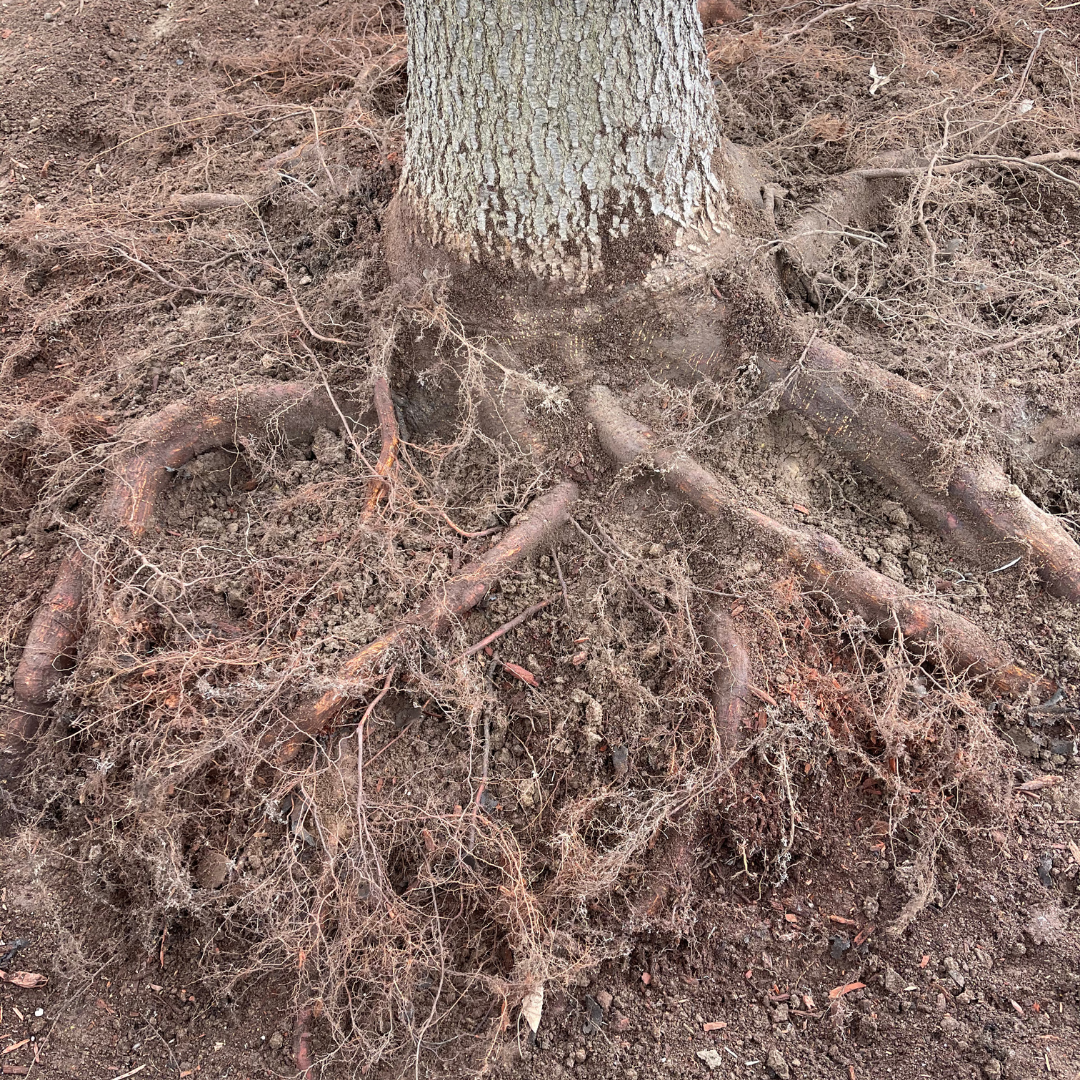
Root rot in Tulsa is more than a nuisance for your landscape—it’s a threat to the long-term health and stability of your trees. If you’ve noticed wilting canopies, yellowing leaves, or a sudden drop in vigor, you’re right to pay attention. In Tulsa’s climate, root rot can take hold quickly when soils stay damp or become compacted, yet with the right expertise, diagnosis and treatment can stop the progression and restore trees to health. At Davis Family Arbor, our team of certified arborists specializes in root rot diagnosis, safe treatment, and ongoing tree health care designed to protect your landscape while keeping your budget in mind. Read on to understand how root rot develops, how it’s diagnosed, and how expert care in Tulsa can guide your trees back to strength.
Understanding root rot in Tulsa and why it matters
Root rot is a collective term for several diseases that attack a tree’s root system. In many cases, fungal pathogens such as Phytophthora, Pythium, Armillaria, or other opportunistic organisms invade stressed roots, slowly diminishing the tree’s ability to take up water and nutrients. In Tulsa, soil types, seasonal moisture fluctuations, and irrigation patterns can create ideal conditions for these pathogens to gain a foothold. The initial symptoms may be subtle, but over time, root rot undermines structural integrity and vigor, making trees more susceptible to drought, wind damage, and insect or disease pressure. Early detection and targeted treatment can preserve trees that would otherwise be lost, which is why partnering with an experienced local arborist is essential. If you’d like a professional evaluation, our team can guide you through the process and help you plan a path forward that aligns with your goals and your landscape’s needs, while keeping a focus on affordable root rot solutions in Tulsa. For more about our approach and capabilities, explore our Services page to see how root rot fits into a comprehensive tree care plan.
Recognizing the early signs of root rot
Detecting root rot early gives your trees the best chance for recovery. Signs can appear above ground or beneath the soil surface, often signaling deeper issues. Look for:
– Gradual or sudden canopy thinning and dieback on one or multiple branches
– Yellowing or chlorosis in leaves, especially during spring and summer
– Leaf drop that doesn’t align with seasonal patterns
– Reduced growth or stunted overall vigor compared with neighboring trees
– Crunchy or spongy soil near the base and softened roots when the soil is disturbed
– Ongoing moisture issues in the root zone, such as poor drainage or persistent soggy soil
– Fungal fruiting bodies or mushrooms at the base of the trunk or around the root zone
If you notice these signs on your OKC property, it’s time to arrange a professional assessment. Schedule a diagnostic visit through our contact page, or learn more about how we approach tree health by visiting our about us page for context on our certified arborists and local expertise.
Diagnosing root rot: what to expect from a professional assessment
A precise diagnosis is the foundation of effective treatment. When you contact a professional in OKC, you can expect a thorough, science-based evaluation that considers both the root system and the surrounding environment. Typical steps include:
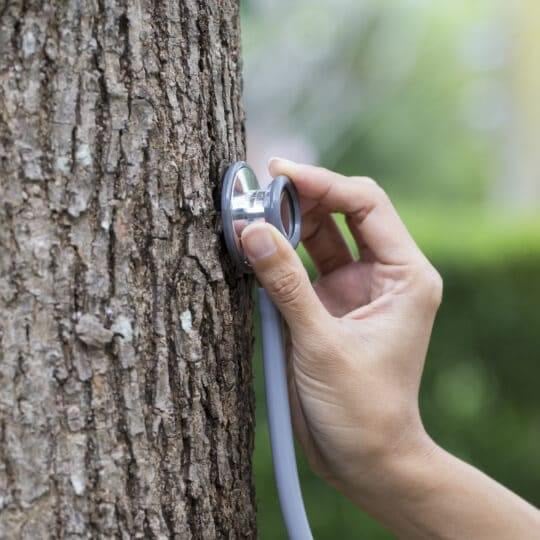
– Visual inspection of the canopy, trunk, and root flare for signs of stress or decay
– Soil moisture and drainage assessment to identify overly wet conditions that promote rot
– Root sampling or coring to evaluate root health and detect pathogenic activity
– Soil analysis to determine pH, nutrient balance, and organic matter content
– Consideration of irrigation patterns, drainage, soil compaction, and seasonal weather
– A written diagnosis with recommended treatment options and a realistic timeline
Our team at Davis Family Arbor emphasizes clear communication, transparent pricing, and a plan that fits your tree’s species, age, and resilience. We also provide ongoing monitoring to ensure that treatment goals are being met and to adjust strategies as conditions change. To learn more about our approach to diagnosis and treatment, visit our Services page and explore how root rot is managed within a broader tree health program.
Treatment options for root rot in Tulsa
Treatment for root rot is not a one-size-fits-all solution. The best approach depends on the species, the severity of infection, soil conditions, and the tree’s overall health. Common components of a root rot management plan include:
– Cultural controls to improve drainage and reduce moisture in the root zone
– Soil aeration and decompaction to expand air reach and improve root function
– Irrigation management to avoid overwatering while ensuring adequate water during dry spells
– Soil amendments and mulching to support soil biology and root health
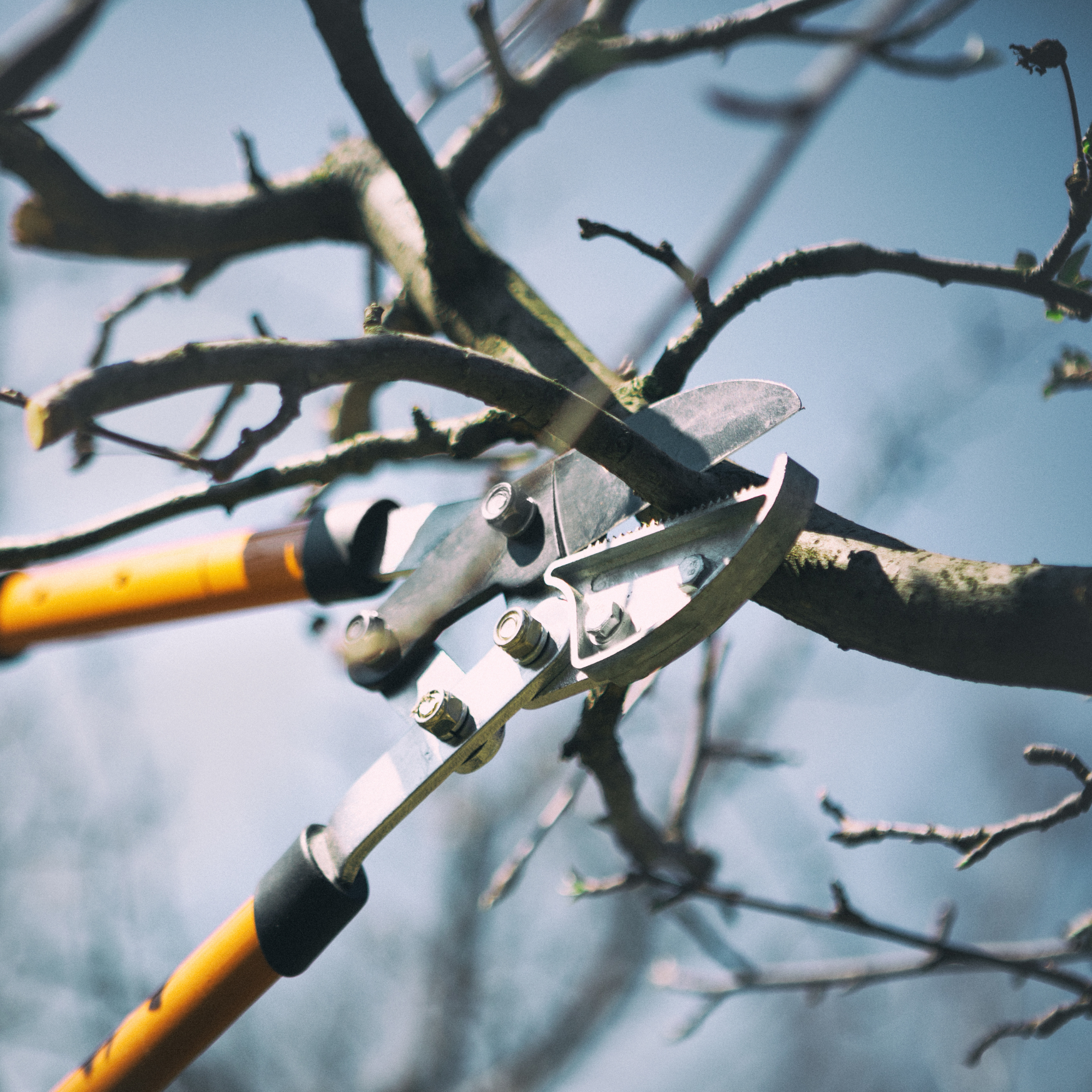
– Targeted pruning of dead or severely decayed limbs to reduce stress and improve structural integrity
– Fungicidal or biological treatments when appropriate, applied under the guidance of a licensed professional
-, in some cases, a tree protection plan that includes long-term monitoring and adjustments to care
It’s important to note that some pathogens cannot be cured with a single intervention; a comprehensive plan often focuses on reducing stress, improving root zone conditions, and supporting remaining healthy tissue. Our certified arborists tailor the treatment to your specific situation and provide clear expectations regarding recovery timelines. For more on how we implement these strategies, you can explore how our team collaborates on tree health through our Services and About Us pages.
Safe, effective treatment approaches tailored to Tulsa conditions
In the Tulsa climate, successful root rot management hinges on balancing aggressive action with careful stewardship of soil biology and root systems. Our team emphasizes:
– Avoiding aggressive chemical treatments when they aren’t necessary or could harm beneficial soil organisms
– Employing integrated approaches that combine cultural changes with selective treatments
– Prioritizing root zone protection and careful pruning to preserve structural integrity
– Continuous monitoring to detect relapse early and adjust care accordingly
– Education for homeowners on irrigation, mulch, and soil health so you can maintain progress between visits
By partnering with a professional from Davis Family Arbor, you gain access to treatment plans that respect your landscape’s unique conditions and your budget. If you want to review how treatment options align with your property, our Services page provides a comprehensive overview of our tree care offerings and how root rot management fits within them.
Preventive care and ongoing tree health management
Prevention is the best defense against root rot and related tree health issues. A proactive plan reduces risk and improves long-term outcomes. Consider these preventive steps:
– Establish a consistent, zone-appropriate watering schedule to avoid both drought stress and waterlogged soil
– Improve drainage around trees prone to rot with grading adjustments, French drains, or aeration
– Mulch properly to a depth of 2 to 4 inches, keeping mulch away from the trunk to prevent rot and pests
– Minimize soil compaction in root zones by restricting heavy foot and equipment traffic
– Conduct regular inspections, ideally annually or after severe weather, to catch early signs of stress
– Fertilize judiciously based on soil tests to support vigor without encouraging excessive growth susceptible to rot
– Maintain tree spacing and canopy management to reduce stress and promote natural vigor
These practices form the backbone of a robust tree health program and can be integrated alongside professional root rot management. Our team can help you design a year-round care plan that aligns with the needs of your trees and your goals for the landscape.
Why choose Davis Family Arbor for root rot treatment in Tulsa
When it comes to root rot, local expertise matters. Davis Family Arbor brings a deep understanding of Oklahoma City’s soil types, climate patterns, and common disease pressures. Why homeowners in OKC choose us:
– Certified arborists with authoritative training and hands-on experience diagnosing and treating root rot
– A service-oriented approach that prioritizes safety, quality, and transparent pricing
– Comprehensive tree care options that extend beyond treatment to ongoing health monitoring, pruning, removal when necessary, and preventive care
– A local, family-focused business that understands the landscape you’re protecting and the investment you’re making
– Clear, collaborative communication with homeowners, with detailed explanations of diagnoses, options, and timelines
To learn more about our background and philosophy, visit our About Us page, or reach out through our Contact page to discuss how we can tailor a root rot treatment plan for your Tulsa property. For a broader view of how we support your trees through every stage of care, explore our Services and Tree Trimming or Tree Removal offerings to see how root rot treatment fits into a comprehensive strategy.
Take action: how to get started with root rot treatment in Tulsa
If you suspect root rot or want a proactive check on your landscape, the quickest path to clarity is a professional assessment. Here’s how to begin:
– Schedule a diagnostic visit with our certified arborists by contacting us through our website
– Prepare a quick list of symptoms you’ve observed (dates, affected trees, and any irrigation or drainage issues)
– Request a detailed written plan that outlines diagnosis, treatment options, timelines, and costs
– Review recommended steps and milestones, and ask questions about how each option supports long-term tree health
During your consultation, we’ll explain how root rot affects your trees and how we tailor a treatment plan to your landscape’s unique conditions. We’ll also discuss maintenance options to help you preserve vigor and reduce the risk of future infections. If you’re looking for related services to support overall tree care, consider visiting our Tree Removal or Tree Trimming information to see how those workflows complement root rot management and overall health.
Conclusion: safeguarding your Tulsa landscape with expert root rot care
Root rot presents a real challenge for trees in Tulsa, but with informed diagnosis, careful treatment, and proactive prevention, your trees can regain strength and resilience. Davis Family Arbor stands at the forefront of root rot solutions in Tulsa, combining local knowledge with certified expertise to deliver safe, effective care that respects your landscape and budget. Don’t wait for symptoms to worsen—arrange a professional evaluation, review your treatment options, and start building a healthier canopy for years to come. Reach out today through our contact page to schedule your evaluation, or learn more about how we integrate root rot management with our broader tree care services. Your trees deserve the best team on your side, and that team is ready to help you protect your investment and