




Introduction
Root rot is one of those tree problems that often hides beneath the surface, quietly undermining the health and stability of your landscape. Even healthy-looking leaves can mask a serious issue if the roots are suffering. At Davis Family Arbor, our certified arborists specialize in diagnosing root rot, identifying the underlying causes, and crafting a plan that protects your trees and your property. If you’ve noticed wilting, yellowing foliage, or a general decline in vigor, don’t wait for the symptoms to worsen. A professional evaluation now can save your trees and prevent costly damage down the line.
Understanding root rot and why it matters
What root rot is and how it begins
Root rot refers to fungal or fungal-like pathogens that attack the root system, impairing a tree’s ability to uptake water and nutrients. In many landscapes, Phytophthora and Armillaria are among the culprits, though other species can cause similar damage. The disease often starts in the soil where moisture is persistent and drainage is poor. As roots decay, the tree’s crown shows stress signals long before you see a dramatic change in trunk size or bark. Because the problem begins underground, early detection hinges on careful observation of symptoms above ground and a keen eye on soil conditions.
How root rot affects tree health
When root rot progresses, trees lose their strength at the base. They may exhibit:
– Chronic wilting during cooler parts of the day or after rainfall, even with adequate irrigation
– Yellowing or chlorosis in leaves, coupled with thinning canopies
– Reduced growth and dieback on one or more major branches
– Lifting or uneven soil around the base, indicating root instability
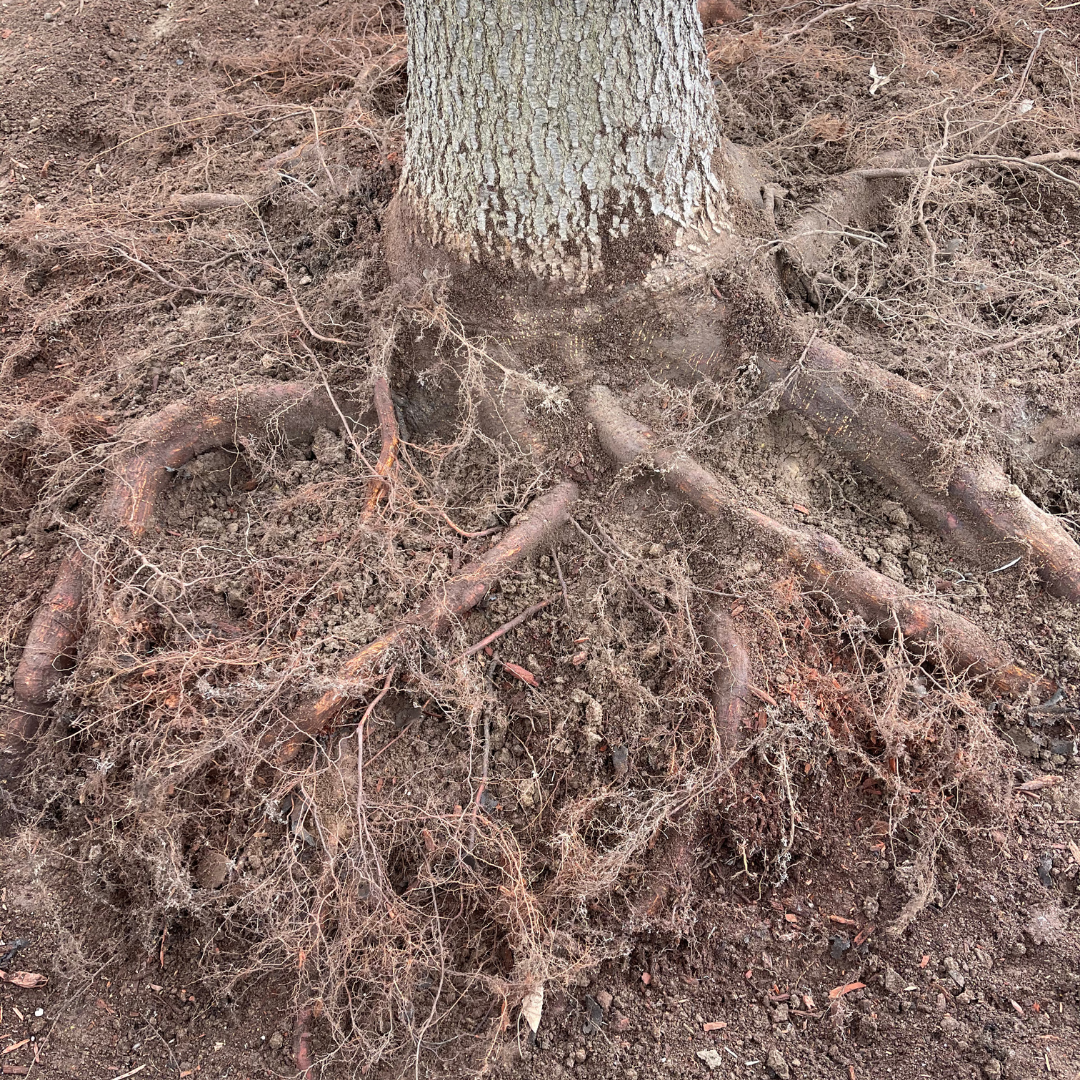
– Foul odors near the root zone or soft, discolored roots when inspected
The consequences extend beyond the individual tree. A weakened root system can compromise structural integrity, increasing the risk of failure during storms. In a dense landscape, pathogens can spread through the root zone or soil movement, affecting neighboring trees if not addressed promptly. At Davis Family Arbor, we emphasize a proactive approach to root rot because early action often means more options for preserving trees and maintaining your landscape’s beauty and safety.
Common causes and risk factors in landscapes
Root rot thrives when certain conditions come together. Understanding the culprits helps you reduce risk and support tree resilience.
– Poor drainage and waterlogged soil: Excess moisture around the root zone creates a welcoming environment for damaging pathogens.
– Overwatering and irrigation mismanagement: Even previously healthy soil can become a problem if watering schedules are too aggressive or inconsistent.
– Compacted soil and restricted air movement: Compaction limits oxygen and water movement, contributing to unhealthy root systems.
– Planting in poor site conditions: Low-lying areas, heavy clay soils, or soils with limited drainage increase root stress.
– Planting stress and transplant shock: Newly planted trees can be especially vulnerable as they establish their roots.
– Proximity of infected plant material: Infected trees or debris left in place can harbor pathogens and spread to nearby healthy hosts.
Preventive practices and maintenance can make a big difference. If you’re unsure about drainage, soil texture, or irrigation patterns, our team can assess your site and provide actionable recommendations. To explore comprehensive care options, visit our Services page to learn more about how we protect tree health through tailored solutions.
Detecting root rot early: signs to watch
Early signs are often subtle, but catching them can prevent extensive damage. Keep an eye out for:
– Persistent canopy decline: Leaves that fail to recover after seasonal stress or show uneven color across the crown
– Dieback in interior branches: Dead wood inside the canopy is a red flag that the root system may be under stress
– Changes in soil and root zone: Excessive girdling of roots, exposed roots after heavy rains, or a mushy, foul-smelling root zone indicates trouble
– Ground movement near the trunk: Cracking or sinking soil around the base can signal root decay and instability
– Unusual root exposure or grading changes: Shifts in soil levels can point to root collapse
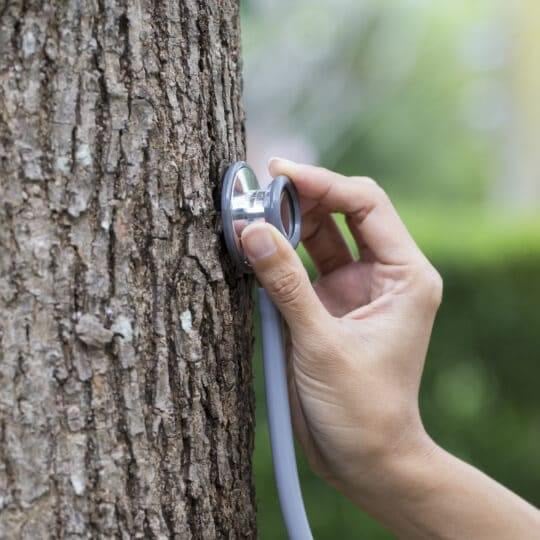
If you notice any of these signs, contacting a professional promptly is essential. Our team at Davis Family Arbor uses a combination of on-site observation, soil moisture assessment, and targeted root checks to determine the presence and extent of root rot. For a thorough evaluation, you can count on us to provide clear next steps and a transparent plan. Internal link to our arborist services can be found on our services page, where you’ll see how we tailor diagnostics to your specific site conditions.
Diagnosis process at Davis Family Arbor
A precise diagnosis combines science with seasoned judgment. Here’s how we approach root rot assessments to ensure you receive accurate information and a practical plan.
On-site assessment and environmental review
During the first visit, our arborists evaluate tree vigor, canopy dynamics, and overall site conditions. We review irrigation schedules, drainage, soil type, and recent weather patterns. A careful visual inspection helps differentiate root rot from drought stress, nutrient deficiencies, or insect-related problems. We also examine nearby trees for signs of shared exposure, which can indicate a broader landscape issue.
Soil analysis and moisture testing
Soil moisture and texture are critical to understanding root health. We perform moisture checks at several depths and examine drainage characteristics. In soils that retain water or lack air space, root rot risk increases. Our team integrates these findings with symptoms observed in the canopy to form a diagnostic picture.
Root sampling and laboratory confirmation
Where necessary, we collect root samples for laboratory testing to identify specific pathogens. This step provides confirmation and helps guide treatment decisions. We align laboratory results with field observations to determine the most appropriate course of action.
Developing a tailored treatment plan
After confirming root rot, we craft an action plan that balances tree preservation with safety and long-term landscape goals. Depending on the severity and species, options may include:
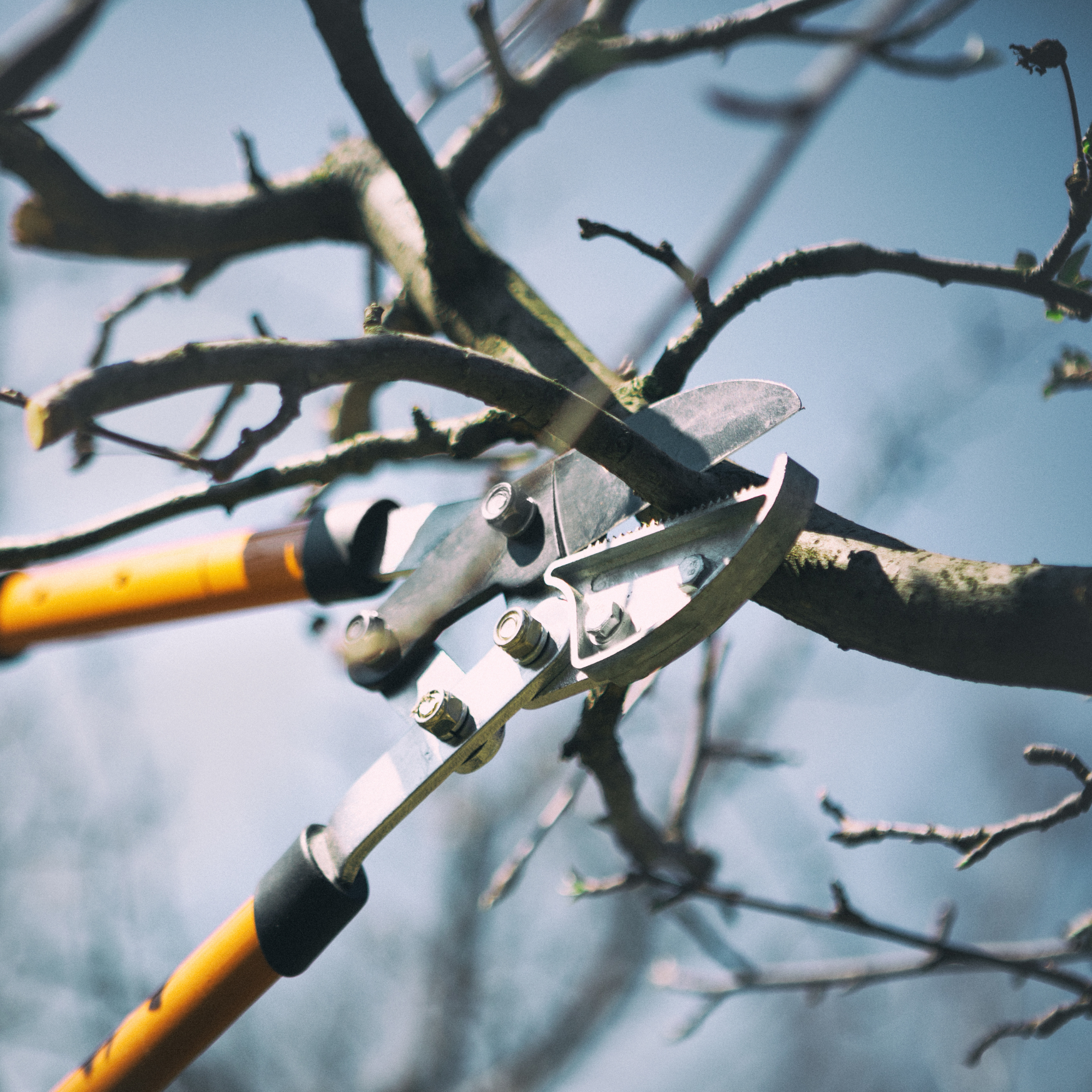
– Structural pruning or root restoration measures to stabilize trees that are still salvageable
– Soil drainage improvements and irrigation adjustments to reduce ongoing stress
– Aeration and soil amendment strategies to enhance root growth
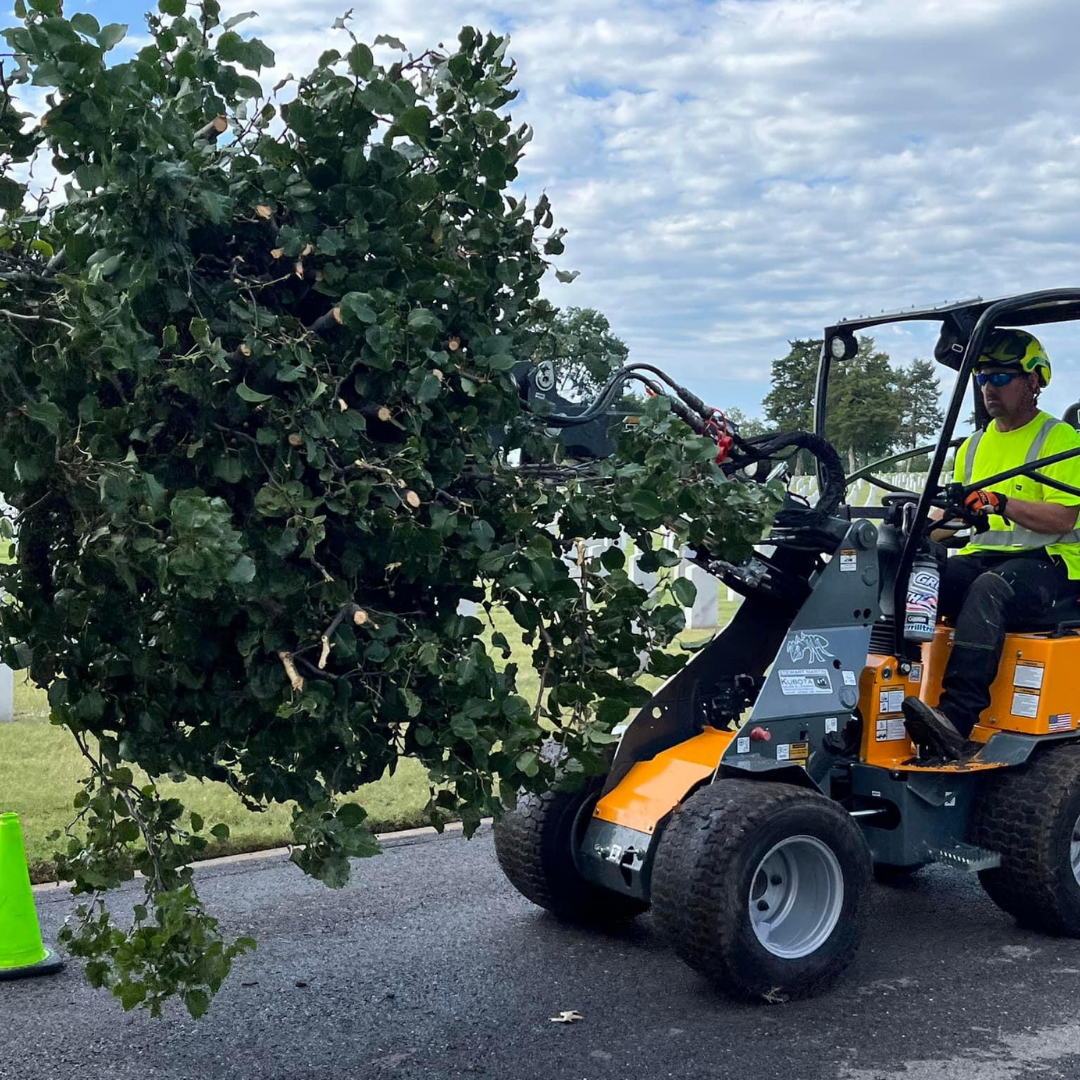
– Strategic removal of severely infected trees to prevent spread and protect nearby vegetation
– Post-removal clean-up and site restoration to maintain aesthetics
If you want to learn more about the breadth of our services, explore our Services page. For specific removal needs, our Tree Removal service is designed to handle complex cases with safety and efficiency.
Treatment options and realistic outcomes for root rot
Root rot management is not one-size-fits-all. The outcome depends on the pathogen, tree species, age, health status, and how quickly action is taken. Important realities to consider:
– Some infections are not curable in established trees. In those cases, priority shifts to containment, structural safety, and protecting the rest of the landscape.
– Salvage possible only with early detection and timely intervention. If a tree is structurally compromised, removal may be the safest option for people and property.
– Fungicidal or soil-applied products can help in certain situations but rarely reverse advanced root rot on mature trees.
– Proactive steps after diagnosis matter: drainage improvements, adjusted irrigation, mulching, and monitoring greatly influence long-term outcomes.
Our team emphasizes transparency. We explain the limitations and present practical options grounded in your landscape’s realities. To align your plan with your goals, we may refer you to trusted services such as Tree Removal or Tree Trimming as part of an integrated approach. You can learn more about our approach and credentials on About Us, and if you’re ready to move forward, you can reach us through our Contact page for a no-cost assessment.
Preventing root rot and building resilient landscapes
Prevention is the best defense against root rot. Implement these practices to reduce risk and extend the life of your trees:
– Ensure excellent drainage: Evaluate site grading, soil texture, and drainage patterns to avoid standing water around roots.
– Water wisely: Tailor irrigation to species and soil type; avoid overwatering and moisture stress by using smart irrigation and soil moisture sensors when appropriate.
– Mulch correctly: Apply a 2-4 inch layer of organic mulch around the root zone, keeping mulch away from the trunk to prevent disease and pests.
– Improve soil structure: Aeration and organic amendments help roots access air and water more effectively, supporting healthier root systems.
– Choose appropriate species: Select trees that are well-suited to your climate and soil conditions, reducing susceptibility to root rot.
– Schedule routine inspections: Regular checkups allow us to identify stress signals early and address issues before they worsen.
If you’re looking for a dependable partner to implement preventive measures, consider exploring our arborist services and maintenance plans. We can tailor ongoing care to your landscape, linking you to resources on our site that cover everything from routine trimming to