



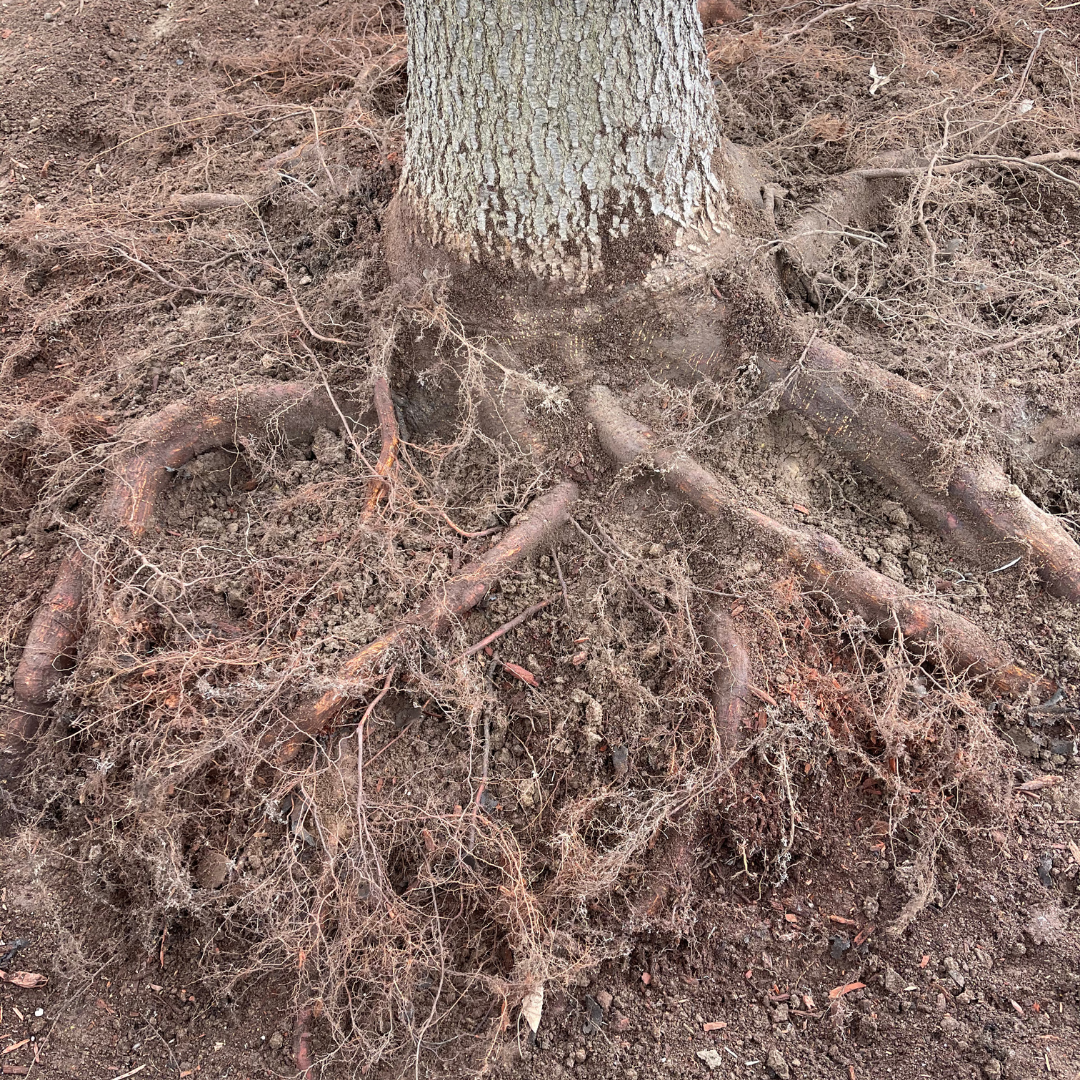
Understanding poisonous trees in Tulsa
Tulsa yards are a mosaic of landscaping ideas, seasonal color, and shade from mature trees. Yet some trees or parts of trees can pose hidden dangers for families, pets, and property. Poisonous trees carry risks beyond a messy branch or an occasional leaf drop. They can produce sap, berries, or other plant substances that irritate skin, cause ingestion hazards, or attract curious wildlife in a way that leads to dangerous encounters. If you notice unusual fruit, sap that irritates skin, or signs of distress in people or animals after contact with a tree, you may be dealing with poisonous trees or parts of trees that require careful handling.
This is where understanding the risk becomes essential. Not every tree with berries is deadly, and not every tree with sap is hazardous to touch. What matters is recognizing potential danger, evaluating exposure scenarios, and choosing a safe removal plan. In Tulsa, where storms, soil conditions, and landscape layouts vary, a thoughtful approach to poisonous trees means protecting your family while safeguarding your property value. If you’re unsure about a tree on your property, exploring professional guidance is a smart next step. Our team provides guidance grounded in experience and local know-how. For more information about our broader offerings, our services page outlines how we handle diverse tree care needs, including hazards that require specialized attention.
Safe removal practices for poisonous trees
When poisonous trees are identified, a careful removal strategy reduces risk and protects your yard. Removal is not a one-size-fits-all job. The right approach depends on factors such as tree size, location, proximity to structures or utility lines, and the presence of wildlife or nearby landscaping. A safe removal plan typically includes several key steps:
1) Comprehensive site assessment
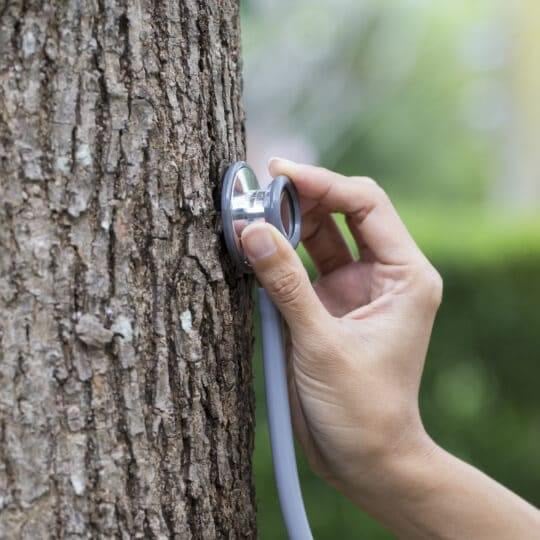
– A trained arborist evaluates tree health, structural stability, and potential hazards, such as weak limbs or deadwood that could fall during removal.
– The assessment also considers nearby obstacles, including driveways, fences, and underground utilities.
2) Safety-first planning
– The team establishes exclusion zones to keep pets, kids, and bystanders safe during the operation.
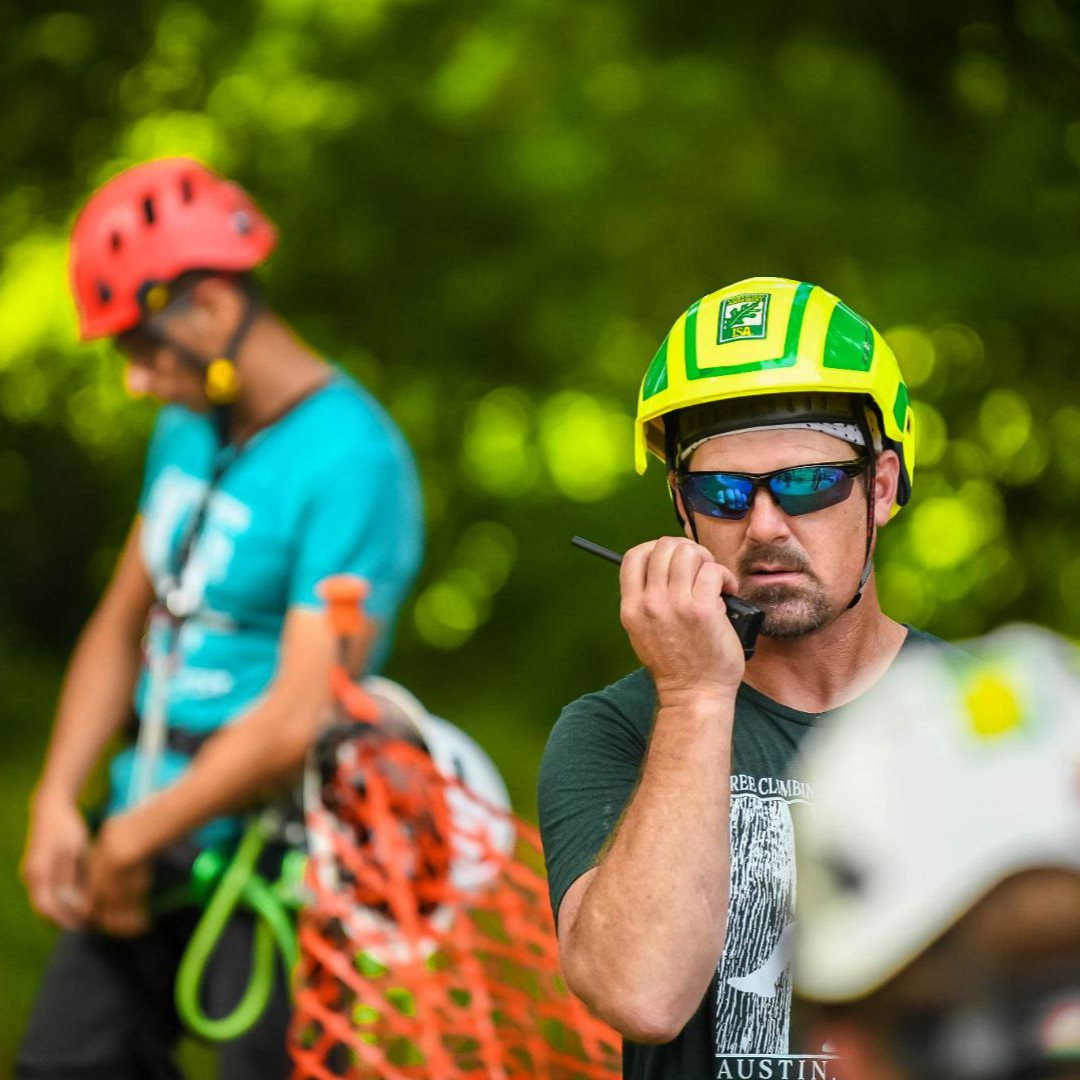
– Personal protective equipment is selected for the task, including helmets, eye protection, chainsaw chaps, and gloves.
3) Permitting and compliance
– Depending on local regulations and the tree’s location, necessary permits or notifications may be required before removal.
4) Removal methods tailored to the site
– Above-ground removal with controlled felling or limb-by-limb dismantling is chosen to minimize collateral damage.
– In sensitive areas, techniques such as directional cutting and careful lowering of heavy sections are used.
5) Waste management and disposal
– Poisonous trees are disposed of following local guidelines to prevent accidental spread of hazardous materials or contamination.
– Stump removal, grinding, or leaving a stump intact are options explored based on site needs and future landscaping plans.
6) Post-removal health checks and cleanup
– After removal, the area is cleaned, and soil and root zones are assessed for any remaining hazards.
– If root systems or stumps remain, a plan for monitoring regrowth or subsequent treatments is discussed.
Our team emphasizes responsible, eco-conscious practices and uses industry-leading equipment to ensure precision and safety. For a clear picture of how we approach safety and removal, you can explore our detailed removal services through our professional tree removal page. This resource outlines how certified arborists manage the full lifecycle of a removal project, from initial assessment to final site cleanup.
Why homeowners should lean on professionals for poisonous trees
Attempting to remove poisonous trees without trained guidance introduces unnecessary risk. Falls from height, chainsaw injuries, and interaction with hazardous sap or toxins are real concerns. In addition, improper removal can leave behind stumps that resprout or structural damage to nearby structures if the tree fails during cutting. In Tulsa’s climate, some trees may also be stressed or diseased, increasing the likelihood of unpredictable failure during DIY attempts.
Professional arborists bring essential capabilities:
– Knowledge of local tree species and how they respond to weather and soil conditions in Oklahoma.
– Expertise in safe removal methods that minimize damage to landscaping and hardscapes.
– Proper disposal workflows that comply with environmental and municipal requirements.
– A commitment to safety protocols that protect your family and neighbors.
If you’re weighing options, consider reviewing our Services overview to understand how the full spectrum of tree care, including dangerous or hazardous removals, fits into a comprehensive plan. Our team can tailor a solution that aligns with your goals while prioritizing safety and efficiency.
When to call a professional about poisonous trees
Certain scenarios clearly indicate the need for professional help:
– The tree is near power lines, a house, fence lines, or other structures where failed removal could cause serious damage.
– The tree shows signs of disease, significant decay, or structural instability that makes it unpredictable.
– There are children, pets, or high-traffic areas nearby, increasing the risk of contact with sap, berries, or debris.
– You’re unsure about the species and the potential hazards associated with its parts.
If any of these apply, contact Davis Family Arbor for an on-site evaluation. Our team can determine whether removal is the best course of action and outline a safe, efficient plan. Learn more about how we approach these situations on our contact page, where you can start a conversation about your specific needs or request a free quote.
Davis Family Arbor’s safe removal process for poisonous trees
Davis Family Arbor prioritizes safety, transparency, and quality in every project. When you have poisonous trees, our approach follows a structured process designed to minimize risk and maximize long-term landscape health.
1) Free on-site consultation
– A certified arborist visits your property to discuss concerns, identify hazardous features, and answer questions about removal and alternatives.
– The consultation includes a preliminary assessment of accessibility, nearby utilities, and potential impacts on nearby trees and plants.
2) Detailed plan and safety briefing
– A written plan outlines the removal sequence, equipment needs, and safety measures.
– The team reviews the plan with you and addresses any special considerations, such as seasonal timing or wildlife precautions.
3) Executing the removal with care
– The removal sequence is executed with precise cutting and controlled lowering to prevent collateral damage.
– Equipment such as cranes or rigging systems may be employed for large or hazardous removals, always under strict safety controls.
4) Stump and root management
– Decisions about stump grinding, removal, or grinding to a specified depth are made based on future landscaping plans.
– Root systems may be treated or removed to reduce the risk of stump sprouting and to maintain soil health.
5) Cleanup, assessment, and aftercare
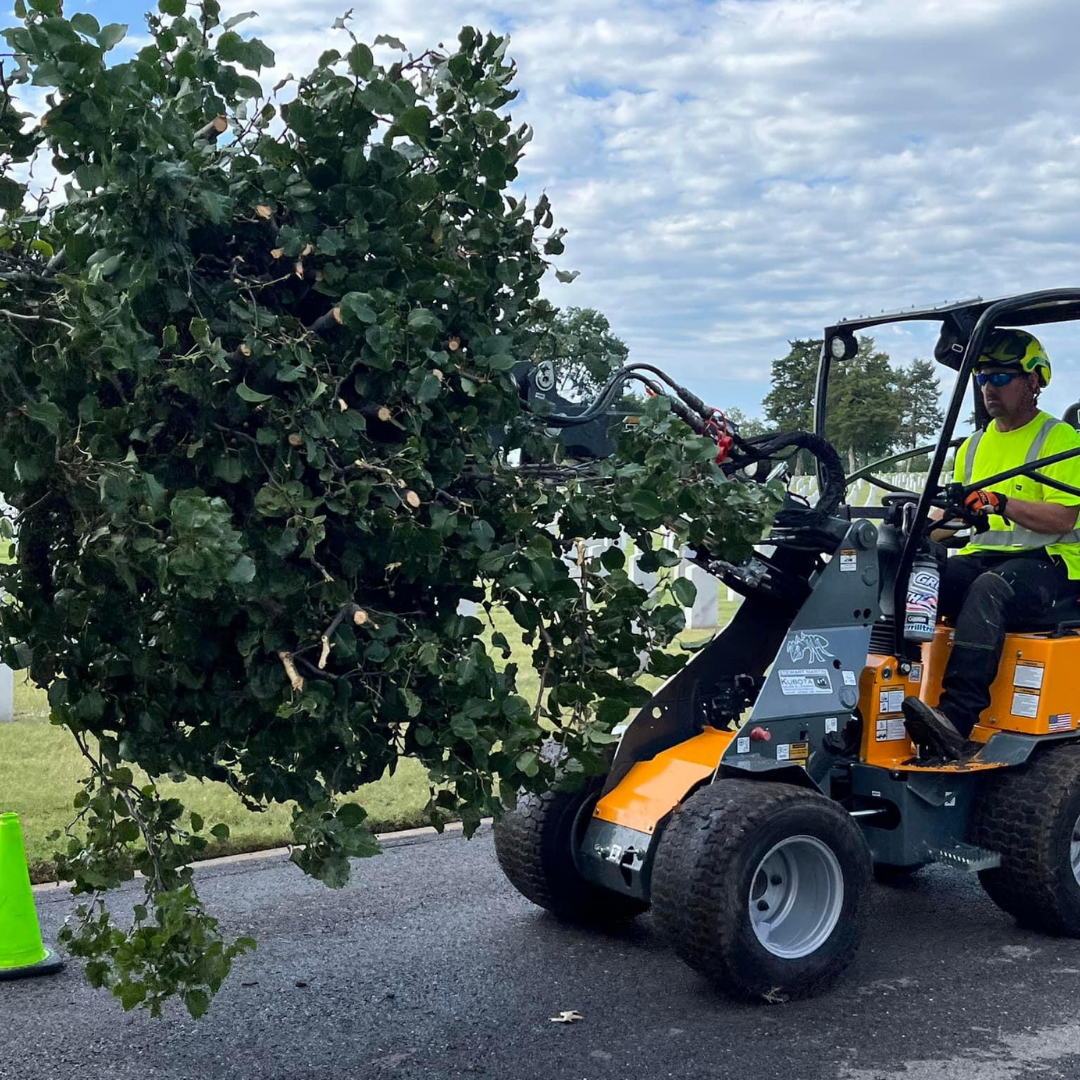
– The site is thoroughly cleaned, and any hauled-away material is disposed of per local guidelines.
– A post-removal health check ensures the surrounding trees and grounds remain healthy, and a maintenance plan may be recommended.
To learn more about our broader tree care expertise and how we integrate removal with ongoing health care, review our About Us page and Services. We emphasize a holistic approach that protects your landscape long after the poisonous trees are removed, including guidance on future pruning and monitoring to prevent issues from recurring.
Aftercare and prevention for healthy landscapes
Removing poisonous trees is a major step, but ongoing care helps protect your yard and your family. Aftercare focuses on stability, soil health, and future risk reduction. Practical steps include:
– Mulching to conserve moisture and regulate temperature around nearby trees.
– Smart irrigation to prevent water stress, which can weaken remaining trees and invite new problems.
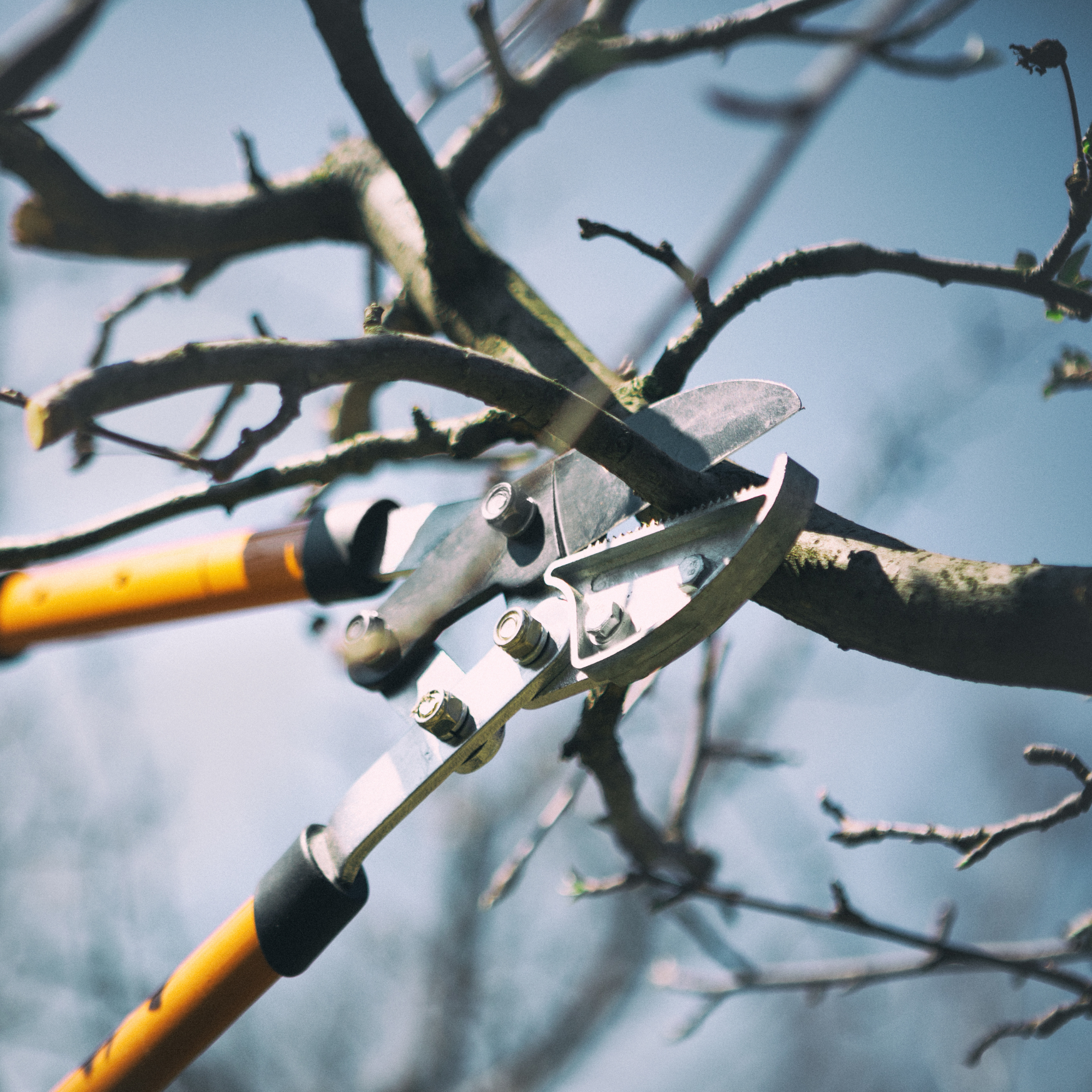
– Regular pruning to remove dead or crossing branches that could compromise tree health or safety.
– Soil testing to detect nutrient imbalances or drainage issues that could contribute to future hazards.
– Vigilance for regrowth. Even a removed root zone can sprout new growth if roots remain, so a monitored plan is important.
To keep your landscape aligned with safety and aesthetics, consider integrating tree trimming and ongoing maintenance into your plan. Our tree trimming specialists work with you to maintain balance between safety and vision for your yard. You can learn more about this service through our Tree Trimming page and see how a regular maintenance schedule can preserve value and health in your Tulsa property.
Frequently asked questions about poisonous trees removal
– Are poisonous trees safe to remove by homeowners? Generally not. The