



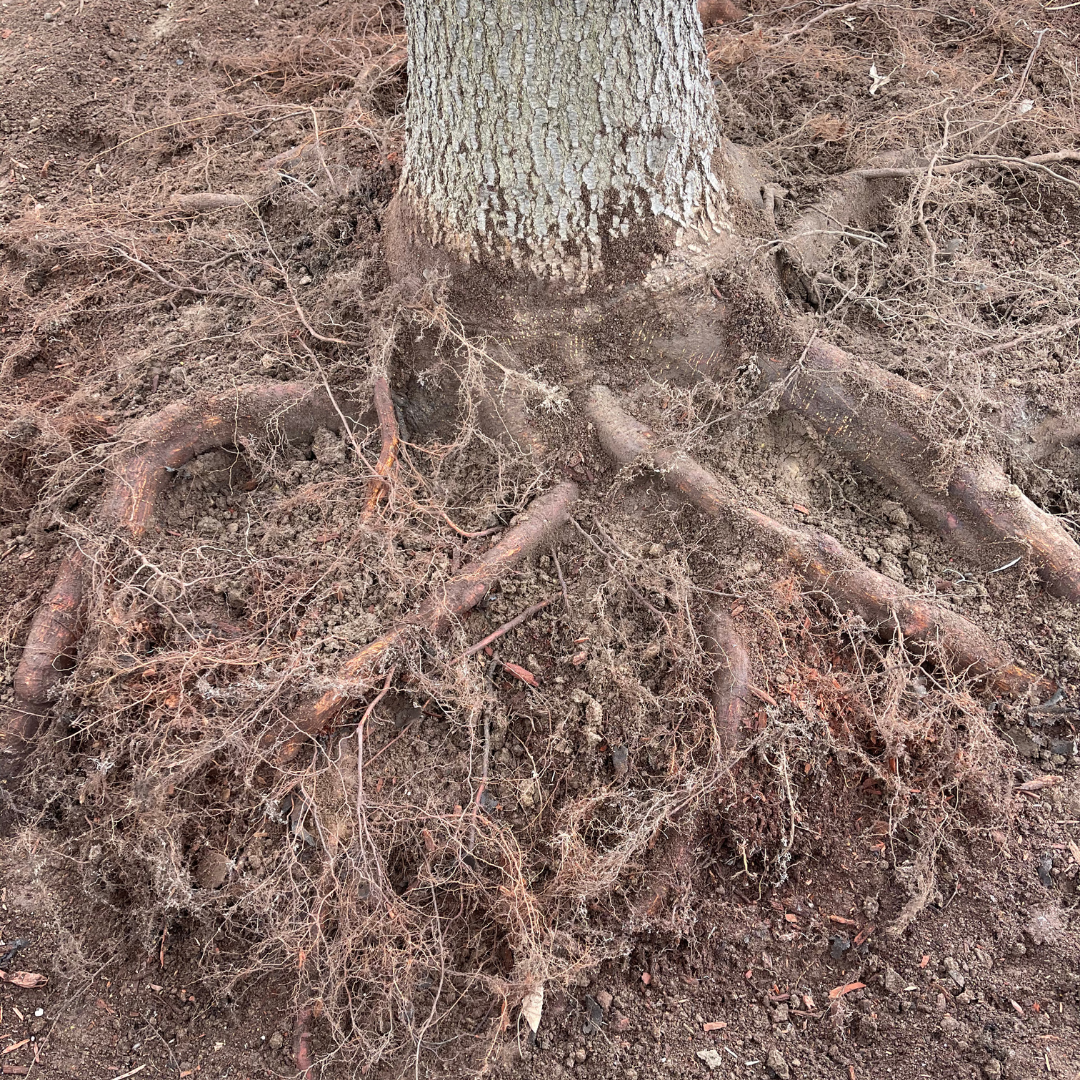
Understanding the tree pruning definition and its impact on Tulsa tree health
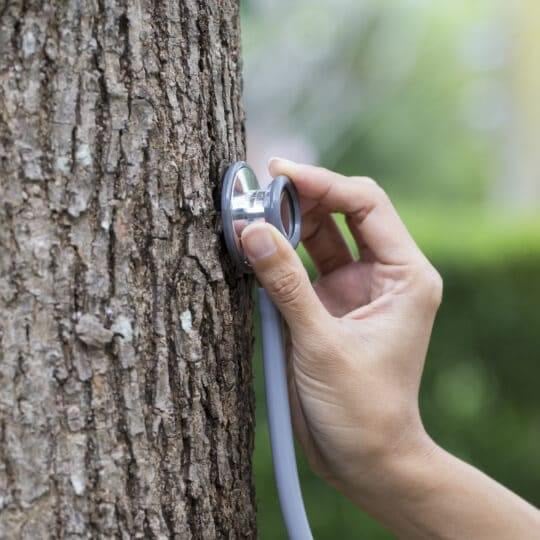
If you’re a homeowner in Tulsa, you’ve likely watched how weather swings affect your landscapes. Between hot summers, sudden storms, and the city’s unique soil conditions, your trees face challenges that require careful care. One key concept every tree owner should know is the tree pruning definition and how proper pruning boosts tree health. When done correctly, pruning helps trees grow stronger, resist pests, and live longer. When done badly, it can weaken structure, invite disease, or stunt growth. In this guide, you’ll learn what pruning really means, why it matters for Tulsa trees, and how professional arborists from Davis Family Arbor approach pruning for lasting health.
What exactly is the tree pruning definition and why it matters
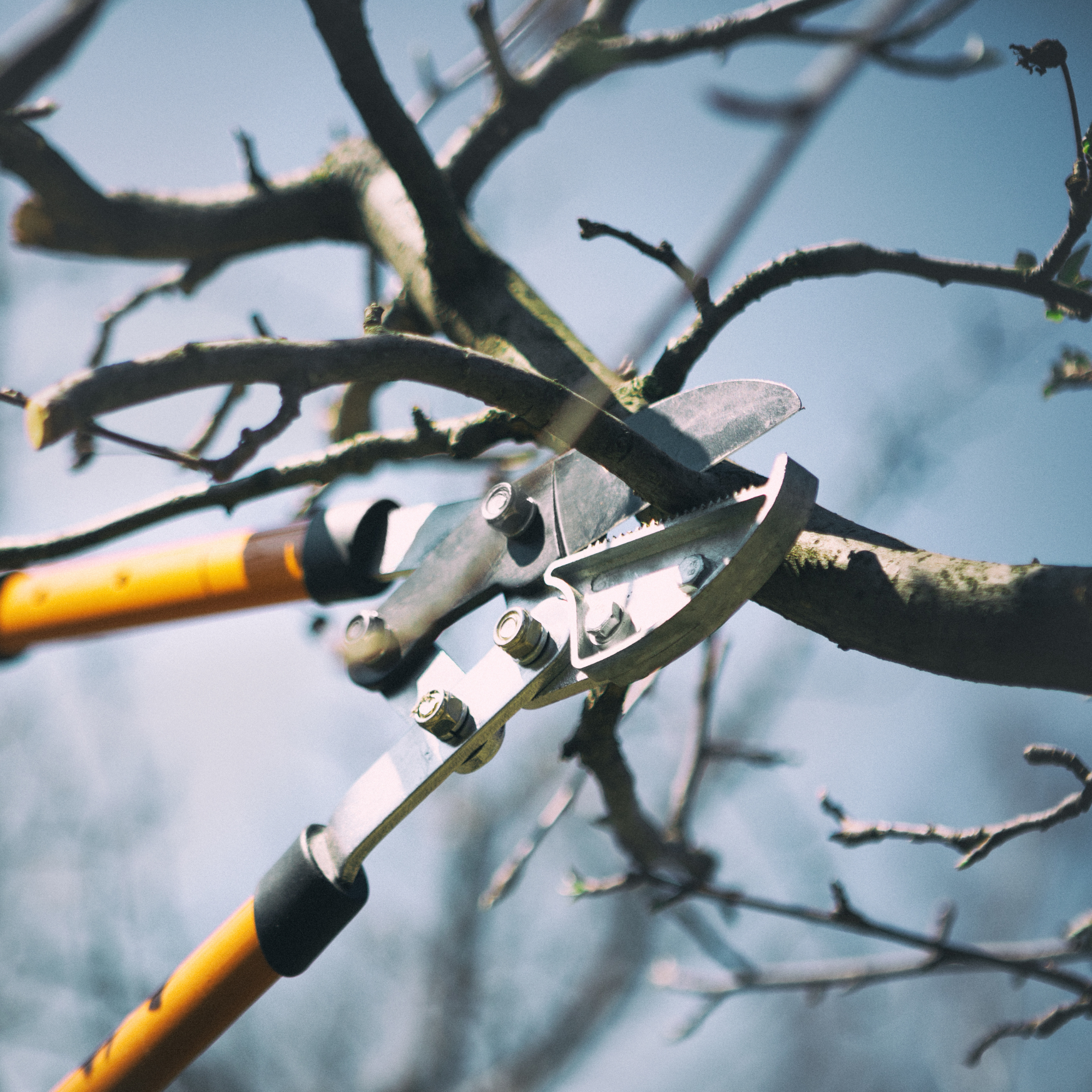
At its core, the tree pruning definition refers to the selective removal of branches to improve a tree’s health, structure, and appearance. Pruning is not simply about trimming for aesthetics; it’s a deliberate practice that shapes how a tree channels energy, stores nutrients, and defends itself against threats. In Tulsa’s environment, the right pruning approach helps trees withstand heat stress, storms, and pests that are common in our region.
Different pruning cuts serve different purposes. Some cuts remove dead or diseased wood to halt the spread of problems, while others thin crowded canopies to improve air circulation and light penetration. Structural pruning guides branch growth so you reduce the risk of limb failure during strong winds. And in evergreen or fruiting trees, pruning can influence flowering and fruit production in ways that support long-term health.
How correct pruning boosts tree health in practical terms
The tree pruning definition translates into tangible health benefits when applied thoughtfully. Here’s how proper pruning supports vitality in Tulsa landscapes:
– Enhanced structural integrity: By removing weak or crossing branches, pruning helps create a strong framework that resists breakage in storms. This is especially important for mature trees near driveways, sidewalks, or homes.
– Improved air flow and sunlight: Open canopies reduce humidity around inner branches, lowering the chance of fungal infections and encouraging even growth. More light can reach the inner leaves, supporting photosynthesis and vigor.
– Better pest and disease management: Removing diseased limbs promptly confines problems to smaller areas, making it easier to protect the rest of the tree. Regular pruning also helps you spot warning signs early.
– Energy efficiency and growth balance: Trees invest energy in new growth. Pruning deflects energy to healthy growth zones, strengthening the overall canopy without overburdening the root system.
– Longevity and safety: Thoughtful pruning slows structural decline, reduces hazards from weak limbs, and extends the life of valuable trees in your Tulsa yard.
Seasonality and the tree pruning definition in practice
Tulsa experiences distinct seasonal patterns, so timing matters when applying the tree pruning definition. While some trees benefit from winter pruning when they are dormant, others respond better to summer pruning for specific growth adjustments. A knowledgeable arborist considers species, age, health, and local climate before laying out a pruning schedule. It’s not a one-size-fits-all approach; the tree pruning definition must be tailored to each tree’s biology and the goals you have for your landscape.
What to prune and what to leave alone
Understanding the tree pruning definition also means knowing which parts to target and which to preserve. General guidelines in Tulsa include:
– Remove dead, broken, or diseased wood first to stop spread and reduce safety risks.
– Eliminate branches that rub together or create weak angles, known as codominant stems, which can lead to future splits.
– Thin crowded canopies to improve airflow and reduce pest habitats.
– Maintain a strong central leader on young trees while guiding but not forcing growth in mature trees.
– Be careful with heavy pruning, which can shock a tree or invite sunburn on new growth.
Common pruning mistakes to avoid
Even with the best intentions, homeowners sometimes fall into pruning traps. Being aware of common missteps helps you apply the tree pruning definition more effectively:
– Over-pruning, which steals energy from the tree and can stress it, leaving it vulnerable.
– Topping or removing large portions of the upper canopy, which weakens structure and invites decay.
– Pruning at the wrong time for a given species, reducing the tree’s natural defense against pests and diseases.
– Using dull tools or making rough cuts that leave wounds vulnerable to infection.
– Ignoring the difference between pruning for health and pruning for aesthetics, which can conflict with long-term vitality.
Why Tulsa homeowners should consider professional pruning
While some light pruning can be a DIY task, the tree pruning definition becomes especially important when aiming for lasting health. Professional arborists bring expertise in species-specific pruning, correct cut angles, and safe equipment handling. They assess branch angles, identify signs of disease, and tailor a plan that aligns with your landscape goals and safety needs. A reputable arborist will also document the work, explain the rationale behind each cut, and provide aftercare guidance to maximize benefits.
How Davis Family Arbor applies the tree pruning definition to Tulsa trees
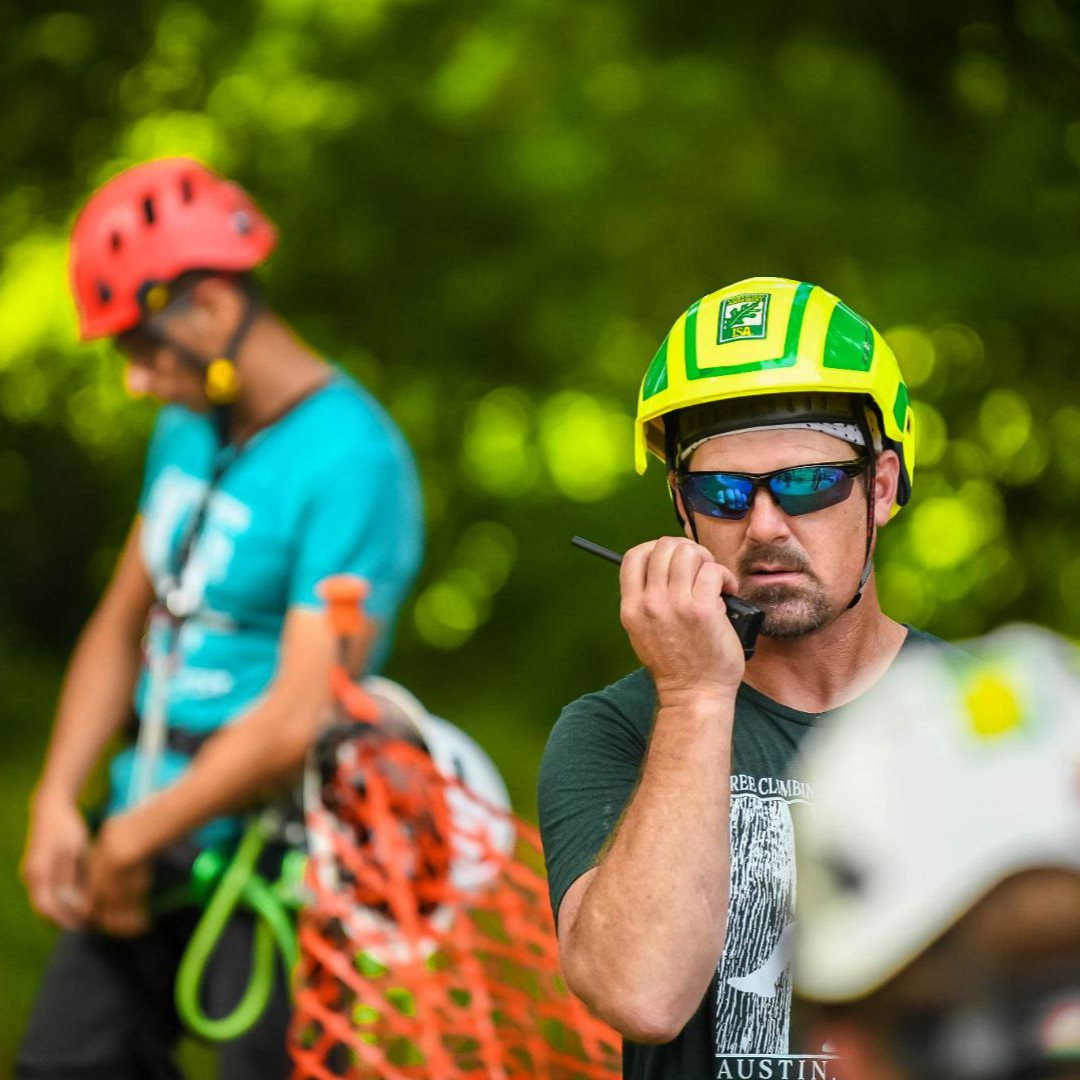
Davis Family Arbor approaches pruning as part of a broader commitment to tree health and safety. Their team of certified arborists brings training, experience, and a respect for local tree species common to Tulsa. The process typically follows a clear, health-focused sequence:
– Initial assessment: A thorough evaluation of the tree’s species, health, structure, and surrounding environment.
– Goal setting: Clarifying whether the aim is to improve health, reduce risk, increase light, or prepare the tree for future growth.
– Targeted pruning plan: Selecting specific branches for removal or reduction based on the tree pruning definition, with attention to angles, spacing, and healing wounds.
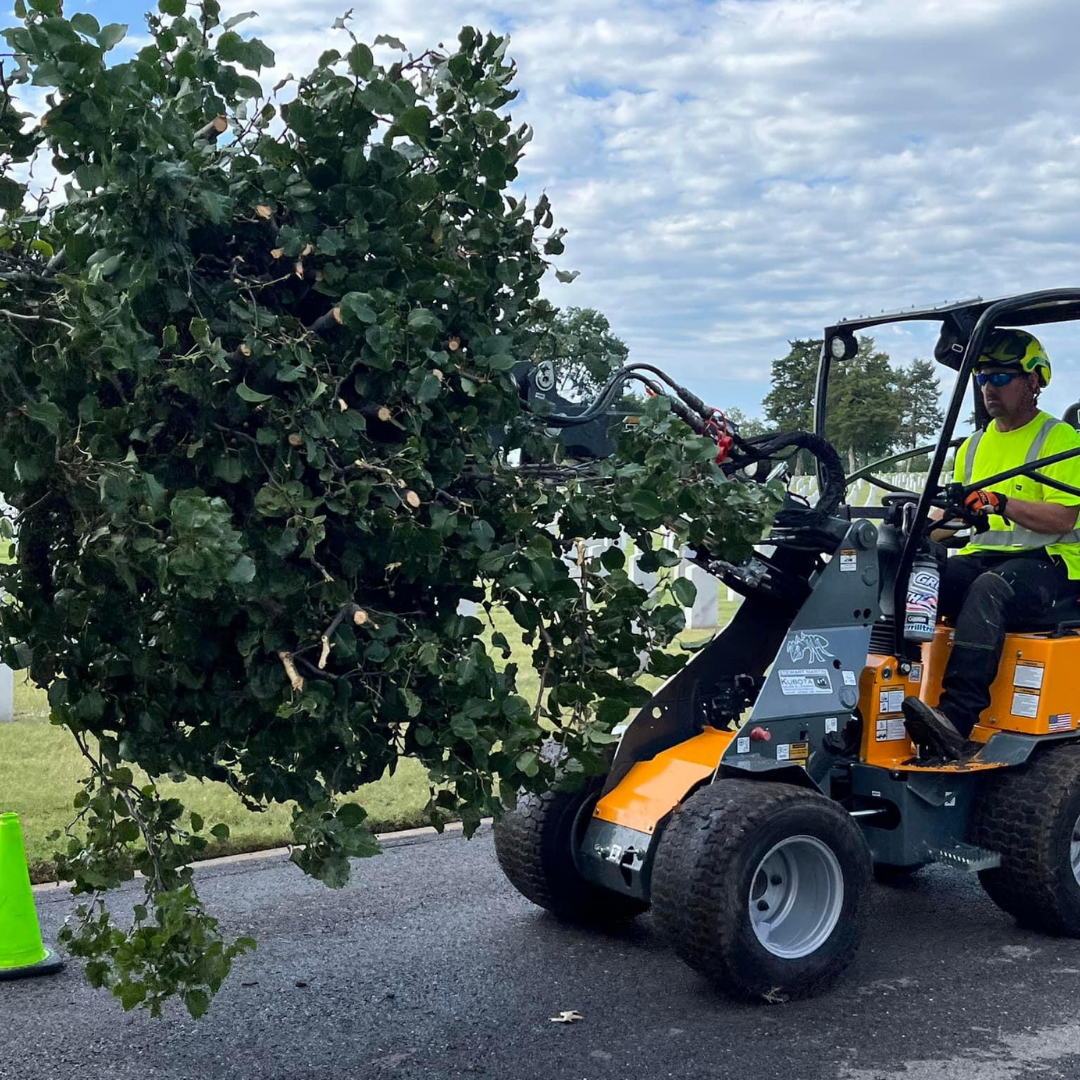
– Safe execution: Using proper tools and techniques to minimize damage and ensure clean cuts that heal efficiently.
– Aftercare guidance: Providing instructions on watering, mulching, and monitoring for signs of stress or infection.
This method not only adheres to the tree pruning definition but also emphasizes safety, environmental responsibility, and long-term value for your Tulsa property. If you want to see how this approach translates into real results, explore our pruning and trimming services to learn more about what a professional team can achieve (https://davisfamilyarbor.com/services).
Pruning versus removal: why pruning is often the best first step
In many cases, pruning offers substantial health benefits without the costs or risks associated with removal. The tree pruning definition supports a less drastic solution that can rejuvenate a tree, restore structure, and improve vigor. Removal is sometimes the only option for unstable trees or those beyond recovery, but it should be considered carefully after a professional assessment. Davis Family Arbor emphasizes preserving healthy trees whenever possible and guides clients through the decision-making process with clear, data-backed explanations.
How to choose the right pruning approach for your trees
Selecting the right pruning approach requires a blend of science and observation. Here are practical steps you can take, especially if you are evaluating a Tulsa landscape on your own:
– Identify the tree species and its typical growth pattern.
– Note any signs of disease, pests, or structural issues.
– Decide on short-term goals (health, safety) and long-term goals (shape, growth rate).
– Schedule an expert assessment to validate your plan and refine the pruning cuts.
– Plan for aftercare, including watering, mulching, and ongoing monitoring.
If you prefer a hands-off approach, you can rely on Davis Family Arbor’s professional services to handle every step—from assessment to pruning to aftercare. Our team can be reached through our dedicated contact channel (https://davisfamilyarbor.com/contact), and you can also learn more about our overall expertise on the About Us page (https://davisfamilyarbor.com/about-us).
A closer look at the benefits in practical terms for Tulsa properties
In a climate like Tulsa’s, where trees face heat stress, drought risk, and storm exposure, the tree pruning definition translates into practical gains you can see year after year:
– More resilient trees able to endure wind gusts and heavy rain.
– Reduced limb failure risk around homes, vehicles, and outdoor living spaces.
– Improved flowering and fruit production for appropriate species.
– Longer tree lifespans through proactive health management.
– A more attractive landscape with well-spaced branches and balanced canopies.
Pruning care tips you can implement between professional visits
To extend the benefits of pruning and support your trees’ health between professional visits, consider these simple practices:
– Water deeply during dry spells to support root and canopy health.
– Apply mulch around the base of trees, keeping mulch away from the trunk to avoid rot.
– Monitor for changes in leaf color, growth rate, or signs of disease, and report concerns promptly.
– Schedule regular inspections, especially for older trees or those near structures.
If you’re exploring more about the range of services that keep trees healthy, you can view our broader service offerings on our Services page. For the most comprehensive care, a collaboration with a professional team ensures adherence to the tree pruning definition and the specific needs of your trees.
How to get started with pruning in Tulsa
Getting started is straightforward. The expertise behind the tree pruning definition is most effective when paired with local knowledge, careful assessment, and precise execution. If you are ready to begin, the best next step is to contact Davis Family Arbor to schedule a professional assessment. The team can discuss goals, assess health, and outline a pruning plan tailored to your trees and property. You can reach us through the contact page to schedule an appointment and talk through your concerns.
Why Davis Family Arbor stands out for tree care in Tulsa
Choosing the right arborist matters. Davis Family Arbor combines technical knowledge, hands-on experience, and a customer-focused approach that prioritizes safety, efficiency, and long-term health. Their arborists are certified, bringing the latest in pruning techniques and best practices to every job. By aligning with the tree pruning definition and applying it to real-world scenarios in Tulsa, they deliver measurable improvements in canopy health, structure, and overall tree vitality.
In addition to pruning, you may find value in other related services that support tree health and landscape aesthetics. If you’re curious about how pruning integrates with broader tree care, explore our comprehensive services, including tree trimming, tree removal, and ongoing maintenance. Each of these options can be discussed in detail with the team, and you can learn more by visiting the services and about pages on the Davis Family Arbor site (https://davisfamilyarbor.com/services and https://davisfamilyarbor.com/about-us).
Conclusion: invest in healthy trees with expert pruning
Understanding the tree pruning definition is a foundational step toward healthier, safer, and more vibrant trees in your Tulsa yard. By prioritizing the right cuts, correct timing, and thoughtful care, you protect your landscape from common threats while guiding growth toward long-term vitality. But knowledge alone isn’t enough—expert execution makes the difference. Partner with Davis Family Arbor to apply the tree pruning definition with precision, backed by certified arborists who know Tulsa’s trees inside and out. If you’re ready to move from theory to action, reach out today and set up a professional pruning assessment. Our team is ready to help you achieve a healthier, more resilient landscape—contact Davis Family Arbor to schedule your appointment or to learn more about our services. Visit our contact page to begin the conversation and discover how pruning can transform your trees and your property.