




In Tulsa, healthy trees are more than just a pleasing landscape feature—they’re a vital part of your property’s safety, shade, and long term value. Understanding the tree pruning definition is the first step toward keeping those trees strong and vibrant. This article breaks down what tree pruning definition means in practical terms, why it matters for tree health, and how to approach pruning safely and effectively with expert help from Davis Family Arbor.
Understanding the tree pruning definition and its impact on Tulsa trees
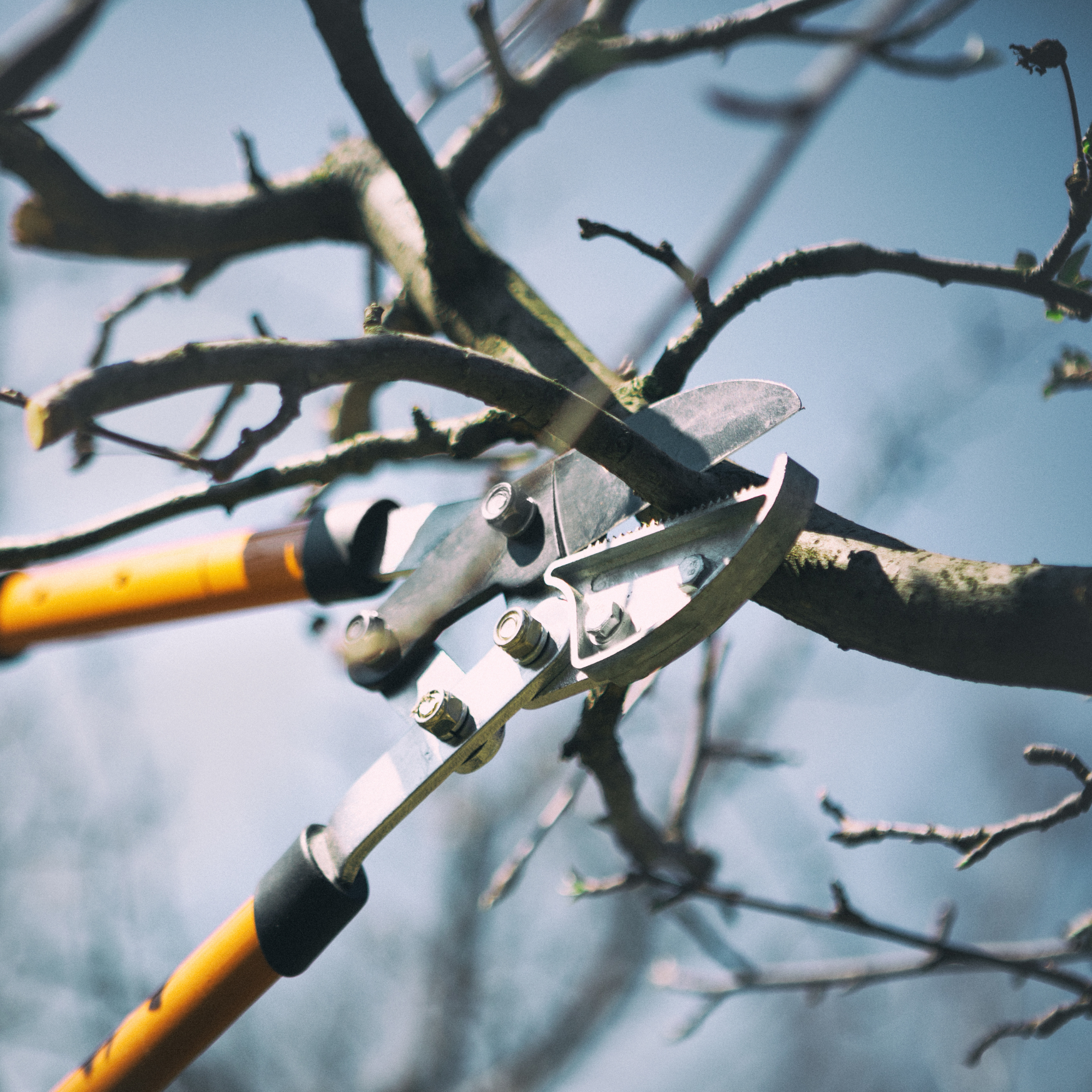
What exactly is encompassed by the tree pruning definition? At its core, tree pruning definition refers to the selective removal of branches to improve the tree’s health, structure, safety, and appearance. It is about making precise cuts that encourage healthy growth and reduce risks, not just trimming for looks. When performed correctly, pruning helps trees allocate resources to strong, well placed growth while eliminating branches that would otherwise compromise vigor or safety.
In practical terms, the tree pruning definition guides decisions about which limbs to remove, how much to cut, and where to make each cut. It emphasizes cuts that heal cleanly, preserve the tree’s natural form, and protect it from future problems. For Tulsa landscapes, where heat, storms, and diverse species demand thoughtful care, sticking to this definition supports trees through seasonal stresses and pest pressures while maintaining curb appeal.
What pruning does for tree health
Pruning is a proactive practice with clear health benefits. Here are some of the most important ways the tree pruning definition translates into real results:
– Improved structure: Removing competing branches helps establish a strong central leader and well spaced scaffold limbs, which reduces the likelihood of weak codominant stems forming later.
– Enhanced air flow and light: Opening the canopy reduces humidity pockets and sunlight dead zones, limiting disease and encouraging even growth.
– Disease and pest management: Dead, diseased, or infested wood is removed, interrupting the spread of problems and enabling the tree to focus its energy on healthy tissue.
– Better vigor and growth: By directing energy to healthy growth and removing suppressed or crowded limbs, trees can allocate resources toward new, productive growth rather than sustaining damaged tissue.
– Safety and risk reduction: Removing branches that overhang structures, sidewalks, or driveways lowers the chances of storm damage and injury during high winds.
Incorporating the tree pruning definition into a tailored Tulsa plan
Because Tulsa’s climate and tree diversity require nuanced care, applying the tree pruning definition means tailoring pruning practices to each species, age, and location. What works for a mature oak may not be appropriate for a young flowering cherry. A routine pruning plan built around a thoughtful definition helps you maintain tree health year after year. To see how this translates into hands on work, consider how professional pruning blends science with local knowledge.
Key pruning methods defined by the tree pruning definition
Within the tree pruning definition, several core pruning methods are used to achieve specific health and structural goals. Understanding these methods helps homeowners recognize quality work and communicate with professionals.
– Thinning cuts: This involves removing a branch back to a lateral branch or to the trunk, reducing density and improving airflow and light penetration. Thinning supports the tree’s natural shape while decreasing the risk of branch rubbing and wind damage.
– Crown raising: Lifting the lower branches to provide clearance for sidewalks, vehicles, or structures. This method maintains the overall canopy while creating safe space beneath the tree.
– Crown thinning: Selective removal of interior branches to reduce crowding and allow for better air movement. Crown thinning preserves the tree’s silhouette while promoting healthier growth.
– Reduction cuts: Shortening a branch to fit within a desired size while preserving its intended direction of growth. This is useful when trees overhang roofs or power lines, and it should be done conservatively to avoid shocking the tree.
– Heading cuts: Removing the terminal portion of a branch to stimulate new growth. Heading cuts are used sparingly and with care, because excessive heading can lead to weak regrowth and poor structure.
Seasonality and timing in Tulsa
The timing of pruning is a key element of the tree pruning definition in practice. Tulsa’s seasons influence which methods are best and when. General guidelines include:
– Dormant pruning for many species: With trees in a dormant state during late winter, you can safely prune without stimulating new growth during a time of vulnerability. This approach often works well for trees like maples, oaks, and elms.
– Flowering trees require species aware timing: Trees that bloom in spring may need pruning after flowering to avoid cutting off next year’s buds. The tree pruning definition supports a schedule that respects the tree’s life cycle.
– Post storm or damage pruning: After wind events or heavy rain, priority is given to removing hazardous limbs and stabilizing the tree’s structure. This aligns with the health and safety goals in the tree pruning definition.
Professional care versus DIY pruning
While some minor pruning can be appropriate for experienced homeowners, the tree pruning definition emphasizes precision and safety. Improper cuts can scar trees, invite infections, or weaken structure. For large, mature trees or species with complex growth patterns, professional arborists bring the expertise to implement the tree pruning definition correctly.
– Arborists assess risk: A certified arborist understands how a cut will affect long term tree health and structural integrity.
– Correct tools and techniques: Professionals use professional grade tools and protective practices to prevent injury to you and damage to the tree.
– Health assessment: An expert evaluates disease, pests, and decay and can coordinate treatments or removals if needed.
– Safety is paramount: Climbing, rigging, and working around power lines require training and proper equipment.
Choosing the right professional
If you’re seeking a trusted partner for applying the tree pruning definition in Tulsa, look for a company with credentials, experience, and local knowledge. Consider the following when selecting an arborist:
– ISA certification or equivalent credentials
– Proper licensing and insurance
– Clear communication about pruning goals and methods
– Transparent pricing and a written plan
– Positive customer references and a track record of safe, tidy work
Davis Family Arbor offers certified arborists who understand the Tulsa climate, local tree species, and the best pruning practices to promote health and safety. Learn more about our team and approach by visiting our About