



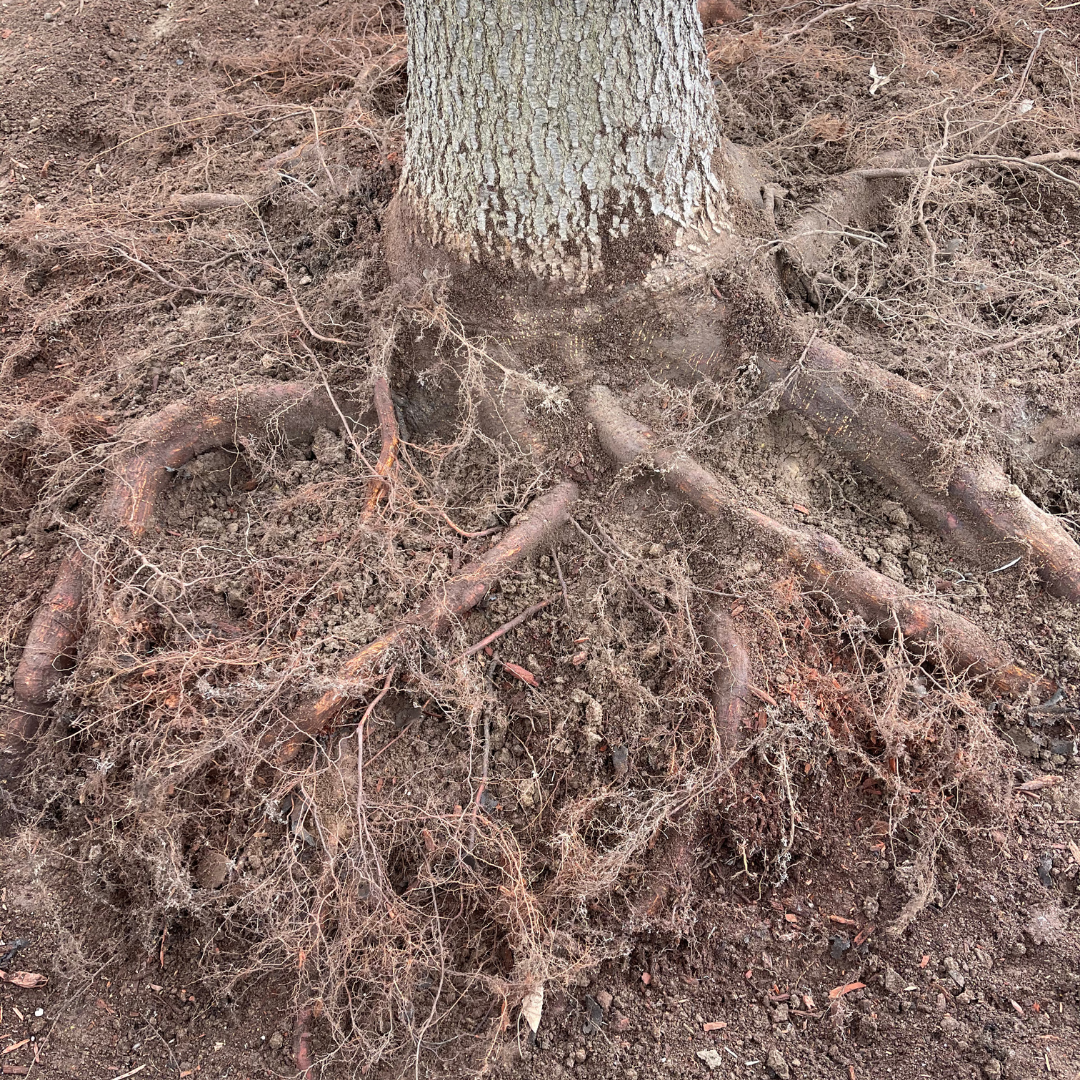
Poisonous trees can be a quiet danger in yards, playgrounds, and outdoor living spaces. A tree that looks sturdy on the outside can hide toxins in its sap, berries, or leaves that pose real risks to curious kids, curious pets, and even nearby structures. If you suspect a tree in your landscape might be poisonous or simply want to eliminate a hazard, you need a trusted partner who prioritizes safety and professional expertise. That partner is Davis Family Arbor. Our certified arborists assess, manage, and remove poisonous trees with meticulous care, protecting your home and family while preserving landscape value.
Understanding poisonous trees and why they matter
poisonous trees are not always obviously dangerous at a casual glance. Some produce vibrant berries or flowers that attract children and animals, while others harbor toxins in sap that can irritate skin or mucous membranes upon contact. The risks aren’t limited to ingestion; skin exposure to certain tree sap or oils can trigger allergic reactions or dermatitis. For homeowners, the presence of a poisonous tree means thinking ahead about access, play areas, pets, and nearby structures. This is why a professional assessment is essential before considering removal or pruning.
Key indicators that a tree may be poisonous or hazardous
– Visible signs of decay or decline: fungal growth on the trunk, hollow sections, or cracks that compromise structural integrity can worsen the dangers associated with a poisonous tree.
– Toxic plant parts visible on the tree: some trees bear berries, seeds, or sap that are known to be harmful if ingested or contacted.
– Obvious proximity to high-traffic areas: trees near patios, play areas, or walkways require heightened safety measures even if they don’t look obviously dangerous.
– Unusual sap or odors: strong milky or resinous sap, or a distinct chemical smell, can indicate toxins that warrant a professional evaluation.
If you notice any of these signs, it’s prudent to contact Davis Family Arbor for a full assessment. Our team specializes in identifying risk factors, evaluating structural integrity, and determining whether removal or safer alternatives are the best course of action. You can learn more about our approach by visiting our services page and exploring our comprehensive tree care options, including in-depth information about tree removal and pruning services.
A careful, safety-first approach to assessing poisonous trees
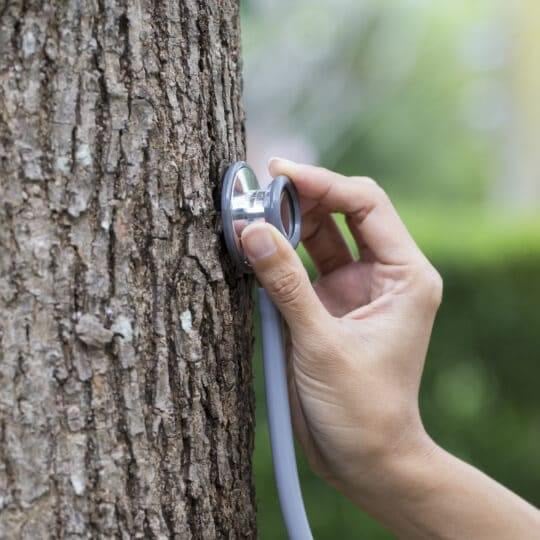
Before any removal work begins, our certified arborists perform a thorough, science-based assessment. This pre-removal evaluation looks at:
– Species identification and toxin profiles: understanding the species helps us anticipate specific hazards and select the safest removal strategy.
– Structural risk assessment: evaluating lean, crack patterns, or signs of internal decay that could jeopardize workers or property during removal.
– Site analysis and access planning: mapping clear paths for equipment, minimizing disruption to your landscape, and ensuring safety for bystanders.
– Wildlife considerations and permits: identifying active nesting sites or protected species that could influence timing or methods, and handling any required permits.
This level of assessment is essential for a successful outcome and is a core part of Davis Family Arbor’s service philosophy. For homeowners exploring options, we recommend reviewing the details on our services page to understand how an expert evaluation translates into a safe, effective plan. If you’re unsure where to start, you can also learn more about our company values on our About Us page, which outlines why Davis Family Arbor is trusted by families and businesses alike.
Safe removal options for poisonous trees
Once a tree has been identified as poisonous or too hazardous to keep, Davis Family Arbor offers removal options that prioritize safety, efficiency, and landscape health. Our approach emphasizes controlled execution, minimal disruption, and responsible disposal. Here are common pathways we may take, depending on the species, location, and your goals:
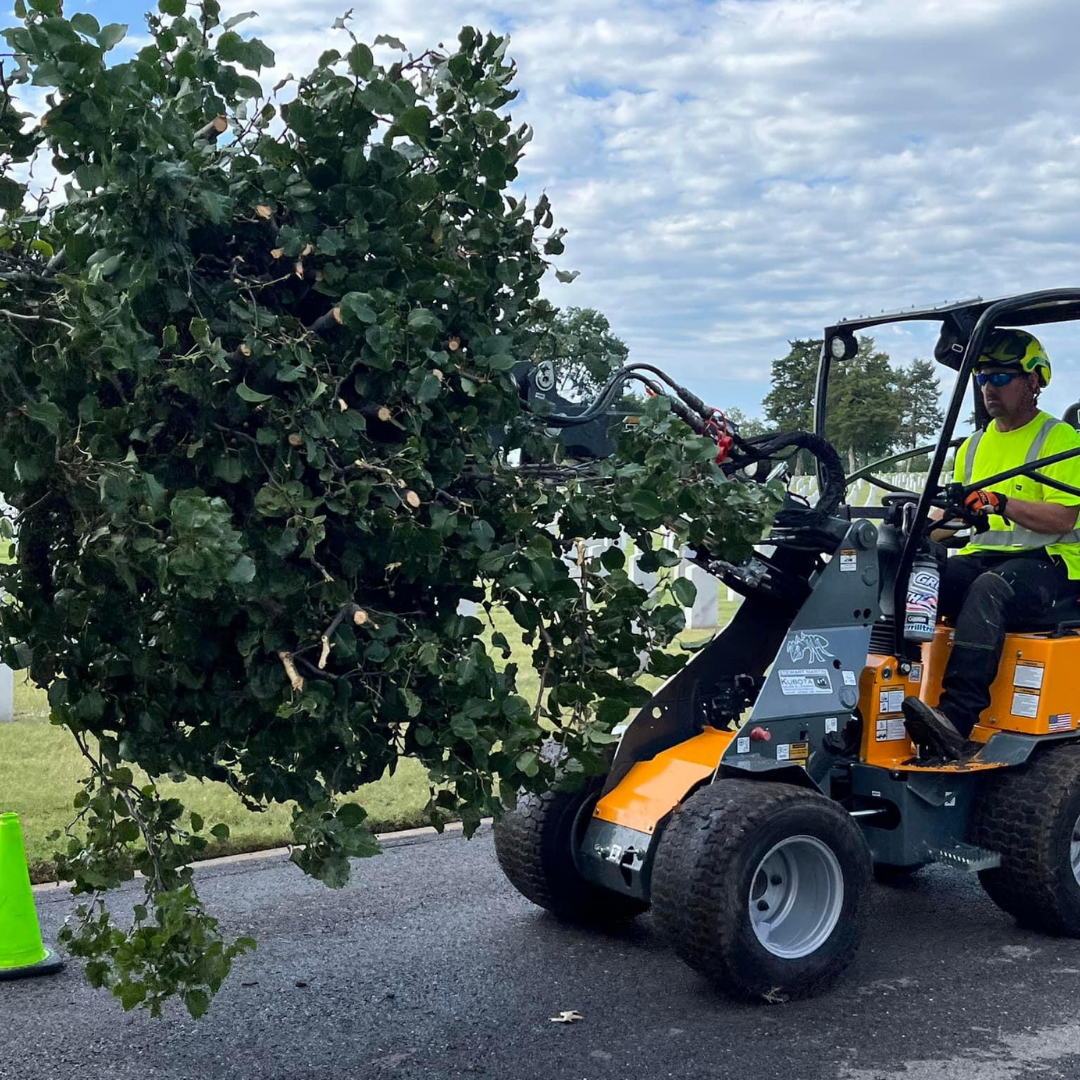
– Complete tree removal: When the tree poses substantial risk or contains toxins that cannot be mitigated safely, full removal is the safest option. This method reduces exposure risk and helps prevent future liability.
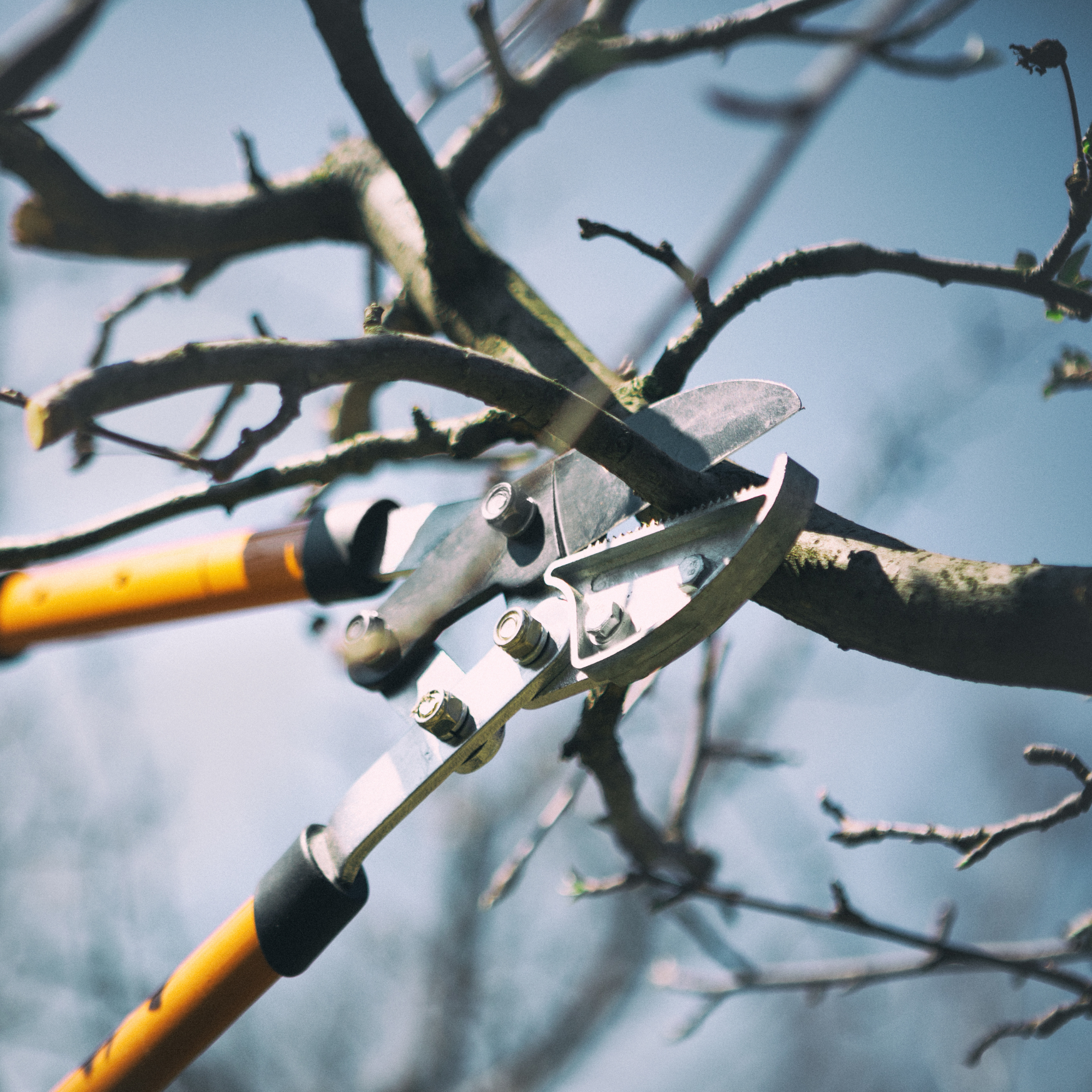
– Partial removal or pruning: If only certain branches pose a hazard or if the tree is otherwise healthy, selective pruning can reduce risk while preserving some landscape value.
– Cabling, bracing, and stabilization: For trees with significant structural concerns that you want to retain, we may implement support systems to extend life while reducing danger during storms or high winds.
– Relocation or replanting: In some cases, replacing a poisonous tree with a safer, non-toxic species is the best long-term solution for your landscape.
All removal work is performed with strict adherence to safety standards, and disposal is handled responsibly to protect your home and environment. If you’d like to see how we handle a typical project, our professional tree removal process is detailed on our tree removal service page, which explains every step from assessment through post-removal cleanup.
Why DIY removal is not recommended for poisonous trees
The temptation to tackle a poisonous tree on your own can be strong, especially for homeowners with limited space or busy schedules. However, DIY removal carries significant risks:
– Exposure to toxins: direct contact with sap or berries can cause skin irritation or allergic reactions, and poor handling can lead to serious exposure.
– Structural failure during removal: untrained hands may misjudge a limb’s weight or the tree’s internal decay, resulting in a dangerous fall or property damage.
– Equipment hazards: improper use of chainsaws, cranes, or other heavy equipment increases the risk of injury to you and bystanders.
– Permitting and compliance: some removals require permits or adherence to local regulations, which a professional team can navigate efficiently.
Davis Family Arbor’s professionals are trained to manage these hazards with advanced equipment, safety protocols, and insurance coverage to protect you. To learn more about what a professional team can do, check out our services page or contact us to discuss your specific situation.
What to expect when you hire Davis Family Arbor for poisonous trees
From your first call to the final cleanup, your experience with Davis Family Arbor is designed to be transparent, efficient, and thorough. Here’s a typical flow you can expect:
– Initial consultation and site assessment: A trained arborist visits your property to assess the tree, discuss your concerns, and outline the recommended next steps.
– Detailed estimate and plan: You’ll receive a written estimate that outlines the scope, timeline, and safety measures. We encourage questions and will tailor the plan to your property and budget.
– Scheduling and safety briefing: We schedule the work at a convenient time and brief anyone on-site about safety practices and access routes.
– Removal or treatment work: Our team uses controlled methods and industry-approved equipment to remove or manage the tree while protecting nearby structures, utilities, and landscaping.
– Post-removal cleanup and review: We restore the work area, address stump and root considerations, and review ongoing care options to maintain landscape health.
– Follow-up and ongoing care: After the project, you’ll have access to ongoing care options, including tree trimming and disease prevention, which you can explore on our Services or Tree Trimming pages.
Keep in mind that every project is unique. If you want to see how we approach projects, you can explore related services such as Tree Removal to understand the standard practices and safety standards we apply. For more about our company ethos and expertise, our About Us page provides background on our team and certifications.
Protecting your home and landscape after removal
Removing a poisonous tree is only part of the job. Proper post-removal care helps protect your home and any nearby plants or turf. Consider these steps:
– Stump grinding or removal: Decide whether you want to remove the stump entirely to prevent sprouting or to minimize the chance of regrowth.
– Root zone care: Address any remaining roots that could affect foundation, sidewalks, or drainage; plan for regrading if necessary.
– Soil and turf restoration: Reestablish turf or plant new greenery in the area to restore aesthetic appeal and prevent erosion.
– Ongoing monitoring: Schedule periodic checks for new growth, pest issues, or signs of disease in the surrounding trees.
If you’d like to learn more about long-term tree care and maintenance, look into our Tree Trimming services or reach out via our contact page to discuss a tailored plan for your landscape. Our team is ready to help you maintain a safe and vibrant yard.
Frequently asked questions about poisonous trees
– Are poisonous trees illegal to remove? Most removal situations are legal when performed by a licensed professional and carried out with proper permits (if required). Our team can handle the permitting process or coordinate with local authorities as needed.
– Can all poisonous trees be saved with mitigation? It depends on the species, location, and level of toxins. In many cases, removal is safer and more cost-effective than mitigation, especially if exposure risk remains high.
– How long does removal take? The timeline depends on the size of the tree, equipment access, and site safety requirements. A typical project can range from a few hours to a full day, with an aftercare plan provided.
– What should I do if my child or pet comes into contact with poisonous tree sap or berries? Rinse exposed skin with soap and water immediately, and seek medical or veterinary advice if irritation persists or if ingestion occurs.
Internal links you may find helpful
– For an overview of our capabilities, see our Services page, which details tree care options from consultation to maintenance.
– If you’re prioritizing removal or need urgent help, explore our Tree Removal services for a professional, safety-first approach.
– To maintain or improve the health and appearance of your landscape after removal, consider Tree Trimming services.
– Learn more about our team, values, and certifications on the About Us page.
– Ready to take the next step? Contact us to schedule a free, no-obligation estimate and discuss your options with a Davis Family Arbor specialist.
Conclusion and call to action
Poisonous trees present real hazards that require professional assessment and careful, safe removal. With Davis Family Arbor, you gain access to certified arborists who prioritize safety, effectiveness, and landscape health. Our team will guide you from initial assessment through post-removal care, providing clear communication, reliable scheduling, and a transparent estimate. Don’t leave your family’s safety to chance—contact Davis Family Arbor today to discuss your poisonous trees and request a free estimate. If you’re ready to take the next step, reach out through our contact page or explore our services to see how we can help with tree removal, trimming, and comprehensive care for your yard.