




Understanding the Risk of Poisonous Trees in Tulsa
Every sunny afternoon in Tulsa is a reminder of how much we love our outdoor spaces. But along with the beauty of yards and shade trees comes a real concern: poisonous trees and plants that could threaten your family, pets, or neighbors. This article aims to demystify the risk, explain how exposure happens, and show practical steps you can take to keep your landscape safe. If you want expert guidance, a certified arborist from Davis Family Arbor can assess your property, diagnose concerns, and provide safe removal or care options. Learn more about our services by visiting our services page.
What qualifies as poisonous trees and why this matters in Tulsa
The phrase poisonous trees often brings to mind dramatic worst-case scenarios. In reality, the risk comes from two sources: plants that are hazardous if touched or ingested, and trees that are structurally unsafe due to disease, decay, or weak branches. In Tulsa’s warm climate, many homeowners mix ornamental plants with native or adapted trees. Some species and components can pose a danger to children and pets, especially when they are stressed, damaged, or consumed.
Common species and misconceptions
– Poisonous plants that may appear in yards: Poison ivy, poison oak, and poison sumac are well known for causing skin irritation. These plants are typically vines or shrubs, and they often grow on or near trees, fences, or along trails in and around Tulsa. The risk is the contact with oils on the leaves, which can transfer to skin, clothing, or pets. Remember that these aren’t strictly trees, but their proximity to trees means your landscape can unintentionally place you in contact with them.
– Toxic trees and ornamentals you should recognize: Some trees and ornamental plants contain toxic compounds if ingested or improperly handled. Yew trees (Taxus species) and oleander (Nerium oleander) are classic examples of highly toxic plants that should be kept away from children and curious pets. Other common landscape plants, such as cherry laurels, can be problematic if parts are eaten. These species are not meant to cause rash on contact the way poison ivy does, but ingestion can cause serious health issues.
– Myths vs reality: A common misconception is that only “dangerous” trees are a threat. In reality, a healthy tree can still be risky if children use it for rough play and fall from branches, or if a tree is diseased and prone to cracking or failure in storms. Poisonous trees in Tulsa can also refer to trees or plants that release toxins into soil or air when stressed, though this is less common. A thorough on-site evaluation by a qualified arborist can separate myth from reality and tailor a plan for safety.
How exposure happens and why prevention matters
Exposure to poisonous trees or toxic plants can occur in several everyday scenarios:
– Direct contact with leaves or sap: Skin contact with plants like poison ivy or poison oak can trigger rashes for some people. Even brushing up against vines climbing a tree can cause irritation. Keeping a clean yard and teaching children not to touch unknown plants helps reduce risk.
– Ingestion by children or pets: Curious youngsters or dogs sniffing and nibbling on leaves, seeds, or berries can ingest toxic compounds. Some ornamental plants have seeds or berries that are particularly dangerous if swallowed.
– Indirect exposure through contaminated surfaces: Touched branches, tools, or clothing can transfer plant oils or toxins to other parts of the home. Cleaning tools and changing clothes after yard work minimizes cross-contamination.
– Hazard from trees in distress: A tree that is diseased or structurally compromised can shed limbs or collapse in a storm, presenting a physical danger to anyone nearby. While not a toxic exposure, the threat to safety remains real and immediate.
Recognizing symptoms and knowing when to seek help
Understanding the signs of exposure or risk helps you act quickly and safely. If you notice any of the following, consider consulting a professional arborist or healthcare provider:
– Skin reactions after contact with unfamiliar plants: redness, itching, swelling, or blistering after outdoor activity can indicate exposure to poisonous plants such as poison ivy. Soap and water washing soon after exposure can help, but persistent symptoms should be evaluated.
– Signs of ingestion or poisoning: vomiting, abdominal pain, confusion, or unusual thirst or urination after chewing on plant material or berries warrants urgent attention from a medical professional.
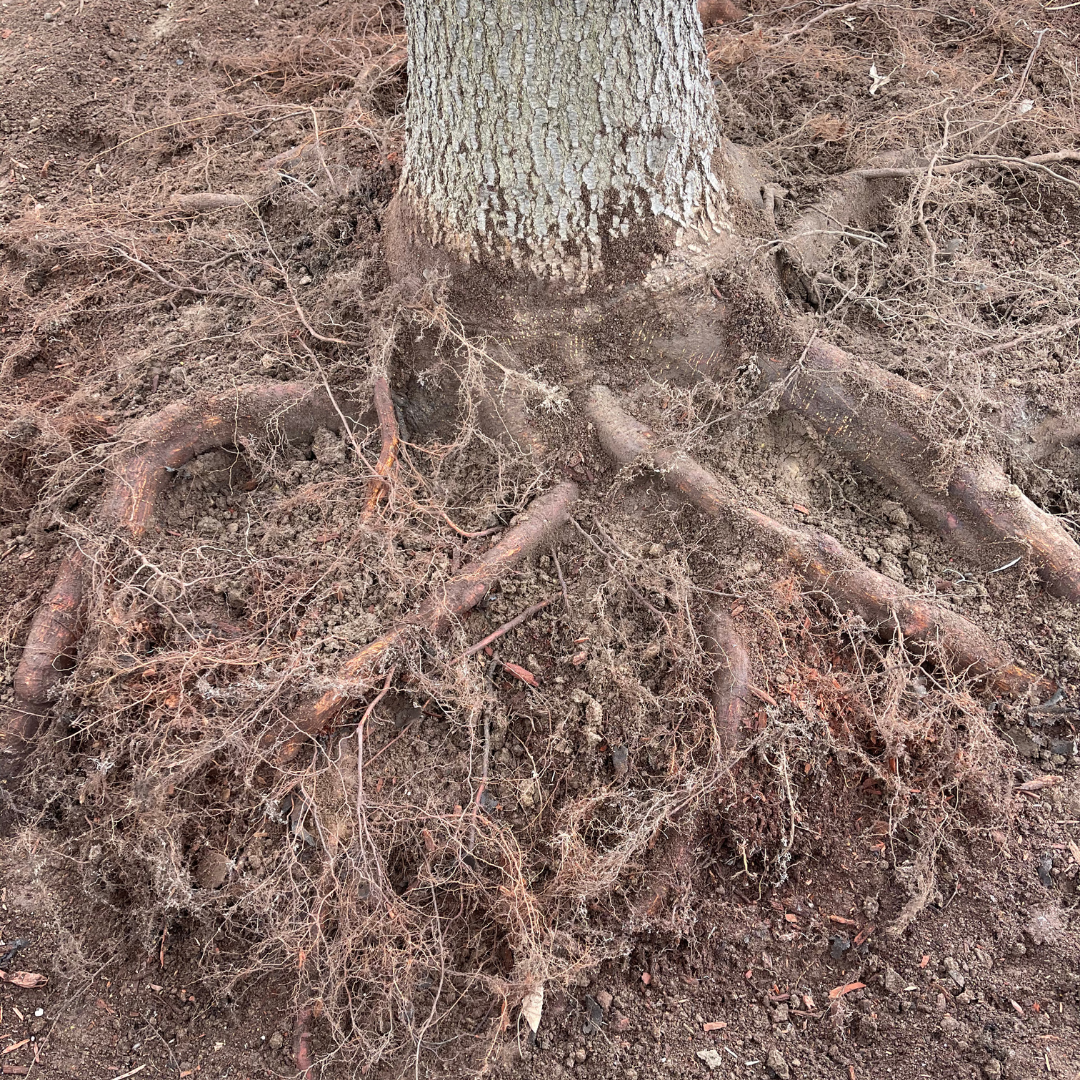
– Structural hazards in trees: If you notice cracking limbs, disconnected roots, cavities, or dead branches, do not climb or shake the tree. A licensed arborist should assess the risk and determine if removal or pruning is necessary.
Diagnostic steps an arborist can take
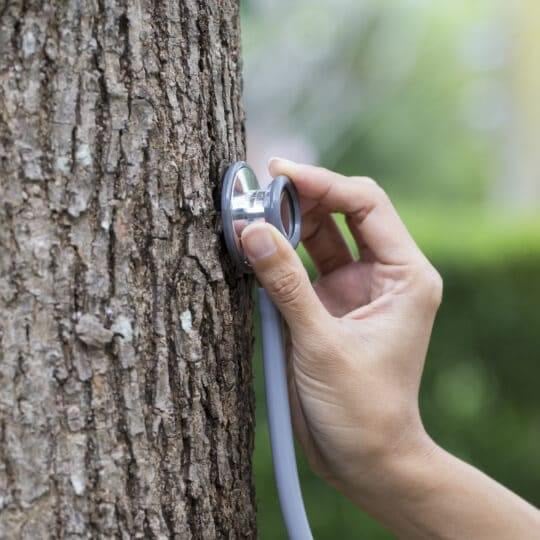
A certified arborist brings professional expertise to assess both the presence of dangerous plants and the health of trees on your property. Key steps include:
– Site inspection and species identification: An on-site visit helps identify any poisonous plants, vines, or trees that could pose risk. The arborist can pinpoint whether the hazard is due to contact, ingestion, or structural risk.
– Risk assessment and prioritization: The arborist evaluates the likelihood of exposure and the potential consequences. They may categorize hazards by