



Introduction
If you own a property in Tulsa and you’re dealing with a bradford pear tree, you’re likely weighing the pros and cons of removing it. Bradford pear trees are attractive when they’re young, but many homeowners learn the hard truth about their long term stability and health. At Davis Family Arbor, our certified arborists understand the specific challenges these trees can pose in Oklahoma’s climate, and we’re here to help you decide whether removal is the best option. This guide will walk you through why a bradford pear tree in Tulsa might need to go, how the removal process works, and what you can do afterward to keep your landscape thriving.
BRADFORD PEAR TREE ISSUES IN TULSA
Bradford pear trees are popular for their early bloom and dense canopies, but in Tulsa they can develop problems that make continued growth impractical or unsafe. The trees are known for rigid branching patterns that can become weak after storms or heavy winds. Over time, that structural weakness increases the risk of limb failure, which can threaten nearby structures, vehicles, or people.
In addition to poor branch structure, bradford pear tree susceptibility to disease can accelerate decline. Fire blight, a bacterial infection, and pests that target pear species can spread quickly through a stand of these trees. When disease takes hold, ongoing maintenance becomes more expensive and less effective than a well planned removal and replacement strategy.
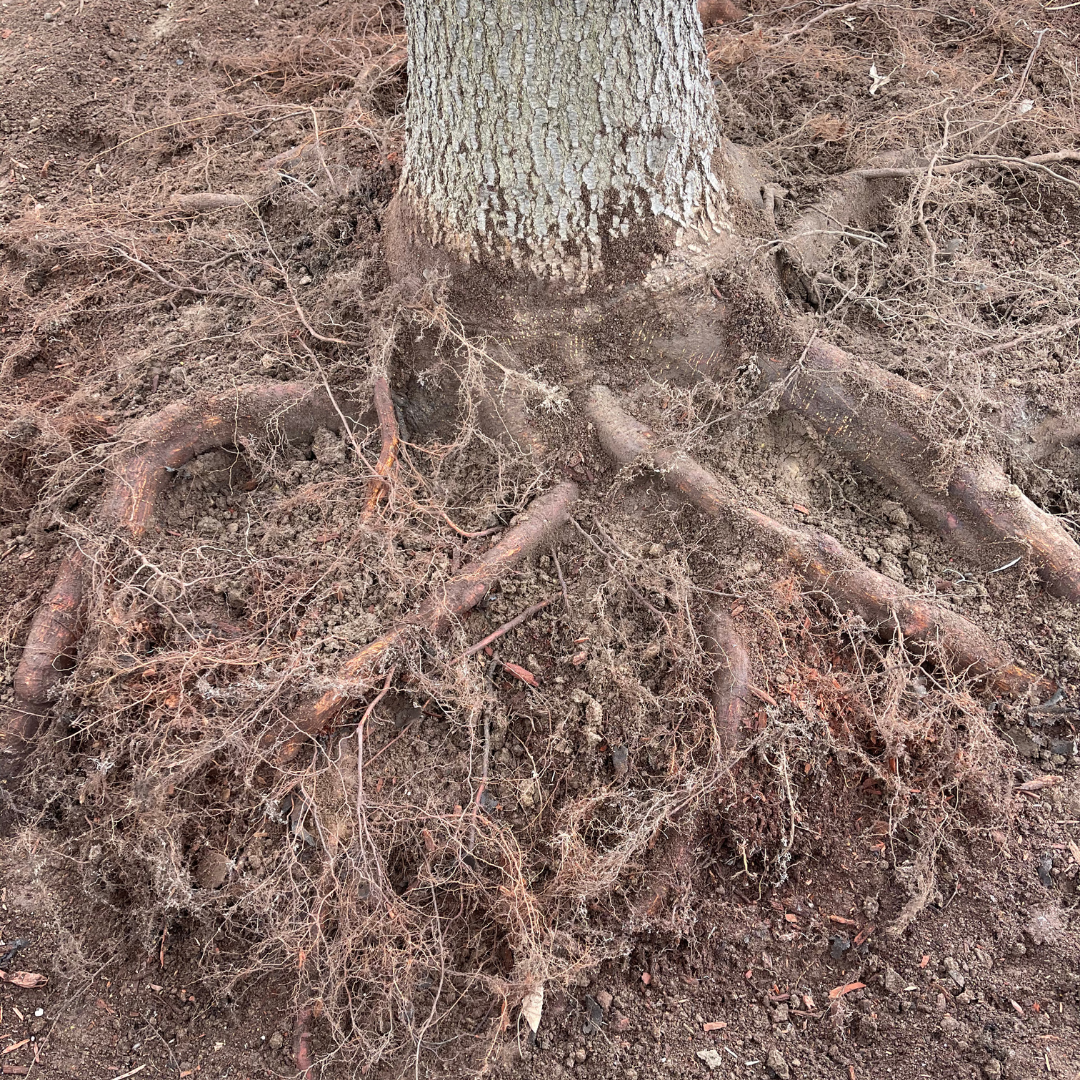
Another reality homeowners face is that bradford pear trees often develop root and soil issues as they age. In Tulsa’s varied soil types and wet springs, root rot and soil compaction can impact the health of the tree, reducing stability and vigor. As roots deteriorate, the risk of ground settlement, heaving sidewalks, or driveway damage increases. In short, the longer you delay, the bigger the potential for expensive property damage or safety concerns.
If your tree is located near your home, a driveway, or a sidewalk, the risk becomes even more significant. The decision to remove a bradford pear tree in Tulsa often hinges on proximity to structures and the likelihood of future failures. Our team at Davis Family Arbor conducts a careful on site assessment to determine structural risk, disease presence, and the overall health of the tree before advising removal. To start planning, you can explore our services page to learn more about the breadth of options we offer in tree care and removal (https://davisfamilyarbor.com/services).
SIGNS YOUR BRADFORD PEAR TREE NEEDS REMOVAL
Understanding the signs that indicate removal is necessary helps homeowners act quickly and avoid accidents. Look for these red flags in a bradford pear tree:
– Visible structural weakness: Cracked or split trunks, large, deadwood, or significant lean toward structures or walkways.
– Severe health decline: Yellowing leaves, sparse foliage, or dieback that does not respond to routine care.
– Widespread disease: Bark lesions, oozing sap, or cankers that spread to multiple branches.
– Root related issues: Gaps in soil, surface roots that create trip hazards, or movement of adjacent pavement.
– Proximity concerns: A tree located too close to your home, garage, or power lines, where failure could cause major damage.
– Recurrent maintenance costs: Ongoing costly treatments, frequent limb reinforcements, or repeated pruning complications.
If you notice one or more of these signs, it is wise to schedule an on site evaluation with a licensed professional. Our arborists can provide a clear assessment and outline whether removal is the safest option. To review your options and plan the next steps, consider speaking with Davis Family Arbor about your bradford pear tree concerns (https://davisfamilyarbor.com/contact).
REMOVAL PROCESS WITH DAVIS FAMILY ARBOR
When removal is recommended, Davis Family Arbor follows a careful, safety minded process to protect you and your property. Here is what you can expect from our team:
– Initial consultation and site assessment: We visit your Tulsa property to evaluate the tree’s health, structure, and location relative to buildings, driveways, and utilities. This step helps us determine the best removal approach and any potential risks.
– Permitting and planning: We determine if local permits are required and develop a removal plan that minimizes disruption and adheres to Oklahoma regulations. If needed, we handle the permitting process for you.
– Safe, professional removal: Our certified arborists use industry best practices to remove the bradford pear tree in sections when needed, reducing risk to nearby objects and preserving soil integrity. Tree removal is performed using appropriate equipment and safety protocols so that debris is managed responsibly.
– Stump grinding and cleanup: To reclaim the space, we offer stump grinding and thorough site cleanup. This helps ensure the area is ready for your preferred replacement planting.
– Aftercare and replacement options: After removal, we discuss replanting strategies to restore landscape function and beauty, including selecting tree species that fit your yard, climate, and goals. Learn more about our tree trimming and care services to keep your landscape in top shape (https://davisfamilyarbor.com/tree-trimming).
Throughout the process, we communicate clearly about timing, costs, and what you should expect at each stage. Our priority is a transparent, stress free experience that prioritizes safety and quality workmanship. If you want to see how we approach removal and replacement, review our Tree Removal service page for a detailed outline (https://davisfamilyarbor.com/tree-removal).
SAFETY AND REGULATORY CONSIDERATIONS
Removing a bradford pear tree in Tulsa should always be done by trained professionals. The size, age, and location of the tree can present risks during extraction, particularly when near structures or buried utilities. Our certified arborists follow safety protocols that protect workers and your property. We also assess the site for power lines, underground cables, and nearby vehicles to prevent damage or injury.
Regulatory considerations in Tulsa and the broader Oklahoma region may require permits for certain removals, especially on larger lots or in special zoning districts. Our team can determine permit needs and guide you through the approval process, ensuring compliance and minimizing delays. When you hire a qualified professional, you also benefit from insurance coverage that protects you in the unlikely event of an accident. If you’d like to discuss regulatory aspects before moving forward, you can reach out to us to review specifics for your property (https://davisfamilyarbor.com/contact).
AFTERCARE AND REPLACEMENT OPTIONS
Removal of a bradford pear tree opens space for new landscape plans that can improve curb appeal and long term resilience. After removal, consider these steps:
– Soil preparation: We assess soil drainage and structure, then amend as needed to create a healthy bed for new trees. Proper soil preparation increases the odds of successful future plantings.
– Replacement tree selection: Choose species well suited to Tulsa’s climate, soil, and sun exposure. Native and adaptive trees often perform better over time and require less maintenance.
– Spacing and planning: Redesign your planting layout to avoid future conflicts between roots, branches, and utilities. Our team can provide a layout plan that maximizes light, air flow, and space.
– Ongoing maintenance: Regular pruning, fertilization, and health checks support long term tree vigor. If you are considering ongoing care, explore our tree trimming and general care services (https://davisfamilyarbor.com/tree-trimming) to keep your landscape healthy.
– Staging a multi tree plan: If you have several Bradford pear trees or other species, we can help create a coordinated removal and replacement plan that minimizes disruption and maintains landscape aesthetics.
Choosing a replacement involves considering growth rate, canopy shape, root pattern, and disease resistance. Our arborists bring experience from many Tulsa yard projects to help you select trees that fit your goals, whether you want shade, color, or seasonal bloom. To discuss replacement ideas and get a precise plan, contact us and request a free, no obligation quote (https://davisfamilyarbor.com/contact).
CONCLUSION AND CALL TO ACTION
Deciding whether to remove a bradford pear tree in Tulsa comes down to safety, health, and long term landscape plans. If the tree shows signs of structural weakness, disease, or proximity to your home and utilities, removal may be the safest and most cost effective path. At Davis Family Arbor, we combine education, experience, and a commitment to safe, high quality work to help you make the best decision for your property.
If you are considering removal or want a professional assessment of your bradford pear tree situation, our team is ready to help. We offer clear, candid recommendations and a straightforward path to next steps. You can reach our certified arborists to discuss your Tulsa yard, review options, and schedule a convenient appointment. For a comprehensive assessment and a plan tailored to your needs, contact Davis Family Arbor today and request a free quote (https://davisfamilyarbor.com/contact). To explore related services that support healthy landscapes, browse our Services page (https://davisfamilyarbor.com/services) and our Tree Removal and Tree Trimming offerings (https://davisfamilyarbor.com/tree-removal) (https://davisfamilyarbor.com/tree-trimming).
If you are ready to move forward, you can also learn more about the people behind the work on our About Us page, which explains the expertise and care that guide every project (https://davisfamilyarbor.com/about-us). A well planned removal combined with thoughtful replanting can restore beauty, safety, and value to your Tulsa property. Let Davis Family Arbor help you protect your home and your landscape with confidence.