




Understanding the crepe myrtle tree growth rate in Tulsa
If you’re planting crepe myrtle in Tulsa, you’re likely drawn to its spectacular summer blooms, graceful form, and relatively low maintenance. But to grow thriving, well-shaped trees in the Tulsa climate, you need to understand the crepe myrtle tree growth rate. Growth rate isn’t just a single number; it reflects how fast the tree adds height, spreads its limbs, and fills in its canopy year by year. With accurate expectations and smart care, you can enjoy vibrant color and robust structure for decades.
What is the crepe myrtle tree growth rate in Tulsa? In general, crepe myrtle can add about 1 to 3 feet of height per year, depending on cultivar, site conditions, and how you prune and feed the tree. In Tulsa’s hot summers and varied soil types, some cultivars perform more vigorously than others. Dwarf and compact varieties may reach their full height within 4 to 6 years, while larger standard selections can take longer to approach mature height. It’s important to note that growth rate can slow after the tree completes its initial rapid growth phase as it reaches structural maturity, especially if pruning is aggressive or growing conditions become less favorable.
Factors that shape crepe myrtle growth rate in Tulsa
Tulsa’s climate and soil offer both opportunities and challenges for crepe myrtle growth. The crepe myrtle tree growth rate responds to several variables, and understanding these helps you manage expectations and plan for pruning, spacing, and long-term health.
– Cultivar type matters: Dwarf varieties (often 4 to 8 feet tall at maturity) tend to show faster height-to-width balance and quicker fullness, while standard or large-form cultivars (up to 20 to 30 feet tall) grow more extensively over time. Your selection should align with available space, desired bloom display, and long-term goals for the landscape.
– Sun exposure: Full sun is essential for robust flowering and steady growth. Crepe myrtle stored in less-than-ideal light will often grow more slowly and produce fewer blooms, which can affect perceived growth rate.
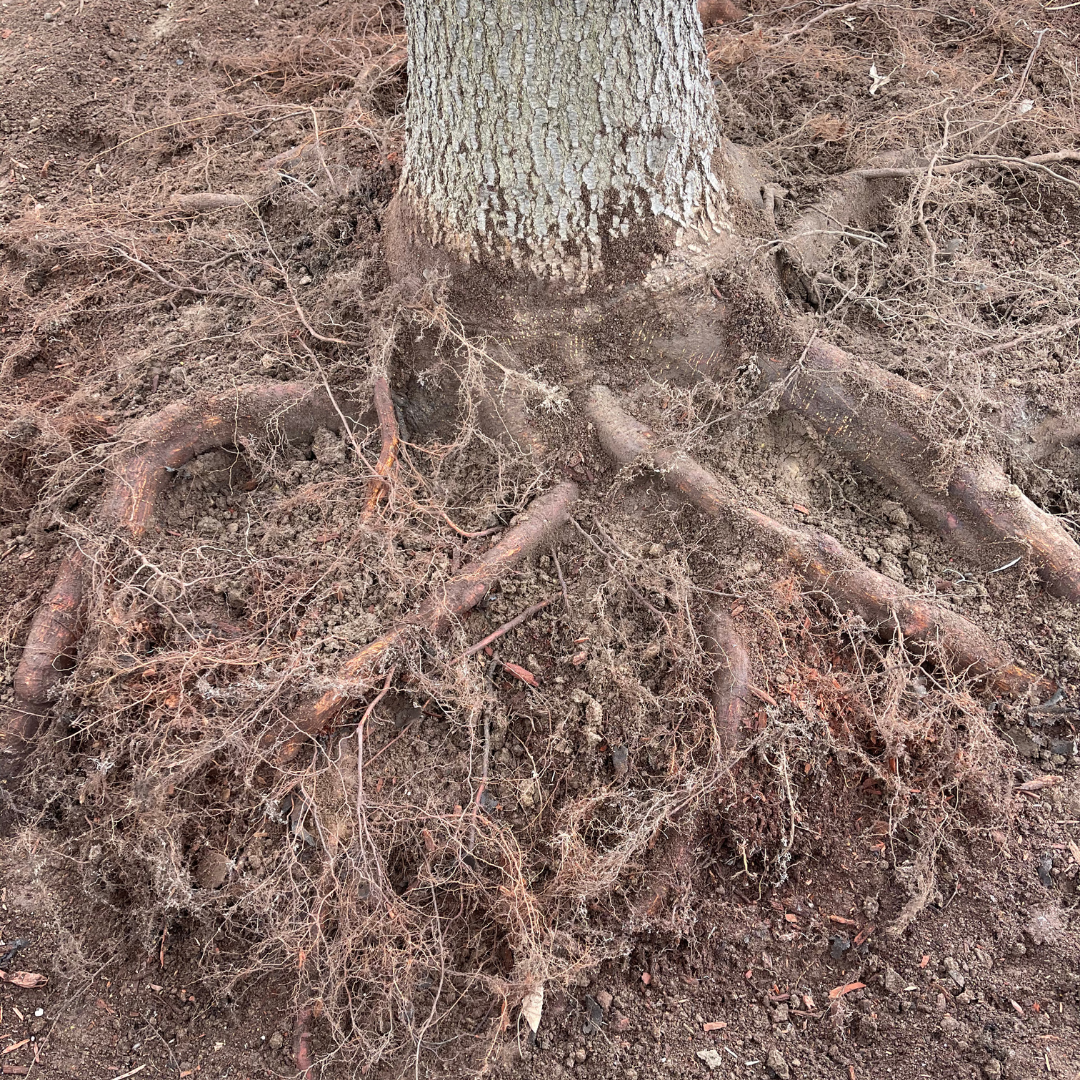
– Soil drainage and quality: Well-drained soil is critical. Tulsa soils vary regionally, and heavy clay or poorly drained sites can limit root growth and slow overall crepe myrtle growth rate. Amending soil or planting with proper drainage supports healthier root systems and steady growth.
– Water management: Deep, infrequent irrigation during establishment fosters strong roots. Once established, crepe myrtle is relatively drought-tolerant, but consistent moisture during hot Tulsa summers supports steady growth and prevents stress that can slow height and canopy development.
– Fertilization timing and amount: Fertilizing too aggressively or with high-nitrogen products can push excessive leafy growth at the expense of blooms and wood strength. A balanced approach in early spring supports steady crepe myrtle growth rate without compromising structure.
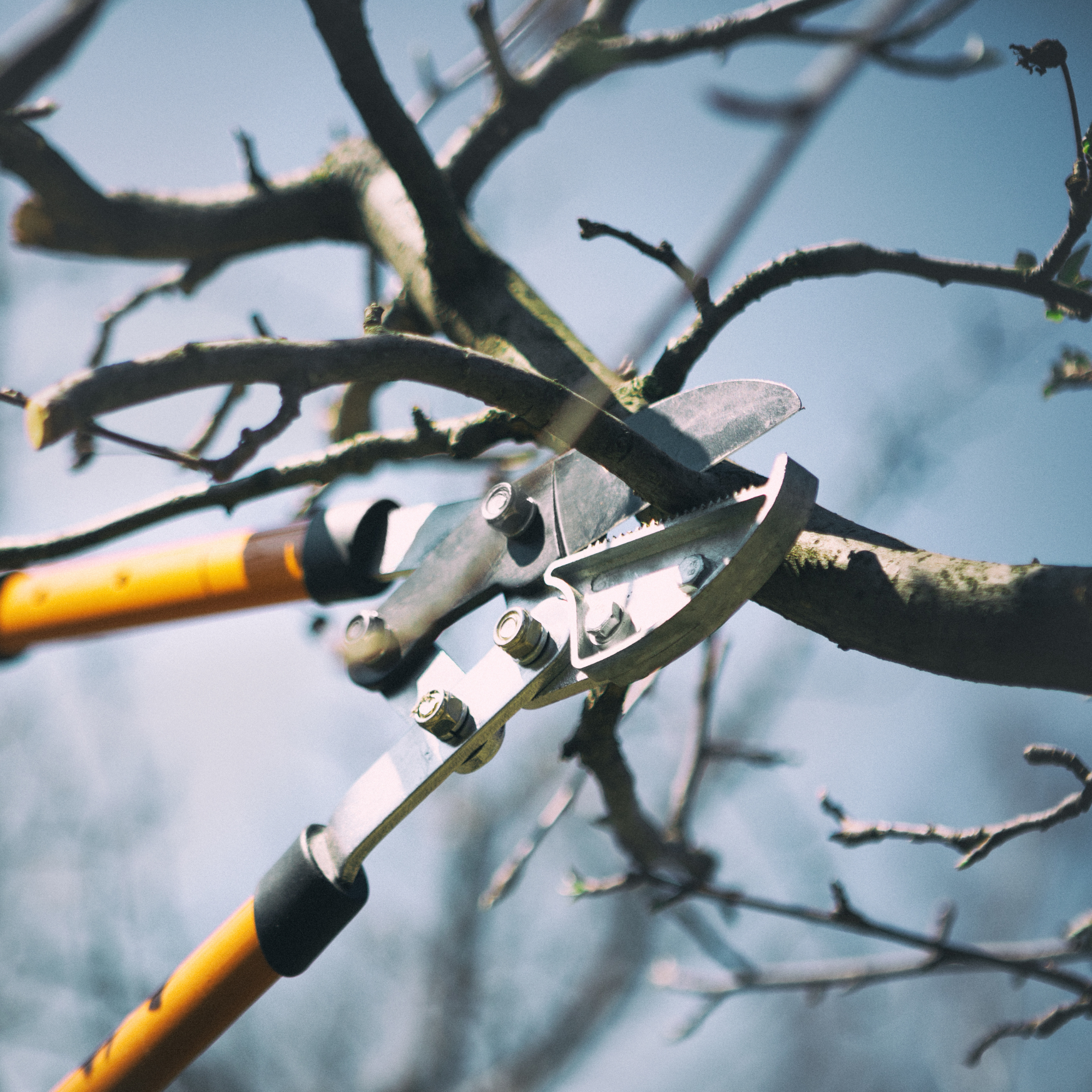
– Pruning practices: How you prune affects the crepe myrtle tree growth rate and overall form. Moderate, well-timed pruning encourages strong wood development and a balanced canopy, while heavy or ill-timed pruning can slow growth and reduce flowering.
– Health and pests: Regular monitoring for common pests and diseases ensures healthy growth. A stressed tree holds back growth and may waste energy on defense rather than height and canopy expansion.
Measuring growth: height, width, and health over time
Understanding growth rate requires looking beyond annual height alone. A healthy crepe myrtle shows improvement in multiple dimensions:
– Height gain per year
– Canopy width and branching density
– Flower production and bloom duration
– Trunk and limb strength to support mature growth
At younger ages (2–4 years), you’ll typically see faster vertical growth as the tree establishes its framework. Between years 5 and 10, growth often transitions to more measured increments as the canopy fills and limbs thicken. Regular inspections during late winter or early spring help you adjust pruning and spacing plans to maintain both growth velocity and structural integrity.
Growth milestones by age and cultivar
While individual results vary, here are general expectations you can use as benchmarks when planning your Tulsa landscape:
– Dwarf crepe myrtles (4–8 feet at maturity): Expect steady growth of about 1–2 feet per year in ideal conditions, with full canopy development by year 4 to 6.
– Small to medium standard cultivars (8–15 feet): Growth may average 1–2 feet per year in early years and slow slightly as they approach mature height, often reaching full size in 6–12 years.
– Large standard cultivars (15–25+ feet): Growth can remain brisk for the first several years, with annual increases typically in the 1–2 foot range, tapering as the tree matures.
Care practices to maximize healthy growth
To optimize the crepe myrtle tree growth rate in Tulsa while preserving bloom quality and tree health, follow these best practices:
– Choose the right cultivar for your site: Select a cultivar that fits your space and desired mature size. This reduces the risk of overgrowth or crowding that can hamper growth rate and health.
– Plant with proper depth and spacing: Plant at the same depth as grown in the pot, ensuring roots are not buried or covered with soil. Space trees according to mature width to avoid competition for water and nutrients.
– Provide consistent, deep watering during establishment: Water deeply during the first 1–2 growing seasons to encourage deep root development. After establishment, adjust watering to climate conditions, providing moisture during dry spells without creating soggy soil.
– Mulch to conserve moisture and regulate temperature: A 2–3 inch layer of organic mulch helps retain moisture, suppress weeds, and moderate soil temperatures, supporting steady crepe myrtle growth rate.
– Feed thoughtfully and at the right times: Apply a balanced fertilizer in early spring before new growth begins, and avoid heavy nitrogen applications that promote leafy growth at the expense of stems and blooms. For established trees, light feeding can support healthy growth without overstimulating foliage.
– Prune for health and structure, not just appearance: Pruning should focus on removing dead wood, shaping for airflow, and maintaining a strong central leader. Light annual pruning can promote new wood efficiently, supporting both growth and bloom cycles.
– Monitor for pests and diseases: Common issues can stress the tree and indirectly affect growth rate. Early detection and treatment help keep growth on track.
Seasonal care calendar for Tulsa crepe myrtles
Tulsa’s seasonal rhythms shape how crepe myrtles grow. A simple care calendar helps you maintain a steady crepe myrtle growth rate throughout the year:
– Winter: Inspect for deadwood and structural issues; plan pruning approach for late winter or early spring.
– Early spring: Apply a light fertilizer if needed and begin pruning for structural shaping as new growth begins. Ensure adequate irrigation readiness for the upcoming growing season.
– Late spring to early summer: Provide consistent irrigation during hot spells and monitor for pests. Support vigorous flowering by maintaining a steady moisture level.
– Summer: Focus on ground maintenance and continuing to monitor soil moisture. Pruning during the summer is generally discouraged for many cultivars, as it can reduce bloom and alter growth patterns.
– Fall: Clean up fallen blooms and spent growth; apply mulch for winter protection and soil temperature regulation.
Common myths about crepe myrtle growth rate
Separating fact from fiction helps you set realistic expectations:
– Myth: More fertilizer means faster growth. Reality: Fertilizer should support steady, healthy growth. Excess nitrogen often leads to lush, weak new growth that is prone to breakage and disease.
– Myth: Heavy pruning will speed up growth. Reality: Aggressive pruning can shock the tree