




Tulsa communities glow in spring with the soft beauty of flowering trees white flowers. For homeowners and landscape professionals alike, these trees bring cardio charm, seasonal interest, and long-term value. Yet beneath the beauty lies a need for thoughtful care—proper health assessments, timely pruning, and, when necessary, safe removal. At Davis Family Arbor, our certified arborists specialize in keeping flowering trees healthy, vibrant, and safe. Whether you’re planning a new planting or maintaining an established landscape, understanding how to care for flowering trees white flowers helps you protect your investment and enjoy their full seasonal splendor.
Understanding flowering trees white flowers in Tulsa’s climate
Tulsa’s climate offers a favorable setting for a range of flowering trees that display white blossoms. The interplay of spring warmth, occasional late freezes, and summer heat means choosing species adapted to local conditions is essential. Flowering trees white flowers can become focal points in yards or neighborhoods, drawing pollinators and adding structure to the landscape. But without proper pruning and health management, even the most striking trees can suffer from disease, poor structure, or hazards during storms.
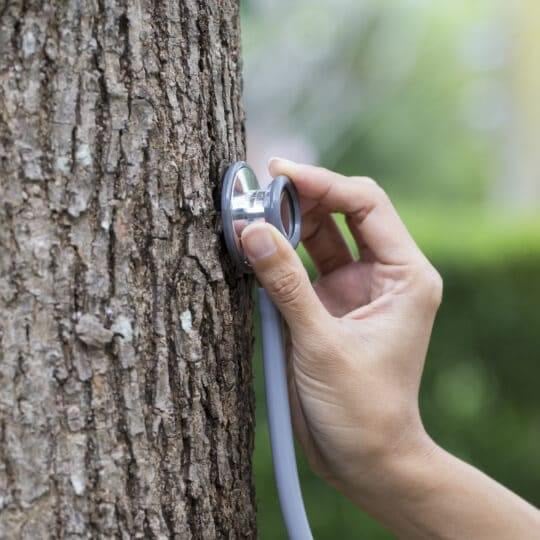
This is where a trusted arborist makes a difference. A professional assessment looks beyond the initial bloom to evaluate wood health, root stability, soil conditions, and potential risks to people and property. If you’re shopping for tree care, consider how a team like ours can address both aesthetic goals and long-term vitality. For a comprehensive approach to your landscape, explore our services page to see how we tailor tree health, pruning, and removal to your property: our arbor services.
Signs your flowering trees white flowers need professional attention
Like any living art piece, flowering trees require ongoing maintenance. Watch for these indicators:
– Dead or declining branches, especially in the upper crown, that do not respond to basic care
– Sparse blossoms or a weak flowering pattern compared to previous seasons
– Excessive lean in the trunk or branches, which can signal structural issues
– Areas of bark damage, cankers, or signs of disease such as unusual oozing or fungal fruiting bodies
– Poor vigor around the root zone, including stressed turf, soggy soil, or drought symptoms despite irrigation
– Pest activity, including scale, borers, or aphids that compromise overall health
If you notice any of these signs, a professional health check can identify root causes and a plan to restore vitality. Our team conducts comprehensive assessments, including soil testing and a close look at crown architecture, to craft a targeted care plan. Learn more about how we approach tree health on our site: tree trimming and pruning services.
Pruning and shaping: best practices for flowering trees white flowers
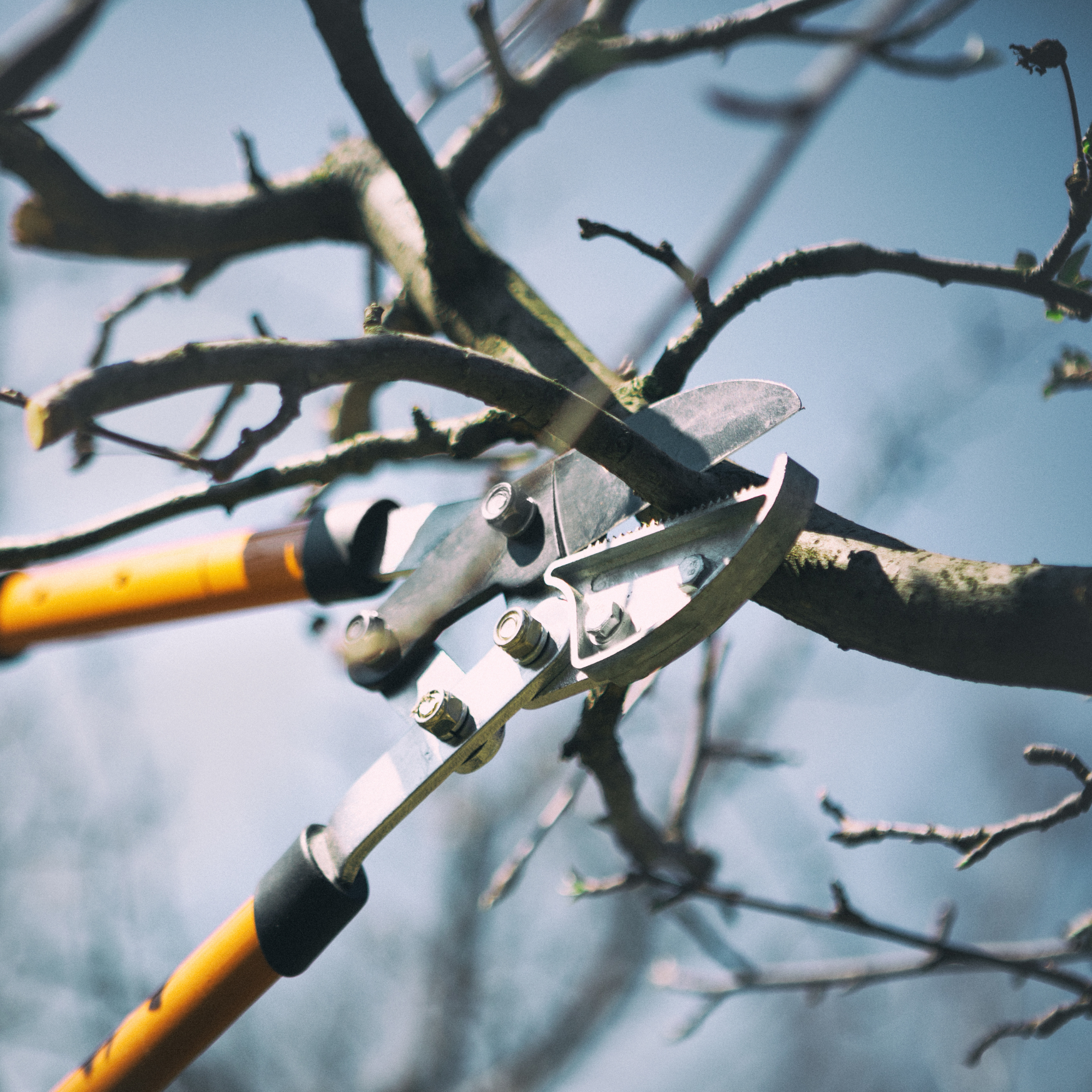
Pruning is one of the most effective ways to sustain health and enhance flowering patterns. However, timing and technique matter. Improper pruning can reduce bloom, weaken structure, or invite disease.
Key pruning principles
– Prune after flowering for many species to preserve next year’s bloom while maintaining structure.
– Remove crossing or rubbing branches to prevent wounds that invite decay.
– Focus on opening the center of the tree to improve light penetration and air circulation, which helps reduce disease pressure.
– Thin crowded limbs to reduce weight and wind resistance, lowering breakage risk during storms.
– Maintain an even branch structure that supports the tree as it matures.
Seasonal care in Tulsa climate
– Early spring pruning is often ideal for many flowering trees; for others, wait until after the final bloom.
– Summer maintenance should focus on moisture management, mulching, and pest monitoring rather than heavy pruning.
– Fall cleanup helps reduce disease carryover and prepares trees for winter stress.
If you’d like hands-on guidance, our arborists provide precise pruning plans and, when needed, careful removal for safety. To see how we tailor pruning for your landscape, visit our pruning resources: Tree Trimming and prune-related planning.
Removal when it’s the right choice
Removal is a last resort when a tree presents ongoing safety hazards, severe disease, or structural failures that compromise property or nearby trees. Important considerations include:
– The extent of internal decay or structural compromise that cannot be repaired with pruning
– The potential risk to people, structures, or utility lines during storms
– The presence of invasive pests or diseases with a high likelihood of spreading to other nearby trees
– The availability of replacement planting options that can maintain your landscape’s design and function
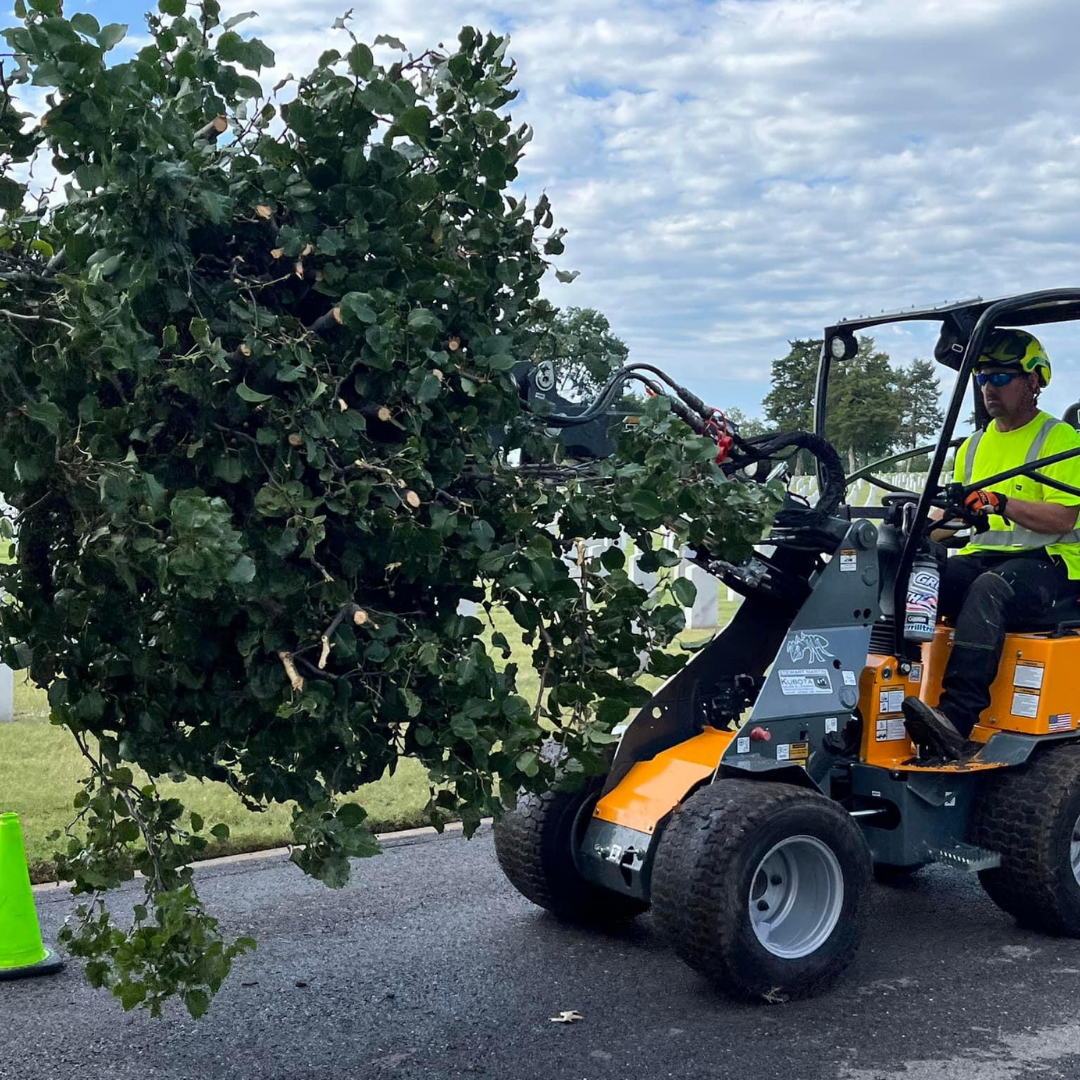
Our removal process emphasizes safety, environmental responsibility, and clear communication. We protect landscape beds, use proper equipment to minimize impact, and provide options for replanting or site restoration after removal. If you want to understand the full scope, our team can outline a clear plan during an on-site evaluation. You can also explore related services like professional removal and site preparation on our site page: Tree Removal.
Popular white-flowered options you might consider
Tulsa supports a diverse palette of white-flowered trees. Some common choices include:
– Star Magnolia (magnolia stellata) for early-spring white blooms and a compact form
– Flowering Dogwood (Cornus florida) with characteristic white bracts and a graceful silhouette
– White flowering Cherry (Prunus species) offering a striking spring display, paired with seasonal leaf color
– Certain ornamental pear varieties or flowering pear cultivars with white blossoms and a tidy habit
– Other blooming options that suit local microclimates, soil types, and space
Each species has its maintenance profile, bloom timing, and structural considerations. A local arborist can help you match a tree to your space, soil, irrigation, and sun exposure. For a curated list of recommended species and planting considerations, you can read about our local planting guidance in the Trees and Plantings section of our site, or contact us to discuss your goals with a real expert: About Us.
Care beyond pruning: watering, soil, and nutrition
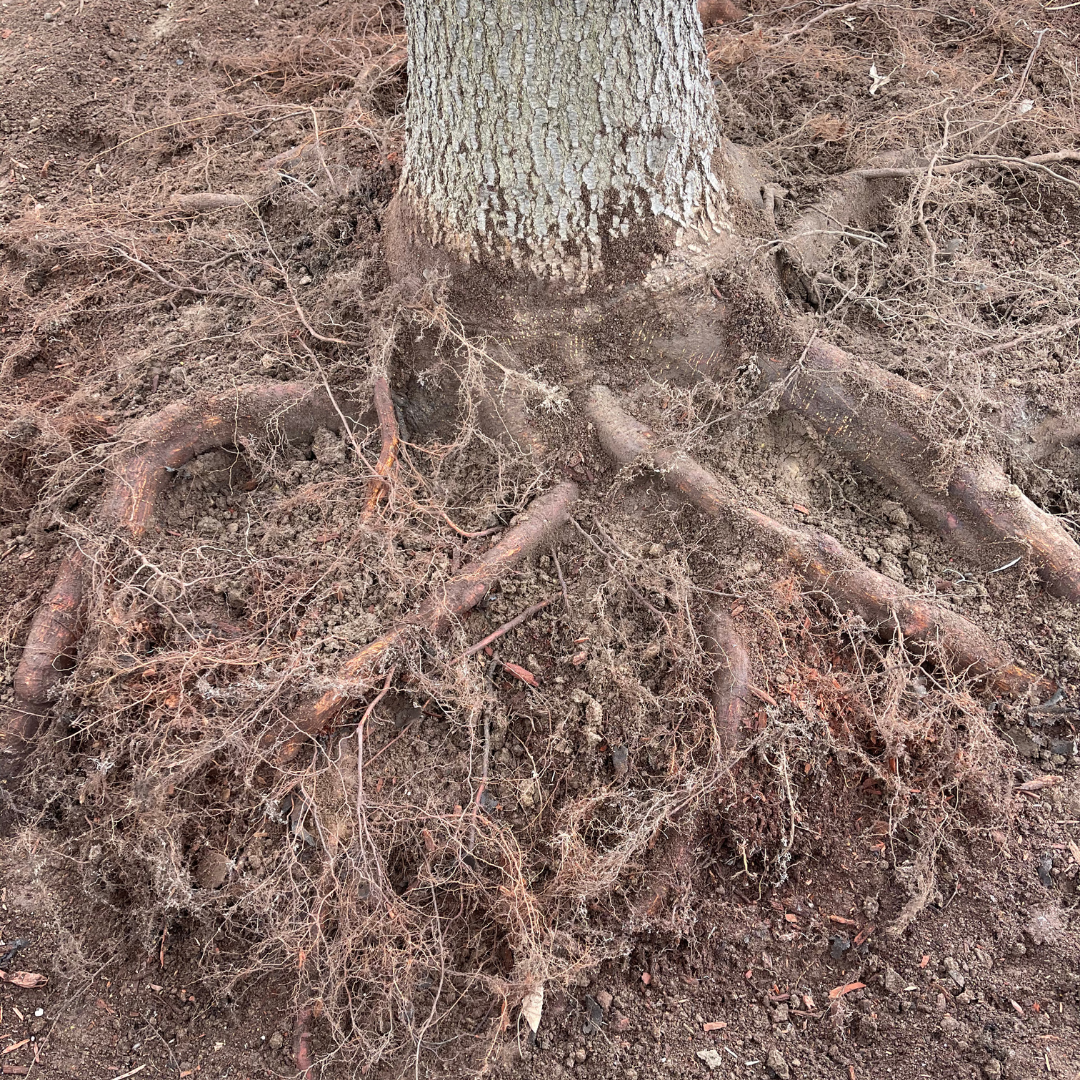
White-flowered trees thrive when their roots are healthy and their crown can breathe. Tulsa’s soil conditions and seasonal moisture patterns require attention to several factors:
– Deep, infrequent watering to encourage deep root growth, especially on newly planted or stressed trees
– Mulch to conserve moisture, regulate soil temperature, and improve soil structure, while avoiding mulch touching the trunk
– Soil amendments or fertilizers aligned with soil test results to address nutrient deficiencies without overfeeding
– Proper irrigation scheduling to avoid wet roots that encourage root diseases
– Regular pest and disease monitoring, with early interventions to prevent spread
A maintenance plan from a qualified arborist ensures you’re not guessing about fertilizer timing or irrigation needs. Our team can partner with you to develop a year-round care schedule that keeps flowering trees white flowers robust and resilient. To learn about ongoing maintenance programs, explore our Services page: our arbor services.
Building resilience: health, structure, and safety assessments
Healthy trees are safer trees. A well-structured canopy reduces the risk of limb failure during storms, and robust root systems support long-term vitality. Our approach combines science with practical care:
– Visual health checks for crown integrity, leaf color, and signs of disease
– Diagnostic testing when indicated to detect soil nutrient imbalances or root problems
– Structural assessments to identify weak union points or potential failure zones
– Targeted thinning, cabling, or bracing when appropriate to preserve health and safety
If you’re unsure whether your flowering trees white flowers are thriving, it’s wise to schedule a professional assessment. You can request a complimentary quote and inspection by reaching out through our Contact page: Contact Davis Family Arbor.
Why Davis Family Arbor stands out in Tulsa
Choosing a local arborist means selecting a partner who understands Tulsa’s climate, soil, and urban landscape challenges. Davis Family Arbor brings:
– Certified arborists with rigorous training and ongoing education
– Comprehensive services that cover health, pruning, and removal, so you don’t need multiple contractors
– A safety-first approach that emphasizes risk assessment, careful equipment handling, and property protection
– Transparent recommendations focused on long-term landscape value and tree vitality
We believe in building relationships with homeowners and property managers alike. Our goal is to deliver measurable improvements in tree health, flowering performance, and overall landscape safety. For more about our team and philosophy, see our About Us page and learn how we approach every job with professionalism and care: About Us.
What to expect when you contact us
From the moment you reach out, our team focuses on clarity and value. Typical steps include:
– Quick phone or online consult to understand your goals and constraints
– Flexible scheduling for on-site assessment at your convenience
– A detailed, no-obligation proposal outlining recommended services such as health checks, pruning plans, or selective removal
– Transparent pricing, with options for ongoing maintenance or one-time interventions
– Follow-up support to ensure outcomes meet expectations
We encourage homeowners to take advantage of a free quote for flowering trees white flowers—this helps you compare options and plan next steps with confidence. Access our convenient contact options here: Contact Davis Family Arbor.
Real-world benefits of professional care for flowering trees white flowers
Engaging a professional arborist yields tangible advantages:
– Enhanced flowering performance and seasonal beauty
– Longer tree life through proactive health management and proper pruning
– Reduced risk of branch failure, property damage, and personal injury
– Clear, documented plans that support timely maintenance and budget planning
– Respect for your landscape design by preserving form, scale, and aesthetic cohesion
A professional touch also means we consider the big picture of your landscape. For example, we coordinate with other landscape elements to ensure that flowering trees white flowers complement adjacent shrubs, lawn features, and hardscape. Our holistic approach helps you achieve a balanced, thriving yard.
Conclusion: partner with experts to nurture flowering trees white flowers
Flowering trees white flowers can be a focal point of Tulsa landscapes when cared for by professionals who understand both horticulture and safety. Davis Family Arbor offers a complete suite of services designed to keep trees healthy, prune them for beauty and structure, and remove them when necessary to protect people and property. By combining diagnostic health assessments, careful pruning, and safe removal as needed, we help you maximize the value and enjoyment of your trees.
If you’re ready to enhance the health and beauty of your flowering trees white flowers, contact Davis Family Arbor for a no-obligation consultation. Our certified arborists are prepared to assess your landscape, discuss options, and provide a clear plan with pricing that fits your needs. Learn more about our approach and start with a free quote by visiting our contact page: Contact Davis Family Arbor. For those exploring specific services, you can also review information about Tree Trimming and <