



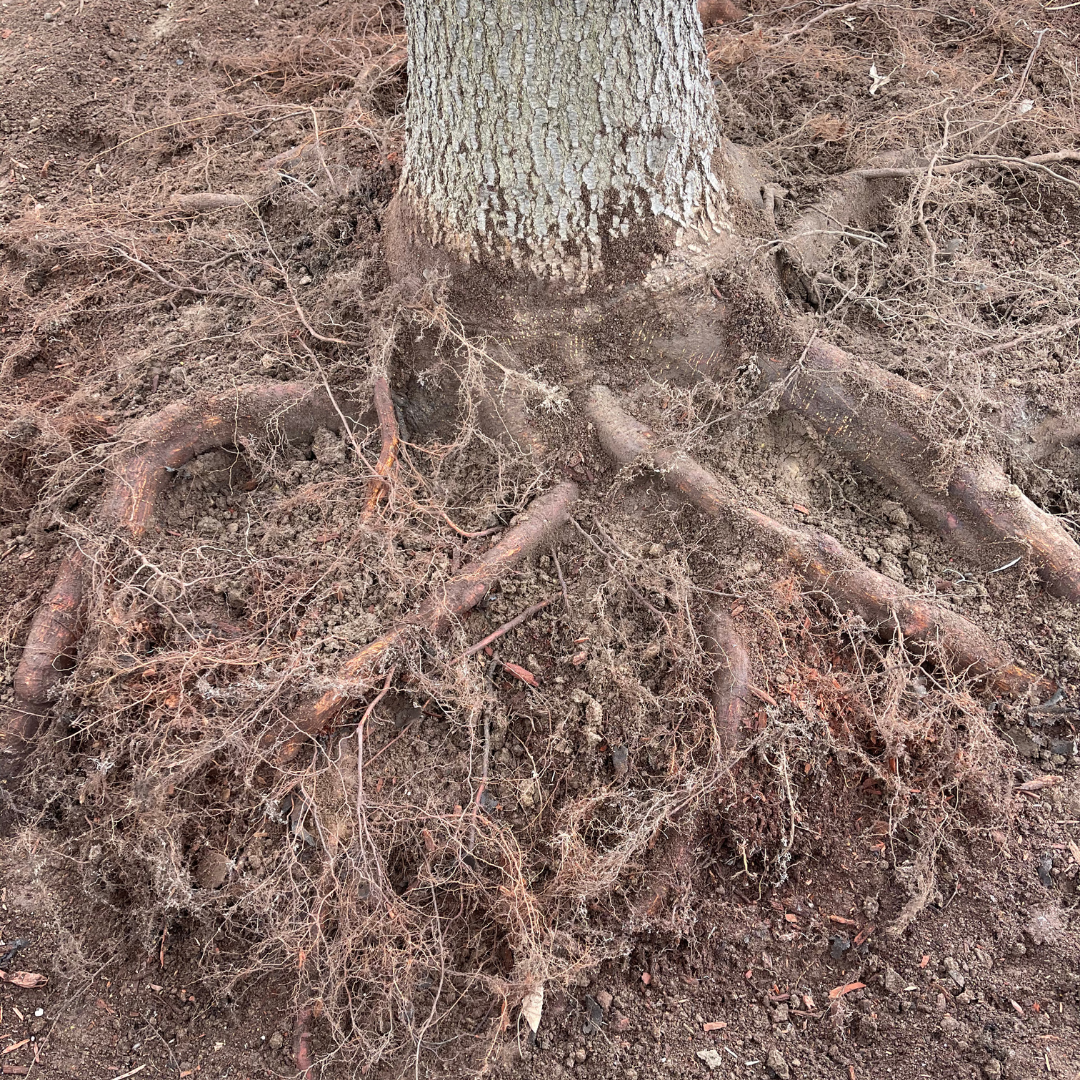
Understanding root rot in Tulsa trees and why expert care matters
Root rot is not always obvious from a casual glance in a Tulsa landscape. The problem often hides underground, where thirsty, poorly aerated soils and invading fungi slowly choke a tree’s root system. When symptoms finally appear above ground, they can look like drought stress, disease, or weather-related decline. This is where Davis Family Arbor steps in as your local partner in diagnosing, treating, and safely restoring tree health. By leveraging certified arborists and a thoughtful approach to root rot management, we can help you protect the trees you value and preserve the beauty and function of your yard.
The signs you might be dealing with root rot are sometimes subtle but increasingly concerning. Early on, you may notice a general sense of decline: leaves that fail to green after good watering, wispy or thinning canopies, and a tree that seems to struggle during periods of normal heat and drought. As root rot progresses, you might see more dramatic symptoms such as dieback at the crown, premature shedding of leaves or branches, and a tree that tilts or feels unstable in the wind. In some cases, there can be a musty underground odor or visible cavities at the soil line. Because root rot begins below the surface, the best defense is a proactive plan that combines careful observation with professional diagnosis. If you suspect root rot, don’t wait for the problem to worsen. Contact a trusted expert who can evaluate the entire root zone and provide a clear path forward.
UNDERSTANDING ROOT ROT IN TULSA TREES
Root rot refers to a set of diseases caused by pathogenic fungi or waterlogged soil conditions that injure a tree’s root system. In Tulsa’s climate, stubborn soil textures, seasonal rainfall patterns, and irrigation practices can create an environment where roots struggle to access oxygen. When roots are compromised, a tree cannot take up water and nutrients effectively, leading to a cascade of symptoms. The key with root rot is recognizing that the problem is usually not a single event, but a combination of factors that have stressed the tree over time.
An experienced team can distinguish root rot from other common issues like nutrient deficiencies, soil compaction, or insect damage. This accurate diagnosis is essential because it determines whether a tree can be saved or if removal is the safer option for protecting nearby structures, lawns, and other plants. At Davis Family Arbor, our approach to diagnosing root rot combines a careful site assessment, a review of watering and soil conditions, and targeted testing when needed. This comprehensive process helps ensure you receive a precise diagnosis and a treatment plan tailored to your landscape.
Signs and symptoms to watch for include:
– Yellowing or wilting leaves during normal weather
– Stunted growth or decline in vigor
– A canopy that looks sparse or unbalanced for the tree’s size
– Dieback of branches, especially on one side
– Mushy, discolored, or foul-smelling roots observed during excavation or root examination
– Soils that stay wet for extended periods after rainfall or irrigation
If you notice any of these indicators, especially in combination, it’s time to seek a professional evaluation. Remember, root rot can progress quickly in some environments, and the sooner you obtain a diagnosis, the more options you will have for protecting your landscape.
Why diagnosis matters for root rot
Root rot can be a misled diagnosis if based only on surface symptoms. A verified diagnosis allows for a careful assessment of the root zone, the extent of decay, and the tree’s overall structural stability. With root rot, the goal is not just to treat; it’s to manage the disease in a way that preserves as much healthy tissue as possible and minimizes risk to people and property. Our team at Davis Family Arbor uses a combination of field inspection, soil moisture evaluation, and, when appropriate, advanced testing to identify the specific pathogen, the severity of the infection, and the best course of action.
THE DIAGNOSIS PROCESS FOR ROOT ROT IN TULSA TREES
A thorough diagnosis typically follows a clear, step-by-step sequence:
1) Visual inspection and site history: We assess the tree’s overall health, canopy density, leaf coloration, and signs of stress. We also review irrigation practices, soil type, drainage, and recent weather patterns.
2) Soil and moisture evaluation: Soil texture and drainage play a critical role in root health. We measure moisture levels and assess drainage characteristics to determine whether a waterlogged environment is contributing to root rot.
3) Root health assessment: When safe and appropriate, we inspect exposed roots or take samples to observe root vitality, signs of decay, and the presence of fungal structures.
4) Pathogen identification and treatment planning: If needed, we determine the specific root rot pathogens involved and craft a targeted plan that aligns with your landscape goals.
5) Communication and next steps: We provide a clear diagnosis, potential outcomes, and a transparent quote for recommended treatments or interventions. For those seeking more information about our approach to care, our services overview can be explored on our Services page, which outlines options such as pruning, tree trimming, and other essential services that support root health.
If you want to learn more about our qualifications and approach, you can review our About Us information to understand why Davis Family Arbor is trusted for root rot assessments in Tulsa. When you’re ready, you can reach out through our Contact page for a free quote and a flexible scheduling option.
TREATMENT OPTIONS FOR ROOT ROT IN TULSA
Root rot treatment is nuanced because outcomes depend on the tree species, the extent of root decay, and the surrounding environment. In many cases, there is no guaranteed cure for a severely infected tree, but a well-planned program can often stabilize or slow the disease, improve root function, and extend the tree’s life. Davis Family Arbor emphasizes informed decision-making, prioritizing safety, and applying evidence-based methods to protect your investment.
Key treatment considerations include:
– Cultural management and site improvements: Improving soil drainage, aeration, and compaction relief around the root zone can reduce stress and support healthier root activity.
– Irrigation adjustments: Overwatering is a common contributor to root rot. We help you tailor watering schedules to the tree’s needs, seasonally and based on soil moisture readings.
– Pruning and canopy management: Reducing unnecessary stress by removing dead or diseased limbs can help redirect energy to healthier roots and canopy growth. This is often paired with strategic pruning or tree trimming to maintain balance and structural integrity.
– Targeted removals: In cases where the infection compromises structural stability or the tree poses a risk to people or property, removal becomes a prudent option. Our team handles safe, responsible removals and offers guidance on replanting or replacement planting once conditions allow.
– Root zone remediation: In select situations, specialists may implement soil amendments or fungal protections where appropriate, along with ongoing monitoring.
– Replanting and replacement strategies: For trees that cannot be saved, we provide thoughtful guidance on replanting and site planning to restore the landscape’s health and aesthetics.
Because treatments are highly case-specific, Davis Family Arbor begins with a thorough evaluation to determine the best path forward. If a tree must be removed, we handle the process safely and efficiently, minimizing disruption to your property. If you’re curious about how a typical root disease management plan unfolds, our Tree Removal and Tree Trimming services can be explored to understand how we restore landscape health holistically.
When is removal the best option?
Root rot may necessitate removal when:
– The infection is advanced and the root system no longer supports structural stability.
– The tree poses a risk of failure during storms or high winds.
– The cost and effort of rehabilitation exceed the value or beauty the tree provides.
– There is significant decay that could spread to nearby trees or structures.
In these cases, our removal specialists execute careful felling, debris cleanup, and site sealing, followed by guidance on replanting or upgrading the landscape in the most sustainable way.
PROTECTING YOUR TREES: PREVENTION AND LONG-TERM CARE
Preventing root rot is more effective than treating it after damage occurs. A proactive approach from the outset helps your trees thrive in Tulsa’s climate and reduces the likelihood of root-related problems over time. Here are practical steps to bolster root health and minimize risk:
– Optimize drainage in planting beds to avoid standing water around the root zone.
– Use appropriate irrigation schedules based on species, soil type, and weather conditions; avoid overwatering.
– Mulch properly, applying 2 to 4 inches of organic mulch around the root zone while keeping mulch away from the trunk to prevent moisture buildup at the root collar.
– Avoid soil compaction from heavy foot traffic, vehicles, or heavy equipment near critical root zones.
– Select tree species that are well-suited to Tulsa’s soil and climate, and consult an arborist before planting to ensure compatibility with your landscape goals.
– Schedule regular inspections with a certified arborist to catch early signs of root stress and respond promptly.
Our team emphasizes ongoing maintenance because healthy roots are the foundation of a healthy tree. To explore preventative measures and ongoing care, you can review our Service offerings for pruning and tree trimming, which support overall vigor and resilience. You can also read more about our approach on the About Us page to understand the standards that guide our preventive work.
WHY CHOOSE DAVIS FAMILY ARBOR FOR ROOT ROT DIAGNOSIS AND TREATMENT
Choosing the right partner for root rot management makes a meaningful difference in outcomes. At Davis Family Arbor, we bring:
– Local expertise: We understand Tulsa’s soil types, drainage patterns, and environmental conditions, allowing for informed decisions tailored to your landscape.
– Certified arborists: Our team holds professional credentials that ensure safe, legal, and ethical practices in all interventions.
– Comprehensive services: From initial diagnosis to treatment, through to removal or restoration and ongoing maintenance, we offer a full spectrum of care. Explore our Services page to see how our capabilities align with your needs and how our Tree Removal or Tree Trimming services can complement root health initiatives.
– Clear communication and quotes: We provide transparent, no-obligation estimates and explain the rationale behind every recommendation. If you’re ready to discuss your tree’s health, contact us for a complimentary assessment through our Contact page.
– Safety and responsibility: We prioritize safety for people and property, using